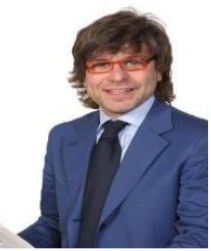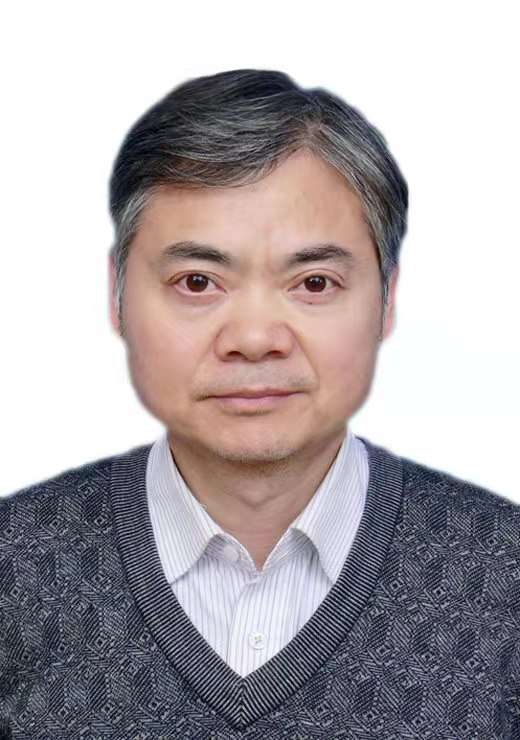

Prof. Dr. Dr. h.c. Hamid Mattiello
Swiss School of Business and Management (SSBM) Geneva, Switzerland

Joseph W Eichenbaum
Icahn School of Medicine at Mount Sinai, USA

Jiujiang Zhu
School of Civil Engineering and Architecture, Wuyi University, China

Mervat N Wahba
The University of Tennessee Health Science Center, USA

Jianqing Zhang
The University of China Agricultural, Beijing





Research Article
Published: March 26, 2026
Abstract: Background: The Field Of Cardiovascular Medicine Is Driven By Technological Innovation. The Concept Of “creative Destruction,” Where New Paradigms Dismantle And Replace Established Ones, Provides A Powerful Lens Through Which To Analyze The Evolution Of Myocardial Imaging. Objective: This Manuscript Traces The Arc Of Creative Destruction In Myocardium Imaging, From Its Early Foundations To The Current State-of-the- Art, And Explores The Implications For Future Diagnostic Pathways. Methods: We Conducted A Narrative Review Of The Scientific Literature, Focusing On Pivotal Technological Transitions That Fundamentally Altered The Clinical Assessment Of Myocardial Structure, Function, Perfusion, And Tissue Characterization. Results: The History Of Myocardial Imaging Is Marked By Successive Waves Of Creative Destruction. Planar Scintigraphy Was Largely Supplanted By Single-Photon Emission Computed Tomography (SPECT), Which Offered Superior 3D Resolution. The Diagnostic Monopoly Of Invasive Coronary Angiography Was Challenged By Coronary Computed Tomography Angiography (CCTA). Most Significantly, Cardiac Magnetic Resonance (CMR) Emerged As A Non-invasive Gold Standard For Tissue Characterization And Viability, While Positron Emission Tomography (PET) Set A New Benchmark For The Quantitative Assessment Of Myocardial Perfusion. Concurrently, Advanced Echocardiography Techniques Like Strain Imaging Uncovered Subclinical Myocardial Dysfunction. Each Disruptive Innovation Rendered Previous Standards Obsolete, Creating New Clinical Capabilities And Economic Paradigms While Challenging Existing Expertise And Workflows. Conclusion: Creative Destruction In Myocardial Imaging Is An Ongoing And Accelerating Process. The Current Integration Of Artificial Intelligence And Machine Learning Represents The Next Disruptive Wave, Promising To Redefine Image Acquisition, Reconstruction, And Interpretation. Embracing This Cycle Is Essential For Clinicians, Researchers, And Healthcare Systems To Advance Patient Care Through More Precise, Personalized, And Prognostically Powerful Diagnostics.

By Mohammed Al Rowaily*
View e-Print

.jpg)


By Kevin Antonio Cárdenas-Noriega
View e-Print.jpg)
By Dr. Mgr. MUDr. Tomáš Hájek*
View e-Print
By Maria Da Graça C Vidal*
View e-Print
By Jonathan L Sweeney*
View e-Print

By Pitra Ariesta Shinta Dewi*
View e-Print


By Dr. Florian Heesch*
View e-Print.jpg)

.jpg)
By Karin Engelhart Jentzsch*
View e-Print
By Traore-Kissima Abdoulaye
View e-Print


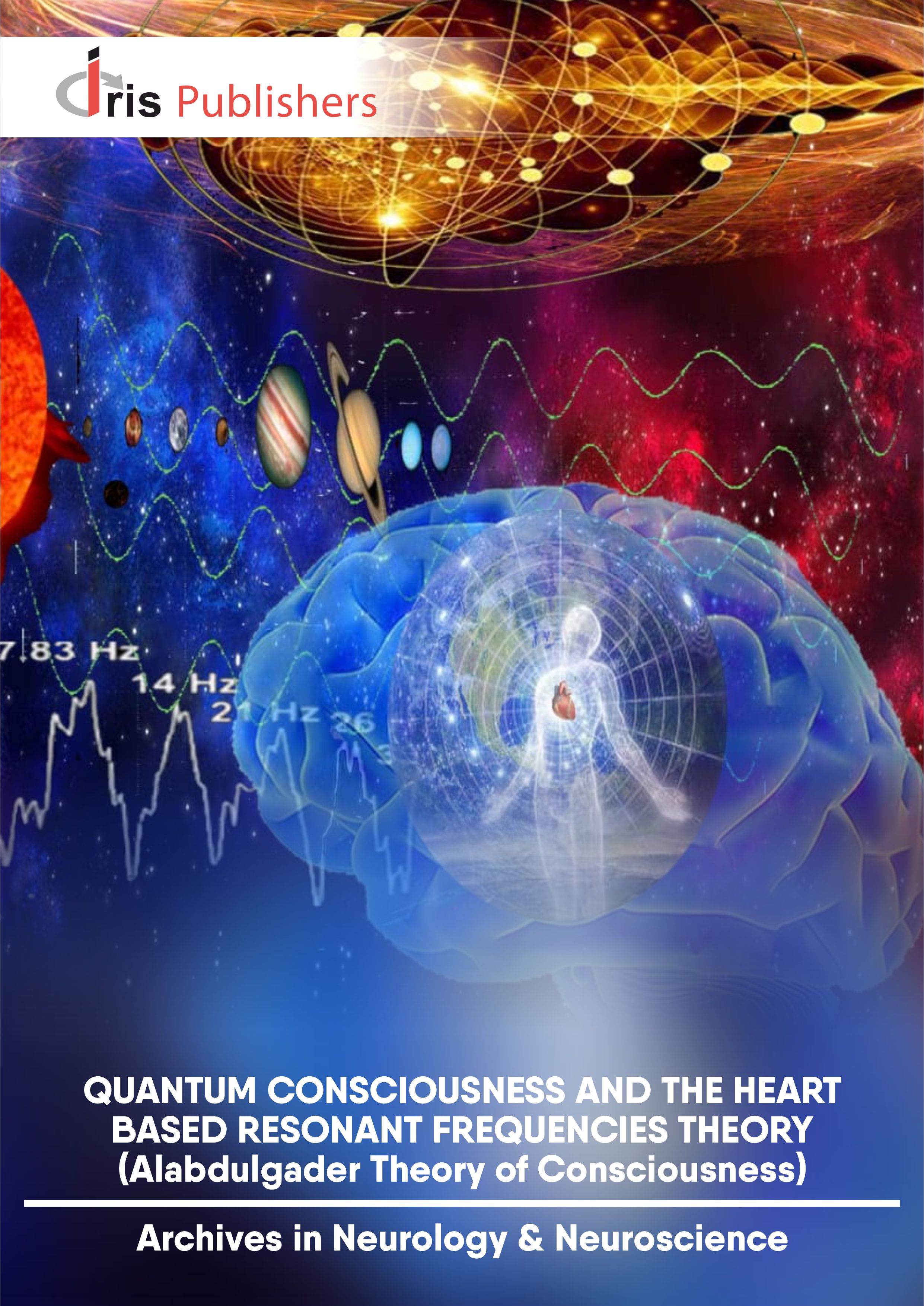
By Abdullah A Alabdulgader
View e-Print




By Mohamed Ali Alhosani*
View e-Print.jpg)









By Safa Eldin Abaza*
View e-Print




 a Creative Commons Attribution 4.0 International License. Based on a work at www.irispublishers.com.
Best viewed in
a Creative Commons Attribution 4.0 International License. Based on a work at www.irispublishers.com.
Best viewed in

 | Privacy Policy