
Managing Editor: Lily Watson
Contact us at:



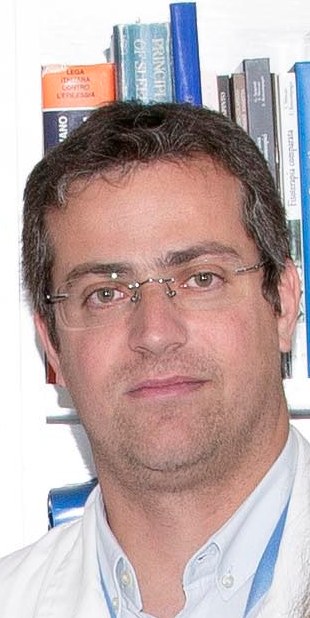
Giuseppe Lanza was born in Catania (Italy) in 1982. After a 6-years activity as Senior Academic Researcher and Associate Professor, he currently serves as Full Professor of Applied Medical Sciences Techniques at the University of Catania. After graduation with honours in Medicine, he trained at the School of Neurology and got the international PhD at the same University. As visiting Clinical Research Fellow, he further trained at the Department of Neuroscience and at the Clinical Neurophysiology Unit of the Newcastle University, Newcastle-upon-Tyne (UK). In 2013, he was selected for a Scientific Fellowship promoted by the European Federation of Neurological Societies (EFNS). From 2013 to October 2018, he worked as a Consultant Neurologist at the Oasi Research Institute–IRCCS in Troina (Italy), which is a Collaborating Center of the World Health Organization, and where now he currently holds the position of Head of the Clinical Neurophysiology Research Unit. From 2015 to October 2023, he taught Neurology at the University of Enna (Italy). He has authored more than 300 publications in internationally indexed peer-reviewed Journals and Conferences or Meetings, and he currently serve as Editor and invited Reviewer of several international Journals. More recently, he has obtained the Master of Science (Level I) in Clinical Research and another one (Level II) in Neurorehabilitation, as well as an international award for translational research in Sleep Medicine. To date, the Scopus h-index is 47, along with >5,200 citations.
Health Care; Neurology; Occupational Therapy
.jpg)
Paolo Bongioanni was born in Mondovì (CN) Italy, on October 4th 1963. He got a M.D. degree at the University of Pisa (Italy) in 1988, a Ph.D. degree in Neuroimmunology at the Scuola Universitaria Superiore “Sant’Anna”, Pisa in 1993 and a Postgraduate Diploma in Neurology at the University of Pisa (Italy) in 1996. He achieved the National Scientific qualification as Associate Professor in the Italian higher education system, in the call 2023/2025 (Ministerial Decree n. 1796/2023) for the disciplinary field of Neurology. He is currently a Senior Consultant in Neurology and Neurological rehabilitation and Head of the Geriatric Neurorehabilitation Service at the Neuroscience Department of the Azienda Ospedaliero-Universitaria Pisana (Pisa University Hospital). He has been Lecturer (at the University of Pisa) in “Rehabilitation of Neuromuscular Patients”, “Cognitive Rehabilitation”, “Geriatric Neurorehabilitation”. His main research interests include neurorehabilitation, neuropsychology, neuropsychopharmacology and neuroimmunology. Prof. Paolo Bongioanni has authored more than 90 research papers in leading international journals and conferences, and book chapters in the fields of neurology, neuropsychology and clinical neurosciences (neuropsychopharmacology, neurochemistry and neuroimmunology). He also serves as a reviewer for international peer-reviewed journals and conferences in clinical neurosciences, and is a member of several scientific committees and editorial boards of peer-reviewed journals (e.g., Current Alzheimer Research and Metabolites). He is the Founder and President of NeuroCare onlus, a no-profit organization for clinical research on neurodegenerative diseases.
Clinical Neuroimmunology; Clinical Neuropsychopharmacology; Neuropsychology

Dr. Seidah obtained his BSc in 1969 from Cairo University in Egypt, and his PhD in 1973 from Georgetown University, USA. In 1974, he started studying the processing of precursor proteins at the Montreal Clinical Research Institute (IRCM), and in 1976 he co-discovered the β-endorphin and largely contributed to the biochemical characterization of the proopiomelanocortin (POMC, the β-endorphin precursor) and pro-Atrial Natriuretic factor. Since 1983, Dr Seidah is the director of Laboratory of Biochemical Neuroendocrinology. Dr. Seidah discovered and cloned seven (PC1, PC2, Furin, PC4, PC5, PACE4, PC7, SKI-1 and PCSK9) of the nine known secretory serine proteases belonging to the proprotein convertases family. During this period, he also greatly contributed to demonstrating that proteolysis by the proprotein convertases is a widely used mechanism that also affects “non-neuropeptide” proteins such as growth factors, α-integrins, receptors, enzymes, membrane-bound transcription factors, and bacterial and viral proteins. In 2003, he identified PCSK9 and showed that point mutations in the PCSK9 gene cause dominant familial hypercholesterolemia, since PCSK9 gain-of-function mutations were linked to the ability of PCSK9 to enhance the degradation of cell surface receptors, such as the low-density lipoprotein receptor (LDLR). Dr Seidah has since worked on the elucidation of the functions and mechanisms of action of PCSK9 both in cells and in vivo, and is developing specific PCSK9 inhibitors.
Biochemical Neuroendocrinology; Health Sciences; Cardiovascular disease
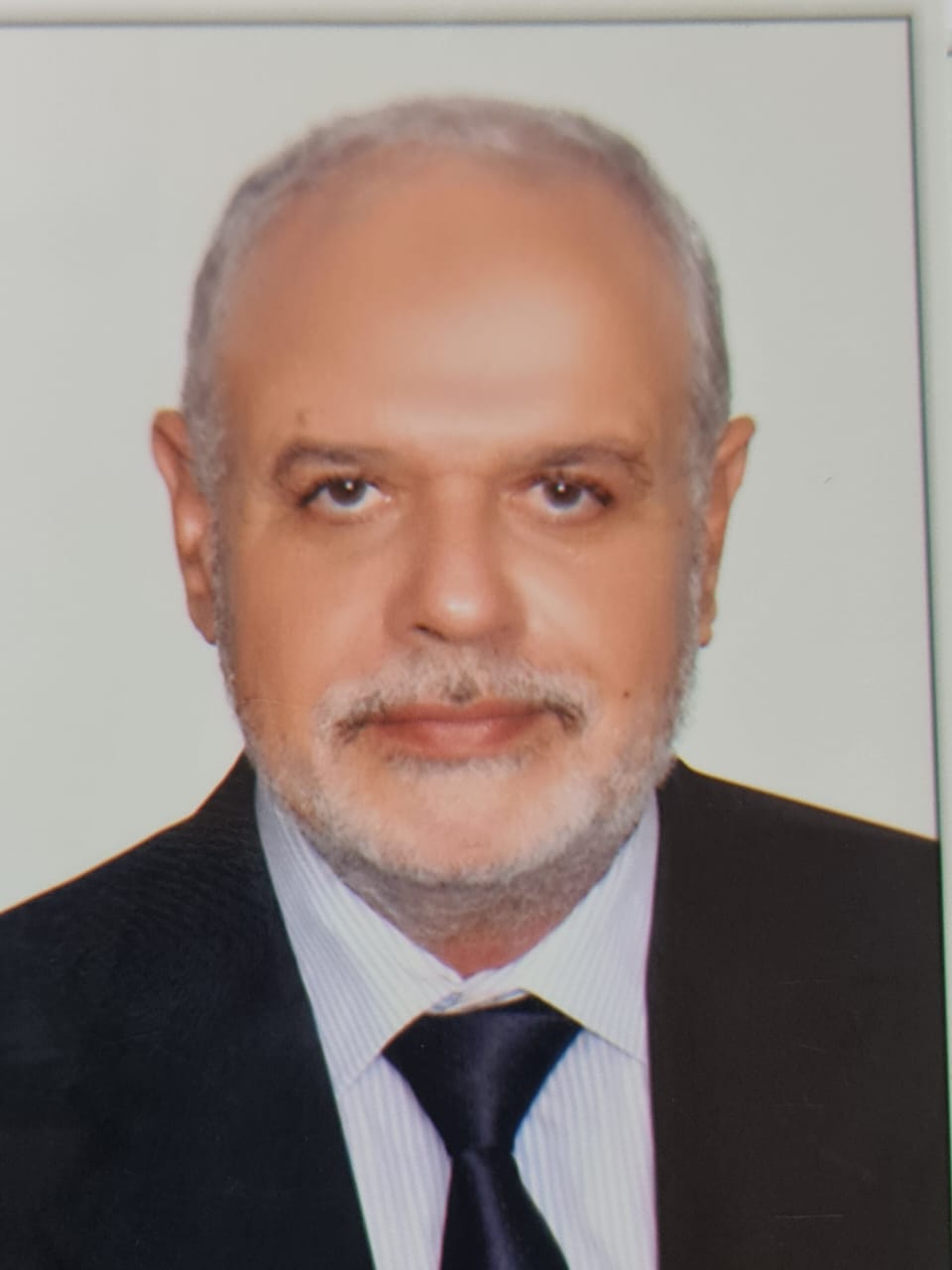
Professor Dr. Alaa A. El-Dahhar is a Professor of Fish Nutrition in the Animal and Fish Production Dept. Faculty of Agriculture (Saba Basha), Alexandria University, Alexandria. EGYPT. He is the Head of The Arabian Aquaculture Society, and the Editor – In – Chief of Journal of the Arab Aquaculture Society.He was the Vice Dean of the Faculty of Agriculture (Saba Basha) for Social Services and Environmental Affairs. He also served as a Member of the Standing Committee of Mubarak City for the upgrade of Professors and Associate Professors.Professor Dr. Alaa A. El-Dahhar was the Head of the Animal & Fish Production Department: Animal and Fish Production Dept. Faculty of Agriculture (Saba Basha), Alexandria University, Alexandria. EGYPT. Associate Professor: (Fish Nutrition) Animal and Fish Production Dept. Faculty of Agriculture (Saba Basha), Alexandria University, Alexandria. EGYPT. May 1994 – November, 2000. Lecturer: (Fish Nutrition) Animal and Fish Production Dept. Faculty of Agriculture (Saba Basha), Alexandria University, Alexandria. EGYPT. September 1992 - May 1994. Visiting Scientist: (Fish Nutrition) Fisheries and Allied Aquaculture, Auburn University, Auburn, AL. USA. April, 1992 - September 1992.
Agriculture; Fish Production; Fish Nutrition
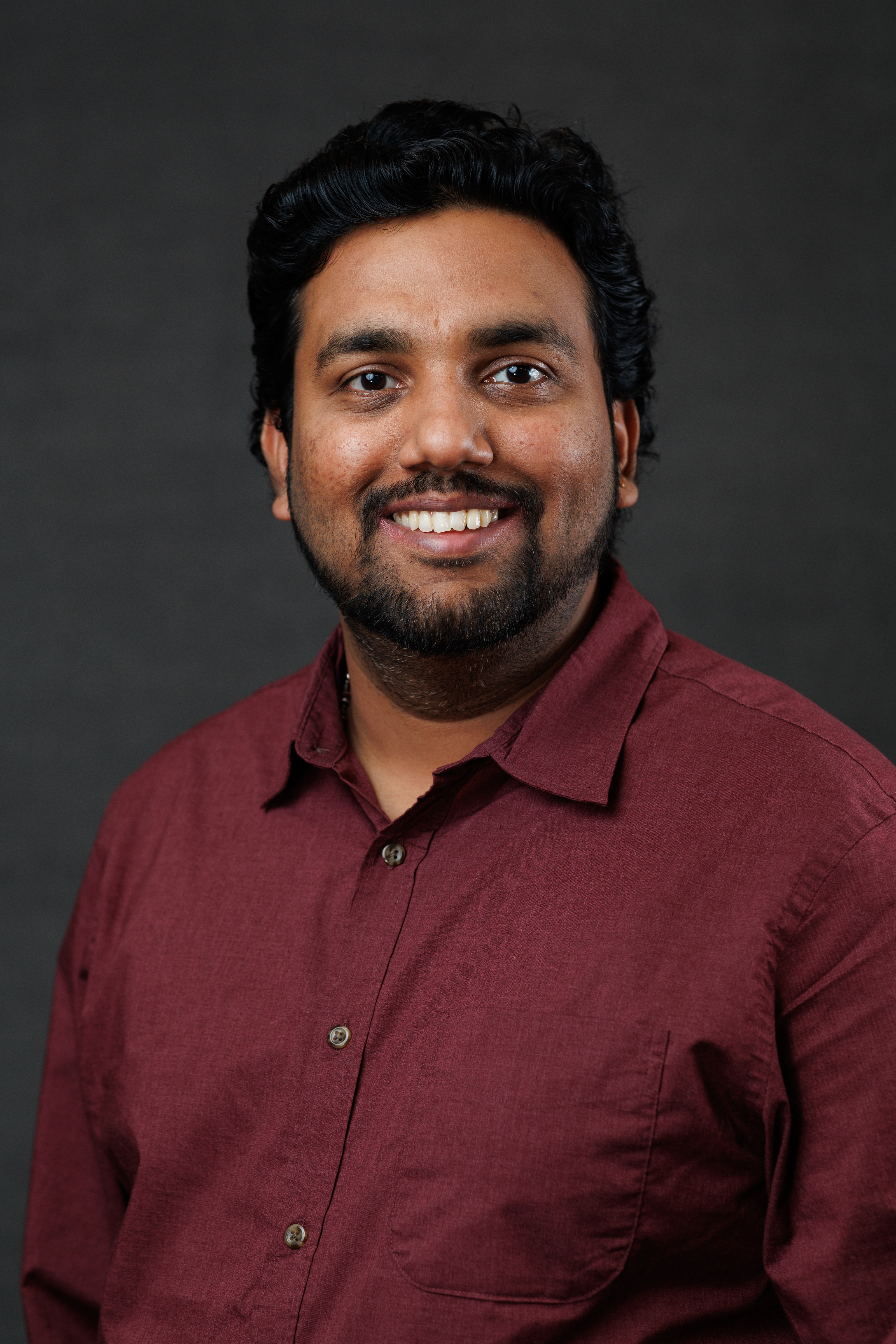
Dr. Sivanvayal Narasimhan Kishore Kumar is a Postdoctoral Research Associate at Texas A&M University College of Medicine, Department of Psychiatry and Behavioral Sciences. His research focuses on cellular and molecular mechanisms of disease, particularly autophagy, oxidative stress, iron metabolism, neuroinflammation, and neurodegeneration. He has expertise in cell and molecular biology, protein biochemistry, imaging, and transcriptomic analysis, with research contributions spanning stroke, chronic pain, Parkinson’s disease, and myocardial injury. Through his research, peer review, and collaborative scientific work, he remains committed to advancing rigorous, impactful scholarship in cell biology and biomedical research.
Psychiatry; Behavioral Sciences; Biochemistry; Glutamate receptors; Pain mechanisms
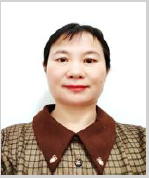
Yanying Liu is currently a professor teaching Medical Pathogenic Microbiology and Parasitology, Immunology, and Biochemistry at the Qingdao Huanghai University in China. She received her PhD in Neurobiology from the Capital Medical University (China) in 2006. In the past decade or so, she has worked as a postdoc or research staff scientist engaged in scientific research related to neuroscience at SUNY Upstate Medical University or the University of South Dakota in the USA. Dr. Liu’s research is related to several areas such as Alzheimer’s disease, Huntington’s disease, stroke, and stem cells. Her current research interests are the mechanism of the aging process, brain hypoxia, and stroke.
Aging process; brain hypoxia; stroke; stem cells
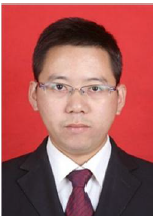
Clonal hematopoiesis; leukemia; cell immunotherapy
 a Creative Commons Attribution 4.0 International License. Based on a work at www.irispublishers.com.
Best viewed in
a Creative Commons Attribution 4.0 International License. Based on a work at www.irispublishers.com.
Best viewed in

 | Above IE 9.0 version | Privacy Policy