


 Research Article
Marshall Stability Evaluation of Waste Plastic-Coated Aggregates in Hot Mix Asphalt for Sustainable Flexible Pavement Applications
Received Date: May 15, 2026; Published Date: May 21, 2026
Abstract
The disposal of plastic waste is becoming a problem and road forming agencies are still looking for asphalt mixtures possessing higher resistance to deformation and service life. This study focused on shredded waste plastic in dry process hot mix asphalt production which involves the incorporation of plastic particles into heated aggregates prior to bitumen mixing. Waste plastic content in asphalt mixtures varied as follows to prepare the mixtures: 0%, 6%, 8%, 10%, 12% by weight of bitumen. Plastic content was investigated in the asphalt mixture by testing aggregate properties, bitumen properties, Marshall stability, and Marshall flow. The results indicated that the mixture with 8% of waste plastic had the highest average Marshall stability of 110.00 as compared to the control mixture of 102.44. This is 7.38 % higher than the control. However, statistical analysis indicated no significant differences (at 5%) in Marshall stability between the mixtures. So, the 8% mixture is to be understood as the best performing average mixture, and not as a statistically optimal mixture. Plastic content significantly affected the flow of the marshals, with an increase with 6% and 8% plastic addition, and a decrease with greater plastic addition. The results indicated that the use of waste plastic in asphalt is possible by the dry process, but a careful dose of plastic shall be used in asphalt mixture. Additional testing in terms of volumetric properties, rutting resistance, moisture susceptibility, fatigue behavior, ageing, and field performance testing should be done prior to putting the material into practical use.
Keywords:Waste plastic; hot mix asphalt; Marshall stability; Marshall flow; dry process; plastic-coated aggregates; flexible pavement
Introduction
Plastic waste is one of the most challenging solid waste challenges in the world. Large quantities of plastic bags, bottles, packaging materials, disposable cups, and household plastic products are discarded after short-term use, but many of these materials remain in the environment for decades. Poor disposal practices, limited recycling, and open dumping have increased the need for practical reuse options. Bituminous time, road construction consumes large volumes of aggregates and bituminous binders, making asphalt pavement a possible application area for selected waste materials [1,2]. Hot Mix Asphalt (HMA) is a versatile material that is commonly used in the construction of flexible pavements due to its favorable characteristics such as good riding quality, rapid construction and adequate load distribution if it is designed properly. But existing asphalt mixtures remain susceptible to rutting, fatigue cracking, thermal cracking, stripping and moisture damage. These problems become more severe under heavy traffic, high pavement temperature, insufficient drainage, and repeated environmental exposure. To enhance the ability of asphalt mixtures to resist loss of stability and deformation is thus crucial to extend service life of pavement [3,4].
Polymer modification is one of the most frequently used asphalt modification techniques. The use of commercial polymer modifiers may increase stiffness, elasticity, adhesion and resistance to permanent deformation of the binder, but increases construction cost. Waste plastic has therefore been receiving attention as a low-cost alternative modifier, particularly as many thermoplastic polymers are softening at the temperature of the asphalt mixing, and so can interact with the surface of the aggregate or the bitumen [5,6]. Asphalt mixtures with various types of plastics have been studied such as polyethylene terephthalate (PET), lowdensity polyethylene (LDPE), high-density polyethylene (HDPE), polypropylene (PP), polyvinyl chloride (PVC), and mixed plastic waste. The effects are not the same due to the different melting characteristics, density, stiffness, particle shape, and compatibility with bitumen of the various types of plastic. Therefore, the performance of plastic modified asphalt is closely correlated with the type of plastic, particle size, mixing temperature, binder content, and incorporation process of the plastic [7,8].
The waste plastic can be incorporated into asphalt mixture by two methods: the wet method and the dry method. The wet process involves mixing the plastic directly with hot bitumen before mixing with aggregates. The dry process is where shredded or powdered plastic is mixed with the heated aggregates prior to the bitumen being added. The two methods have been reported to enhance the performance of asphalt provided the conditions are appropriate, but the final outcome will depend on the dispersion of plastic, mixing temperature, coating uniformity, and the interaction between the plastic, binder, and aggregates [9,10].
The dry process is particularly attractive for practical pavements construction as it is easier and does not require complex bindermodification equipment. With this technique, plastic can melt and adhere to the surface of the aggregate as a thin film. This coating can help decrease the water absorption, enhance binder-aggregate bond, and increase the moisture damage resistance. In view of this, the use of plastic waste as a viable option in flexible pavement applications has been investigated via plastic coated aggregates [10-12]. Researchers’ studies have reported that plastic-coated aggregates can enhance asphalt mixture performance. Chowdhury et al. observed improved performance characteristics in asphalt mixes prepared with plastic-coated aggregates [13]. The study reported that waste-plastic-coated recycled concrete aggregates improved rutting resistance compared with untreated aggregates [14]. PET-coated steel slag aggregates have also been reported to improve Marshall stability, indirect tensile strength, and moisture resistance, indicating that plastic coating can improve aggregatebinder interaction [15].
Marshall stability is widely used as a preliminary measure of asphalt mixture resistance to deformation under load. Although it does not fully represent long-term pavement performance, it is useful for comparison of asphalt mixtures in laboratory evaluations and for conventional mix design. It has been found from past studies that addition of waste plastic in the mixture, it increases the Marshall stability of the mixture by increasing stiffness, aggregate interlock and resistance to internal deformation of the mixture [16,17]. Marshall flow is also significant as it is the deformation of the asphalt specimen at maximum load. Plastic’s influence on flow is not always predictable. Various studies have indicated a decrease in the flow rate with increasing plastic contents and other studies have indicated an increase in flow rate at moderate plastic contents, which is attributed to changes in the binder film behavior and coating thickness. Thus, these two should not be interpreted independently, stability and flow [18,19].
A critical issue in plastic modified asphalt is the optimal content of plastic. Previous studies have reported beneficial plastic contents in dry process mixtures between a few percent and approximately 12% of the binder, and plastic-coated aggregate studies have indicated effective plastic contents of about 8-15% depending on the type of plastic, aggregate properties and coating method [13,15]. However, increasing plastic content does not always improve performance. Excesses plastic may cause and/or result in non-uniform coating, less effective binder contact, excessive brittleness or compaction problems [9,16,20]. Waste plastic is also associated with enhanced moisture resistance, rutting resistance, fatigue behavior and aging performance. Adhesion properties of asphalt mixtures can be enhanced by waste plastic modifiers, thus reducing the moisture damage, reported by [21]. RRP and plasticmodified systems have also been used in other studies which demonstrated plastic enhancement of mechanical and durability properties, depending on the mix design and the proper amount [22,23].
Sustainability potential of waste plastic asphalt is also important. Recycling plastic waste as a pavement component saves landfill, can save natural resources, and may save the amount of virgin polymer modifiers used in the mixture. It has also been reported that there are some benefits of material saving due to the use of plastic-coated aggregates [24. In some studies, which show that reduced optimum bitumen content is possible to achieve. These benefits, however, should be used with caution since several issues, such as high temperature processing, emissions, and possible release of microplastics remain of concern [2,7]. Despite growing research on waste plastic-modified asphalt, several gaps remain. First, the optimum plastic content is highly dependent on properties of local aggregate, the grade of bituminous material, type of plastic, particle size and the type of mixing. Second, the effects of plastic on Marshall stability and flow are not always consistent across studies, especially when plastic is used through the dry process as an aggregate coating material. Third, numerous studies give average Marshall values without referring to variability, statistical reliability or whether or not an improvement is considered significant.
Accordingly, this study attempts to investigate the use of shredded waste plastic in hot mix asphalt by dry process. Waste plastic asphalt mixtures of 0%, 6%, 8%, 10% and 12% by weight of bitumen were prepared and tested. Aggregate characterization, bitumen testing, Marshall stability, Marshall flow, standard deviation, coefficient of variation, and one-way ANOVA were used to evaluate the effect of plastic content on mixture performance. The main objective is to identify the plastic content that results in the best average Marshall response while maintaining reasonable deformation behavior.
Materials and Methods
Experimental Framework
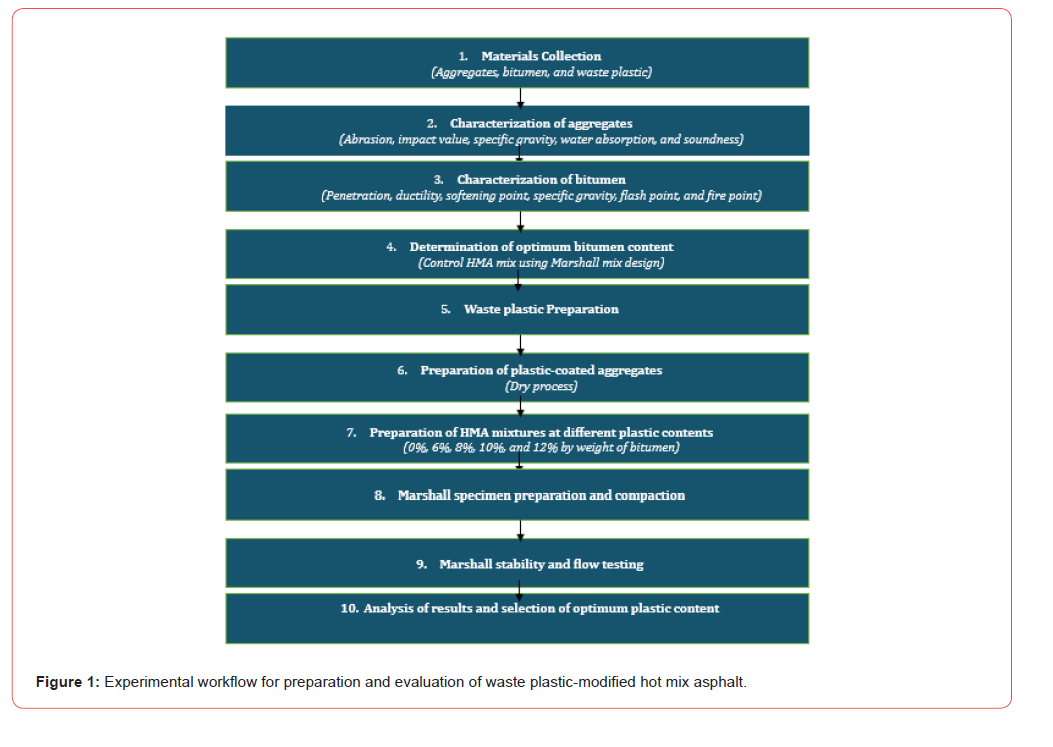
The experimental program consisted of testing to determine the effect of shredded waste plastic on Marshall stability and flow of hot mix asphalt produced by the dry process. Material selection, preparation of waste plastics, characterization of aggregates, characterization of bitumen, preparation of plastic-coated aggregates, preparation of Marshall specimens, and Marshall stability and flow tests were included in the study. The entire experimental procedure is shown in Figure 1. The flow of work starts by the collection of aggregates, bitumen and waste plastic, then laboratory characterization of the aggregates and bitumen. After determining the control asphalt mix, shredded waste plastic was incorporated into hot aggregates using the dry process. Asphalt mixtures were then prepared at different waste plastic contents, compacted into Marshall specimens, and tested for stability and flow. The control mixture was prepared without waste plastic, while modified mixtures were prepared with 6%, 8%, 10%, and 12% waste plastic by weight of bitumen. The performance of each mixture was compared with the control mixture to identify the optimum plastic content.
Materials Used
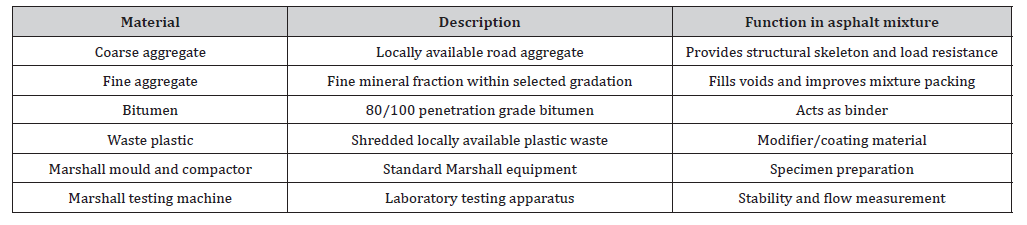
The main materials used in this study were coarse aggregate, fine aggregate, 80/100 penetration grade bitumen, and shredded waste plastic. Aggregates formed the mineral skeleton of the asphalt mixture, bitumen acted as the binder, and waste plastic was used as a modifying/coating material through the dry process. The materials and their functions are summarized in Table 1, and the physical appearance of the major materials are shown in Figure 2.
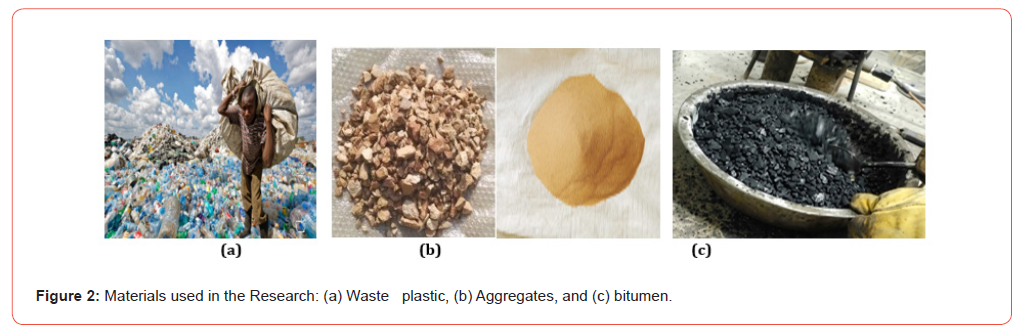
Table:1Materials used in the experimental Study.
Waste Plastic Preparation
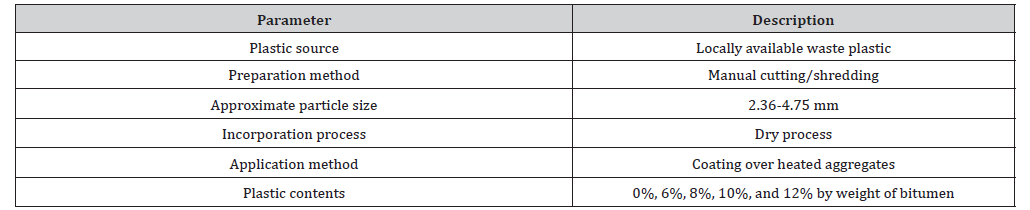
Waste plastic material was collected from locally available discarded plastic products and manually cut into smaller pieces before use. The shredded plastic particle size ranged approximately from 2.36 mm to 4.75 mm. The prepared plastic particles were added to hot aggregates during the dry mixing process so that the softened plastic could coat the aggregate surface. The preparation details and dosage levels of waste plastic are given in Table 2. The visual process of waste plastic preparation should be shown in Figure 3.
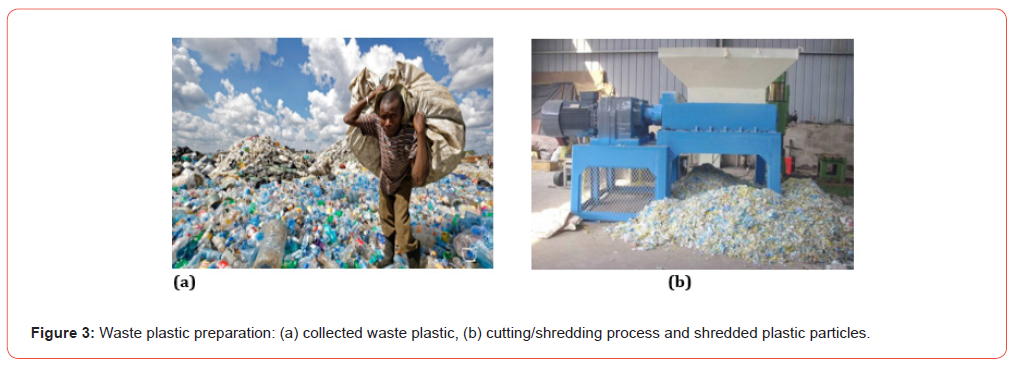
Table:2Waste plastic preparation and dosage levels.
Dry Process for Plastic-Coated Aggregates
Waste plastic was incorporated using the dry process. In this method, aggregates were first heated to the required mixing temperature. Shredded plastic was then added to the hot aggregates, allowing the plastic particles to soften and coat the aggregate surface. After coating, hot bitumen was added and mixed until a uniform asphalt mixture was obtained. The dry process was selected because it is simple and does not require high-shear binder-modification equipment. The coating formed on aggregate surfaces may improve aggregate-binder adhesion and reduce water entry at the aggregate surface.
Aggregate and Bitumen Characterization Methods
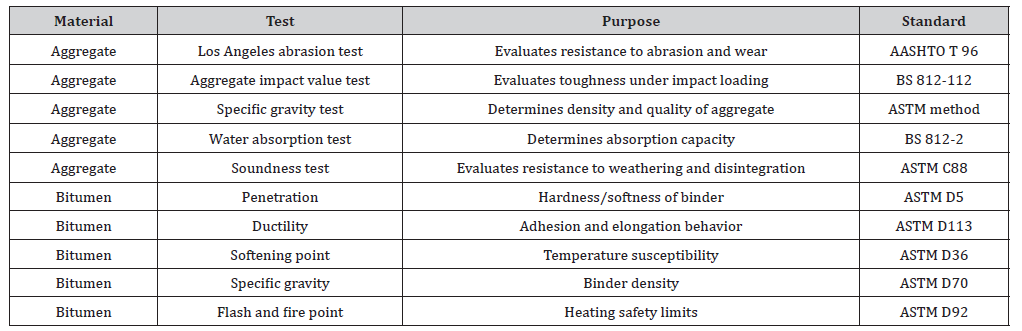
Before asphalt mixture preparation, aggregates and bitumen were tested to confirm their suitability for pavement use. The aggregate tests included Los Angeles abrasion, aggregate impact value, specific gravity, water absorption, and soundness. The bitumen tests included penetration, ductility, softening points, specific gravity, flash points, and fire points. The characterization methods are summarized in Table 3.
Table:3Aggregate and bitumen characterization methods.
Aggregate Gradation
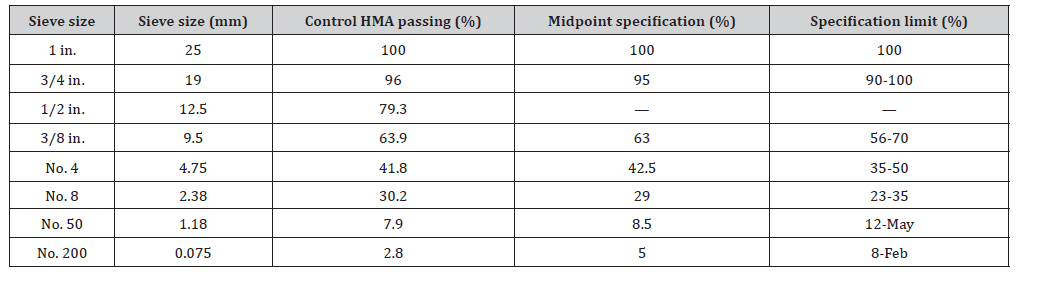
Class-A aggregate gradation was used for preparing the hot mix asphalt mixtures. Proper aggregate gradation is important because it controls mixture density, void structure, binder demand, stability, and flow. The aggregate gradation used in the mixture design is shown in Table 4.
Table:4Aggregate gradation used for HMA mixtures.
Mixture Design Matrix
The asphalt mixtures were prepared with different percentages of waste plastic in terms of the bitumen’s weight. The design matrix for the mixtures is presented in Table 5. The control mixture, WP0, contained no waste plastic, while WP6, WP8, WP10, and WP12 contained 6%, 8%, 10%, and 12% waste plastic, respectively.
Table:5Asphalt mixture design matrix.

Marshall Specimen Preparation
Marshall specimens were prepared using the selected aggregate gradation, 80/100 penetration grade bitumen, and various contents of waste plastic. The aggregates were first heated and then the shredded plastic was added to form plastic coated aggregates. Hot bitumen was then added and mixed to get a uniform asphalt mixture. The prepared mixture was placed in a heated Marshall mould and compacted with Marshall compaction hammer. Each specimen was struck on one face with 50 hammer blows and then struck on the other face with the same number of blows. After compaction, the specimens were allowed to cool before being removed from the mould.
Marshall Stability and Flow Testing
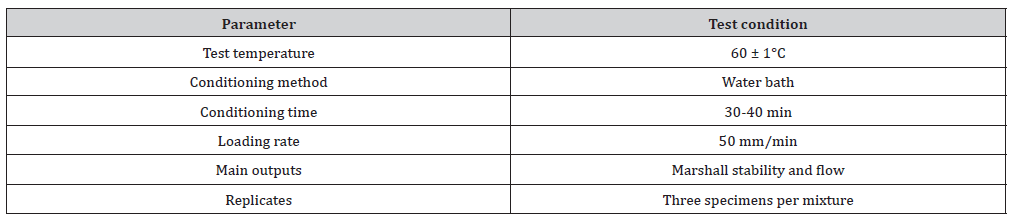
Marshall stability and flow tests were conducted to measure load resistance and deformation. Compacted specimens were placed in a water bath at 60 ± 1°C for about 30-40 minutes prior to testing. The specimens were then subjected to loading under Marshall testing machine at a deformation rate of 50 mm /min to maximum load. Marshall stability value was used as the maximum load, and the deformation value was recorded as the flow. The summary of the test conditions is presented in Table 6.
Table:6Marshall stability and flow test conditions.
Data Processing and Optimum Plastic Content Selection
Three replicate specimens were used for each mixture, and the mean and standard deviation were determined for each mixture, as well as the coefficient of variation. The percentage change of the Marshall stability in comparison to the control mixture was determined from:
where is the average Marshall stability of the plastic-modified mixture and is the average Marshall stability of the control mixture.
One-way Anova analysis of variance was used to examine whether plastic content had a statistically significant effect on Marshall stability and flow. A significance level of p < 0.05 was used.
Results and Discussion
Aggregate Characterization Results
The characterization results of the aggregates are summarized in the following Table 7. The tests were conducted to determine the suitability of the selected aggregates in preparing for the HMA. The Los Angeles abrasion value was 26.6% which is less than the abrasion value specified as 30%, indicating good abrasion and wear resistance. The maximum permissible limit for the aggregate impact value is 30% and the obtained value was 15.18%, which means it has good toughness under impact loading. The specific gravity of aggregate was 2.89 which is within the specified range of 2.5-3.0. Water Absorption value: 2.12% (which is below the maximum limit of 3.5%) means that the material has acceptable water absorbing properties. The soundness value was low at 2.48% as compared to the specified value of 12% indicating good resistance to weathering and disintegration. In general, the selected aggregate satisfied the basic requirements to make Marshall mixtures.
Table:7Characterization of Aggregates results.

Bitumen Characterization Results
The characterization results of bitumen are presented in Table 8. The binder used in this study was 80/100 penetration grade bitumen. The flash point and fire point were 270°C and 330°C, respectively, indicating that the binder could be safely heated during preparation of asphalt mixture. The ductility test presented no breaking, suggesting adequate elongation and adhesive behavior. The specific gravity of bitumen was 1.01, while the penetration value was noted as 61-70. The softening point was 47°C, indicating the binder’s temperature susceptibility. These results confirm that the bitumen was suitable for preparing the asphalt mixtures used in this study.
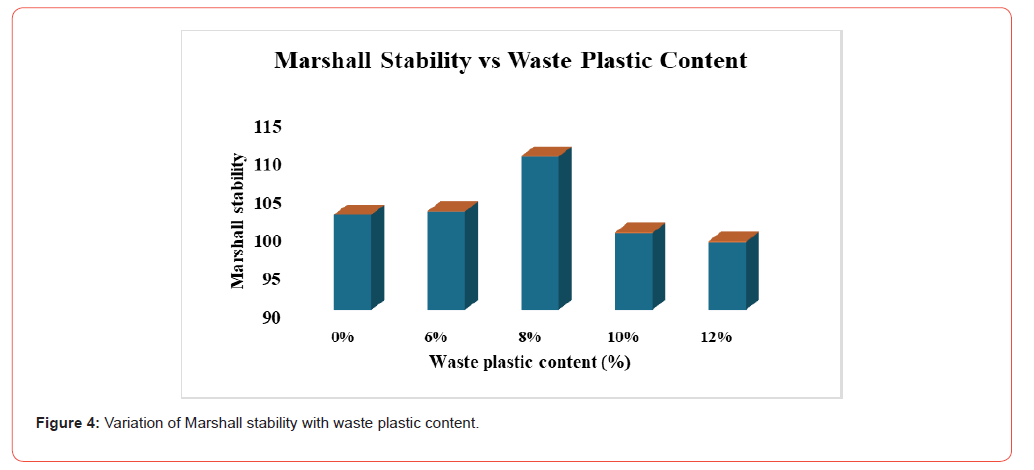
Table:8Bitumen characterization results.
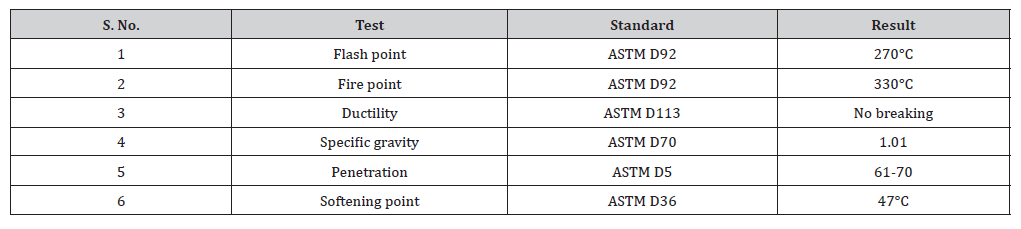
Table:9Marshall stability statistical summary.

Marshall stability was used to evaluate the resistance of asphalt mixtures to deformation under load. The statistical summary of the Marshall stability results is presented in Table 9, and the stability trend with standard deviation error bars is shown in Figure 4. The control mixture achieved an average Marshall stability value of 102.44. At 6% of waste plastic content, the average stability increased slightly to 102.83, corresponding to a marginal increase of 0.38%. The highest average stability was recorded at 8% waste plastic content, with a mean value of 110.00, representing a 7.38% increase compared with the control mixture. However, stability decreased when the plastic content was increased beyond 8%. The mixtures containing 10% and 12% waste plastic had stability values of 100.00 and 98.33, respectively. The results indicate that an increase in plastic content beyond this point might not increase the load-resisting capacity of the asphalt mixture.
The fluctuation in stability should also be taken into account. The 8% mixture had the highest average stability but also the largest standard deviation, 26.46, and coefficient of variation, 24.05%. One-way ANOVA showed that the impact of waste plastic content on Marshall stability was not statistically significant at the 5% level, . Therefore, the 8% mixture should be interpreted as the mixture with the highest average stability. The improvement at moderate plastic content may be related to better coating of aggregate particles and improved aggregate-binder interaction. When shredded plastic is added to hot aggregates, it softens and forms a film around the aggregate surface. This coating can increase internal resistance to deformation. At higher plastic contents, however, the coating may become too thick or non-uniform, reducing effective bitumenaggregate contact and disturbing mixture cohesion.
Marshall Flow
Marshall flow represents the deformation of the asphalt specimen at maximum load. The statistical summary of Marshall flow is presented in Table 10, and the flow trend with standard deviation error bars is shown in Figure 5. The control mixture had an average flow value of 3.60 mm. The flow increased to 5.93 mm at 6% waste plastic and reached 6.10 mm at 8% waste plastic. At higher plastic contents, the flow decreased to 3.30 mm and 3.00 mm for the 10% and 12% mixtures, respectively. Unlike Marshall stability, the flow response was statistically significant. One-way ANOVA showed that waste plastic content had a significant effect on Marshall flow at the 5% level, . This shows that plastic dosages have a measurable influence on deformation behavior.
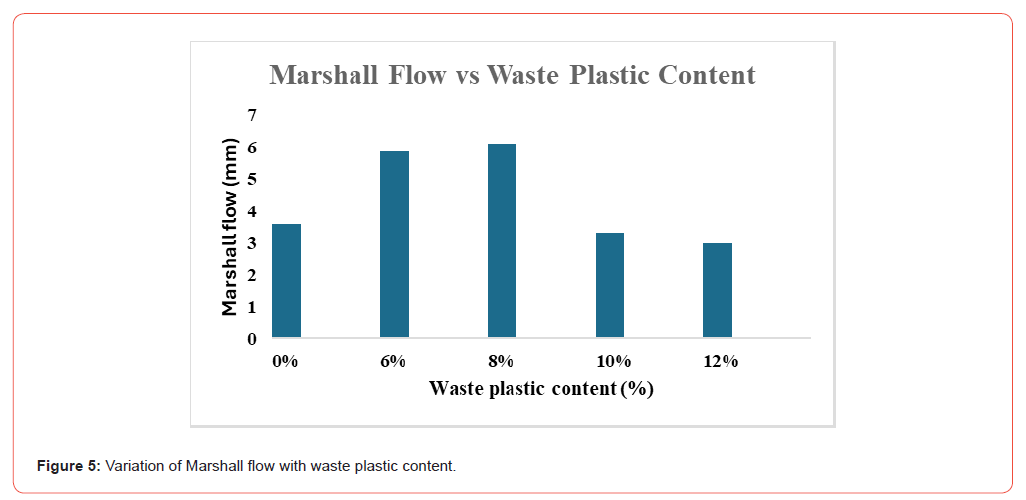
Table:10Marshall flow statistical summary.

The change of flow at 6% and 8% can be related to changes in coating thickness, binder film behaviour and structure of the internal mixture. The lower flow readings at 10% and 12% may suggest that the stiffness has increased and the ability to deform has decreased. These findings demonstrate the need not consider flow as independent of stability. A mixture should have sufficient resistance to load while maintaining acceptable deformation behavior.
Stability-Flow Relationship and Optimum Plastic Content
The combined stability and flow results show that 8% waste plastic results the best average Marshall response among the tested mixtures. At this, the mixture achieved the highest mean stability of 110.00 and a mean flow value of 6.10 mm. The percentage change in stability relative to the control mixture is presented in Table 11 and shown in Figure 6.
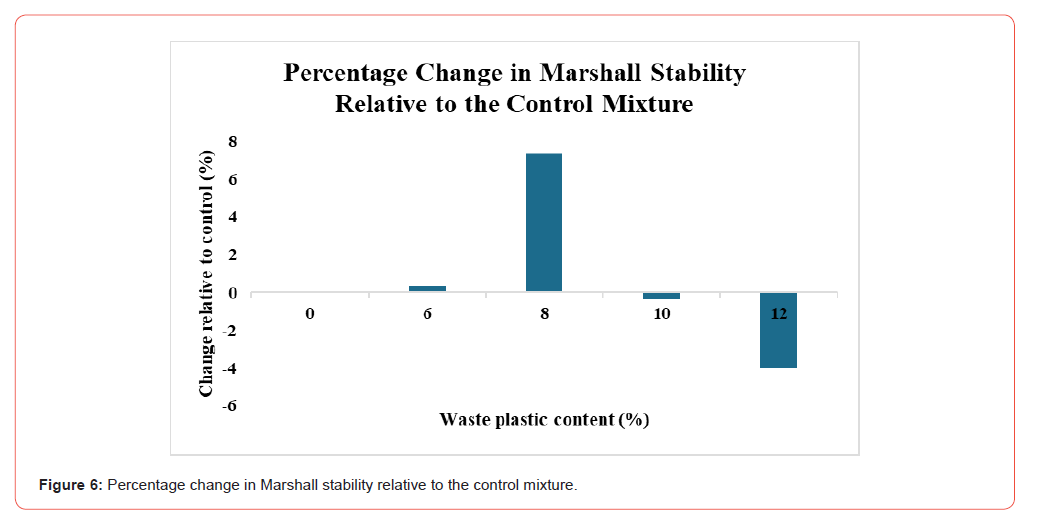
Table:11Percentage change in Marshall stability relative to the control mixture.

Even though the 8% mixture produced the highest average stability, the ANOVA result showed that the stability differences among mixtures were not statistically significant. For this reason, 8% waste plastic should be described as the best average performing content, significantly than a statistically confirmed optimum. The reduction in average stability at 10% and 12% suggests that excessive plastic may reduce mixture cohesion. This behavior can occur when the plastic coating becomes uneven or may be too thick, limiting effective contact between bitumen and aggregate. Therefore, waste plastic addition should be controlled precisely and not increased simply to maximize waste reuse.
Mechanistic Interpretation
The improvement in average Marshall stability at moderate plastic content can be explained by the dry-process coating mechanism. When shredded waste plastic is added to heated aggregates, the plastic softens and adheres to the aggregate surface, forming a thin coating. This coating may improve aggregate-binder adhesion, increase internal resistance to deformation, and reduce water entry at the aggregate surface. At 8% waste plastic content, the coating appears to provide the most favourable average response among the tested mixtures. However, at 10% and 12%, excess plastic may have produced a thicker or less uniform coating, reducing effective contact between bitumen and aggregate. This can disturb mixture cohesion and explain the decrease in average Marshall stability at higher plastic contents.
Sustainability Implications
The use of waste plastic in asphalt mixtures offers a possible route for reusing non-biodegradable plastic waste in road construction. From an engineering perspective, the mixture containing 8% waste plastic showed the highest average Marshall stability, suggesting a potential improvement in resistance to deformation under load. From an environmental perspective, the dry process provides a practical method for incorporating discarded plastic materials into asphalt mixtures. However, these sustainability benefits should be considered preliminary. The present study did not evaluate emissions during mixing, microplastic release, life-cycle performance, moisture susceptibility, rutting resistance, fatigue behavior, or field durability. Therefore, the results support the potential use of waste plastic-modified asphalt, but they do not yet confirm long-term sustainability or field performance.
Conclusions
This study evaluated the effect of shredded waste plastic on the Marshall stability and flow behavior of hot mix asphalt prepared using the dry process. Based on the experimental results, the following conclusions are drawn:
a. The selected aggregates and 80/100 penetration grade
bitumen satisfied the basic requirements for preparing hot mix
asphalt mixtures.
b. The mixture containing 8% waste plastic produced the
highest average Marshall stability, with a value of 110.00,
compared with 102.44 for the control mixture.
c. The 8% waste plastic mixture showed a 7.38% average
increase in Marshall stability relative to the control mixture.
However, ANOVA showed that the stability differences among
the mixtures were not statistically significant at the 5% level.
Therefore, 8% waste plastic should be described as the best
average-performing content, not as a statistically proven
optimum.
d. Marshall stability decreased when waste plastic content
increased to 10% and 12%, suggesting that excessive plastic
addition may reduce mixture cohesion and weaken aggregatebinder
interaction.
e. Marshall flow was significantly affected by waste plastic
content. Flow increased at 6% and 8% plastic content, then
decreased at 10% and 12%, indicating that plastic dosage
influences deformation behavior.
f. The dry process provides a simple method for
incorporating shredded waste plastic into asphalt mixtures by
coating heated aggregates before bitumen addition.
g. The results indicate that waste plastic-modified asphalt
has potential for sustainable pavement applications, but further
testing is required before field implementation.
Limitations and Future Research
a) This study was limited to Marshall stability and flow tests.
b) Future work should include air voids, VMA, VFA, density,
and optimum binder content.
c) Additional performance tests such as rutting, fatigue,
moisture susceptibility, indirect tensile strength, and resilient
modulus are needed.
d) Field trials should be conducted to confirm real pavement
performance.
e) Future studies should compare different plastic types
such as PET, PE, LDPE, HDPE, and PP.
f) Environmental effects such as mixing emissions,
microplastic release, life-cycle impact, and cost-benefit analysis
should be evaluated
Data Availability Statement
The experimental data used in this study are available within the manuscript, including aggregate properties, bitumen properties, Marshall stability, and flow results. Additional raw data may be provided by the corresponding author upon reasonable request.
Conflict of Interest
The authors declare that they have no known competing financial interests or personal relationships that could have influenced the work reported in this paper
References
- Appiah JK, Berko-Boateng VN, Tagbor TA (2017) Use of waste plastic materials for road construction in Ghana. Case Studies in Construction Materials 6: 1-7.
- Yuetan Zhou H, Jiang X, Polaczyk P, Xiao R, Zhang M, Huang B (2021) The utilization of waste plastics in asphalt pavements: A review. Cleaner Materials.
- Kalantar ZN, Karim MR, Mahrez A (2012) A review of using waste and virgin polymer in pavement. Construction and Building Materials 33: 55-62.
- Modarres A, Hamedi H (2014) Effect of waste plastic bottles on the stiffness and fatigue properties of modified asphalt mixes. Materials & Design 61: 8-15.
- Hake SL, Damgir RM, Awsarmal PR (2020) Utilization of Plastic waste in Bitumen Mixes for Flexible Pavement. Transportation Research Procedia 48: 3779-3785.
- Shah SK, Gao Y, Abdelfatah A (2025) Plastic-waste-modified asphalt for sustainable road infrastructure: a comprehensive review. Sustainability 17(21): 9832.
- Xu F, Zhao Y, Li K (2021) Using waste plastics as asphalt modifier: A review. Materials 15(1): 110.
- You L, Long Z, You Z, Ge D, Yang X, et al. (2022). Review of recycling waste plastics in asphalt paving materials. Journal of Traffic and Transportation Engineering (English Edition) 9(5): 742-764.
- Heydari S, Hajimohammadi A, Javadi N, Khalili N (2021) The use of plastic waste in asphalt: A critical review on asphalt mix design and Marshall properties. Construction and Building Materials.
- Pasetto M, Baliello A, Pasquini E, Poulikakos L (2022) Dry addition of recycled waste polyethylene in asphalt mixtures: A laboratory study. Materials 15(14): 4739.
- Devi R, Stephen M, Mini L (2013) Reduction of optimum bitumen content in bituminous mixes using plastic coated aggregates. International Journal of Innovative Research in Science, Engineering and Technology 2(3).
- Tiwari AV, Rao Y (2018) Study of plastic waste mixed bituminous concrete using dry process for road construction. Selected Scientific Papers-Journal of Civil Engineering 13(1): 105-112.
- Chowdhury PS, Kumar S, Sarkar D (2019) Performance Characteristic Evaluation of Asphalt Mixes with Plastic Coated Aggregates. Transportation Research.
- Azarhoosh A, Koohmishi M, Hamedi GH (2021) Rutting resistance of hot mix asphalt containing coarse recycled concrete aggregates coated with waste plastic bottles. Advances in Civil Engineering 2021(1): 9558241.
- Zinnurain M, Kawsar M, Rahman MM, Islam, MK, Arifuzzaman M, Parvez MA (2025) Performance Evaluation of Asphalt Concrete Incorporating Polyethylene Terephthalate-Coated Steel Slag Using Marshall Stability, Indirect Tensile Strength, and Moisture Susceptibility Tests. Processes.
- Al-Tuwayyij H, Al-Mukaram N, Musa S (2023) Impact of Plastic Waste on The Volumetric Characteristics and Resilient Modulus of Asphalt Concrete. Civil Engineering Journal.
- Kumar B, Kumar N (2024) Enhancing asphalt mixture performance through waste plastic modification: a comprehensive analysis of optimal compositions and volumetric properties. Journal of Structural Integrity and Maintenance 9.
- Arifin S, Bahar T, Setiawan A, Mashuri, Nurhaliza G (2024) The effect of asphalt heating temperature on stability marshall asphalt concrete mixture added pet plastic waste. IOP Conference Series: Earth and Environmental Science.
- Kamarudin S, Warid M, Mahmud M, Yaacob H, Rogo K, et al. (2025) Evaluation of mechanical responses of asphalt mixtures incorporating plastic waste as additives by different compaction efforts and mixing temperatures for a sustainable mixture. Environmental Science and Pollution Research 32: 31606-31624.
- Bastola B, Ghimire A, Ghimire NKCA, Subedi R (2024). Performance Evaluation of Different Types of Plastic Incorporated in Hot Mix Asphalt (HMA). International Journal for Multidisciplinary Research.
- Haider S, Hafeez I, Jamal, Ullah R (2020) Sustainable use of waste plastic modifiers to strengthen the adhesion properties of asphalt mixtures. Construction and Building Materials 235: 117496.
- Boarie A, Abdelsalam M, Gamal A, Rabah M (2024) Laboratory and Environmental Assessment of Asphalt Mixture Modified with a Compound of Reclaimed Asphalt Pavement and Waste Polyethylene. Buildings.
- Lee SY, Le THM (2025) Sustainability and durability enhancement of RAP mixtures with waste plastic aggregate using sewage sludge bio-oil as a rejuvenator. Construction and Building Materials 462: 140008.
- Purohit S, Panda M, Das AK (2022) Performance of waste polyethylene modified bituminous paving mixes containing reclaimed asphalt pavement and recycled concrete aggregate. Construction and Building Materials 348: 128677.
-

This work is licensed under a Creative Commons Attribution-NonCommercial 4.0 International License.