



 Research Article
Relationship Between Lifestyle and Behavior with Common Eye Diseases
Received Date: May 14, 2024; Published Date: June 24, 2024
Abstract
Background: The complex relationship between lifestyle behaviors and the prevalence of common eye diseases is increasingly recognized in the medical community. This relationship underscores the importance of understanding how daily activities and behaviors can significantly influence ocular health.
Methods: This review meticulously examines the existing literature on the effects of exercise, screen time, emotional well-being, and nutrition on eye health. It focuses on how aerobic exercises contribute to systemic health benefits that positively affect ocular conditions, the impact of screen time on eye strain and dry eye symptoms, the influence of emotional states on the health of the eye surface, and the crucial role of diet, particularly the intake of omega-3 fatty acids, vitamins, antioxidants, and minerals, in maintaining and improving ocular health.
Results: The findings highlight the potential of regular aerobic exercise to enhance blood circulation, which may lower the risk of developing glaucoma and age-related macular degeneration. Furthermore, exercise’s role in stress reduction could help alleviate stress-related ocular symptoms. However, the results also point out the negative effects of excessive screen time on the eyes, including eye strain and dry eye syndrome. It emphasizes the importance of positive emotional health and a nutrient-rich diet in preserving eye health. Additionally, it sheds light on the specific considerations necessary for patients undergoing eyelid cosmetic surgery with pre-existing dry eye syndrome, stressing the need for thorough preoperative assessments to minimize post-operative complications.
Conclusions: The interplay between lifestyle and eye health is multifaceted, with exercise, screen time, emotional health, and nutrition each playing significant roles. The review underscores the need for a holistic approach to ocular health that includes lifestyle modifications as a critical component of preventing and managing common eye diseases. It also highlights the necessity for healthcare professionals to consider these factors in the clinical assessment and treatment planning for patients with or at risk of eye diseases, particularly those considering cosmetic eyelid surgery.
Keywords: Happiness; Life style; Health behavior; Glaucoma; Eyelids
Introduction
The purpose of this review is to underscore the pivotal role of lifestyle and behavior in ocular health, emphasizing the multifaceted benefits of exercise in promoting blood circulation, reducing the risk of ocular pathologies, and ameliorating stress related ocular symptoms. It also highlights the significance of balanced screen time to prevent eye strain and dry eye. Additionally, we emphasize the role of positive emotions and happiness in maintaining a healthy eye surface and the critical influence of nutrition, particularly omega-3 fatty acids, vitamins, antioxidants, and minerals, in safeguarding against ocular pathologies. Lastly, the impact of dry eye syndrome on eyelid cosmetic surgery emphasizes the necessity of pre-operative evaluation and management to optimize surgical outcomes, ultimately highlighting the importance of a comprehensive, personalized approach to ocular health.
The effects of exercise on ocular health are profound and multifaceted, stemming from its systemic impact on circulatory, metabolic, and physiological mechanisms within the human body. Physical activity, particularly aerobic exercises, elicits enhanced blood circulation, thereby promoting the perfusion of ocular tissues. This augmented blood flow, attributed to the cardiovascular benefits of exercise, can facilitate the maintenance of ocular tissue vitality and, potentially, mitigate the risk of ocular pathologies, including glaucoma. Exercise further exhibits its protective influence by diminishing the susceptibility to ocular afflictions, notably agerelated macular degeneration (AMD), a prevalent etiology of visual impairment in the elderly. Studies have demonstrated a negative correlation between routine physical activity and the incidence of AMD, suggesting that exercise may serve as a preventive modality. However, it is imperative to underscore that excessive screen time, often linked with a sedentary lifestyle, can precipitate ocular discomforts, including eye strain and dry eye [1]. Therefore, exercise can indirectly alleviate these discomforts by facilitating breaks from prolonged digital exposure. Moreover, exercise exerts salubrious effects on ocular health by its role in mitigating stress. Heightened stress levels can culminate in ocular manifestations such as eye twitching and exacerbate extant ocular conditions. Physical activity, renowned for its stress-reduction capabilities, thereby indirectly fosters the amelioration of these stress-related ocular symptoms. While exercise constitutes a commendable facet of ocular health maintenance, it is incumbent upon individuals to complement these endeavors with conventional ocular care practices, encompassing regular eye examinations, Ultraviolet (UV) radiation protection, and prudent screen-time management, to ensure sustained ocular well-being [2]. Consequently, the collective integration of these measures promotes the optimization of ocular health.
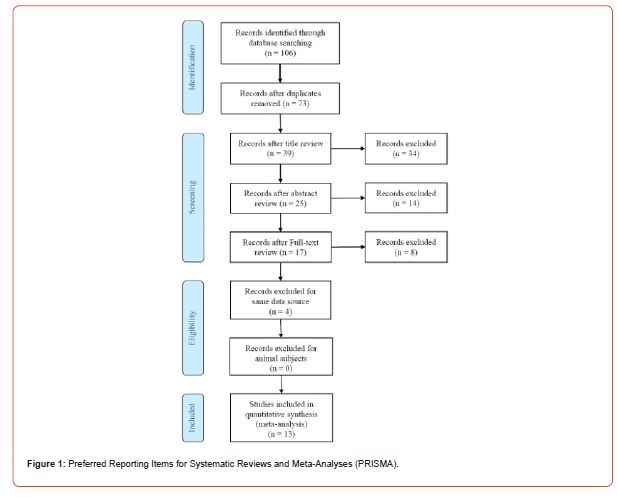
To examine the relationship between lifestyle and behavior with common eye diseases, a systematic literature review was conducted. Electronic databases including PubMed, Cochrane, Web of Science, Scopus, Embase, and Google Scholar were searched for articles published from January 2019 to December 2023. The search strategy employed Medical Subject Headings (MeSH) terms and relevant keywords to identify studies focusing on the impact of lifestyle and behavior on ocular health. This systematic review was preregistered (ID: CRD42024514337) in the PROSPERO International Prospective Register of Systematic Reviews. Please consult Figure 1 for a graphical depiction of the Preferred Reporting Items for Systematic Reviews and Meta-Analyses (PRISMA).
Inclusion criteria encompassed original research articles, systematic reviews, and meta-analyses involving human subjects and containing pertinent data within the specified timeframe. Exclusion criteria excluded conference abstracts, studies lacking relevant outcome data, significance, or involving non-human subjects. Two independent reviewers conducted an initial screening of 73 records based on titles and abstracts, followed by a full-text examination, resulting in the identification of 17 relevant records. Studies with overlapping data sources and those involving animal subjects were further excluded, resulting in 13 studies included in the systematic literature review.
Data extraction included study characteristics, patient demographics, lifestyle and behavioral factors examined, and their associations with common eye diseases. Any reported ocular health improvements or complications were also recorded. Discrepancies in data extraction were resolved through discussion and consensus. The synthesis of included studies was qualitative, focusing on elucidating the relationship between lifestyle, behavior, and common eye diseases.
Results
The influence of exercise on the ocular surface, encompassing the corneal and conjunctival regions, constitutes a relatively underexplored domain in the context of ocular health. Nevertheless, the interplay between physical activity and the ocular surface can be elucidated through various indirect mechanisms. Exercise can potentially impact the ocular surface through several avenues. Firstly, the alteration in respiratory patterns and mouth breathing that often accompanies exertion may contribute to a reduction in the natural blink rate. This phenomenon can lead to elevated tear film evaporation, potentially exacerbating dry eye symptoms. However, it is paramount to note that moderate, routine exercise is unlikely to engender a profound diminution in tear production, and judicious hydration practices should be upheld to mitigate these effects. Secondly, vigorous or protracted exercise may elicit systemic inflammatory responses in the body, consequently influencing the ocular surface. Inflammatory mediators generated during exercise may be instrumental in local ocular discomfort or redness. Counterintuitively, certain studies posit that regular, moderate exercise may confer an anti-inflammatory influence, potentially bolstering ocular surface health [3,4].
Furthermore, the issue of hydration during exercise cannot be understated. Dehydration, a common byproduct of strenuous physical activity, augments susceptibility to dry eye symptoms by impinging on tear production. The maintenance of adequate hydration before, during, and after exercise is indispensable in safeguarding ocular surface integrity. Moreover, it is imperative to consider individuals who engage in exercise while utilizing contact lenses. In such cases, the lenses may experience dehydration or dislodgment due to augmented eye movement and blinking. For this demographic, the selection of appropriate moisture-retaining lenses and contemplation of prescription sports goggles for specific activities are measures that should be contemplated to enhance comfort and safety [5].
Discussion
Nutrition exerts a pivotal influence on the integrity and sustenance of the ocular surface, encompassing the delicate corneal and conjunctival tissues. The ocular surface’s structural and functional attributes are contingent upon an array of specific dietary constituents, each of which contributes to its overall health. Omega-3 fatty acids, notably sourced from fatty fish, flaxseeds, and walnuts, are renowned for their anti-inflammatory properties and hold particular relevance in the realm of ocular health. These fatty acids underpin the maintenance of a robust tear film, thereby attenuating the risk of dry eye syndrome. Moreover, vitamins and antioxidants such as A, C, and E, coupled with lutein and zeaxanthin, found in a spectrum of fruits, vegetables, and leafy greens, partake in shielding the ocular surface against oxidative stress [6]. This nutritional matrix not only contributes to the health of the corneal and conjunctival tissues but also mitigates the susceptibility to ocular pathologies, including cataracts and age-related macular degeneration. Essential minerals such as zinc are equally indispensable, as they play a pivotal role in the upkeep of ocular surface tissues and are pivotal in ocular wound healing. Proper hydration and the balanced intake of protein, both foundational dietary constituents, are intrinsically connected to the maintenance of the tear film and the structural integrity of ocular surface tissues, respectively [7].
The presence of dry eye syndrome, or keratoconjunctivitis sicca, presents noteworthy considerations in the domain of eyelid cosmetic surgery, particularly about blepharoplasty procedures [8,9]. Dry eye syndrome is characterized by an inadequate production of tears or an impairment in tear quality, thereby engendering ocular symptoms such as ocular discomfort, burning, itching, and redness. The intricate nature of the ocular surface’s homeostasis underscores its critical role in the healing process following surgical intervention. A salient consequence of dry eye syndrome in the context of eyelid cosmetic surgery is the heightened susceptibility of patients to post-operative complications. Surgical manipulation of the eyelid anatomy can perturb the tear film’s stability, potentially aggravating extant dry eye symptoms or provoking the onset of post-operative ocular discomfort. Furthermore, the manifestation of protracted healing and susceptibility to infections is more pronounced in individuals with compromised tear film integrity. It is imperative for surgeons to conduct a comprehensive preoperative evaluation to gauge the extent of dry eye and customize surgical approaches accordingly. Patients exhibiting moderate to severe dry eye may be advised to pursue therapeutic interventions aimed at ameliorating their condition before undergoing cosmetic eyelid procedures. Such meticulous pre-operative assessment, combined with precise surgical techniques and post-operative eye care regimens, is essential to obviate the implications of dry eye syndrome and engender favorable surgical outcomes [10].
In a comparative analysis of various behavioral change models and theories, it becomes apparent that each model possesses inherent strengths and limitations. An integrative approach that combines elements from multiple models provides a more personalized and effective framework for behavior change. The selection of the most suitable model or combination of models should be guided by the specific needs and preferences of the client. Furthermore, the consideration of psychological factors, such as emotions and personality, is paramount in the design of behavior change plans [11]. For instance, the Rubicon model, which considers the relative importance of a particular result, offers a nuanced approach to behavior change. Social causality hypotheses elucidate the intricate interplay between socioeconomic status, personality, and occupational factors in influencing health behaviors. Additionally, the meta-theoretical model, when incorporated into behavioral change plans, provides a well-defined structure based on distinct stages [12].
In the context of ocular health, the utilization of models such as the Health Action Process Approach (HAPA) and Protection Motivation Theory (PMT) is invaluable. These models take into account threat appraisal and coping appraisal, allowing for a comprehensive understanding of the patient’s psychological processes. Moreover, the incorporation of motivational patterns, such as the Revised Reinforcement Sensitivity Theory (r-RST), behavioral activation systems (BAS), and behavioral inhibition systems (BIS), can facilitate gradual self-efficacy development, thus enhancing behavior change [13].
Conclusions
This review elucidates the profound impact of lifestyle behaviors on common eye diseases, emphasizing the significant role of exercise, screen time management, emotional well-being, and nutrition. Regular aerobic exercise emerges as a crucial factor in promoting ocular health by enhancing blood circulation and reducing the risk of glaucoma and age-related macular degeneration, while also mitigating stress-related ocular symptoms. Conversely, excessive screen time is associated with adverse effects such as eye strain and dry eye syndrome, underscoring the importance of balanced screen time habits. Positive emotional states and a nutrient-rich diet, particularly rich in omega-3 fatty acids, vitamins, antioxidants, and minerals, are identified as critical components in maintaining ocular health and preventing ocular pathologies. Considerations for patients undergoing eyelid cosmetic surgery with pre-existing dry eye syndrome highlight the necessity of pre-operative evaluation and management to optimize surgical outcomes.
Acknowledgement
None.
Conflict of Interest
Authors declare no conflict of interest.
References
- Cui B, Yan H (2022) Research progress of the effect of exercise on prevention of age-related macular degeneration. [Zhonghua yan ke za Zhi] Chinese Journal of Ophthalmology 58(12): 1079-1083.
- Tseng VL, Yu F, Coleman AL (2020) Association between exercise intensity and glaucoma in the National Health and Nutrition Examination Survey. Ophthalmology Glaucoma 3(5): 393-402.
- Camp A, Wellik SR, Tzu JH, Feuer W, Arheart KL, et al. (2015) Dry eye specific quality of life in veterans using glaucoma drops. Contact Lens and Anterior Eye 38(3): 220-225.
- Kawashima M, Sano K, Takechi S, Tsubota K (2018) Impact of lifestyle intervention on dry eye disease in office workers: a randomized controlled trial. Journal of occupational health 60(4): 281-288.
- Kawashima M, Uchino M, Yokoi N, Uchino Y, Dogru M, et al. (2015) Associations between subjective happiness and dry eye disease: a new perspective from the Osaka study. PloS one 10(4): e0123299.
- Lee EunKyung LE, Choi Jeong Hwa CJ, Heo YoungRan HY (2012) Intake of fruits and vegetables may modify the risk of cataract in Korean males: data from Korean National Health and Nutrition Examination Survey 2019.
- Beebe DC (1998) Nuclear cataracts and nutrition: hope for intervention early and late in life. Investigative ophthalmology & visual science 39(9): 1531-1534.
- Niazi F, Foster JA, Nahai F, Nahai FR, Doroodgar F, et al. (2023) From addressing aesthetics and soft tissue to visual performance: multifaceted satisfaction assessment in a multicenter study of patients with dermatochalasis. Aesthetic Surgery Journal 43(7): 719-728.
- Nahai F, Niazi F, Nahai F, Niazi S, Doroodgar F, et al. (2023) An Overview of Surgical Approaches for Lower Eyelid Blepharoplasty. Aesthetic Surgery Journal 43(12): 1429-14240.
- Jindal K, Sarcia M, Codner MA (2014) Functional considerations in aesthetic eyelid surgery. Plastic and reconstructive surgery 134(6): 1154-1170.
- Klusmann V, Gow AJ, Robert P, Oettingen G (2021) Using theories of behavior change to develop interventions for healthy aging. The Journals of Gerontology: Series B 76(Supplement_2): S191-S205.
- Keller L, Gollwitzer PM, Sheeran P (2020) Changing behavior using the model of action phases. The handbook of behavior change 2: 77-88.
- Serrano-Ibáñez ER, Ramírez-Maestre C, López-Martínez AE, Esteve R, Ruiz-Párraga GT, et al. (2018) Behavioral inhibition and activation systems, and emotional regulation in individuals with chronic musculoskeletal pain. Frontiers in Psychiatry 9: 394.
-

This work is licensed under a Creative Commons Attribution-NonCommercial 4.0 International License.




