


 Research Article
Evaluating the Tensile Strength of Three 5-0 Nylon Sutures used in Dentistry: Simple Interrupted, Vertical Mattress, and Figure-Of-Eight – An In Vitro Study
1 Postgraduate Program in Dental Clinics, University Center of State of Pará, Belém, PA, Brazil
2 School of Dentistry, University Center of State of Pará, Belém, PA, Brazil
3 School of Dentistry, Metropolitan University Center of the Amazon, Belém, PA, Brazil
4 Postgraduate Dentistry Program, CEUMA University, São Luís, MA, Brazil
Received Date:October 01, 2025; Published Date:October 13, 2025
Abstract
Among the characteristics of sutures used in dental surgery, tensile strength is one of the most important, as it is directly related to their ability to withstand the stress exerted by tissue forces and maintain adequate wound closure. The aim of this in vitro study was to compare the tensile strength of the most commonly used 5-0 nylon sutures in dentistry, providing experimental evidence that may assist clinicians in selecting the most appropriate material for clinical use. The tests were carried out using a universal testing machine (KRATOS®), in which the sutures were carefully positioned, fixed, and pulled until rupture under standardized laboratory conditions. The results showed statistically significant differences among the three groups (p. Analysis of the resistance limit of the different sutures for each suture type showed that, in simple interrupted sutures, the resistance limit was lower in the Ethicon® suture compared with Shalon® and Techsuture®. When elongation was analyzed in the simple interrupted sutures, vertical mattress, and figure-of-eight sutures, no statistically significant difference was found among them. Analysis of the maximum force for each suture type showed that, for the Ethicon® suture, the maximum force was greater in the vertical mattress than in the figure-of-eight suture. For the Shalon® suture, the maximum force was greater in the simple interrupted sutures than in the vertical mattress suture, between which no statistically significant difference was observed. With the Techsuture®, no statistically significant difference in maximum force was observed among the simple interrupted sutures, vertical mattress, and figure-of-eight sutures. Based on the data obtained in this experimental laboratory study, it was concluded that Techsuture® and Shalon® performed better than Ethicon®, and Techsuture® presented the best averages, demonstrating superior biomechanical behavior.
Keywords:Tensile strength; Nylon sutures; Suture techniques; Dentistry; In vitro study; Simple interrupted Vertical mattress; Figure-of-eight
Introduction
Dieresis, hemostasis, and synthesis are the fundamental principles guiding surgical procedures, where proper closure and stabilization of the wound margins in their desired position are mandatory for successful surgical procedures. In oral surgery, wound healing depends heavily on the formation, organization, and stability of the blood clot during the early postoperative phases. This allows the formation of a matrix that connects the wound edges, enhances cell adhesion, and promotes tissue resistance to functional stress [1].
The opening of a wound, whether surgical or traumatic, requires the approximation of tissues using sutures to control bleeding and the subsequent repair. The goal of suturing is to close the wound edges, provide protection, and maintain adequate apposition until healing is sufficient to withstand functional stresses. Suture thread remains the material most commonly used for this purpose in dental surgery [2].
Considering the various characteristics inherent in a suture, such as flexibility, hypo allergenicity, stability, among others, tensile strength is one of the most important for holding surgical flaps in position until they are removed. Therefore, it is essential to maintain wound margin approximation with materials that provide an acceptable level of tensile strength while inducing minimal tissue reaction. The selection of suture material should focus on the physical and biomechanical characteristics that contribute to better wound healing [3].
In periodontal surgery, wound healing depends largely on the formation and stability of the blood clot during the healing process, which is most critical in the first 72 hours after surgery [4], when a matrix that connects the margins of the wounds is formed, increasing the cellular adhesion and restoring the tissue resistance to functional stress. When the adhesion of the clot is insufficient, it may compromise tensile strength during the initial stage of the healing process and, as a consequence, lead to the possibility of suture rupture and separation of the edges [5]. Therefore, selecting the correct suture material, especially in buccal procedures, must be done with care because this region differs from other parts of the human body due to the presence of saliva, the specific microbiota, the high vascularization, as well as its functions related to speech, chewing, and swallowing [6].
An ideal suture thread should be easy to handle, secure in knotting, strong enough to maintain closure, minimally irritating to tissues, and capable of resisting tension without breaking. Furthermore, the morphology of a material’s fracture after being subjected to load or deformation plays a decisive role in determining its mechanical behavior [7].
Gonzalez-Barnadas et al. [8] created an in vitro study to evaluate the tensile strength of different suture techniques (simple interrupted, vertical mattress, and their combination, named figure-in-eight), comparing various materials (silk, polyamide monofilament, polyamide multifilament, and e-PTFE) with different diameters (4.0 and 5.0). In addition, the study also attempted to identify what event occurred after a tensile force of 5mm: breakage, unraveling, or nothing. After traction was applied, polyamide monofilament resisted significantly better without untying or breaking if compared to silk and polyamide multifilament, while e-PTFE was superior to all others. Except for e-PTFE, 4-0 sutures showed greater tensile strength than 5-0 sutures [9].
Given this scenario, where tensile strength characteristics are fundamental for the proper selection of material and technique during dental surgical procedures, the objective of this in vitro study is to evaluate the tensile strength of three suture techniques using three types of nylon threads from different commercial brands with a diameter of 5-0.
One of the most important aspects of suture materials used in surgeries is their tensile strength, as this directly affects the outcome of healing results, whether successful or unsuccessful, especially when performing anastomoses between facial tissues [10].
Monofilament sutures induce less tissue reaction and present a lower risk of infection when compared to multifilament sutures. However, they have lower knot-tying strength and lower tissue traction, and their cut ends can irritate the mucosa, causing ulceration. Multifilament sutures are easier to handle and tie because they have less flexural rigidity, allowing them to form a stable knot. However, its braided structure often facilitates the accumulation of debris or bacteria in the foods [11].
The handling of the thread is determined by three properties: its memory, elasticity, and knot tension. Memory refers to the tendency to maintain its position—the greater the memory, the more difficult it is to tie knots and maintain their tension. Elasticity refers to the possibility of returning to the initial position after the suture has been stretched—an elastic effect, in which it maintains suture tension in areas with volume variations (edema). Knot tension is the force required for a knot to slip. When we have to choose between absorbable and non-absorbable threads, we must consider: the necessary time for the wound to heal, the tension supported by the tissues during the healing process, and the necessity of a permanent or a temporary suture to ensure mechanical support [7].
Thus, suture threads are classified according to certain parameters as: structure, origin of the material, and permanence in the tissues. According to their degradation, they are classified as: absorbable and non-absorbable. Depending on the material, they can be synthetic or natural. In terms of their physical configuration, i.e., according to their filament, they are monofilament (associated with lower risk of infection and less tissue trauma), and multifilament (associated with greater resistance to tension, greater flexibility, and better handling) [7].
This way, knowing about the different types of suture threads commonly used in dental surgeries and their properties becomes an important requirement for dental surgeons. When they have to choose, they must select the thread that will best maintain its resistance until the wound has healed [9].
The low tensile strength of suture threads used in dentistry can cause complications during surgical procedures and delay patients’ postoperative recovery. Loss of tensile strength during healing can hinder repair, creating an environment conducive to infections and excessive bleeding [6].
Materials and Methods
An in vitro study was conducted to evaluate the tensile strength of three suture techniques: simple suture, vertical mattress suture, and figure-in-eight suture. Three types of suture threads from different commercial brands were used, all with a thickness of 5-0 and nylon composition. The methodology applied was based on the study conducted by Gonzalez-Barnadas et al. [8].
Preparation of test specimens
To conduct the experiments, two test specimens were made and printed in resin using a Phrozen Sonic Mini 4K 3D printer (OdontoMega, Ribeirão Preto, São Paulo, Brazil). Five perforations were made in each block, placed 4mm apart and 3mm from the outer edge of the test specimen, so that the different suture techniques evaluated could be performed, as shown in the figure below.

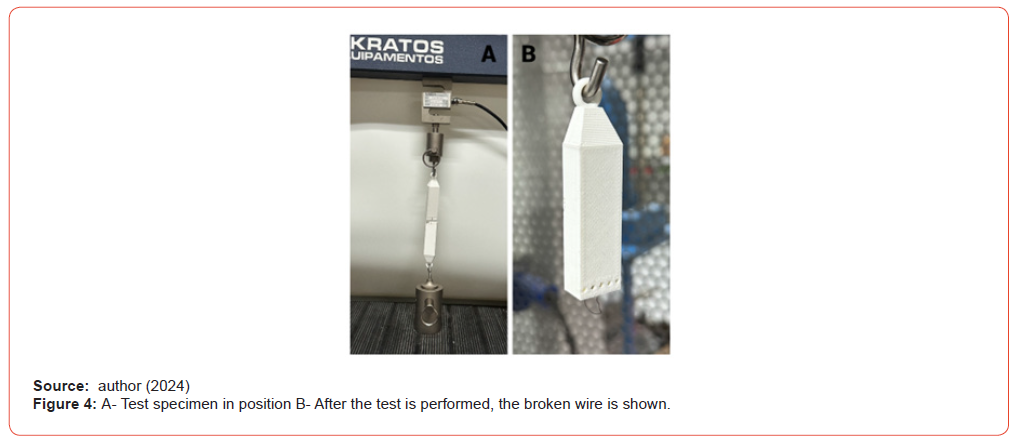
The device used to test the sutures was the Kratos Model KE universal testing machine (Cotia, São Paulo, Brazil), where the blocks were positioned in opposite directions (one fixed and one mobile) to measure the maximum tensile strength, as shown in Figure 2.

Sample calculation
Based on the sample calculation by Kim et al., which had an alpha error of 0.01 and a power of 0.99, ten sutures were required in each experimental group.
Suturing
Two researchers (G.S.O.C. and W.A.S.) independently performed 90 sutures under the same environmental conditions, using the following commercial brands: Shalon (São Luís de Montes Belos, Goiás, Brazil), Ethicon (Raritan, New Jersey, United States), and Techsuture (Bauru, São Paulo, Brazil). For each brand, 10 sutures were performed in each experimental group (simple suture, vertical mattress suture, and figure-in-eight suture), as shown in Table I below (Table 1). All sutures were tied with a triple knot (clockwise, counterclockwise, clockwise) and cut, leaving a safety margin of 5mm.
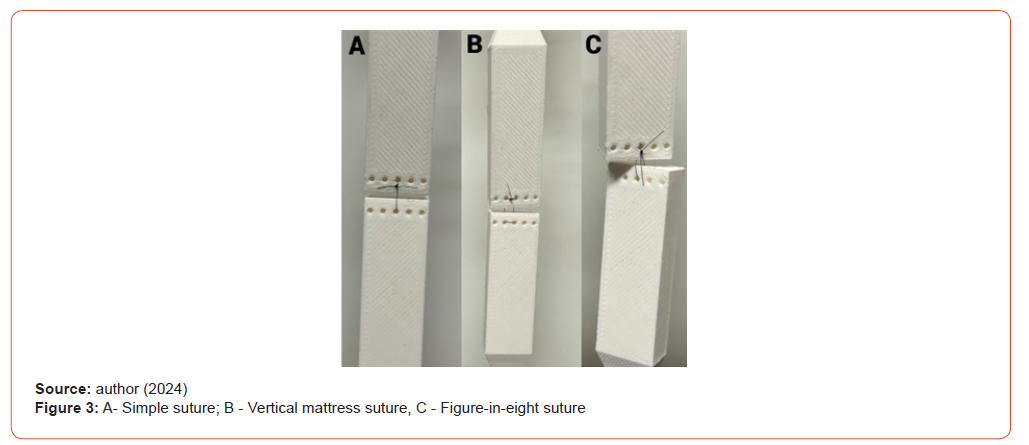
Table 1:Brands evaluated and number of sutures performed.

Source: author (2024)
Tensile strength test
The test bodies were positioned so that one was fixed and the other attached to the microtensile testing device, and then moved in opposite directions. The traction was performed at a speed of 2.46mm/min to reach a maximum of 5mm. The displacement that occurred was recorded (breakage, untying, or nothing). The maximum load (in N) was recorded when the suture untied or broke.
Statistical analysis
The numerical data were entered into spreadsheets, and the results for maximum force, resistance limit, and elongment were evaluated for normality using the Shapiro-Wilk test. Comparisons of these three variables between the types of sutures and brands investigated were performed using ANOVA or Kruskal-Wallis tests, for cases in which the samples followed parametric and nonparametric distributions, respectively.
Pairwise comparisons using the T-test or Wilcoxon Mann- Whitney test (for parametric and non-parametric samples, respectively) were performed in cases where ANOVA or Kruskal- Wallis were significant. Pairwise comparisons were corrected for False Discovery Rate (FDR).
All tests and graphs were performed using R software (see 4.1.1), and results with p-values < 0.05 were considered statistically significant.
Results
The analysis of the maximum strength in the different threads for each type of suture showed that, in simple sutures, the maximum strength was lower in Ethicon® thread when compared to Shalon® and Techsuture® threads (p=0.003 and p<0.0001, respectively), which in turn did not show a statistically significant difference between them (p=0.62) (Figure 5A).
In vertical mattress sutures, the maximum strength was higher in Techsuture® thread compared to Ethicon® thread (p=0.006), which in turn was higher when compared to Shalon® thread (p<0.001) (Figure 5B). In the figure-in-eight suture, the maximum strength was higher in the Techsuture® suture compared to the Ethicon® suture (p=0.002), and higher than the Shalon® suture, but without a significant difference (p=0.146), among which there was no statistically significant difference (p=0.114) (Figure 5C). The data are shown in Table 2 and represented in Figure 5.

Table 2:Brands evaluated and number of sutures performed.

Source: author (2024)
The analysis of the breaking strength of the different suture materials for each type of suture showed that, in simple sutures, the resistance limit was lower in Ethicon® thread when compared to Shalon® and Techsuture® threads (p=0.003 and p<0.0001, respectively), which in turn did not show a statistically significant difference between them (p=0.65) (Figure 6A). In vertical mattress sutures, the resistance limit was higher in Techsuture® thread compared to Ethicon® thread (p=0.005), which, in turn, was higher when compared to Shalon® thread (p<0.001) (Figure 6B). In the figure-in-eight suture, the resistance limit was higher in Techsuture® suture compared to Ethicon® suture (p=0.002), but not higher than Shalon® suture (p=0.146), among which there was no statistically significant difference (p=0.114) (Figure 6C). The data are shown in Table 2 and represented in Figure 6.

When analyzing the elongment in simple, vertical mattress, and figure-in-eight suture types, Ethicon®, Shalon®, and Techsuture® sutures did not show statistically significant differences between them (p>0.05) (Figure 7 A-C).
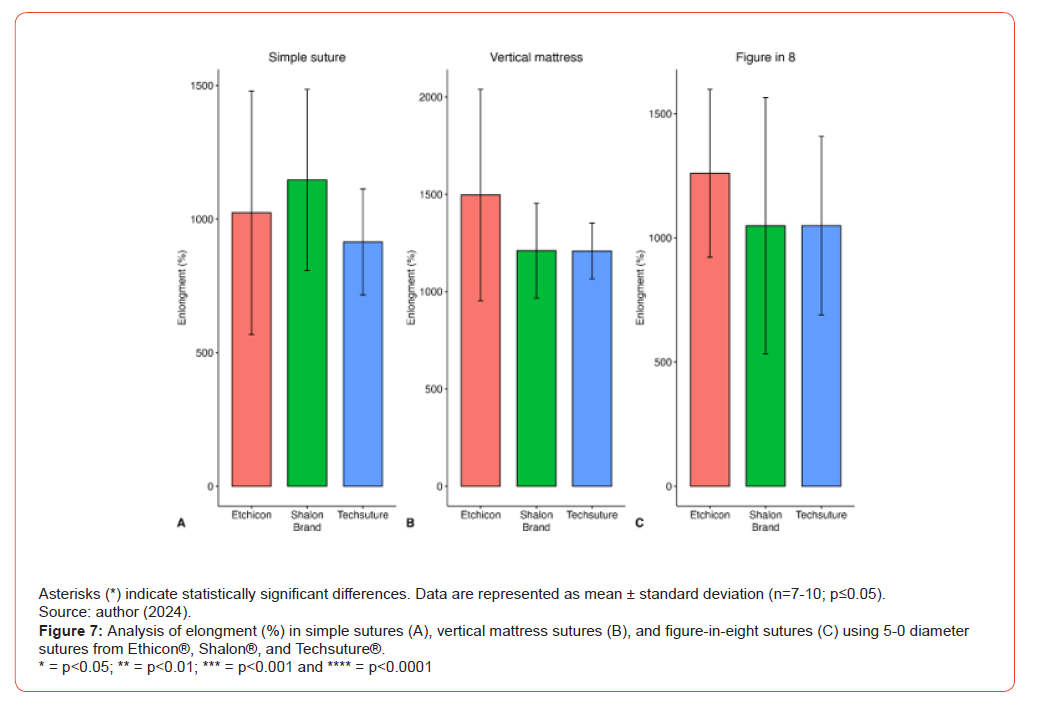
Table 3:Resistance limit (Mpa) for each brand among the types of sutures.

Source: author (2024)
Table 4:Elongment (%) for each brand among the types of sutures.

Source: author (2024)
Analysis of the maximum strength in the types of suture for each thread showed that, in Ethicon® thread, the maximum strength was greater in the vertical mattress suture when compared to the figure- in-eight suture (p<0.001), which was greater when compared to the simple suture (p=0.015) (Figure 8A). In Shalon® thread, the maximum strength was higher in the single-stitch suture when compared to the vertical mattress suture (p=0.003), but not higher than the figure-in-eight (p=0.070), among which there was no statistically significant difference (p=0.070) (Figure 8B). With Techsuture ® suture, there was no statistically significant difference in maximum strength between simple, vertical mattress, and figurein- eight sutures (p>0.05) (Figure 8C). The data are shown in Table 4 and represented in Figure 8.
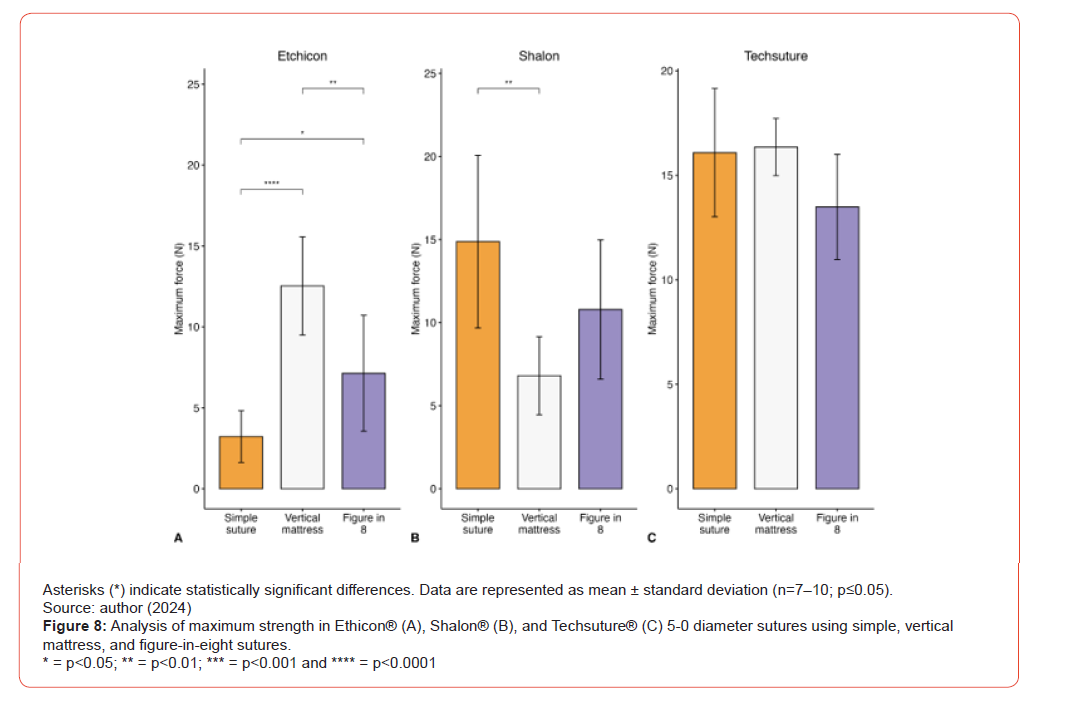
Table 5:Maximum strength (N) for each type of suture between brands.

Source: author (2024)
The analysis of the resistance limit in the types of suture for each thread showed that, in the Ethicon® thread, the resistance limit was higher in the vertical mattress suture when compared to the figure-in-eight suture (p=0.001), which in turn was higher when compared to the simple suture (p=0.015) (Figure 8A). In Shalon® thread, the resistance limit was higher in the single-stitch suture when compared to the vertical mattress suture (p=0.003), but not higher than the figure-in-eight (p=0.070), among which there was no statistically significant difference (p=0.070) (Figure 8B). In Techsuture® sutures, there was no statistically significant difference in the strength limit between simple stitches, vertical mattress stitches, and figure in 8 stitches (p>0.05) (Figure 8C). The data are shown in Table 5 and represented in figure-in-eight.

Table 6:Resistance limit (Mpa) for each type of suture between brands.

Source: author (2024)
When analyzing the elongment of Ethicon®, Shalon®, and Techsuture® sutures, the simple, vertical mattress, and figure-ineight suture types did not show a statistically significant difference between them (p>0.05) (Figure 9A-C).
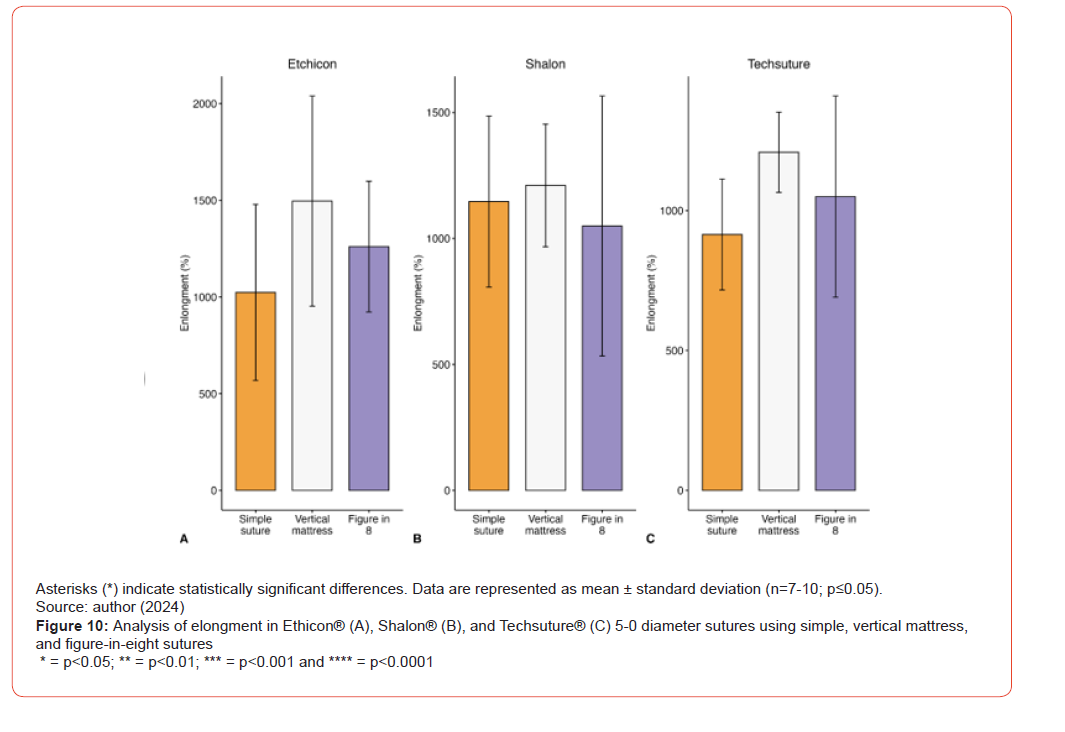
Table 7:Elongment (%) for each type of suture between brands.

Source: author (2024)
Discussion
The use of suture threads in buccal procedures is an essential practice to practice to ensure proper tissue healing and postoperative stability. The choice of the proper suture material is influenced by several properties as tensile strength, elasticity, biocompatibility, and ease of handling during procedures. In this context, the analysis of the applied tension in suture threads during and after surgical procedures is fundamental to evaluate their effectiveness and safety. A comparative analysis of the results obtained in this study with the available literature reveals important considerations regarding the mechanical behavior of suture threads in dental procedures.
The experimental study evaluated the maximum strength, breaking strength, and elongment of three types of suture threads (Ethicon®, Shalon®, and Techsuture®) in three suture techniques (simple stitch, vertical mattress, and figure-in-eight suture). The data were statistically analysed, with significance set at p<0.05. The literature review was made using published articles in indexed journals, addressing the mechanical properties of suture threads and their application in dental procedures. The analysis of the results obtained in the experimental research about the tension suture in buccal procedures reveals convergent and divergent points, if compared with the specialized literature, allowing a profound discussion on the mechanical properties of the evaluated materials and their clinical implications.
In simple suture, the results indicated that Etchicon® had lower maximum strength and breaking strength compared to Shalon® and Techsuture® sutures (p=0.003 and p<0.0001, respectively). This finding is consistent with the study made by Mafredini et al. [12], which evaluated the breaking strength of different suture threads and observed that synthetic materials, as Techsuture®, tend to offer greater tensile strength compared to conventional threads. Furthermore, the absence of a statistically significant difference between Shalon® and Techsuture® sutures (p=0.62 and p=0.65, respectively) corroborates the findings of Carr et al. [13], who highlighted the importance of mechanical property homogeneity in basic suturing techniques, such as the simple stitch.
In vertical mattress sutures, Techsuture® thread demonstrated superiority in terms of maximum strength and breaking strength compared to Ethicon® (p=0.006 and p=0.005, respectively), which, in turn, outperformed Shalon® (p<0.001). These results are in line with the systematic review by Alsarhan [14], which identified that synthetic materials, such as Techsuture®, as more resistant in techniques that require greater tension, such as vertical mattress sutures. The greater resistance of Techsuture® can be attributed to its composition and molecular structure, which provide greater durability and the ability to withstand high loads, as discussed by Arce et al. [15] in their comparative study between PTFE (Teflon®) sutures and other materials.
In the figure in 8 suture, Techsuture® also showed greater maximum strength and breaking strength compared to Ethicon® (p=0.002), but did not differ significantly from Shalon® (p=0.146). This result suggests that, although Techsuture® is superior in more complex techniques, such as the vertical mattress suture, its advantage is less pronounced in intermediate sutures, such as the figure-in-eight suture. This finding is consistent with the study by Takeuchi et al., which highlighted the importance of tension distribution in more elaborate suture techniques, such as vertical mattress sutures, compared to intermediate techniques, such as the figure-in-eight sutures.
When analyzing the maximum strength and resistance limit by suture type for each thread, Ethicon® showed the best performance in vertical mattress sutures, followed by figure-in-eight sutures and, finally, simple stitches (p<0.001 and p=0.015, respectively). This pattern can be explained by the greater distribution of tension in more complex techniques, such as vertical mattress sutures, as discussed by Takeuchi et al. [16]. In the case of Shalon®, the maximum strength was higher in simple sutures (p=0.003), but there was no significant difference with figure-in-eight sutures (p=0.070). Techsuture®, on the other hand, showed no significant variations between techniques (p>0.05), indicating its versatility and adaptability to different surgical contexts, as highlighted by Randhawa et al. [17].
In the laboratory test, Techsuture® suture did not show significant variations in maximum strength and breaking strength between the simple stitch, vertical mattress, and figure-in-eight suture techniques (p>0.05). This result differs from the findings of Takeuchi et al. [16], who observed that the tensile strength of synthetic sutures varies significantly depending on the suture technique used. This divergence can be explained by differences in the composition of Techsuture® used in the laboratory test compared to the materials evaluated by Takeuchi et al. [16], or even by variations in experimental conditions, such as the load applied and the method of fixing the sutures.
Another point of divergence refers to the performance of Shalon® suture in figure-in-eight sutures. In laboratory testing, Shalon® showed no significant differences in maximum strength and breaking strength compared to Techsuture® (p=0.146 and p=0.114, respectively). However, studies such as those by de Faris et al. [18] and Randhawa et al. [17] suggest that synthetic sutures, such as Techsuture®, tend to outperform conventional sutures, such as Shalon®, in intermediate techniques, such as figurein- eight sutures. This discrepancy may be related to the suture technique used in the laboratory test, which may have influenced the distribution of tension differently compared to previous studies.
The analysis of the egation of Ethicon®, Shalon®, and Techsuture® sutures did not reveal statistically significant differences between them (p>0.05) in any of the suture techniques evaluated. This result is relevant because it suggests that the elasticity of the sutures is comparable, regardless of the material. Studies such as those by Alves et al. [4] and Castro et al. [19] had already pointed out that elongment capacity is a critical property for preventing premature suture rupture during healing, especially in regions subject to frequent movement, such as the oral cavity. The absence of significant differences in elongment between the sutures evaluated reinforces the idea that elasticity is a relatively uniform property among modern suture materials, as observed by Kim et al. [11].
The results obtained are consistent with the specialized literature, which emphasizes the importance of selecting the appropriate suture thread based on the mechanical properties and specific demands of each procedure. For example, Arce et al. [15] compared the tensile strength of PTFE (Teflon®) sutures with other materials and observed that synthetic materials tend to offer greater resistance in techniques that require greater tension, such as the vertical mattress suture. Similarly, Dragovic et al. [10] highlighted that biocompatibility and resistance to microbial colonization are critical factors in the choice of suture, especially in dental procedures.
Although laboratory testing did not identify statistically significant differences in elongment between Ethicon®, Shalon®, and Techsuture® sutures (p>0.05), the literature suggests that synthetic materials, such as Techsuture®, may exhibit greater elasticity compared to conventional sutures. This is evident in the conclusions of Alves et al. [4] and Castro et al. [19], who highlighted that elongment capacity is a critical property for preventing premature suture rupture during healing, especially in regions subject to frequent movement, such as the oral cavity. The absence of significant differences in the laboratory test can be attributed to the methodology used to measure elongment, which may not have been sensitive enough to detect subtle variations between the types of materials analyzed.
However, the absence of significant differences in elongment between the threads evaluated reinforces the idea that elasticity is a relatively uniform property among modern suture materials, as observed in the study by Kim et al. [11]. Nevertheless, as discussed by Campos et al. [20], it is important to emphasize that the choice of suture should consider not only mechanical properties, but also factors such as ease of handling, cost, and availability, as well as clinical aspects of the patient that may require a more specific suture material for each type of condition.
In contrast, while laboratory testing identified that Shalon® had significantly higher maximum strength and breaking strength than Ethicon® (p=0.003 and p<0.0001, respectively), but no statistically significant difference compared to Techsuture® (p=0.62 and p=0.65), the literature suggests that synthetic materials, such as Techsuture®, tend to outperform conventional sutures in all suturing techniques. For example, Alsarhan14 and Arce et al.15 highlighted that synthetic sutures, such as PTFE (Teflon®), have greater tensile strength compared to polyester or polyamide sutures, such as Shalon®. This divergence can be explained by differences in the specific composition of the sutures evaluated or by variations in experimental conditions, such as the load applied and the method of suture fixation during testing.
Another point of divergence concerns the performance of Ethicon® suture in vertical mattress sutures. In laboratory testing, Ethicon® showed lower maximum strength and breaking strength than Techsuture® (p=0.006 and p=0.005, respectively), but higher than Shalon® (p<0.001). However, studies such as those by Kim et al. [11] and Manfredini et al. [12] suggest that polyamide sutures, such as Ethicon®, tend to perform worse in techniques that require greater tension, such as vertical mattress sutures, compared to synthetic sutures. This discrepancy may be related to the suture technique used in the laboratory test, which may have influenced the distribution of tension differently compared to previous studies.
In summary, comparative analysis of these results with existing literature reveals important consistencies and highlights areas that warrant further investigation. The variability in material performance depending on the suturing technique employed suggests the need for an individualized approach to material selection for specific procedures. The versatility and efficiency of Techsuture® in techniques that require greater tensile strength, such as vertical mattress sutures, suggest that this material may be preferable in more complex procedures or regions subject to greater tension. On the other hand, the physical properties demonstrated by the use of Shalon® sutures in simple and figure-in-eight suture make it a viable option for less demanding procedures. Ethicon®, despite having lower resistance compared to other sutures, may be suitable in situations where elasticity and ease of handling are priorities.
Between convergences and discrepancies within what was obtained by experimental research and the results presented by the selected bibliography, with study approaches also dedicated to the analysis of tensile strength in suture threads used in dental interventions, the findings reinforce the importance of careful selection of suture material, considering not only the mechanical properties but also the clinical and operational characteristics of each procedure and clinical situation.
Conclusion
We concluded that Techsuture suture thread has greater resistance to tensile testing when compared to others, and is recommended when greater tissue traction and resistance are required.
Acknowledgement
The authors would like to express their sincere gratitude to Luiz Felipe Almeida and the Civil Engineering Laboratory of CESUPA Argo for their valuable technical assistance during the experiments.
Conflict of Interest
No Conflict of Interest
References
- Selvig KA, Kersten BG, Chamberlain ADH, Wikesjö UME, Nilvúus RE (1992) Regenerative Surgery of Intrabony Periodontal Defects Using ePTFE Barrier Membranes: Scanning Electron Microscopic Evaluation of Retrieved Membranes Versus Clinical Healing. J Periodontol 63(12): 974-978.
- Kurtzman GM, Silverstein LH, Shatz PC, Kurtzman D (2005) Suturing for surgical success. Dentistry Today 24(10): 96-102 quiz 103.
- Hans R, Thomas S, Garla B, Dagli RJ, Hans MK (2016) Effect of Various Sugary Beverages on Salivary pH, Flow Rate, and Oral Clearance Rate amongst Adults. Scientifica (Cairo) 5027283.
- Alves AP, Sá MJC, Fook MVL, Felipe GC, Henrique FV, et al. (2017) Biomechanical and dimensional evaluation of chitosan-based suture thread. Brazilian Archives of Veterinary Medicine and Animal Science 69(4): 896-900.
- Gallo S, Pascadopoli M, Pellegrini M, Pulicari F, Manfredini M, et al. (2022) Latest Findings of the Regenerative Materials Application in Periodontal and Peri-Implant Surgery: A Scoping Review. Bioengineering (Basel, Switzerland) 9(10): 594.
- Silverstein LH, Kurtzman GM, Shatz PC (2009) Suturing for optimal soft-tissue management. J Oral Implantol 35(2): 82-90.
- Barros M, Gorgal R, Machado AP, Correia A, Montenegro N (2011) Surgical basic skills: Surgical sutures. Acta Medica Portuguesa 24 Suppl 4: 1051-1056.
- González Barnadas A, Camps Font O, Espanya Grifoll D, España Tost A, Figueiredo R, et al. (2017) In Vitro Tensile Strength Study on Suturing Technique and Material. J Oral Implantol 43(3): 169-174.
- Dunn D, Phillips J (2004) Wound Closure Manual. ETHICON.
- Dragovic M, Pejovic M, Stepic J, Colic S, Dozic B, et al. (2020) Comparison of four different suture materials in respect to oral wound healing, microbial colonization, tissue reaction and clinical features-randomized clinical study. Clin Oral Investig 24(4): 1527-1541.
- Kim JC, Lee YK, Lim BS, Rhee SH, Yang HC (2007) Comparison of tensile and knot security properties of surgical sutures. J Mater Sci Mater Med 18(12): 2363-2369.
- Manfredini M, Ferrario S, Beretta P, Farronato D, Poli PP (2022) Evaluation of Breaking Force of Different Suture Materials Used in Dentistry: An In Vitro Mechanical Comparison. Materials 15(3): 1082.
- Carr DJ, Heward AG, Laing RM, Niven BE (2009) Measuring the strength of knotted suture materials. Journal of the Textile Institute 100(1): 51-56.
- AlSarhan MA (2019) A Systematic Review of the Tensile Strength of Surgical Sutures. Journal of Biomaterials and Tissue Engineering 9(11): 1467-1476.
- Arce J, Palacios A, Alvítez Temoche D, Mendoza Azpur G, Romero Tapia P, et al. (2019) Tensile Strength of Novel Nonabsorbable PTFE (Teflon®) versus Other Suture Materials: An In Vitro Study. Int J Dent 1-5.
- Takeuchi N, Mitsuyasu H, Hotokezaka S, Miura H, Higaki H, et al. (2010) Strength enhancement of the interlocking mechanism in cross-stitch peripheral sutures for flexor tendon repair: Biomechanical comparisons by cyclic loading. J Hand Surg Eur Vol 35(1): 46-50.
- Kaur Randhawa R, Dubey T, Pansuriya I, Mishra T, Tanwar M, et al. (2024) Assessment of the Mechanical Properties of Different Suture Materials for Oral Surgery: An In Vitro Tensile Strength Study. Cureus 16(8): e65952.
- Faris A, Khalid L, Hashim M, Yaghi S, Magde T, et al. (2022) Characteristics of Suture Materials Used in Oral Surgery: Systematic Review. Int Dent J 72(3): 278-287.
- Castro HL, Bona ÁD, Ávila VJB (2010) Physical properties of suture threads used in dentistry. Brazilian Dental Science 10(2).
- Campos GJL, Laureano Filho JR, Carvalho RWF (2009) Análise da resistência de tensão de três diferentes fios de sutura utilizados em cirurgia bucal. Rev Bras Cir Cabeça Pescoço 38: 15-18.
-

This work is licensed under a Creative Commons Attribution-NonCommercial 4.0 International License.