

 Research Article
Sarcopenia In Frail Older Adults: Which Is the Most Effective Assessment?
Received Date: June 29, 2026; Published Date: August 04, 2026
Abstract
Introduction: Introduction:
Aging, which can lead to frailty and sarcopenia (loss of muscle mass and strength), requires the application of effective diagnostic tools to control functional decline.Objective: To verify the effectiveness of Handgrip Strength (HGS), body composition, calf circumference, and nutritional assessment as diagnostic methods for sarcopenia in frail elderly individuals.
Methods: Observational, descriptive, and retrospective study using data from the medical records of 15 frail elderly individuals (mean age 82.46 ± 6.52 years) treated at a Physiotherapy Teaching Clinic (2022-2024). The Random Forest model (Python language) was used to predict sarcopenia based on the four variables.
Results: Calf circumference, HGS, and Fat-Free Mass Index (FFMI) showed low accuracy (33.33%). In contrast, nutritional assessment (MAN) demonstrated superior performance, reaching 66.66% accuracy.
Conclusion: Nutritional assessment stood out as the most sensitive tool for predicting sarcopenia in this group of frail elderly individuals. The findings reinforce the need for the integration of multiple screening methods, given the multifactorial complexity of sarcopenia.
Keywords: frailty; frail elderly; sarcopenia
Introduction
Aging is a natural, gradual process that directly affects systemic physiological functions, significantly altering organic functionality across physical, emotional, and social domains [1]. When these alterations, initially considered organic, compromise health and independence, they configure Frailty Syndrome [2]. Sarcopenia, in turn, is defined by the European Working Group on Sarcopenia in Older People (EWGSOP) as the loss of muscle mass associated with the decline of musculoskeletal function [3]. It can arise acutely following the onset of another illness, or progressively due to sedentary habits, hospitalization, chronic inflammation, motor unit remodeling, decreased hormone levels, and reduced protein synthesis [4].
With an estimated prevalence of 17% in Brazil, sarcopenia is a geriatric syndrome that demands clinical attention [3]. The inability to exert adequate strength is the primary criterion for diagnostic investigation [3], which can be evaluated using the handgrip strength test. In cases of reduced strength, assessing muscle mass via bioelectrical impedance analysis is necessary to confirm sarcopenia; finally, diagnosed individuals are classified based on their performance in the Timed Up and Go Test (TUGT) [5,6]. Regarding the clinical diagnostic prediction of sarcopenia, other methods are also utilized, including handgrip strength, calf circumference, body composition, and nutritional assessment. The handgrip strength (HGS) test can indicate the functional integrity of the upper limbs, presenting determinant characteristics directly related to sarcopenia and the characterization of the older adult as frail [7].
Furthermore, regarding sarcopenia screening, calf circumference (CC) perimetry is considered by the World Health Organization (WHO) to be a sensitive measure for detecting muscle loss in individuals due to its direct relationship with aging [8]. This aligns with the European Working Group on Sarcopenia in Older People (EWGSOP) statement, which points to this measurement method as effective for verifying the presence of sarcopenia [9]. Concerning nutrition, methods such as the Mini Nutritional Assessment (MNA) and the monitoring of weight-associated anthropometric measures can be employed [10]. Considering the adverse effects that sarcopenia can have on various aspects of health, and recognizing the importance of predictive tools, such as handgrip strength, body composition, calf circumference, and nutritional assessment, in aiding the prevention, management, and treatment focused on maintaining and gaining muscle mass and, consequently, muscle strength, the present study was designed.
Objective
To determine which assessment method is most effective for predicting the diagnosis of sarcopenia in frail older adults: handgrip strength, body composition, calf circumference, or nutritional assessment.
Methods
Study Design
This was a retrospective, descriptive, observational study that analyzed data obtained from patient health records from the Geriatrics Department of the Physical Therapy School Clinic at the Fundação Educacional do Município de Assis (FEMA) for the years 2022, 2023, and 2024. The objective was to determine which assessment method is most effective for predicting a diagnosis of sarcopenia in frail older adults: handgrip strength, body composition, calf circumference, or nutritional assessment.
Inclusion Criteria
Patients who underwent initial assessment for physical therapy care at the Geriatric Revitalization Sector (Block 9) of the Physical Therapy School Clinic at FEMA during 2022, 2023, and 2024 were included.
Exclusion Criteria
Patients who did not complete all the assessments and questionnaires required for analysis were excluded, as well as those who did not sign the Informed Consent Form.
Data Collection Instruments
To characterize the sample, several assessments were performed, as detailed below.
Personal and Frailty Characterization
Personal and sociodemographic data were extracted from each patient’s medical records, including: age, sex, educational level, scores on the Fried Frailty Phenotype, number of falls in the last 12 months, and the presence of cardiovascular disease risk factors— such as hypertension (HTN), family history, diabetes mellitus (DM), dyslipidemia (hypercholesterolemia and hypertriglyceridemia), smoking, and alcohol consumption. The Fried Frailty Phenotype was used to classify the participants’ frailty profiles. This tool consists of five criteria: unintentional weight loss, exhaustion, low handgrip strength, low physical activity level, and slow walking speed. Older adults who met three or more criteria were classified as frail, whereas those who met one or two criteria were considered pre-frail [11].
Anthropometric Characterization
Body weight was measured using an anthropometric scale (Balmak, Premium Bk–12 200Fa, Brazil) with the participant in an orthostatic position. Height was then measured using a stadiometer attached to the same scale, with the patient positioned with their back to the device. Based on these data, Body Mass Index (BMI) was calculated as the ratio of weight (in kilograms) to height (in meters) squared (BMI= weight/height²), and the resulting value was classified according to the reference literature [12].
Handgrip Strength (HGS) Assessment
To measure handgrip strength, the recommendations of the American Society of Hand Therapists (ASHT) were followed: the participant was seated with the shoulder slightly adducted, elbow flexed at 90°, forearm in a neutral position, and the wrist varying between 0° and 30° of extension [13]. The mean value of three attempts was recorded for analysis.
Body Composition Assessment
Body composition was evaluated using tetrapolar bioelectrical impedance analysis (BIA; TBW BIODYNAMICS, model 310e, Seattle, USA). The procedure required strict preparation (abstaining from physical activity for 12 hours and alcohol consumption for 24 hours, as well as the removal of metal accessories). It was performed with the participant in a supine position using four electrodes placed on the right side of the body (two on the hand and two on the foot) [14]. This method provided essential data on body composition, including fat percentage, muscle mass, bone mass, total body water, basal metabolic rate, and body mass index [15,16].
Calf Circumference Assessment
For this measurement, the participant stood erect with their feet 20 cm apart. An inelastic tape measure was placed horizontally around the widest part of the calf. Three measurements were taken, and the mean value was calculated for each individual. To classify low muscle mass, the cutoff points used were 34 cm for men and 33 cm for women [17]. The predictive cutoff value for sarcopenia was established at less than 31 cm [18].
Nutritional Assessment
The Mini Nutritional Assessment (MNA) evaluates the risk of malnutrition and overweight. It is a quick and easily administered tool that correlates with morbidity and mortality factors [19]. To complete the questionnaire, the therapist asked the questions and provided the predefined answer choices. If the patient was unable to respond, their primary caregiver was permitted to provide the answers.
Data Analysis
Following approval by the Institutional Review Board (IRB; CAAE: 83190024000008547) and after obtaining informed consent from the participants, data from the medical records were tabulated. The analysis focused on the assessment scores recorded in each patient’s evaluation form. Descriptive statistics were used to analyze the population profile and characterize the sample; the results are presented in tables as mean values and standard deviations. Subsequently, to evaluate which of the four clinical assessments was most effective in predicting a sarcopenia diagnosis, two machine learning algorithms were applied and compared to select the model with the best performance: Random Forest and Logistic Regression. Data processing and algorithmic analyses were conducted using Python software, and the significance level was set at 0.05%.
Results
The sample comprised 15 older adults stratified with Frailty Syndrome (eight men and seven women) according to the Fried criteria. Table 1 summarizes the sociodemographic and anthropometric characteristics found, and Table 2 presents the results from the Fried criteria assessment. The Random Forest model was used to evaluate the predictive capacity of four isolated variables in the diagnosis of sarcopenia. Accuracy, defined as the proportion of correct classifications made by the model, demonstrated significant variations across the evaluated domains, as detailed in Figure 1. Traditional metrics for diagnosing sarcopenia—handgrip strength (HGS), calf circumference (CC), and the fat-free mass index (FFMI)—demonstrated a low and identical accuracy of 33.33% in predicting the syndrome. In contrast, nutritional assessment (MNA) demonstrated significantly superior accuracy, reaching 66.66%, which represents double the predictive power of the physical and body composition metrics.
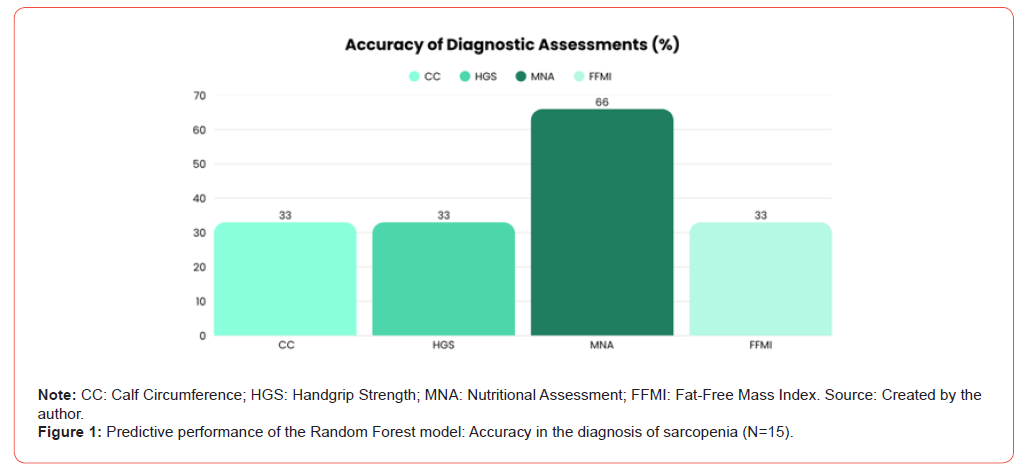
Table 1: Sociodemographic and anthropometric characteristics of the study sample.
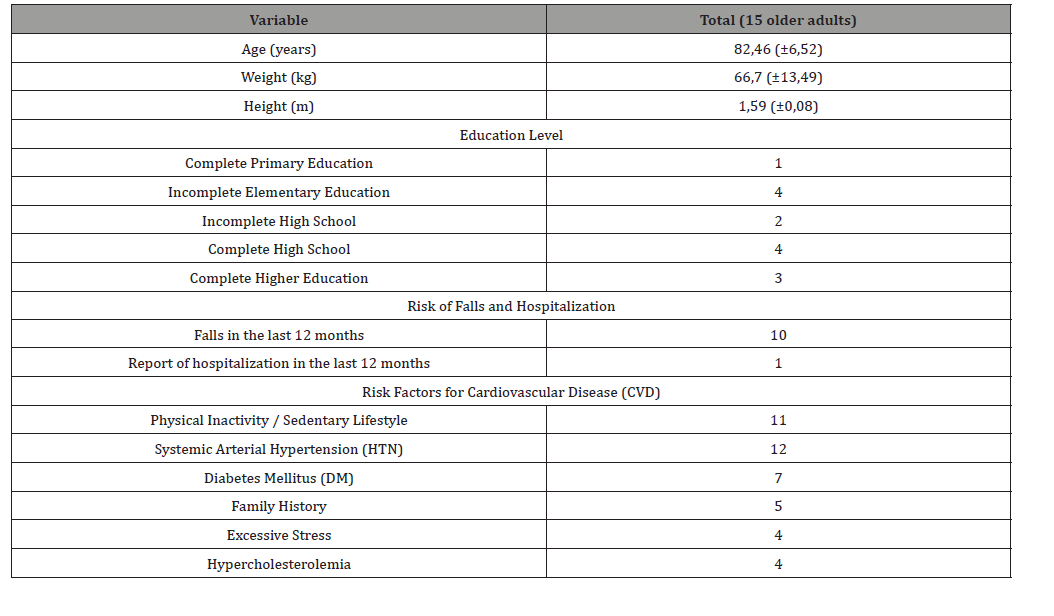
Note: Kg: Kilograms; m: Meters
Table 2: Frailty characterization according to the Fried criteria
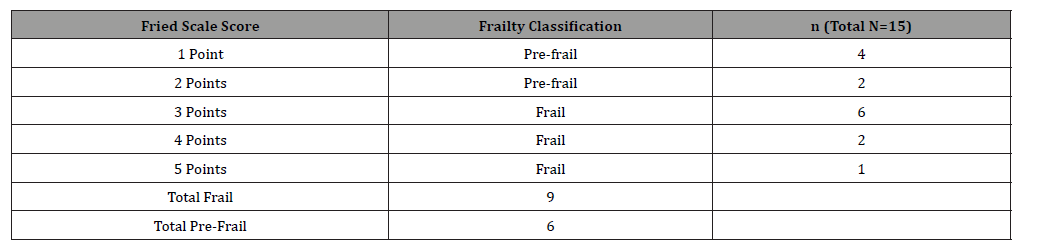
Note: N: number
Discussion
The present study aimed to evaluate the diagnostic effectiveness of predicting sarcopenia in frail older adults. The results demonstrated that out of the four analyzed variables, nutritional assessment (NA) achieved the highest accuracy (66.66%), surpassing traditional physical metrics. This finding suggests a shift in screening priorities for oldest-old and frail populations, standing in contrast to the prioritization of low muscle strength recommended by the EWGSOP2 Consensus [6], even though a bidirectional relationship between nutritional status and sarcopenia is observed [20,21] state that the predictive efficacy of the Mini Nutritional Assessment reinforces the understanding that nutritional risk operates as a co-factor in the pathophysiological cascade leading to frailty syndrome and, subsequently, sarcopenia. This condition, in conjunction with other aspects, contributes significantly to the progressive decline in health status and increased levels of dependency [21].
It is also observed that insufficient energy and protein intake is classified as a common characteristic among older adults [21]. Nutritional inadequacy acts as the primary driver of sarcopenia, with the risk of malnutrition serving as the immediate precursor to the loss of muscle mass and function [22]. Consequently, by sensitively capturing this insufficiency in intake and absorption, the Mini Nutritional Assessment identifies the etiology of the disease more directly than measures that merely evaluate the physical effects of muscle loss, such as HGS and FFMI [23]. Handgrip strength (HGS) presented an accuracy of 33.33%, a value inconsistent with its status as the primary criterion of the EWGSOP2 Consensus [6]. This discrepancy may be justified by the profile of the analyzed sample (frail and oldest-old individuals), for whom standard HGS cutoff points are frequently inadequate [24].
Similarly, the fat-free mass index (FFMI) and calf circumference (CC) achieved an accuracy of 33.33%. The low accuracy of the FFMI is attributed to the sensitivity of bioelectrical impedance to hydration variations [25], an unstable factor in frail older adults [26]. CC, although a simple screening method recommended by the EWGSOP2 [6], demonstrated an equally reduced accuracy within the analyzed sample. The methodological limitations of this study include the small sample size ($N=15$), which compromises the robustness of the Random Forest model and introduces a high risk of class imbalance to be predicted [27,28]. Another critical limitation is the absence of a previously established clinical diagnosis of sarcopenia defined by clinical criteria [6]; this lack of a validated diagnosis may have compromised the direct comparison and the precision of the analysis model. From the perspective of future scientific evidence, it is considered highly relevant to develop studies that enable the definition of the best predictive tool for sarcopenia in frail older adults, utilizing a more comprehensive and broader sample size [29-31].
Conclusion
This study concluded that nutritional assessment was the most effective indicator, achieving 66.66% accuracy in predicting sarcopenia in frail older adults. In contrast, handgrip strength, calf circumference, and FFMI demonstrated low accuracy (33.33%). Based on this sample and analysis, it is recommended to include nutritional status as an auxiliary indicator for the early detection of sarcopenia. Combining multiple measures (functional, anthropometric, and nutritional) is essential to increase diagnostic accuracy and promote a more comprehensive approach to the management of sarcopenia.
Acknowledgment
The authors would like to thank FEMA - Fundação Educacional do Município de Assis for funding and supporting this research.
Conflict of Interest
No conflict of interest.
References
- Reidel LT, Cecchele B, Sachetti A, Calegari L (2020) Efeitos Da Eletroestimulação Neuromuscular De Quadríceps Sobre a Funcionalidade De Idosos Frágeis E Pré-Frágeis Hospitalizados: Ensaio Clínico Randomizado. Fisioterapia E Pesquisa 27(2): 126-132.
- Rodrigues AGM, Cruz ALB, Durães RR, Durães KSM, et al. Avaliação Da Vulnerabilidade Clínico-Funcional De Idosos Frágeis Após Programa De Exercí Acta Fisiátr 29(4): 276-281.
- Pontes VCB (2022) Sarcopenia: Rastreio, Diagnóstico E Manejo Clí Journal Of Hospital Sciences 2(1): 4-14.
- Camargo ALA (2024) Rastreio Da Fragilidade, Sarcopenia, Dinapenia E Força Muscular Respiratória Em Idosos Hospitalizados. Dissertação (Mestrado) – Curso De Fisioterapia, Universidade Federal De São Carlos, São Carlos: 59.
- Nunes JD, Zacarin JF, Pavarini SCL, Zazzetta MS, Ariene ASO, et al. (2021) Fatores Associados À Sarcopenia Em Idosos Da Comunidade. Fisioterapia E Pesquisa 28(2): 159-165.
- Cruz-Jentoft A, Bahat G, Bauer J, Boirie Y, Olivier B, et al. (2019) Sarcopenia: Revised European Consensus on Definition and Diagnosis. Age And Ageing, United Kingdom 48(1): 16-31.
- Baptistella MKCS, Gomes LF, Paz RC, Fortes RC, Carla LCS, et al. (2021) Análise Do Risco De Sarcopenia (Sarc-F) E Da Força de Preensão Palmar (Fpp) Em Uma Idosa Com Insuficiência Cardí Brasília Med 58(1): 1-5.
- Dias CB, Junior VS (2021) Study of Sarcopenic Disease in Overweight and Obese Adult Individuals. Health Sciences, Vitória da Conquista 10(16): 1-13.
- Silva MPA, Figueiredo MLF, Santos AMR, Silva RF (2024) Aferição Da Circunferência da Panturrilha No Rastreio da Sarcopenia Em Idosos. Enfermagem Em Foco, Piaui 15(4): 1-7.
- Borba GMR, Silveira ACR, Silva FRM, Lima JTO (2024) Prevalência E Fatores Associados À Desnutrição No Diagnóstico Do Câncer Em Pacientes Idosos Tratados Ambulatorialmente: Estudo Transversal Fatores Associados À Desnutrição Em Idosos No Diagnóstico De Câ
- Trindade JLA, Moraes M, Dias SA (2003) Timed Up and Go Na Avaliação da Fragilidade De Pessoas Idosas Agricultoras Do Rio Grande Do Sul: Estudo Transversal. Rev Bras Geriatr Gerontol 26: e230004.
- Monteiro RSC, Cunha TRL, Santos MEN, Mendonça SS (2009) Estimativa De Peso, Altura E Índice De Massa Corporal Em Adultos E Idosos Americanos: Revisã Comun Ciênc Saúde 20(4): 341-350.
- Clael S, Brandão E, Vale R, Celi J, Lídia B, et al. (2024) Does the Elbow Position Change the Handgrip Strength in Parkinson’s Disease? Revista Brasileira De Cineantropometria E Desempenho Humano 26: e95540.
- Britto EP, Mesquita ET (2008) Bioimpedância Elétrica Aplicada À Insuficiência Cardí Rev Socerj 21(3): 178-183.
- Doria LD (2023) Análise De Bioimpedância Para Avaliação da Composição Corporal Em Pacientes Com Esclerose Sistêmica: Um Estudo Transversal. Dissertação (Medicina: Ciencias Médicas) - Universidade Federal Do Rio Grande Do Sul, Porto Alegre.
- Rodrigues MN, Silva SC, Monteiro DW, Farinatti PTV (2001) Estimativa Da Gordura Corporal Através De Equipamentos De Bioimpedância, Dobras Cutâneas E Pesagem Hidrostá Rev Bras Med Esporte 7(4): 125-131.
- Pagotto V, Santos KF, Malaquias SG, Bachion MM, Erika AS (2018) Calf Circumference: Clinical Validation for Evaluation of Muscle Mass in the Elderly. Rev Bras Enferm 71(2): 322-328.
- Salmaso FV, Viagario PS, Mendonça LMC, Madeira M, Leonardo VN, et al. (2016) Análise De Idosos Ambulatoriais Quanto Ao Estado Nutricional, Sarcopenia, Função Renal E Densidade Ó Arq Bras Endocrinol Metab 60(6): 514-522.
- Mussoi TD (2023) Avaliação Nutricional Na Prática Clínica - Da Gestação Ao Envelhecimento: 2
- Pires MMGC (2022) Sarcopenia: Relação Entre Estado Nutricional E Qualidade De Vida Em Idosos Hospitalizados. Proquest Dissertations & Theses.
- Portela V, Carolino E, Cebola M (2025) Prevalência De Desnutrição, Fragilidade E Sarcopenia: Existem Diferenças Entre as Pessoas Idosas Institucionalizadas E No Domicílio? Riage - Revista Ibero-Americana De Gerontologia 6: 393-402.
- Silva KLGD, Santos NF, Mendonça RPC (2023) Sarcopenia E O Estado Nutricional De Pacientes Oncogeriátricos Em Tratamento Quimioterá Braspen J 38(3).
- Garcia RC, Camilo MLA, Oliveira FM, Bertolini SMMG, Cynthia GAA, et al. (2023) Efeitos De Um Programa De Treinamento Multicomponente Na Composição Corporal E Na Capacidade Funcional De Idosos Com Excesso De Peso: Uma Proposta De Intervençã Estud Interdiscipl Envelhec 28: 1-14.
- Machado LF, Saldanha MF, Rocha CDN, Santos RR, et al. (2023) Teste De Força Máxima De Preensão Palmar Em Pessoas Idosas Longevas Do Sudeste Brasileiro: Definição De Pontos De Corte. Rev Bras Geriatr Gerontol 26: e230146.
- Aleixo GFP, Shachar SS, Nyrop KA, Muss HB, Claudio LB, et al. (2020) Bioelectrical Impedance Analysis for the Assessment of Sarcopenia in Patients with Cancer: A Systematic Review. The Oncologist 25(2): 170-182.
- Guimarães BP, Maciel AR, Barbosa AP, Viziolli BNP, Carolina EV, et al. (2021) O Consumo De Água Em Idosos: Uma Revisã Vita Et Sanitas 15(2): 53-69.
- Honório R (2025) O Que É Random Forest E Como Usar Em Machine Learning. Asimov.
- Marchetti VHO, Dalmaschio MEP, Santos TB, Pandini ET (2023) Capacidade Preditiva Do Modelo Random Forest Para Óbito Em Pacientes Com Covid-19: Uma Análise De Dados No Contexto Da Pandemia. Braz J Infect Dis 27: 102900-102900.
- Folstein MF, Folstein SE, Mchugh PR (1975)"Mini-Mental State": A Practical Method for Grading the Cognitive State of Patients for the Clinician. Journal Of Psychiatric Research 12(3): 189-198.
- García AK, Santiago EG, Galindo JM, Badilla OLS, Martín LH, et al. (2025) Usefulness of the Mini-Nutritional Assessment in Screening for Sarcopenia in a Sample of Institutionalized Older Persons: A Cross-Sectional Study. Nutr Hosp 43(3): 447-455.
- Portela V, Cebola M (2021) Prognóstico Da Covid-19 Em Idosos Institucionalizados E Com Desnutrição, Fragilidade E Sarcopenia: Revisão De Escopo. Acta Portuguesa De Nutrição 24: 64-69.
-

This work is licensed under a Creative Commons Attribution-NonCommercial 4.0 International License.