
 Review Article
Memory and Aging Workforce: Implications for Workplace Productivity
Received Date:May 25, 2024; Published Date:June 04, 2024
Introduction
Overview of Aging Population in the Workforce
The demographic composition of the workforce is undergoing a significant shift globally, characterized by an increasing proportion of older workers. Healthcare advances and declining birth rates in many countries have led to an aging workforce phenomenon [1]. By 2050, the global population aged 60 and over is expected to double, with substantial increases projected in low- and middle-income countries [1]. This demographic trend has profound implications for society, including the labor force.
Importance of Memory in Workplace Productivity
Memory plays a pivotal role in workplace productivity, encompassing various cognitive processes such as encoding, storage, and retrieval of information [2]. These processes are crucial for performing tasks efficiently and effectively. In the context of an aging workforce, understanding the impact of age-related changes in memory on job performance is essential. Memory deficits associated with aging, such as decreased working memory capacity and episodic memory, can affect productivity, decision-making, and overall job performance [3].
Table 1:Potential strategies that may be applied independently or interactively for countering anxiety in the context of knee osteoarthritis care among older adults.
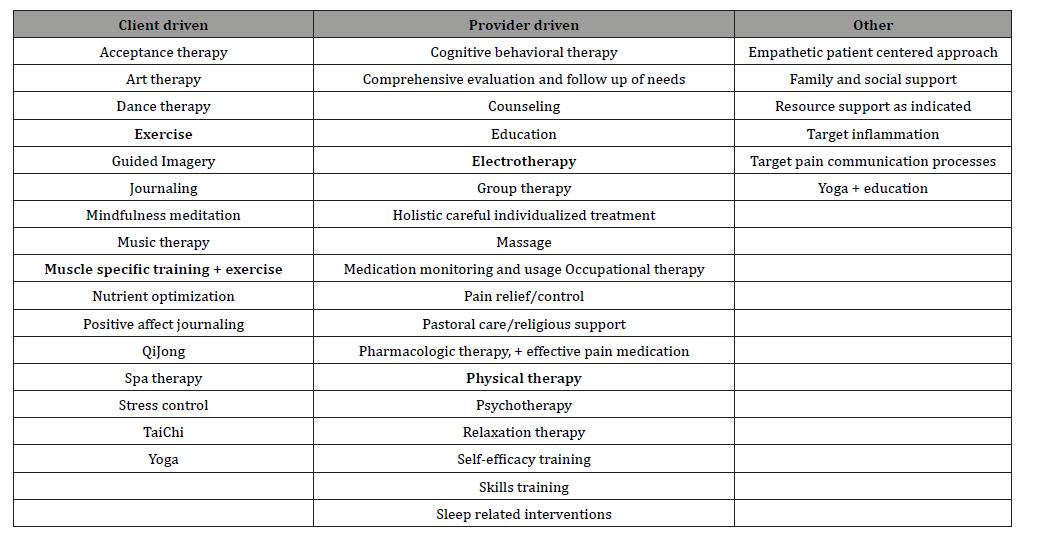
Adopted from references [7-12].
Age-Related Changes in Memory and Job Performance
Psychological research has documented age-related changes in memory. While some aspects of memory, such as semantic knowledge, remain relatively stable or even improve with age, others, including working and episodic memory, tend to decline [3]. Working memory, responsible for temporarily holding and manipulating information, is particularly susceptible to age-related decline [4]. This decline can impact tasks requiring multitasking, problem-solving, and decision-making, which are prevalent in many workplaces.
Episodic memory, which involves recalling specific events and experiences, also shows age-related declines [5]. This can affect job performance in roles where remembering past events, instructions, or client interactions is crucial. For example, in customer service or healthcare professions, accurate recall of past interactions is essential for providing high-quality service and maintaining client satisfaction. Research suggests that age-related declines in memory may be exacerbated by factors such as chronic stress, sleep disturbances, and certain medical conditions like cardiovascular disease and diabetes [6]. Moreover, psychosocial factors such as job satisfaction, social support, and engagement in cognitively stimulating activities can influence aging trajectories [7].
Factors Influencing Memory Performance in Older Workers
Several factors influence memory performance in older workers, highlighting the multifaceted nature of cognitive aging. One such factor is cognitive reserve, which refers to the brain’s ability to withstand age-related changes or pathology through compensatory mechanisms [8]. Individuals with higher levels of cognitive reserve, typically attained through education, intellectually stimulating occupations, and leisure activities, may exhibit better memory performance and resilience to cognitive decline [9].
Health status also plays a crucial role in memory functioning among older workers. Chronic health conditions, such as hypertension, diabetes, and obesity, have been associated with cognitive impairment and accelerated cognitive aging [10]. Furthermore, lifestyle factors such as physical activity, diet, and smoking can impact brain health and cognitive function in later life [11]. Psychosocial factors, including social engagement, emotional well-being, and perceived control over one’s life, have been linked to cognitive aging trajectories [12]. Older adults who maintain active social networks, engage in meaningful activities, and possess a positive outlook on aging may experience slower cognitive decline rates than their more socially isolated or pessimistic counterparts.
Strategies for Mitigating the Impact of Memory Decline
Despite age-related changes in memory, strategies and interventions can help mitigate their impact on workplace productivity. Cognitive training programs designed to improve specific cognitive functions, such as memory, attention, and problem-solving, have shown promise in enhancing cognitive abilities in older adults [13]. These programs often involve structured exercises and tasks targeting the cognitive domains most affected by aging.
Promoting a healthy lifestyle can also support older workers’ brain health and cognitive function [14]. Encouraging regular physical activity, balanced nutrition, adequate sleep, and stress management can contribute to overall well-being and cognitive resilience. Workplace wellness initiatives incorporating mindfulness training, yoga classes, and ergonomic interventions can also support employees’ cognitive and emotional health. Moreover, creating age-friendly workplaces that accommodate the needs of older workers can enhance productivity and job satisfaction. Flexible work arrangements, ergonomic accommodations, and training programs tailored to the learning styles of older adults can help optimize their performance and retention in the workforce [15].
Implications for Employers and Policy
Managing an aging workforce requires proactive strategies from employers and policymakers to address the unique needs and challenges associated with cognitive aging. Employers can implement age-inclusive policies and practices that promote lifelong learning, career development, and intergenerational collaboration [16]. Providing opportunities for job redesign, phased retirement, and mentorship programs can facilitate knowledge transfer and succession planning while retaining the expertise of older workers. Policymakers are crucial in supporting age-friendly workplaces through legislation, incentives, and educational initiatives [17]. Promoting age diversity and combating ageism in the workplace can foster inclusive environments where workers of all ages can thrive. Investing in research and innovation aimed at understanding cognitive aging and developing evidence-based interventions is also essential for addressing the needs of an aging workforce in the future.
Conclusion
In conclusion, memory is vital to workplace productivity, particularly in an aging workforce. Age-related changes in memory can impact job performance and necessitate proactive strategies to support cognitive health and well-being among older workers. By understanding the factors influencing memory performance and implementing targeted interventions, employers and policymakers can create age-friendly workplaces that optimize productivity, foster innovation, and promote healthy aging.
Acknowledgement
None.
Conflict of Interest
No Conflict of Interest.
References
- Piggott J, Woodland A (2016) The Global Demography of Aging: Facts, Explanations, Future. Handbook of the Economics of Population Aging, North-Holland 1: 3-56.
- Baddeley A (2003) Working memory: looking back and looking forward. Nat Rev Neuroscience 4(10): 829-839.
- Salthouse T (2010) Selective review of cognitive aging. Journal of the International Neuropsychological Society 16(5): 754-760.
- Park D, Festini S (2017) Theories of memory and aging: A look at the past and a glimpse of the future. The Journals of Gerontology: Series B 72(1): 82-90.
- King B, van Ruitenbeek P, Leunissen I, Cuypers K, Heise K, et al. (2018) Age-related declines in motor performance are associated with decreased segregation of large-scale resting state brain networks. Cerebral Cortex 28(12): 4390-4402.
- Polsky L, Rentscher K, Carroll J (2022) Stress-induced biological aging: A review and guide for research priorities, Brain, Behavior, and Immunity, Volume 104: 97-109.
- Macdonald J, Sheri L (2016) Ageism in the Workplace: The Role of Psychosocial Factors in Predicting Job Satisfaction, Commitment, and Engagement. Journal of Social Issues 72(1): 169-190.
- Nogueira J, Gerardo B, Santana I, Simões M, Freitas S (2022) The Assessment of Cognitive Reserve: A Systematic Review of the Most Used Quantitative Measurement Methods of Cognitive Reserve for Aging. Frontiers in Psychology 13: 847186.
- Panico F, Sagliano L, Magliacano A, Santangelo G, Trojano L (2023) The relationship between cognitive reserve and cognition in healthy adults: a systematic review. Current Psychology 42: 24751-24763.
- Ma’u E, Cullum S, Cheung G, Livingston G, Mukadam N (2021) Differences in the potential for dementia prevention between major ethnic groups within one country: A cross-sectional analysis of population attributable fraction of potentially modifiable risk factors in New Zealand. The Lancet Regional Health Western Pacific 13: 100191.
- Anstey KJ, Cherbuin N, Budge M, Young J (2011) Body mass index in midlife and late life as a risk factor for dementia: A meta-analysis of prospective studies. Obesity Reviews 12(5): e426-e437.
- Stine-Morrow E, Manavbasi I (2022) Beyond “use it or lose it”: The impact of engagement on cognitive aging. Annual Review of Developmental Psychology 4: 319-352.
- Rebok G, Ball K, Guey L, Jones R, Kim H, et al. (2014) Ten-year effects of the advanced cognitive training for independent and vital elderly cognitive training trial on cognition and everyday functioning in older adults. Journal of the American Geriatrics Society 62(1): 16-24.
- Williams K, Kemper S (2010) Interventions to reduce cognitive decline in aging. Journal of Psychosocial Nursing and Mental Health Services 48(5): 42-51.
- Ciampa E, Chernesky R (2013) Creating Supportive Workplace Environments for Older Workers. In: Brownell, P., Kelly, J. (eds) Ageism and Mistreatment of Older Workers. Springer Dordrecht.
- Ng T, Feldman D (2013) A meta‐analysis of the relationships of age and tenure with innovation‐related behaviour. Journal of Occupational and Organizational Psychology 86(4): 585-616.
- Nagarajan NR, Sixsmith A (2023) Policy Initiatives to Address the Challenges of an Older Population in the Workforce. Ageing International 48(1): 41-77.
-

This work is licensed under a Creative Commons Attribution-NonCommercial 4.0 International License.