

 Mini Review
Antidepressant Drugs, Injury, and Aging: The Case of Intrinsic and Extrinsic Depression, Falls, and Hip Fracture Injuries
Received Date:April 13, 2025; Published Date:April 16, 2025
Abstract
Injuries are the major cause of disability among adults 65 years and above. Depression, a highly common mental health correlate especially prevalent among the older population may provoke injury risk when exposed to certain drugs. Associated with varying degrees of increased susceptibility to chronic diseases, fracture, high rates of disability, as well as pain, relatively little has been done over time to reduce the incidence and immense burden of these overlapping widespread health problems, despite evidence that depression and its consequences are not inevitable and may be prevented or mitigates safely. This article focuses on this topic of depression as applied to aging, especially from the viewpoint of prevention, as well as treatment, and early detection relative to antidepressant drug usage. Specifically, antidepressants and opioids often employed by older adults may foster injurious falls that lead to hip fractures, hip joint osteoarthritis, premature death, second or third hip fractures, pain and most commonly a significantly reduced life quality among those who survive. Data shown on drug usage approaches to combat depression and pain may have the potential to independently or collectively lower hip fracture risk in a fair number of vulnerable older adults suffering with depressive symptoms, and in addition, may help avert a more profound depression and need for risky medications.
Keywords:Antidepressants; depression; drugs; hip fractures; opioids; prevention; treatment
Introduction
Among the many unintentional forms of injury known to evoke and heighten aging disability, and regardless of years of inquiry, the incidence and prevalence of falls leading to debilitating hip fracture injuries among older populations generally appears to induce much impairment among survivors with few exceptions [1]. Commonly attributed to an array of diverse person centered intrinsic and extrinsic risk factors, including depression, a small but possible potent contributory or cumulative cause is the use of drugs or ‘nonfood substances that chemically effect the structure or functioning of an individual in some way’. Important examples are drugs such as antidepressant sedative type psychoactive drugs and opioids that continue to be studied, but remain problematic and widely used [2- 4]. Other drugs reported to be related to falls that often predate hip fractures among the older adult include: cimetidine, psychotropic anxiolytic/hypnotic drugs, barbiturates (which may decrease bone quality), antihypertensives [4], long-acting benzodiazepines, anticonvulsants and caffeine [5]. In addition to polypharmacology raising the risk for falling, depression and its possible impact on bone metabolism in its own right, antidepressant usage is are associated with having a bearing on suboptimal sensori-motor integration possible declines in physical activity levels, osteoporosis, balance and vision issues, plus all-cause mortality post hip fracture [6,7].
Indeed, this set of facts is not just theoretical but of high clinical relevance in that:
a) Prescription drugs are dispensed to persons over 65 years of age even if the risks outweigh the benefits.
b) Over 200,000 older adults or more may be hospitalized each year in the United States and possibly elsewhere because the drugs they have been prescribed by health providers are not risk free.
c) While helpful for cases younger than 65 years of age, some drugs may not be appropriate for people of higher ages
In particular, aging is said to increase the risk for medication problems because as people grow older, they may: a) Become more sensitive to the therapeutic and toxic effects of drugs, b) experience more adverse drug reactions or increased side effects than younger persons taking the same drugs, c) they may require large amounts of different medications that interfere with how drugs are metabolized, d) because if an older person is often taking five or more medications, sometimes several times per day there is a greater risk of drug interactions with other medications, foods, or alcohol and the risk of adverse drug effects also increases dramatically with each additional drug, e) When multiple medications are taken at different times each day, dosage schedules can often be complicated, f) This complication increases the risk of making a mistake, for example, taking a dose twice or forgetting to take a medication when prescribed.
At the same time, elders may suffer intently from bouts of depression and often more so in the face of the use of certain axiolytic drugs for extended periods and its mechanism of action may drive the risk of incurring a potentially more disabling outcome among some vulnerable older adults if these provoke falls and bone mass attrition and one or more hip fractures even in the face of surgery [2,8,9]. While some suggest this idea only applies to some forms of antidepressant-related medications, others support the view that a role for antidepressants in bone fractures mechanisms cannot be ruled out and this uncertainty is likely to add rather than attenuate the aging burden and social costs of care needs and possible rehospitalization and medical and surgical complications after bone fracture surgery [1,8,10-15]. This is increasingly relevant though in those aging populations where detrimental cardiovascular and central nervous system side-effects and impacts of antidepressant usage have been observed alongside other that are associated with bone mass declines and geriatric depression [13-17].
Review Aims
This mini review aimed to examine past as well as current observations and conclusions regarding whether there is any cause for concern in recommending antidepressants or opioids to vulnerable older adults, largely as far as primary and secondary hip fracture risk due to falls is concerned, and where many older adults will already be using multiple medications.
Rationale
Older adults are more likely to be taking medications that have a greater potential for causing adverse reactions for example, cardiac, diuretic, antihypertensive, anticoagulant, and central nervous system depressant medications than not. They may also heighten falls injury risk and a life of excess suffering or even provoke premature death-the major cause of mortaility in older adult populations.
Relevance
As societies age, and efforts to encourage health for all and independent living across the lifespan are pursued, the incidence of index hip fractures, while possibly declining in some spheres, appears to remain a global concern especially where aging populations living to high ages are growing exponentially [18]. Moreover, even when operated upon, aged hip fracture sutvivors may frequently exhibit peri-operative symptoms of pain, anxiety, and sadness, which can duly extend recovery time and the desired degree of mobility to some extent, while heightening recurrent falls risk and secondary fractures especially if some forms of fall associated antidepressant drugs are used or indicated [5,15,17].
Indeed, in addition to possibly mediating a disabling hip fracture injury, the immense harm caused by the emergence or perpetuation of depression in any form and especially its suppression using drugs may pose an immense degree of additional risk to the older adult in our view. The same idea applies in our view to the underuse of noninjurious preventive interventions to counter geriatric depression in general [19,20].
Importantly:
a) Up to half of all deaths in the US due to drug abuse-either overt or vicariously influenced- are encountered by people 60 years and older.
b) 10-17% of all hospitalizations of older people are related to abuse of drugs.
c) Upon discharge, 50% of those patients with a history of drug abuse experience a notable decline in their ability to perform one or more activities of daily living, compared to 24% of patients without any evidence of drug abuse.
Methods and Procedures
To achieve the review aims, a comprehensive search and subsequent examination of the present topic of interest was undertaken wherein the PUBMED electronic data base, as well as Google Scholar, and PubMed Central were screened for salient articles. These data bases were selected due to their high volume of sound peer reviewed works. The search was not restricted in general, but searched for were all relevant peer reviewed full-length articles especially those documented over the five years (2021- 2026). The key words applied independently or simultaneously were; aging, depression, falls, hip fracture, antidepressants, opioids, psychoactive drugs. All modes of research as well as reviews were deemed acceptable. Excluded were abstracts, foreign language articles, many studies older than 15 years since publication, preprints, or articles on depression occurring after a hip fracture, or in parallel with dementia or a chronic health condition such as kidney disease and those that discussed multiple themes, rather than hip fractures and the influence of antidepressants specifically
After examining potential articles, those deemed salient were reviewed and described in narrative form given the diverse nature of the posted data and their very limited focus on any one issue. The facts as presented are also possibly limited by the nature of the sample, the research methods, a limited array of reports, and inconsistent terminologies and varied modes of assessment and dosages of diverse antidepressants in limited samples. The term antidepressant was applied to collectively represent one or more prescriptive pharmacologic based interventions designed to alleviate symptoms of depression or prevent depression from reoccurring. No effort was made to identify the different classifications or types of antidepressant agent employed in the various study contexts, nor the duration for which these chemicals were applied, nor their dosage, which can all be quite diverse in nature. The term depression was used to encompass all forms of clinical depression, as well as depressive symptoms, which can range from mild to severe and appear to be largely treated pharmacologically but with many undesirable clinical ramifications. The term hip fracture was applied to represent the different categories of this injury, rather than attempts to categorize and discriminate lesion site and this site was focused on due to its immense debilitating consequences that remain unaffected despite 25 years of recent research.
Results
General Observations
As of April 15, 2026, the data examined and covering all years with no restrictions indicate there is a highly probable role for adverse drug reactions in the context of efforts to pinpoint significant hip fracture risk factors among the older adult population, in general, as well as among those with depressive symptoms who may be using antidepressant medication, those taking antidepressants alongside other medications, or for no psychiatric reason may have an increased risk of falls and fractures. Other data imply, this impact is based on their ability to depress vital or timely central nervous system functions, as well as impairing sleep processes that may heighten inattention or slow reactions as far as exacerbating falling and a hip fracture injury risk, even while their use implies neurotransmitters in the brain may be more balanced in the face of their usage rather than not [13]. Unsurprisingly, one meta-analysis has provided strong evidence that novel antidepressants, especially widely used selective serotonin reuptake inhibitors [SSRIs], have detrimental impacts on bone health and may double hip fracture risk [4].
This may reflect the emergence of antidepressant side effects such as blurred vision, confusion, and dizziness, among other adverse general health concerns that can heighten the risk for falling, the major antecedent of hip fractures along with a probable increased risk of subsequent fractures [22] even if some forms can reduce short-term postoperative anxiety and depression, pain and stress [14]. Antidepressant usage may also be a strong predictor of mortality in older adult hip fracture cases [27,29]. Indeed, of 10 drugs commonly used by older adults, antidepressants reportedly do pose the greatest hip fracture injury threat to vulnerable older adults [30,31]. Moreover, the risk of all-cause hospitalization during 180-days follow-up was significantly increased by 55% when antipsychotic usage was combined with benzodiazepine usage, and compared to antipsychotic usage alone [31]. It was concluded that the increased risk of all-cause hospitalization and hip fracture may predict an increased drug-related array of future adverse events. Nyugen, et al., [13] further stress that there are many biologically plausible explanations as to why antidepressant or co-dispensed antidepressants can heighten hip fracture risk, including their ability to impair psychomotor and cognitive function, and disrupt sleep status. Careful and regular monitoring is needed to assess their responses to this type of treatment is thus strongly indicated, especially as it is likely the affected older adult is not able to actively help themselves in multiple key ways or is fearful of being labelled mentally impaired.
Brännström, et al., [32] in examining the association between antidepressant drug treatment and hip fracture incidents that began one year before treatment initiation among a nationwide cohort of 204 072 individuals aged 65 years or older prescribed antidepressants between July 1, 2006, and December 31, 2011 found antidepressant users sustained more than twice the number of hip fractures than did nonusers in the year before and year after the initiation of therapy. In adjusted analyses, the odds ratios were highest for the associations between antidepressant use and hip fracture 16 to 30 days before the prescription was filled, rather than when these were actually used. The authors concluded the probable association between antidepressant usage and hip fracture risk that should be studied further.
Results of a case control study of 134 cases and 544 controls showed the adjusted odds ratio for hip fracture associated with exposure to any antidepressants was 2.42. For those categorized as receiving selective serotonin reuptake inhibitors it was 3.52. For non-selective monoamine reuptake inhibitors, the odds ratio was 1.07 and for other antidepressants it was 0.82. Sertraline with an odds ratio of 3.88 was the only active drug with a significant adjusted risk. When only exposures greater than six months duration were considered, significant risks were found to prevail as regards the use of selective serotonin inhibitors known as SSRIs. It was concluded there is a significantly elevated hip fracture risk in those taking SSRIs serotonin inhibitors, but not other types of antidepressants [33]. Depression alone may however increase fracture risk, regardless of antidepressant use [34]. On the other hand, where antidepressants are used to alleviate non depressive symptoms in some cases, such as pain, fracture risk in all classes is higher than when prescribed for depression. In another report, McArthur, et al., [36] found that among the key risk factors unique to non-hip fractures as compared with hip fractures were having a history of psychotropic medication usage, possibly due to ensuing bone attrition impacts.
Iaboni and Maust [37] note furthermore that in the case of benzodiazepines for alleviating mental distress, and where the primary concern for older adults has been their increased risk of falls-related injuries, all benzodiazepines, even those that are short-acting appear to heighten an unanticipated falls risk. Macri, et al., [38] who support this view observed those adults who started taking antidepressants had a significantly increased risk of falls and sustaining a fall-related injury, regardless of long-term care patient subgroup designation and antidepressant class. The parallel observation that the presence of depression appears to impact an increased risk for falls [39], as well as hip fractures [9], plus low bone mineral density at common fracture sites, which can be exacerbated by antidepressant medication [23] speaks to the high clinical relevance of this body of research. In addition, it clearly speaks to a possible further need to prevent rather than mitigate. depression via potentially risky medications in vulnerable older adults [40]. This may be very important to consider given that plasma analysis has shown the use of antidepressants and benzodiazepines - a specific class of psychoactive depressant drugswhen assayed among hip fracture cases is observed to be present more prevalently than respective prescription frequencies that occur in the general older population. Moreover, this association may be underestimated due to a lack of consistency between recorded and actual use of psychotropic fall‐risk drugs at the time of hospital admission of the hip fracture patient.
Thus, the risk of using antidepressants may not be acknowledged or accurately evaluated in all cases [41]. Hence its associated relevance may be underestimated as far as having any adverse effect on hip fracture risk, where depression alone may be strongly implicated. Other data reveal that for all examined antidepressants, the odds were higher for other fractures than for hip-pelvis fractures [42], even though their actions may contribute to an excess falls risk and bone mass attrition consequent to their bone mass depletion potential, sedative and orthostatic hypotension properties [43]. Despite numerous gaps as well as flaws in this related material treating depression among the older vulnerable adult population, antidepressant drug usage appears to have enormous far reaching adverse rather than favorable implications when viewed as a whole in the context of older populations. This is true in many spheres and especially in its possible independent impact on fractures, plus its influence on the extent of bone attrition, cognitive impairments, falls and recurrent falls risk [44,45].
As well, very few counter treatments to prevent unrelenting depression are offered including counselling, and how to mitigate both depression symptoms and their associated sleep and fatigue challenges that may impact overall falls risk if exacerbated by antidepressant usage [26,46]. In the meantime, the degree to which having high degrees of psychiatric illness and inflammation that may foster worse depression than not among high age older adults and that might be heightened by frailty, a fall, recurrent falls, and poorly considered depression-falls linkages and antidepressant medication usage is notable, but often not discussed to any degree [38,40]. The use of anti-dementia drugs and opioids is another area of high salience that is rarely discussed or mostly studied in women and should be examined further to account for their probable influence in increasing in the risk of falling and fracturing a hip among antidepressants users. Those older adults feeling sad and emotional, particularly among those at-risk for falls and poor healing, such as diabetics, along with pharmacologic interventions, such as antidepressants, that can impair reflex responses, and mobility features even in the face of surgery, clearly need to be targeted more comprehensively rather than not [47].
What remains unclear though is whether there is a point at which it is more important to provide antidepressants to non-resilient emotionally impaired older adults than withdraw this. For example, in this regard, one study found that among residential elders, a high-risk hip fracture group, more than half of those residents deemed to be depressed, remained without any antidepressant treatment, others who were more depressed than residents treated with antidepressants only, or even not treated at all were inappropriately treated with potentially addictive benzodiazepines. To remedy this degree of inordinate diversity while trying to prevent falls injury risk it was concluded cooperation of a dedicated inter professional team in the screening and evaluation of any emergent depressive symptoms may greatly improve the quality of care of this vulnerable group while saving lives and immense suffering but this remains to be tested [48]. In addition, separating current medication practices and modes of delivery from those embedded in the past literature as related to falls and hip fracture risk, may prove beneficial as well. Caution is advised however, by multiple authors as regards the unrestricted usage of antidepressants. Face to face analyses and discussions are needed here in our view rather than the use of online mediation and resources that may encourage adverse drug usage.
Discussion
In addition to age, a variety of age-related physiological changes, physical and mental and other factors, such as poor nutrition practices and low access to healthy foods, some forms of medication may impact two crucial determinants of fracture injuries, namely, bone strength and the propensity to falls. As well, the decline in muscle function with aging, alongside age related cognitive, visual and neural reflex response declines may be impacted adversely by medications such as antidepressants. Associated directly or indirectly with the propensity to sustain one or more fracture injuries, antidepressant usage can induce a highly devastating injury with a high rate of premature mortality, despite years of study to support this possible outcome. In this regard, this effect is compounded when combined with medications to combat one or more health non cognitive as well as cognitive associated issues that commonly predominate in older adults, such as cardiovascular disease and dementia.
Unfortunately, despite sufficient evidence of the above risk, antidepressants continue to be used widely and are commonly administered to high-risk older adults, or not withdrawn before or after hip fracture surgery, a state where preventive approaches against falls are strongly indicated to avert secondary bone fractures and falls. In a search for more practical approaches to avert geriatric disability associated with preventable hip fractures, this mini review chose to focus on whether a variety of commonly used antidepressant medications, often employed by older adults, is a noteworthy under represented risk factor for hip fractures in those older than 65 years of age and one worthy of more focused attention. As such, we have observed that even though the weight of the evidence points to a possible independent as well as mediating or moderating hip fracture risk, it remains impossible to definitely attribute all hip fractures among those who use antidepressants to this factor as discussed by de Filippis, et al., [27].
Indeed, even if a fair number of past observations imply a role for higher-than-expected relative risk rates of antidepressants in fractures in general [45] as well as in certain hip fracture cases, not all data echo this to a high degree. As put forth by Iaboni and Maust [37], even though each of these new antidepressant drug classes have offered significant treatment benefits - typically because of fewer adverse effects - the recognized risks for each have steadily grown the longer the newer class is used. The mediating role of overall health status, total numbers of medications used, age and other factors, the sample studied, and mode of inquiry among other factors [47], are however not sufficiently well articulated in this regard, and need to be carefully studied. In one case, the sub-group analysis showed an association risk of fracture to persist relative to antidepressant usage regardless of geographical location, study design, risk factors, defined daily dose, SSRI use duration, fracture site, period of study and after adjusting for depression, physical activity, gender, and age group [45].
Nonetheless, it seems safe to say that while some current researchers do not attribute undue risk to antidepressant use by adults older than 65, a high percentage tend to agree caution is advised when antidepressant remedies are indicated among those older adults at risk for falling and possible hip or other bone fractures. The impact of antidepressant medication may also be underestimated if indeed its influence is more immediate rather than delayed [48], and may be overlooked if other fall riskincreasing drugs such as opioids, dopaminergic agents, multiple anxiolytics, and hypnotics/sedatives are being taken without due caution [26,49]. According to one group [50] the prevalence of antidepressant usage may indeed be deemed to be quite high among a fair percentage of older hip fracture cases compared with the general population, especially in the context of frailty, comorbidity, and polypharmacy. Other data revealed those using multiple medications, including antidepressants, could fall quite readily due to their impact on generating cognitive lapses [50].
Yet efforts to withdraw or refrain from such usage and a discussion of alternatives are not often forthcoming [5], even though Brännström, et al., [32] show at least twice as many hip fractures tend to occur among those older adults who have used or are using antidepressants compared to nonusers in the years before and after treatment initiation and where the odds ratios for association between antidepressant use and hip fracture was highest 16 -30 days before the prescription was filled. As a result of their findings, Yang, et al., [51] conclude older adults employing benzodiazepines alongside antidepressants, and other medications may heighten their falls and fracture risk, especially following benzodiazepine initiation, even if the user attains some emotional benefit thereby. Those older adults suffering unremitting depression, osteoporosis and/or other comorbid illnesses might hence be preferentially targeted in this regard as pre as post fracture depressive emergence or perpetuation can have a significant detrimental impact on functional recovery post fracture and can engender a high chance of recurrent injuries and falls events if treated by antidepressants [52].
In this regard, to reduce any possible chances of falling on a single occasion or recurrently due to associated drug and/or depressive symptom effects, and the fact falls prevention programs are unlikely to succeed universally - more timely health status screenings and evaluations of those deemed at high risk for possible excess feelings of depression at some points are indicated. Alternate strategies to overcome adverse emotional states and responses that limit mobility and self-care and safety practices are sorely needed sooner rather than later. Additionally, any opportunity to uncover the prevailing intrinsic or extrinsic source of any persistent or excessively reactive depressive state and its potential for mitigation is strongly implied using cognitive as well as non-pharmacologic strategies such as vitamin D supplementation [55]. Educating caregivers accordingly, along with efforts to encourage the creation of an emotionally as well as a physically safe supportive environment that reduces the presence of excess fears, distress, stress, negative feedback, food scarcity, and anxiety, and one that promotes opportunities healthy living alongside routine screening opportunities from a young age is also indicated. The possible use of certain supplements, ultra violet light exposure, transcranial photo biomodulation therapy, acceptance therapy, grief counselling, aerobic exercise, yoga, relaxation, music, and cognitive behavioral therapy and the control of chronic pain and diseases to address depressive symptoms mitigation safely, as well as effectively, is also clearly warranted.
In the interim, what the evidence shows is that even with largely inconsistent research protocols and variable samples and degrees or modes of instrumentation and drug type usage, antidepressants may not be safe to recommend to all older adults suffering mild to moderate depressive symptoms. In addition, their use in the non-depressed older adult, as well as the presence of unrecognized depression among aging adults, may impact hip fracture risk independently, for example if antidepressants are being used for the treatment of chronic pain and behavioral and psychological symptoms of dementia, including insomnia, anxiety and agitation. In addition, Walkerly, et al., [53] warn that peripheral serotonin applications and their probable negative effects on bone may outweigh the benefits caused by any antidepressant enhancement of central serotonin neurotransmission, hence must be recommended with all due caution.
In short, despite their limitations, and a need for continued research, a fair proportion of available current research findings suggest that unremitting depression and the persistence of depression-related mechanisms plus use of certain drugs to counter depression in vulnerable adults may heighten the risk of falling and fracturing a hip. This appears important to acknowledge even if other factors are implicated [8] but is not uniformly supported in all studies. To arrive at their own consensus while research proceeds, academics and clinicians who are evaluating the findings of prevailing studies that relate exposures to antidepressants to hip fracture occurrences must a) clearly consider how the investigators addressed confounding factors, and b) draw conclusions based not merely on the findings, but also on multiple research design issues and the complexity of depression in the midst of aging, mobility dysfunction, injury, bone and immune and healing responses [54].
Alongside this, several authors imply a key role for early detection, and efforts to minimize low grade chronic pain-a depression correlate [61] - along with exercises to alleviate depression, plus efforts to strengthen health affirming cognitive behavioral and physical determinants of health, plus possible sleep therapy and bone optimization even if more study is needed [55,61,63]. More emphasis too on identifying minimal antidepressant doses that can be used safely to alleviate unrelenting feelings of depression as well as numbers of antidepressants and other medications being used is indicated, as well. At the same time, health care professionals can help to ensure that older people do take their medications appropriately, effectively and safely, while policy makers can try to maximize cost containment, by rulings that limit widespread use of drugs known to provoke possible bone attrition as well as falls injuries.
In the community, counsellors can work with older persons and family members to provide social support and resources that enable the promotion of healthy behaviors and lifestyles. They can help to organize the provision of careful periodic bone, mental health; general health, follow up evaluations of any advocated antidepressant treatment. Multidisciplinary and holistic multidimensional integrated planning and collaborative approaches, plus efforts to mitigate the mediating role of multiple medications, diabetes, stress, low grade chronic inflammation, dementia and opioid usage in the context of depression as well as falls, and adverse hip fracture hospitalization are also of possible value to pursue [13,65,66]. Efforts towards establishing a close or ongoing provider-patient partnership, sufficient resource allocation, and long-term tangible as well as intangible support needs can likely yield immense long-term benefits as well [56]. Moreover, it appears safe to predict that an insightful dedicated collaborative effort by primary care providers, psychiatrists, cardiologists, diabetic specialists, physical therapists and nurses, alongside pharmacists and social workers may be expected to render a sound contribution in this regard.
Indeed, all providers are urged to work collectively with their older at risk clients and families, to mitigate or avert the onset or perpetuation of poor bone status as well as depressive symptoms where possible among those 65 years of age or older, and advise them thoughtfully on the use of antidepressant drugs and their multiple side effects that may alleviate depression [or not if depression is linked to loneliness or unresolved grief], but may still prove highly injurious in the realm of bone fractures and loss of the ability to function physically without assistance [21,57-60]. At the same time, the need for more precision based depression therapy and one reflecting the role of inflammation in depression that remains understudied should be pursued. As well, personalized care approaches that embody the complexity of both biology of aging and the role of diverse biopsychosocial factors is indicated in both hip fracture as well as depression and falls prevention realms [62]. In addition, the role of income in this regard plus reduced immunity post hip fracture should be acknowledged and addressed [63]. The possible counter role of dedicated efforts to empower and educate vulnerable older adults who want to age ‘in place’ should arguably be more formidably addressed in multiple insightful ways at the outset.
Alternately, if no further progress or consensus is forthcoming as to the safety or the risk of chronic antidepressant use for older adults, it seems fair to say, a modest proportion of older adults who are using antidepressants may incur one or more hip fracture injuries, and thereby a life of extreme suffering inadvertently if they survive. Even more importantly perhaps, older adults who are depressed, but not identified may fall more often than anticipated even after a hip fracture repair and may sustain excess rates of hospital readmissions post-surgery, plus impaired functional recovery, possible secondary falls and hip/other bone fractures that translates to enormous degrees of disablement and possible dejection and prolonged bouts of severe pain and depression [67- 70].
Concluding Remarks
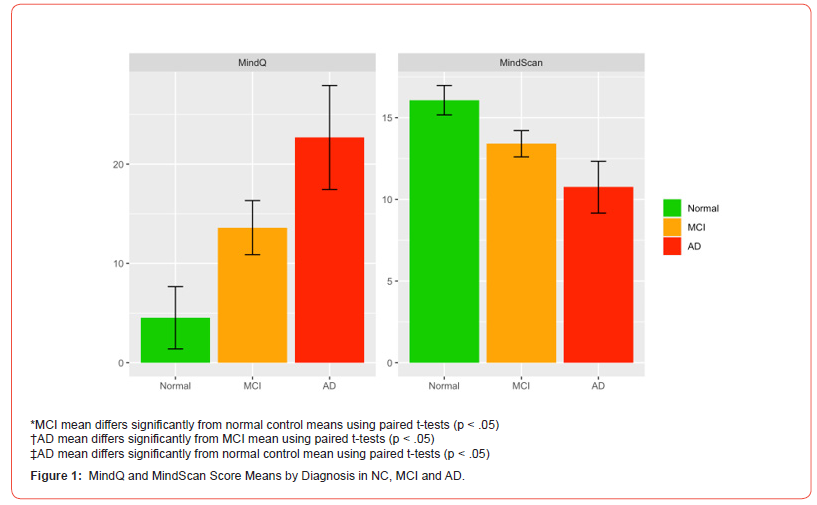
In examining whether under or over treatment of depression via psychoactive drugs can influence the rate and severity of hip fracture incidents and consequences in the older adult, based on our analysis of a fragmented but insightful literature we conclude (Figure 1).
In the interim, we also conclude insightful treatment of any emergent or trait depression via non pharmacologic means may well influence and enhance the adaptive capacity and interaction of the aging person with the environment more favourably than not at all ages regardless of the degree of prevailing physical or comorbid related impairments. Enormous health costs and social suffering and health resource demands would likely fall exponentially in this regard. As well, in light of the importance of continued vigilance in the realm of primary and secondary hip fracture and depression prevention highlighted by several authors, enhanced screening efforts and the recognition of individual variations in sociodemographics and frailty status, rules governing pharmacologic prescriptions and modes of therapy delivery may require reexamination. In the interim, sufficient evidence points to the fact needy as well as vulnerable older adults can be helped to deal more actively in the face of depressive feelings, and a direct or indirect fracture risk may be duly attenuated in light of interventions that harness the individual’s strengths, account for their composite health status, personal situation and goals, environmental safety, food security issues, and social support profile.
Funding
None.
Acknowledgement
None.
Conflict of Interest
No Conflict of interest.
References
- Abouheif E, Favé MJ, Ibarrarán-Viniegra AS, Lesoway MP, Rafiqi AM, et al. (2013) Eco-evo-devo: the time has come. In: Landry CR, Aubin-Horth N, eds. Ecological Genomics: Ecology and the Evolution of Genes and Genomes, Advances in Experimental Medicine and Biology 781. Dordrecht, NL: Springer pp: 107-125.
- Brooks M (2009) 13 Things that Don't Make Sense: The Most Baffling Scientific Mysteries of Our Time. New York, NY, USA: Vintage Books.
- Sherratt TN, Wilkinson DM (2009) Big Questions in Ecology and Evolution. Oxford, UK: Oxford University Press.
- Mitteldorf J (2017) Aging is a Group-selected Adaptation: Theory, Evidence, and Medical Implications. Boca Raton, FL, USA: CRC Press.
- Nesse RM (2011) Evolution: a basic science for medicine. In: Poiani A, ed. Pragmatic Evolution. Cambridge, UK: Cambridge University Press pp: 107-114.
- Heininger K (2022) Aging is selected for, adaptive, and programmed. 23. The eco-evolutionary flow of information in the cause of aging.
- Medawar PB (1952) An Unsolved Problem in Biology. London, UK: H. K. Lewis.
- Williams GC (1957) Pleiotropy, natural selection, and the evolution of senescence. Evolution 11(4): 398-411.
- Kirkwood TBL (1977) Evolution of ageing. Nature 270(5635): 301-304.
- Heininger K (2022) Aging is selected for, adaptive, and programmed. 30. Karl Popper and the falsification of the “Evolutionary Theories of Aging”.
- Milewski LAK (2010) The evolution of aging. Biosci Horizons 3: 77-84.
- Austad SN (1997) Why We Age. New York, NY, USA: John Wiley & Sons 2(6).
- Kirkwood TB (2005) Understanding the odd science of aging. Cell 120(4): 437-447.
- Rose MR, Burke MK, Shahrestani P, Mueller LD (2008) Evolution of ageing since Darwin. J Genet 87(4): 363-371.
- Kirkwood TB, Shanley DP (2010) The connections between general and reproductive senescence and the evolutionary basis of menopause. Ann NY Acad Sci 1204: 21-29.
- Cohen AA, Kennedy BK, Anglas U, Bronikowski AM, Deelen J, et al. (2020) Lack of consensus on an aging biology paradigm? A global survey reveals an agreement to disagree, and the need for an interdisciplinary framework. Mech Ageing Dev 191: 111316.
- Heininger K (2002) Aging is a deprivation syndrome driven by a germ-soma conflict. Ageing Res Rev 1(3): 481-536.
- Heininger K (2012) The germ-soma conflict theory of aging and death: Obituary to the “evolutionary theories of aging”. WebmedCentral AGING 3(4): WMC003275.
- Heininger K (2022) Aging is selected for, adaptive and programmed. 1. Prolog.
- Hutchinson GE (1965) The Ecological Theater and the Evolutionary Play. New Haven, CT, USA: Yale University Press.
- Marrow P, Dieckmann U, Law R (1996) Evolutionary dynamics of predator-prey systems: an ecological perspective. J Math Biol 34(5-6): 556-578.
- Olshansky SJ, Hayflick L, Carnes BA (2002) The truth about human aging. [Position Statement on Human Aging]. J Gerontol Biol Sci 57(8): B292-B297.
- Heininger K (2022) Aging is selected for, adaptive, and programmed. 3. Natural selection is a two-step process, the Hull-Dawkins distinction between interactors and replicators.
- Wade MJ, Shuster SM (2002) The evolution of parental care in the context of sexual selection: a critical reassessment of parental investment theory. Am Nat 160(3): 285-292.
- Heininger K (2022) Aging is selected for, adaptive, and programmed. 4. Signatures of aging-related natural selection.
- Wagner A, Wright J (2004) Compactness and cycles in signal transduction and transcriptional regulation networks: a signature of natural selection? Adv Complex Syst 7: 419-432.
- Heininger K (2022) Aging is selected for, adaptive, and programmed. 5. Aging is shaped by the lifelong action of natural selection.
- Nettle D, Andrews C, Reichert S, Bedford T, Kolenda C, et al. (2017) Early-life adversity accelerates cellular ageing and affects adult inflammation: experimental evidence from the European starling. Sci Rep 7: 40794.
- Hendler G, Dojiri M (2009) The contrariwise life of a parasitic, pedomorphic copepod with a non‐feeding adult: ontogenesis, ecology, and evolution. Invertebr Biol 128(1): 65-82.
- Sinervo B, Svensson E (2002) Correlational selection and the evolution of genomic architecture. Heredity 89(5): 329-338.
- Heininger K (2022) Aging is selected for, adaptive, and programmed. 6. Antagonistic pleiotropy.
- Stearns SC (1989) Trade-offs in life-history evolution. Funct Ecol 3(3): 259-268.
- Heininger K (2022) Aging is selected for, adaptive, and programmed. 7. Fecundity and longevity are co-selected.
- Montiglio PO, Dammhahn M, Dubuc Messier G, Réale D (2018) The pace-of-life syndrome revisited: the role of ecological conditions and natural history on the slow-fast continuum. Behav Ecol Sociobiol 72: 116.
- Wallace AR (1865,1870) The action of natural selection in producing old age, decay and death [A note by Wallace written “sometime between 1865 and 1870.”] In: Weismann A (1889) Essays Upon Heredity and Kindred Biological Problems. Oxford, UK: Clarendon Press.
- Gems D, Partridge L (2013) Genetics of longevity in model organisms: debates and paradigm shifts. Annu Rev Physiol 75: 621-644.
- Heininger K (2022) Aging is selected for, adaptive, and programmed. 8. The ecology and genetics of aging-related adaptation.
- Brodie ED (1999) Costs of exploiting poisonous prey: evolutionary trade‐offs in a predator‐prey arms race. Evolution 53(2): 626-631.
- Giorgio M, Berry A, Berniakovich I, Poletaeva I, Trinei M, et al. (2012) The p66Shc knockout mice are short lived under natural condition. Aging Cell 11(1): 162-168.
- Borlestean A, Frost PC, Murray DL (2015) A mechanistic analysis of density dependence in algal population dynamics. Front Ecol Evol 3: 37.
- Heininger K (2022) Aging is selected for, adaptive, and programmed. 9. Ecological-evolutionary population regulation.
- Guiñez R (2005) A review on self-thinning in mussels. Rev Biol Mar Oceanogr 40(1): 1-6.
- Schaub M, Jakober H, Stauber W (2013) Strong contribution of immigration to local population regulation: evidence from a migratory passerine. Ecology 94(8): 1828-1838.
- Heininger K (2022) Aging is selected for, adaptive, and programmed. 10. Population regulation by density-dependent fecundity/longevity trade-offs.
- Rankin DJ (2007) Resolving the tragedy of the commons: the feedback between intraspecific conflict and population density. J Evol Biol 20(1): 173-180.
- Rose KE, Clutton‐Brock TH, Guinness FE (1998) Cohort variation in male survival and lifetime breeding success in red deer. J Anim Ecol 67(6): 979-986.
- Hernández‐Camacho CJ, Aurioles‐Gamboa D, Gerber LR (2008) Age‐specific birth rates of California sea lions (Zalophus californianus) in the Gulf of California, Mexico. Mar Mamm Sci 24(3): 664-676.
- Alberts SC, Altmann J (1995) Preparation and activation: determinants of age at reproductive maturity in male baboons. Behav Ecol Sociobiol 36: 397-406.
- Heininger K (2013) The mutagenesis-selection-cascade theory of sexual reproduction. WebmedCentral REPRODUCTION 4: WMC004367.
- Werfel J, Ingber DE, Bar-Yam Y (2017) Theory and associated phenomenology for intrinsic mortality arising from natural selection. PLoS One 12(3): e0173677.
- Hartfelder K, Guidugli-Lazzarini KR, Cervoni MS, Santos DE, Humann FC, et al. (2015) Old threads make new tapestry—Rewiring of signalling pathways underlies caste phenotypic plasticity in the honeybee, Apis mellifera Adv Insect Physiol 48: 1-36.
- Gillooly JF, Hou C, Kaspari M (2010) Eusocial insects as superorganisms: insights from metabolic theory. Commun Integr Biol 3(4): 360-362.
- Del Giudice M, Buck CL, Chaby LE, Gormally BM, Taff CC, et al. (2018) What is stress? A systems perspective. Integr Comp Biol 58(6): 1019-1032.
- Heininger K (2022) Aging is selected for, adaptive, and programmed. 11. Eco-evolutionary bottom-up and top-down feedback and feedforward controls.
- Kuijper DP, Cromsigt JP, Jędrzejewska B, Miścicki S, Churski M, et al. (2010) Bottom‐up versus top‐down control of tree regeneration in the Białowieża Primeval Forest, Poland. J Ecol 98(4): 888-899.
- Mutz J, Underwood N, Inouye BD (2020) Integrating top‐down and bottom‐up effects of local density across scales and a complex life cycle. Ecology 101(10): e03118.
- Heininger K (2022) Aging is selected for, adaptive, and programmed. 12. Anticipatory systems in predictable and unpredictable environments.
- Heininger K (2015) Duality of stochasticity and natural selection: a cybernetic evolution theory. WebmedCentral ECOLOGY 6(2): WMC004796.
- Bernhardt JR, O’Connor MI, Sunday JM, Gonzalez A (2020) Life in fluctuating environments. Phil Trans R Soc B 375(1814): 20190454.
- Lincoln GA, Andersson H, Loudon A (2003) Clock genes in calendar cells as the basis of annual timekeeping in mammals–a unifying hypothesis. J Endocrinol 179(1): 1-13.
- Carter MJ, Wilson AJ, Moore AJ, Royle NJ (2019) The role of indirect genetic effects in the evolution of interacting reproductive behaviors in the burying beetle, Nicrophorus vespilloides. Ecol Evol 9(3): 998-1009.
- Heininger K (2022) Aging is selected for, adaptive, and programmed. 13. Feedforward control and transgenerational transmission of stress-related information.
- Wolf JB (2003) Genetic architecture and evolutionary constraint when the environment contains genes. Proc Natl Acad Sci USA 100(8): 4655-4660.
- Fisher DN, McAdam AG (2019) Indirect genetic effects clarify how traits can evolve even when fitness does not. Evol Lett 3(1): 4-14.
- Ezard TH, Prizak R, Hoyle RB (2014) The fitness costs of adaptation via phenotypic plasticity and maternal effects. Funct Ecol 28(3): 693-701.
- Sommer RJ (2020) Phenotypic plasticity: from theory and genetics to current and future challenges. Genetics 215(1): 1-13.
- West‐Eberhard MJ (2003) Developmental Plasticity and Evolution. New York, NY, USA: Oxford University Press.
- Levis NA, Fuller CG, Pfennig DW (2020) An experimental investigation of how intraspecific competition and phenotypic plasticity can promote the evolution of novel, complex phenotypes. Biol J Linn Soc 131(1): 76-87.
- Pletcher SD, Kabil H, Partridge L (2007) Chemical complexity and the genetics of aging. Annu Rev Ecol Evol Syst 38: 299-326.
- Bonduriansky R, Day T (2009) Nongenetic inheritance and its evolutionary implications. Annu Rev Ecol Evol Syst 40: 103-125.
- Ewe CK, Alok G, Rothman JH (2021) Stressful development: integrating endoderm development, stress, and longevity. Dev Biol 471: 34-48.
- Heininger K (2022) Aging is selected for, adaptive, and programmed. 14. The energy budget for reproduction and aging.
- van Leeuwen IM, Vera J, Wolkenhauer O (2010) Dynamic energy budget approaches for modelling organismal ageing. Phil Trans R Soc B Biol Sci 365(1557): 3443-3454.
- Laskowski KL, Moiron M, Niemelä P (2021) Integrating behavior in life-history theory: allocation versus acquisition? Trends Ecol Evol 36(2): 132-138.
- Heininger K (2022) Aging is selected for, adaptive, and programmed. 15. The germline-soma conflict.
- Fordyce JA (2006) The evolutionary consequences of ecological interactions mediated through phenotypic plasticity. J Exp Biol 209(12): 2377-2383.
- Dusi E, Krenek S, Petzoldt T, Kaltz O, Berendonk TU, et al. (2020) When enemies do not become friends: Experimental evolution of heat-stress adaptation in a vertically transmitted parasite.
- Meunier J, Kölliker M (2012) Parental antagonism and parent–offspring co-adaptation interact to shape family life. Proc R Soc B Biol Sci 279(1744): 3981-3988.
- Day T, Rowe L (2002) Developmental thresholds and the evolution of reaction norms for age and size at life-history transitions. Am Nat 159(4): 338-350.
- Matt GY, Umen JG (2018) Cell-type transcriptomes of the multicellular green alga Volvox carteri yield insights into the evolutionary origins of germ and somatic differentiation programs. Genes Genomes Genet 8(2): 531-550.
- Heininger K (2022) Aging is selected for, adaptive, and programmed. 16. Germline signals, reproductive and somatic senescence.
- Reznick DN (1997) Life history evolution in guppies (Poecilia reticulata): guppies as a model for studying the evolutionary biology of aging. Exp Gerontol 32(3): 245-258.
- Heininger K (2022) Aging is selected for, adaptive, and programmed. 17. The stress axis of aging.
- Stegeman R, Weake VM (2017) Transcriptional signatures of aging. J Mol Biol 429(16): 2427-2437.
- Labbadia J, Morimoto RI (2015) Repression of the heat shock response is a programmed event at the onset of reproduction. Mol Cell 59(4): 639-650.
- Labbadia J, Morimoto RI (2014) Proteostasis and longevity: when does aging really begin? F1000Prime Rep 6:7.
- Epel ES, Lithgow GJ (2014) Stress biology and aging mechanisms: toward understanding the deep connection between adaptation to stress and longevity. J Gerontol Ser A Biomed Sci Med Sci 69(Suppl 1): S10-S16.
- Heininger K (2022) Aging is selected for, adaptive, and programmed. 18. The pineal-hypothalamic-pituitary-gonadal-immune crosstalk, a primary driver of aging.
- Elyahu Y, Monsonego A (2021) Thymus involution sets the clock of the aging T-cell landscape: Implications for declined immunity and tissue repair. Ageing Res Rev 65: 101231.
- Rezzani R, Franco C, Hardeland R, Rodella LF (2020) Thymus-pineal gland axis: revisiting its role in human life and ageing. Int J Mol Sci 21(22): 8806.
- de Lemos Muller CH, de Matos JR, Grigolo GB, Schroeder HT, Rodrigues-Krause J, et al. (2019) Exercise training for the elderly: inflammaging and the central role for HSP70. J Sci Sport Exerc 1: 97-115.
- Ferrucci L, Fabbri E (2018) Inflammageing: chronic inflammation in ageing, cardiovascular disease, and frailty. Nat Rev Cardiol 15(9): 505-522.
- López-Otín C, Blasco MA, Partridge L, Serrano M, Kroemer G, et al. (2013) The hallmarks of aging. Cell 153(6): 1194-1217.
- Heininger K (2022) Aging is selected for, adaptive, and programmed. 19. The cellular senescence program.
- Post DM, Palkovacs EP (2009) Eco-evolutionary feedback in community and ecosystem ecology: interactions between the ecological theatre and the evolutionary play. Phil Trans R Soc B Biol Sci 364(1523): 1629-1640.
- Heininger K (2022) Aging is selected for, adaptive, and programmed. 20. Tapping the eco-evolutionary “fossil record” of aging.
- Razzaque MS (2009) The FGF23-Klotho axis: endocrine regulation of phosphate homeostasis. Nat Rev Endocrinol 5(11): 611-619.
- Ram Y, Hadany L (2014) Stress-induced mutagenesis and complex adaptation. Proc R Soc B 281(1792): 20141025.
- Heininger K (2022) Aging is selected for, adaptive, and programmed. 21. The eco-evolutionary coupling of stress, sex, and aging/death.
- Deonarine A, Walker MW, Westerheide SD (2021) HSF-1 displays nuclear stress body formation in multiple tissues in Caenorhabditis elegans upon stress and following the transition to adulthood. Cell Stress Chaperones 26(2): 417-431.
- Nijhout HF, Kudla AM, Hazelwood CC (2021) Genetic assimilation and accommodation: models and mechanisms. Curr Top Dev Biol 141: 337-369.
- Heininger K (2022) Aging is selected for, adaptive, and programmed. 22. Aging is selected for by multilevel selection.
- Packer C, Pusey AE, Eberly LE (2001) Egalitarianism in female African lions. Science 293(5530): 690-693.
- Wu M, Walser JC, Sun L, Kölliker M (2020) The genetic mechanism of selfishness and altruism in parent-offspring coadaptation. Sci Adv 6(1): eaaw0070.
- Tilman AR, Plotkin JB, Akçay E (2020) Evolutionary games with environmental feedbacks. Nat Commun 11(1): 915.
- Lowe WH, Kovach RP, Allendorf FW (2017) Population genetics and demography unite ecology and evolution. Trends Ecol Evol 32(2): 141-152.
- Fletcher JA, Doebeli M (2009) A simple and general explanation for the evolution of altruism. Proc R Soc B 276(1654): 13-19.
- Lawlor DA, Harbord RM, Sterne JA, Timpson N, Davey Smith G, et al. (2008) Mendelian randomization: using genes as instruments for making causal inferences in epidemiology. Stat Med 27(8): 1133-1163.
- Tacutu R, Thornton D, Johnson E, Budovsky A, Barardo D, et al. (2018) Human Ageing Genomic Resources: new and updated databases. Nucleic Acids Res 46(D1): D1083-D1090.
- Jorgensen TJ, Ruczinski I, Kessing B, Smith MW, Shugart YY, et al. (2009) Hypothesis-driven candidate gene association studies: practical design and analytical considerations. Am J Epidemiol 170(8): 986-993.
- García-Roger EM, Lubzens E, Fontaneto D, Serra M (2019) Facing adversity: dormant embryos in rotifers. Biol Bull 237(2): 119-144.
- Staples JF (2016) Metabolic flexibility: hibernation, torpor, and estivation. Compr Physiol 6(2): 737-771.
- Heininger K (2022) Aging is selected for, adaptive, and programmed. 24. Hypometabolism, a survival response to metabolic stress.
- Wu C-W, Biggar KK, Storey KB (2013) Biochemical adaptations of mammalian hibernation: exploring squirrels as a perspective model for naturally induced reversible insulin resistance. Braz J Med Biol Res 46(1): 1-13.
- Chuang JC, Jones PA (2007) Epigenetics and microRNAs. Pediatr Res 61: 24-29.
- Biggar KK, Storey KB (2011) The emerging roles of microRNAs in the molecular responses of metabolic rate depression. J Mol Cell Biol 3(3): 167-175.
- Häusl AS, Balsevich G, Gassen NC, Schmidt MV (2019) Focus on FKBP51: A molecular link between stress and metabolic disorders. Mol Metab 29: 170-181.
- Stuart JA, Maddalena LA, Merilovich M, Robb EL (2014) A midlife crisis for the mitochondrial free radical theory of aging. Longev Healthspan 3(1): 4.
- Heininger K (2022) Aging is selected for, adaptive, and programmed. 25. Mitohormesis, turning oxidative stress into a longevity mechanism.
- Jager T, Barsi A, Ducrot V (2013) Hormesis on life-history traits: is there such thing as a free lunch? Ecotoxicology 22(2): 263-270.
- Costantini D, Metcalfe NB, Monaghan P (2010) Ecological processes in a hormetic framework. Ecol Lett 13(11): 1435-1447.
- Vaiserman AM (2010) Hormesis, adaptive epigenetic reorganization, and implications for human health and longevity. Dose-Response 8(1): 16-21.
- Santoro A, Martucci M, Conte M, Capri M, Franceschi C, et al. (2020) Inflammaging, hormesis and the rationale for anti-aging strategies. Ageing Res Rev 64:101142.
- Le Couteur DG, Simpson SJ (2011) Adaptive senectitude: the prolongevity effects of aging. J Gerontol A Biomed Sci Med Sci 66(2): 179-182.
- Ukraintseva S, Yashin A, Arbeev K, Kulminski A, Akushevich I, et al. (2016) Puzzling role of genetic risk factors in human longevity: “risk alleles” as pro-longevity variants. Biogerontology 17(1): 109-127.
- Wang A, Luan HH, Medzhitov R (2019) An evolutionary perspective on immunometabolism. Science 363(6423): eaar3932.
- Zhang H, Davies KJ, Forman HJ (2015) Oxidative stress response and Nrf2 signaling in aging. Free Radic Biol Med 88(Pt B):314-336.
- Atzmon G, Pollin TI, Crandall J, Tanner K, Schechter CB, Scherer PE, ... & Barzilai N (2008) Adiponectin levels and genotype: a potential regulator of life span in humans. J Gerontol Ser A Biol Sci Med Sci 63(5): 447-453.
- Heininger K (2023) Aging is selected for, adaptive and programmed: 32. The hypometabolic-hypoxic reprogramming.
- Gorr TA (2017) Hypometabolism as the ultimate defence in stress response: how the comparative approach helps understanding of medically relevant questions. Acta Physiol (Oxf) 219(2): 409-440.
- Hicks JW, Wang T (2004) Hypometabolism in reptiles: behavioural and physiological mechanisms that reduce aerobic demands. Respir Physiol Neurobiol 141(3): 261-271.
- Lim HS (2016) Cardiogenic shock: failure of oxygen delivery and oxygen utilization. Clin Cardiol 39(8): 477-483.
- Singh G, Storey KB (2021) MicroRNA cues from nature: A roadmap to decipher and combat challenges in human health and disease? Cells 10(12): 3374.
- Heininger K (2022) Aging is selected for, adaptive, and programmed. 27. Aging as dead-end trap.
- Langlet F (2014) Tanycytes: a gateway to the metabolic hypothalamus. J Neuroendocrinol 26(11): 753-760.
- You J, Yu Y, Jiang L, Li W, Yu X, et al. (2010) Signaling through Tyr985 of leptin receptor as an age/diet-dependent switch in the regulation of energy balance. Mol Cell Biol 30(7): 1650-1659.
- Gabriely I, Ma XH, Yang XM, Rossetti L, Barzilai N, et al. (2002) Leptin resistance during aging is independent of fat mass. Diabetes 51(4): 1016-1021.
- Tang Y, Purkayastha S, Cai D (2015) Hypothalamic microinflammation: a common basis of metabolic syndrome and aging. Trends Neurosci 38(1): 36-44.
- Becerril S, Rodríguez A, Catalán V, Ramírez B, Unamuno X, et al. (2019) Functional relationship between leptin and nitric oxide in metabolism. Nutrients 11(9): 2129.
- Pal S, Tyler JK (2016) Epigenetics and aging. Sci Adv 2(7): e1600584.
- Scott EM, Grant PJ (2006) Neel revisited: the adipocyte, seasonality and type 2 diabetes. Diabetologia 49(7): 1462-1466.
- Heininger K (2022) Aging is selected for, adaptive, and programmed. 28. Target of rapamycin, the aging ratchet.
- Komeili A, Wedaman KP, O'Shea EK, Powers T (2000) Mechanism of metabolic control: target of rapamycin signaling links nitrogen quality to the activity of the Rtg1 and Rtg3 transcription factors. J Cell Biol 151(4): 863-878.
- Carthew RW (2021) Gene regulation and cellular metabolism: An essential partnership. Trends Genet 37(4): 389-400.
- Barna J, Csermely P, Vellai T (2018) Roles of heat shock factor 1 beyond the heat shock response. Cell Mol Life Sci 75(16): 2897-2916.
- Lushchak O, Strilbytska O, Piskovatska V, Storey KB, Koliada A, et al. (2017) The role of the TOR pathway in mediating the link between nutrition and longevity. Mech Ageing Dev 164: 127-138.
- Mota-Martorell N, Jove M, Pradas I, Berdún R, Sanchez I, et al. (2020) Gene expression and regulatory factors of the mechanistic target of rapamycin (mTOR) complex 1 predict mammalian longevity. Geroscience 42(4): 1157-1173.
- Laribee RN (2018) Transcriptional and epigenetic regulation by the mechanistic target of rapamycin complex 1 pathway. J Mol Biol 43024): 4874-4890.
- Zhang Y, Huang B, Wang HY, Chang A, Zheng XS (2017) Emerging role of microRNAs in mTOR signaling. Cell Mol Life Sci 74(14): 2613-2625.
- Haissaguerre M, Saucisse N, Cota D (2014) Influence of mTOR in energy and metabolic homeostasis. Mol Cell Endocrinol 397(1-2): 67-77.
- Mesoudi A, Thornton A (2018) What is cumulative cultural evolution? Proc R Soc B 285(1880): 20180712.
- de Magalhães JP (2012) Programmatic features of aging originating in development: aging mechanisms beyond molecular damage? FASEB J 26(12): 4821-4826.
- Heininger K (2022) Aging is selected for, adaptive, and programmed. 29. Aging, an aimless continuation of the developmental program?
- Blagosklonny MV (2009) TOR-driven aging: Speeding car without brakes. Cell Cycle 8(24): 4055-4059.
- Lucas RM, McMichael AJ (2005) Association or causation: evaluating links between “environment and disease”. Bull World Health Organ 83(10): 792-795.
- Menendez JA, Cuyàs E, Folguera-Blasco N, Verdura S, Martin-Castillo B, et al. (2019) In silico clinical trials for anti-aging therapies. Aging (Albany NY) 11(16): 6591-6601.
- Heininger K (2022) Aging is selected for, adaptive, and programmed. 31. Is there a fountain of youth?
- Beck T, Hall MN (1999) The TOR signalling pathway controls nuclear localization of nutrient-regulated transcription factors. Nature 402(6762): 689-692.
- Heininger K (2022) Aging is selected for, adaptive, and programmed. 26. Aging is a somatic survival program.
- Kirkwood T (1999) Time of Our Lives. The Science of Human Aging. New York, NY, USA: Oxford University Press.
-

This work is licensed under a Creative Commons Attribution-NonCommercial 4.0 International License.