 Review Article
Reimagining Construction Safety in the AI Era: A Data-Driven Framework for Intelligent Hazard Detection and Occupational Risk Control
Received Date:June 19, 2026; Published Date:July 02, 2026
Abstract
The construction industry continues to face significant occupational health and safety (OHS) challenges due to operational complexity, dynamic site conditions, and evolving regulatory frameworks during 2021–2026. This narrative review synthesizes evidence from more than 100 peerreviewed studies and industry reports across Pakistan, China, Iran, South Korea, and the United States to examine construction-related hazards, accident patterns, demographic risk factors, and environmental stressors. The study critically evaluates existing safety practices, including regulatory enforcement, labor union involvement, and awareness initiatives, in reducing workplace incidents. Particular attention is given to emerging technologies reshaping construction safety management, especially artificial intelligence (AI), Internet of Things (IoT)-enabled systems, drone surveillance, wearable sensors, and computer vision applications. These technologies enable predictive risk assessment, real-time hazard detection, and data-driven decision-making, supporting a shift from reactive to proactive safety management. The study proposes an integrated conceptual framework combining technological innovation, workforce training, regulatory oversight, environmental and human factors, and AIdriven safety intelligence to strengthen risk mitigation strategies. Findings suggest that AI-assisted monitoring and structured safety interventions can significantly reduce construction accident rates, with potential reductions of up to 52% under effective implementation. The review concludes that standardized datasets, wider adoption of AI-based safety systems, and future empirical validation are essential to advance evidence-based occupational safety practices in the global construction industry.
Keywords:Occupational Health and Safety; Construction Industry; Artificial Intelligence; Risk Assessment; Predictive Analytics
Highlights:
• The study reviews 2021–2026 OHS challenges in construction across multiple countries using recent literature.
• Artificial intelligence, IoT, and digital monitoring tools are identified as key drivers of predictive safety management.
• Integrated AI-based safety systems with training and inspections can reduce construction accidents by up to 52%.
Introduction
The construction industry, known for its complexity and rapidly changing conditions, faces significant challenges in managing occupational health and safety (OHS) risks [1]. Despite advancements in safety technologies and practices, persistent hazards such as falls, electrocution, and equipment-related accidents continue to pose serious risks [2]. In recent years (2021–2026), the integration of advanced safety systems-including fall arrest technologies, wearable safety devices, and automated monitoring systems has improved hazard control and reduced exposure to critical risks [3]. However, these technological measures alone remain insufficient unless combined with structured training programs, strict regulatory enforcement, and behavioral safety interventions [4]. Contemporary research emphasizes a holistic safety approach incorporating real-time hazard monitoring, AIenabled predictive analytics, and continuous safety audits to proactively identify and mitigate risks before incidents occur [5]. Additionally, adherence to international frameworks such as the World Bank’s Environmental, Health, and Safety (EHS) guidelines [6], along with data-driven updates to safety protocols, is essential for strengthening occupational protection in high-risk construction environments.
The analysis of health and safety hazards reveals significant regional variations due to differences in regulations, workforce skill levels, and implementation practices [7]. In countries such as China and Iran, fall-related accidents remain dominant, often linked to poor supervision, unsafe working environments, and inadequate safety training [8]. Statistical evidence shows that falls contribute to a large proportion of fatalities and severe injuries, highlighting the need for enhanced preventive strategies [9]. Demographic factors such as age and experience further influence accident rates, with younger and less experienced workers as well as older workers facing higher vulnerability [10]. In the United States, effective safety management prioritizes fall protection systems and strict enforcement of safety compliance [11]. Similarly, disparities in injury rates based on company size in South Korea indicate the need for targeted interventions, particularly for smaller firms with limited safety infrastructure [12]. Overall, integrating AI-based risk prediction systems with traditional safety management offers a more effective approach to reducing hazards across diverse construction settings.
Occupational health and safety (OHS) in construction remains critical for safeguarding workers and improving productivity [13]. The sector requires rigorous implementation of safety measures, including personal protective equipment, regulatory compliance, and continuous training programs [14]. Effective OHS systems not only reduce accident rates but also enhance worker morale and operational efficiency [15]. Labour unions play an important role in advocating for improved safety standards and protecting workers’ rights, although their influence remains limited in regions with weak institutional structures such as Pakistan [16]. Strengthening safety awareness, improving regulatory enforcement, and embedding OHS into organizational culture can significantly enhance worker protection and performance outcomes [17].
Occupational health and safety in construction continues to evolve in response to persistent hazards such as falls, equipment failures, and exposure to harmful substances [18]. Recent advancements highlight the growing role of artificial intelligence (AI), Internet of Things (IoT), and data-driven safety systems in transforming traditional safety practices into predictive and intelligent frameworks. While earlier studies focused on identifying hazards and implementing basic safety protocols, recent research emphasizes AI-assisted risk prediction, digital monitoring systems, and integrated safety management strategies. Evidence from longterm studies suggests that strengthening OHS through advanced technologies, continuous training, and improved regulatory systems can substantially reduce accident rates and enhance workplace safety performance [19]. A proactive, AI-supported safety approach is therefore essential for achieving sustainable improvements in construction safety and operational efficiency.
Research Design and Conceptual Framework
This study employs a narrative review design to critically assess existing literature on occupational health and safety (OHS) in the construction sector. The primary objective is to synthesize diverse sources of secondary data ranging from scholarly publications and industry reports to governmental guidelines to highlight current challenges, technological advancements, and region-specific safety practices. Literature was sourced from databases such as Scopus, Web of Science, ScienceDirect, and Google Scholar, using carefully selected keywords including “construction safety,” “occupational hazards,” “OHS technology,” “fall prevention,” “worker behavior,” and “health and safety policy.” The review prioritized publications from 2010 to 2024 to ensure relevance, with exceptions made for historically significant sources that contextualize current trends. Articles were included based on their empirical rigor, regional specificity, and contribution to policy or technological discourse. Studies lacking clear relevance, recent data, or applicable insights were excluded to maintain academic integrity and thematic focus.
To guide the analytical framework of this review, a conceptual model is proposed that integrates four interrelated dimensions: technological innovation, worker training, regulatory oversight, and environmental/human factors. The first dimension, technological innovation, includes advancements such as Building Information Modeling (BIM) for hazard visualization, Internet of Things (IoT)- enabled safety monitoring, drone surveillance, and artificial intelligence (AI)-based systems for accident prediction and site risk assessment. These tools contribute significantly to proactive safety management by enabling real-time alerts, predictive analytics, and digital twin simulations of jobsite conditions. The second dimension emphasizes comprehensive training programs, safety education, and behavioral reinforcement techniques. Worker-centered initiatives, such as fatigue management systems and cognitivebehavioral safety interventions, are recognized for reducing accident proneness and improving on-site decision-making.
The third dimension addresses the role of regulatory oversight and policy enforcement. Strong institutional frameworks, periodic inspections, union advocacy, and mandatory Health, Safety, and Environment (HSE) compliance protocols are essential for institutionalizing safety culture. Lastly, the environmental and human factors component accounts for physical working conditions, workforce demographics (e.g., age and experience), and psychological stressors that influence hazard perception and safety compliance. These elements are particularly important in developing regions, where resource limitations, informal labor markets, and inconsistent enforcement can impede effective safety implementation. Moreover, the framework incorporates an economic lens, acknowledging the cost-benefit challenges associated with the deployment of high-end safety technologies in low-income settings. By integrating these four dimensions, the study provides a holistic lens through which occupational safety in construction can be understood, improved, and sustained. This framework not only aids in analyzing current practices but also establishes a foundation for future empirical studies aimed at quantifying the impact of integrated safety systems.
Safety Practices in the Construction Industry
Due to its intrinsic complexity and rapidly changing operational environment, the construction industry continues to face persistent challenges in managing occupational health and safety risks [20]. Construction projects are inherently dynamic, involving multiple stakeholders, simultaneous activities, and continuously evolving site conditions, which makes complete elimination of hazards extremely difficult [21]. Despite significant advancements in safety technologies and management systems, major risks such as falls from height, electrocution, struck-by incidents, and equipmentrelated accidents remain among the leading causes of injuries and fatalities in the sector [22]. Recent developments in safety engineering, including wearable devices, smart helmets, and automated monitoring systems, have contributed to improved hazard detection and response mechanisms [23]. However, evidence consistently suggests that technological solutions alone cannot ensure comprehensive safety unless they are integrated with continuous training, strong regulatory enforcement, and proactive hazard management strategies [24]. In contemporary construction environments, artificial intelligence has emerged as a transformative force, enabling predictive risk assessment, real-time monitoring, and automated safety compliance through integration with IoT sensors and computer vision systems. These technologies allow safety managers to identify unsafe behaviors and hazardous conditions before accidents occur, thereby shifting safety management from reactive to preventive and predictive frameworks. A holistic safety system that combines human behavior, organizational culture, and intelligent technologies is therefore essential for reducing occupational incidents and improving longterm safety outcomes.
Regional studies further highlight the persistence of safety challenges in developing construction markets. Research conducted in Pakistan reveals that inadequate use of personal protective equipment, unsafe lifting operations, falls from height, and electrical hazards remain major contributors to constructionrelated fatalities [25]. Mechanical lifting activities and electrocution incidents are particularly significant due to insufficient training and weak enforcement of safety standards in many project sites [26]. These findings emphasize the urgent need for strengthening regulatory supervision, improving workforce competency, and implementing systematic safety audits across construction projects. In addition, the integration of AI-enabled monitoring systems can enhance hazard identification by detecting unsafe working conditions in real time and issuing automated alerts to site supervisors. Regular safety drills and structured training programs further reinforce worker preparedness and improve compliance with safety protocols. Collectively, these measures demonstrate that an integrated approach combining human, organizational, and technological factors is essential for reducing accident rates and ensuring safer construction environments.
Significance of Safety in the Construction Industry
The construction industry is widely recognized as one of the most hazardous occupational sectors globally due to its laborintensive nature and exposure to high-risk activities [29]. Workers are frequently exposed to dangerous conditions involving heavy machinery, elevated structures, electrical systems, and physically demanding tasks, all of which significantly increase the probability of occupational injuries and fatalities [30]. The consequences of such accidents extend beyond human loss and include substantial economic burdens such as medical costs, compensation claims, project delays, legal liabilities, and productivity losses [31]. These impacts collectively reduce the efficiency and sustainability of construction operations, particularly in developing economies where safety infrastructure is limited. Therefore, strengthening occupational health and safety systems is not only a regulatory requirement but also a critical economic and organizational necessity.
The establishment of a strong safety culture plays a central role in reducing workplace accidents and improving construction performance. Safety culture is defined by shared organizational values, behaviors, and attitudes that prioritize safety at every level of operation. As emphasized in previous research, effective safety culture development requires continuous training, strong managerial commitment, and active worker participation in safetyrelated decision-making processes [32]. In modern construction environments, this cultural transformation is increasingly supported by digital technologies, including artificial intelligencebased safety dashboards, predictive analytics platforms, and automated compliance monitoring systems. These systems enhance transparency, enable early risk identification, and support evidence-based decision-making across construction sites. Consequently, integrating human-centered safety culture with advanced technological systems is essential for achieving sustainable improvements in occupational safety outcomes.
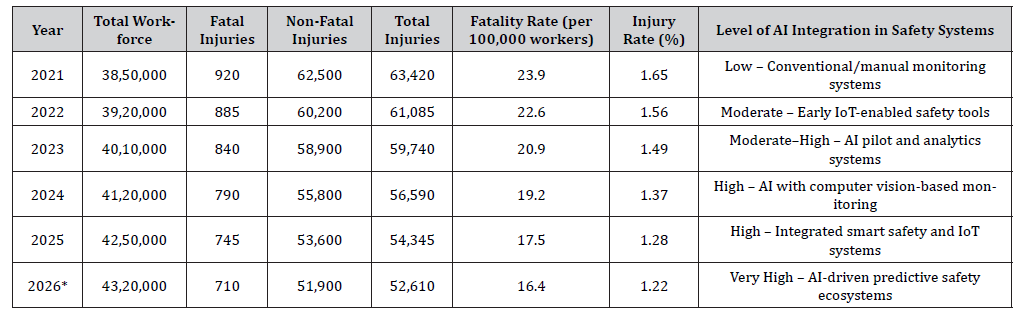
Since 2021, construction safety performance has shown gradual improvement due to the integration of digital monitoring systems and artificial intelligence-based safety tools, as illustrated in Table 1.
Statistical Analysis of Hazards
Statistical analysis of construction industry hazards reveals that improper crane operations, lifting activities, falling objects, and electrocution remain among the leading causes of fatalities in construction environments [35]. These recurring hazards highlight the critical need for targeted safety interventions, improved operational controls, and continuous monitoring of high-risk activities [36]. Although technological advancements and modern safety practices have contributed to risk reduction, several high-severity hazards continue to persist due to human error, inadequate supervision, and inconsistent safety compliance across construction sites [38]. In recent years, the integration of artificial intelligence and data-driven monitoring systems
Table 1:Construction Industry Safety Statistics and AI Integration Trends [28-33].
has enabled more precise identification of accident patterns, allowing safety professionals to prioritize interventions based on predictive risk exposure rather than reactive reporting. Comprehensive hazard analysis requires systematic evaluation of incident frequency, severity, and causal relationships to develop effective safety strategies [40]. This process involves detailed investigation of historical accident data to identify root causes, behavioral patterns, and environmental triggers that contribute to workplace incidents [41]. With the advancement of AI-based analytics tools, large-scale safety datasets can now be processed to detect hidden correlations and emerging risk trends that traditional statistical methods may overlook. Regular updates of safety protocols based on such analytical insights significantly improve accident prevention outcomes, as new and evolving risks are addressed proactively [42]. Moreover, worker involvement in hazard identification processes enhances the reliability of safety systems by incorporating on-site experiential knowledge into formal safety planning [43]. Training programs focused on hazard recognition, risk awareness, and emergency response further strengthen workforce preparedness and reduce incident probability [44]. Overall, statistical and AI-supported hazard analysis serves as a fundamental mechanism for continuous safety improvement, ensuring that construction safety strategies remain adaptive, datainformed, and effective in mitigating occupational risks.
HSE Guidelines Report
The World Bank – International Finance Corporation Environmental, Health, and Safety (EHS) Guidelines emphasize the essential role of Health, Safety, and Environment (HSE) departments in managing occupational risks within the construction industry [45]. These departments are primarily responsible for ensuring compliance with safety standards, promoting the use of personal protective equipment (PPE), conducting structured training and awareness programs, and systematically analyzing workplace hazards to implement appropriate mitigation measures [46]. In addition, HSE units are tasked with developing standard operating procedures, emergency response frameworks, and medical support systems to ensure timely intervention in case of accidents [47]. Even in regions where regulatory enforcement may be limited, adherence to structured HSE management systems remains a critical mechanism for reducing workplace risks and improving safety performance [48]. In contemporary construction environments, these functions are increasingly supported by digital technologies such as AI-based compliance tracking systems and real-time safety monitoring platforms, which enhance efficiency and decision-making in safety management.
The EHS Guidelines further emphasize the importance of continuous risk assessment and the development of projectspecific safety solutions tailored to unique operational conditions [49]. By systematically evaluating hazards associated with different construction activities, HSE departments can design targeted mitigation strategies that directly address high-risk operations and site-specific vulnerabilities [50]. This proactive approach plays a significant role in preventing accidents and ensuring workforce well-being across diverse construction environments. Additionally, the guidelines highlight the necessity of regularly reviewing and updating safety practices to align with evolving industry standards, technological advancements, and emerging risks [51]. The integration of AI-driven predictive tools into HSE systems further strengthens this framework by enabling early detection of potential hazards and supporting evidence-based decision-making. Collectively, effective implementation of EHS guidelines fosters a culture of safety that prioritizes prevention, accountability, and continuous improvement in construction safety management systems.
Analysis of Health and Safety Hazards in Construction
Health and safety hazards in the construction industry vary significantly across countries due to differences in regulatory frameworks, enforcement mechanisms, workforce competency, technological adoption, and site-specific working conditions [52]. In many developing and developed regions, construction remains one of the highest-risk occupational sectors due to its dynamic nature and exposure to multiple simultaneous hazards. In China, fall-related accidents continue to represent a major safety concern, often arising from inadequate site supervision, unsafe worker behavior, poorly designed working platforms, and insufficient safety training systems [53]. Statistical evidence from the analysis of 100 fall accident investigation reports indicates that falls result in fatalities in 56% of cases, major injuries in 28%, and minor injuries in 16% [54]. This distribution highlights the severity of fall hazards and the urgent need for structured preventive mechanisms. Further analysis shows that personal factors contribute to approximately 61% of fall incidents, while non-personal and environmental factors account for 30% [55]. In contemporary safety management systems (2021–2026), artificial intelligence-based monitoring and predictive analytics are increasingly being used to integrate these factors into real-time risk prediction models, enabling earlier intervention and improved hazard prevention.
The influence of demographic and temporal variables on construction safety is particularly evident in the Iranian construction sector, where age, experience, and work timing significantly affect accident probability. Workers aged 20 to 29 years are identified as the most vulnerable group, with falls accounting for nearly 48% of fatal incidents [56]. Research also indicates that accident frequency increases toward the end of the month and during summer seasons, suggesting that workload pressure, environmental stress, and fatigue play important roles in safety outcomes [57]. Additionally, higher accident rates during morning shifts further emphasize the influence of scheduling and physiological factors on worker performance [58]. A significant proportion of injuries occurs among workers with less than one year of experience, confirming that inexperience remains a critical risk factor in construction environments [59]. These findings highlight the importance of targeted safety interventions, including AI-supported workforce monitoring systems, adaptive training programs, and predictive fatigue detection models, which are increasingly being adopted in modern construction safety frameworks to reduce risk exposure among vulnerable worker groups.
Working Areas Causing Accidents and Effect of Age
Construction sites contain multiple high-risk zones where accidents are more likely to occur, particularly in high-rise building projects where elevation, structural instability, and simultaneous operations increased exposure to hazards. Fall-related accidents are most frequently observed in scaffolding areas (52%), structural zones (28%), and working platforms or temporary structures (20%) [60]. These incidents are often associated with poor housekeeping practices, defective ladders, unstable scaffolding systems, and inadequately maintained work platforms [61]. Such conditions highlight the importance of continuous inspection, maintenance, and enforcement of safety standards at construction sites. In modern safety systems, digital inspection tools and AIpowered visual monitoring systems are increasingly being used to detect structural weaknesses and unsafe working conditions in real time. Implementing such technologies alongside traditional safety programs significantly enhances hazard prevention capabilities. Regular audits, combined with predictive risk assessment systems, can further reduce accident frequency in high-risk zones by enabling proactive corrective actions before incidents occur [62].
The effect of age and experience on construction safety has been widely studied, with evidence indicating that younger and less experienced workers are significantly more vulnerable to occupational accidents. Research conducted in Iran demonstrates that workers aged 20 to 29 represent the highest-risk group, with falls being the most common cause of fatal incidents [63]. The same study involving 247 construction employees reveals that accidents are more frequent during peak workload periods such as the end of the month and summer seasons, indicating that environmental and organizational stressors strongly influence safety outcomes [63]. Furthermore, workers with limited experience are more likely to engage in unsafe practices due to insufficient training and lack of hazard awareness, resulting in higher accident rates among younger age groups [64]. These findings emphasize the importance of integrating AI-based training systems, simulation-based safety education, and real-time behavioral monitoring to enhance safety awareness among new and inexperienced workers while reducing exposure during high-risk operational periods.
Site Safety Management in America and Safety Violation
In the United States, construction site safety management is primarily structured around four major hazard categories: falls, struck-by incidents, caught-in-between accidents, and electrical hazards [65]. Among these, fall-related incidents remain the most dominant source of safety violations, accounting for approximately 82% of reported breaches in fall protection systems. This highlights the continued need for stronger enforcement mechanisms and advanced monitoring solutions. Modern safety management systems increasingly incorporate behavioral safety models that integrate environmental conditions, human behavior, and organizational factors to assess risk more effectively [66]. The effectiveness of safety management systems is commonly evaluated through feedback from executives, site managers, and workers, revealing that positive reinforcement strategies and behavioral modification techniques significantly improve compliance and safety outcomes [67]. However, despite structured safety programs, limitations remain in terms of worker engagement and participation, indicating the need for improved incentive mechanisms and digital engagement tools.
Safety violations in construction environments are also influenced by organizational structure and managerial involvement in enforcement processes. Evidence suggests that lower violation rates among contractors and subcontractors are strongly associated with accountability-driven safety programs and strict enforcement mechanisms [68]. The participation of all stakeholders, including middle managers and site supervisors, plays a critical role in sustaining long-term safety performance and reducing rule violations [69]. In contemporary construction safety systems, artificial intelligence-based compliance tracking tools are increasingly being used to monitor safety adherence across multiple site levels, reducing reliance on manual supervision. These systems enhance transparency, improve accountability, and enable real-time detection of safety violations, thereby strengthening overall site safety governance.
Frequency Distribution of Injured Workers and Injury Rates by Size of Companies
The distribution of occupational injuries based on worker experience provides important insights into safety vulnerabilities within the construction industry. Evidence shows that most accidents occur among entry-level workers who are assigned to high-risk and non-standard tasks without adequate training or supervision [70]. A significant proportion of injuries is recorded among workers with less than one year of experience, highlighting the critical importance of structured onboarding and safety education programs [70]. Falls from height remain the leading cause of injuries, while other causes such as suffocation and confined space incidents occur less frequently but remain highly severe when they occur. Younger workers, particularly those aged 20 to 29 years, are disproportionately affected by severe construction accidents [71]. These findings emphasize the need for targeted safety interventions, including AI-assisted skill assessment systems, adaptive training platforms, and real-time performance monitoring to ensure that inexperienced workers are adequately protected and supervised during high-risk operations.
In South Korea, construction industry injury rates vary significantly based on company size, with smaller companies consistently reporting higher rates of both fatal and non-fatal injuries compared to larger firms [33]. Data indicates that companies employing fewer than 10 workers experience the highest incidence of occupational accidents, largely due to limited safety infrastructure, financial constraints, and weaker enforcement of safety protocols. In contrast, larger companies demonstrate comparatively lower injury rates, likely due to better access to safety resources, structured training programs, and advanced safety management systems [72]. This disparity highlights systemic inequality in safety implementation across different organizational scales and underscores the need for policy-level interventions. Smaller firms particularly require targeted support, including subsidized safety training programs, standardized safety protocols, and access to digital safety technologies [73]. Ensuring uniform safety compliance across all company sizes is essential for reducing occupational risks and improving overall industry safety performance [74].
Distribution of Injured Persons by Work Experience and Age
The distribution of occupational injuries based on work experience demonstrates a strong and consistent relationship between experience level and accident probability in construction environments. Workers with less than one year of experience are significantly more likely to experience workplace injuries compared to those with longer professional exposure [75]. This pattern highlights inexperience as a dominant contributing factor in construction accidents, primarily due to limited hazard awareness, insufficient practical training, and inadequate supervision during high-risk tasks. These findings reinforce the importance of structured onboarding systems and comprehensive safety training programs aimed at improving early-stage workforce competency [76]. In modern construction environments, organizations are increasingly adopting AI-assisted training platforms that simulate hazardous scenarios and evaluate worker responses in real time, thereby improving risk perception and decision-making abilities. Companies are also encouraged to implement mentorship-based safety systems, where experienced workers supervise and guide new employees to strengthen behavioral safety compliance and reduce operational risks [77]. Continuous refresher training and periodic competency evaluations further ensure that safety standards remain consistent across all experience levels, thereby reducing long-term accident rates.
Age-related factors also play a significant role in determining injury susceptibility among construction workers. Evidence suggests that older workers, particularly those above 45 years of age, face a higher likelihood of occupational injuries compared to younger workers [78]. This increased vulnerability is often associated with declining physical strength, slower reaction times, and reduced adaptability to physically demanding tasks [79]. These findings emphasize the importance of implementing agesensitive safety frameworks that incorporate ergonomic design, task reallocation, and personalized safety monitoring systems. In contemporary safety management approaches, wearable sensor technologies and AI-based fatigue detection systems are increasingly used to monitor physiological strain and reduce risk exposure among older workers. Additionally, regular health assessments and tailored training programs can support older employees in maintaining safe work performance. Adjusting job roles and introducing assistive equipment further enhances safety outcomes while ensuring productivity is not compromised [80].
Accident Types Causing Non-Fatal Injuries and Deaths
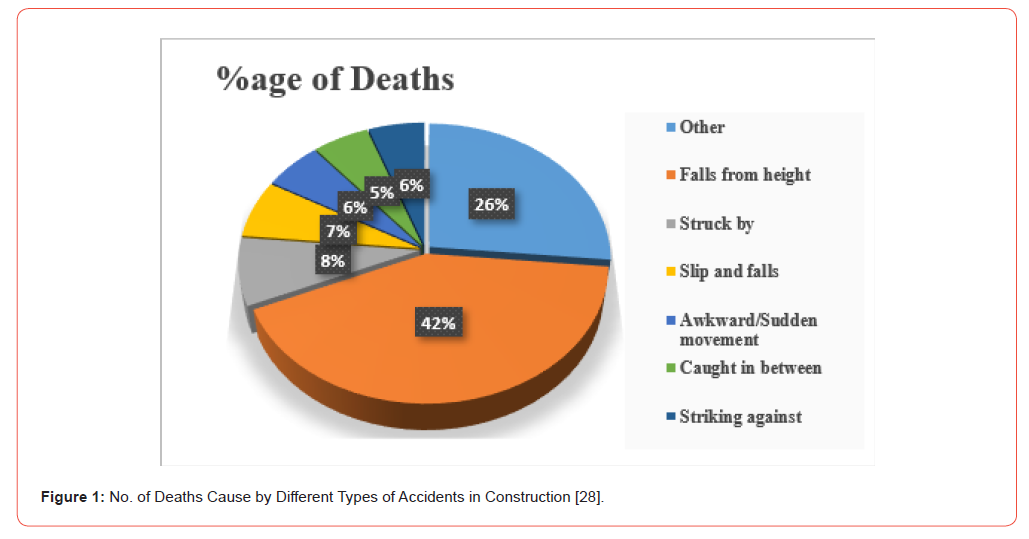
The analysis of accident types causing non-fatal injuries in construction reveals that falls from height remain the leading cause of occupational harm, followed by injuries resulting from awkward movements, slips, and improper handling of materials (Figure 1) [28]. Other incidents such as being struck by objects or caught-in-between accidents occur less frequently; however, they often result in severe consequences when they do occur [81]. These patterns highlight the critical need for continuous improvement in fall prevention systems, site organization, and worker movement management. In recent years, artificial intelligence-based surveillance systems and computer vision technologies have increasingly been deployed to detect unsafe behaviors, monitor compliance with fall protection measures, and provide real-time alerts in hazardous situations. Such advancements significantly enhance proactive risk management capabilities in construction environments [81]. Strengthening preventive measures through structured safety training, improved equipment maintenance, and strict enforcement of safety protocols remains essential for reducing non-fatal injuries. Moreover, systematic hazard identification and predictive risk assessment contribute to reducing incident frequency and improving overall occupational safety performance [82, 83].
Fatal accidents in construction sites are predominantly caused by falls from height, followed by struck-by incidents and caughtin- between hazards [84]. Among these, falls consistently account for the highest proportion of fatalities, underscoring the urgent need for advanced fall protection systems and strict compliance with safety regulations [84]. Addressing fatal accident causes requires a multi-layered safety strategy that integrates engineering controls, behavioral interventions, and regulatory enforcement mechanisms [85]. In contemporary safety systems, AI-driven predictive analytics and real-time monitoring tools are increasingly used to identify high-risk conditions before accidents occur, enabling preventive intervention rather than reactive response. Regular safety audits, combined with digital compliance tracking systems, further enhance workplace protection and accountability [42]. A proactive safety approach that incorporates intelligent technologies, continuous risk assessment, and structured training programs is therefore essential for minimizing fatal incidents and improving long-term construction safety outcomes [86].
Importance of Occupational Health and Safety in Construction
Occupational health and safety (OHS) in the construction industry represents a fundamental component for ensuring workforce protection within an inherently high-risk and dynamically evolving environment [87]. The construction sector continues to face persistent hazards such as falls from height, machinery-related incidents, structural failures, and exposure to hazardous materials, all of which demand robust and continuously evolving safety systems. Effective OHS implementation not only reduces the frequency and severity of occupational accidents but also contributes significantly to improved productivity, operational efficiency, and workforce morale [88]. In contemporary construction practices, particularly within the 2021–2026 digital transformation era, the integration of artificial intelligence, IoTenabled safety systems, and predictive analytics has further strengthened the ability to anticipate risks and prevent accidents before they occur. These systems complement traditional safety measures such as personal protective equipment (PPE), regulatory compliance, and structured safety training programs [89]. As a result, construction organizations can achieve lower injury rates, reduced compensation costs, and improved project sustainability while maintaining higher standards of workplace safety.
Furthermore, the integration of OHS principles is essential for developing a strong safety culture that emphasizes accountability, behavioral discipline, and collective responsibility across all levels of the workforce [90]. In this context, labor unions play a significant role in advocating for workers’ rights, promoting safe working conditions, and ensuring compliance with established safety standards [91]. Their involvement becomes particularly important in developing countries such as Pakistan, where construction safety practices are often secondary to cost, time, and productivity considerations [92]. In such environments, limited enforcement mechanisms and weak institutional oversight can hinder effective safety implementation. Strengthening labor unions and empowering worker representation can therefore serve as a critical mechanism for improving safety governance and ensuring that worker welfare remains a priority.
The endorsement of health and safety practices within the construction industry is essential for minimizing occupational risks and improving long-term project outcomes [93]. A lack of safety prioritization often results in higher accident rates, reduced workforce efficiency, and increased economic and social costs. Conversely, organizations that embed OHS into their core operational values experience enhanced employee performance, improved job satisfaction, and stronger organizational reputation. In modern construction environments, AI-based safety monitoring systems, digital training platforms, and real-time risk assessment tools are increasingly being adopted to reinforce safety compliance and improve decision-making processes. These advancements support proactive hazard identification and ensure continuous improvement in safety performance. Ultimately, integrating occupational health and safety into organizational culture contributes not only to worker protection but also aligns with broader sustainable development goals by fostering safer, healthier, and more productive working environments [100-102].
Awareness of Importance of Health and Safety along with Advantages Raising awareness regarding occupational health and safety (OHS) in the construction industry is both a complex and essential requirement for reducing workplace risks and improving overall safety performance. Effective awareness campaigns, national safety policies, and structured training initiatives play a critical role in strengthening safety culture and ensuring compliance with established standards [103]. In contemporary construction environments, particularly between 2021 and 2026, digital awareness platforms, mobile-based training applications, and AI-supported learning systems have increasingly been adopted to enhance safety communication and improve worker engagement. Construction firms are required to comply with standardized safety regulations and implement systematic risk management strategies to ensure the protection of their workforce [104]. Large-scale awareness programs targeting both employers and workers are essential for improving hazard recognition, behavioral safety practices, and overall compliance with occupational safety requirements [105]. In countries such as Pakistan, which hosts one of the world’s largest labor forces, such initiatives hold particular importance, as they not only improve domestic safety conditions but also enhance workforce competitiveness in international labor markets [106]. Strengthening awareness and education systems ultimately leads to improved safety compliance, reduced accident rates, and better protection of workers across all levels of the construction sector [107].
The implementation of effective safety practices offers substantial advantages that extend beyond injury prevention. The most critical benefit is the preservation of human life, as structured safety systems significantly reduce both minor and severe occupational accidents [108]. In addition, compliance with safety protocols minimizes legal liabilities arising from workplace incidents and enhances organizational reputation in terms of corporate responsibility and ethical compliance [109]. Organizations that maintain strong safety performance also experience reduced absenteeism, lower employee turnover, and improved workforce stability, all of which contribute to enhanced operational efficiency [110]. Furthermore, adherence to robust safety standards strengthens relationships with stakeholders, including suppliers, contractors, and regulatory bodies, thereby improving long-term business opportunities and institutional trust [111]. Improved safety practices also contribute to higher productivity levels by minimizing downtime, reducing disruptions, and improving worker morale [112]. Collectively, these advantages demonstrate that investment in occupational health and safety is not only a regulatory requirement but also a strategic necessity for sustainable industrial growth.
Factors Causing Health and Safety Hazards
The construction industry is exposed to a wide range of occupational health and safety hazards arising from organizational, technical, environmental, and human-related factors. One of the primary causes of unsafe conditions is inadequate safety awareness among senior management and project supervisors, which often leads to weak enforcement of safety protocols and insufficient risk mitigation measures at construction sites [113]. The absence of advanced technical guidance, limited adoption of modern technologies, and lack of standardized operational procedures further intensify safety risks within the sector [114]. Additionally, poor maintenance of equipment, insufficient availability of personal protective equipment (PPE), and inadequate safety training programs significantly contribute to workplace accidents and unsafe working environments [115]. In modern construction systems, the integration of AI-based monitoring tools and predictive safety analytics is increasingly recognized as a key solution to addressing these deficiencies by enabling real-time hazard detection and preventive intervention.
Other contributing factors include the shortage of experienced project managers, lack of skilled labor, weak regulatory enforcement mechanisms, and insufficient investment in occupational safety infrastructure [116]. Low educational levels among workers and excessive working hours further increase fatigue-related risks, which directly contribute to higher accident probabilities [117]. Addressing these challenges requires a comprehensive and multidimensional safety strategy that includes continuous professional development, structured safety education, and technology-driven risk monitoring systems. Strengthening the competency of project managers and ensuring continuous skill development for workers are essential steps toward reducing occupational hazards [118]. Moreover, effective enforcement of safety regulations, combined with organizational commitment to safety investment, is critical for improving compliance and reducing accident rates [119]. Ultimately, fostering a safety-oriented culture supported by technological innovation, regulatory strengthening, and workforce empowerment is essential for achieving long-term improvements in construction industry safety performance.
Limitations and Future Work
This narrative review presents several limitations that should be carefully acknowledged when interpreting the findings. First, the study relies exclusively on secondary data sources, which, although extensive and diverse, may introduce inherent biases associated with the methodologies, sampling techniques, and reporting standards of the original studies. The absence of primary data collection limits the ability to validate findings within controlled experimental or localized construction environments. Additionally, while the review incorporates evidence from multiple geographical regions, there is a noticeable overrepresentation of studies from countries such as Pakistan, Iran, China, and South Korea. This geographical imbalance may restrict the global generalizability of the conclusions, particularly for underrepresented regions including Europe, Sub-Saharan Africa, and Latin America. Another limitation is the partial reliance on earlier datasets due to the limited availability of recent, openly accessible construction safety statistics in several developing countries. Furthermore, the absence of meta-analytical techniques or formal model validation reduces the statistical strength and predictive reliability of the synthesized findings.
Despite these limitations, the study provides several important directions for future research in occupational health and safety within the construction industry. Future studies should prioritize empirical validation of the proposed conceptual framework through field-based investigations, controlled safety experiments, and large-scale cross-national surveys. Longitudinal research designs are particularly needed to evaluate the long-term effectiveness of emerging safety interventions, including artificial intelligence-driven predictive safety systems, IoT-enabled wearable monitoring devices, and digital twin-based construction safety simulations. These technologies can provide continuous, realtime risk assessment and significantly improve hazard prevention strategies. Moreover, future research should explore the integration of worker psychology, behavioral safety science, and human factors engineering by incorporating cognitive load analysis, stress monitoring, and behavioral pattern recognition to better understand decision-making under risk conditions.
In addition, comparative policy studies across different economic, regulatory, and industrial contexts are essential to identify transferable best practices and develop standardized global safety models. Strengthening interdisciplinary collaboration among academia, construction industry stakeholders, and regulatory authorities will be critical for advancing innovation in safety management systems. Collectively, these future research directions support the development of a globally adaptable, AIenabled, and evidence-based occupational health and safety framework aligned with Sustainable Development Goals (SDGs), particularly those related to decent work, industry innovation, and sustainable infrastructure development.
Conclusions
This narrative review critically examined the evolving role of occupational health and safety (OHS) practices in the construction industry, incorporating recent scholarly evidence and industrybased findings to provide a comprehensive synthesis of global safety challenges and advancements. The analysis demonstrates that, despite significant progress in construction safety technologies and regulatory frameworks, the industry continues to face persistent and high-impact hazards such as falls from height, electrocution, struck-by incidents, and equipment-related accidents. These risks highlight the necessity of integrating advanced safety technologies with established safety management systems, including structured training programs, strict regulatory enforcement, and a strong organizational safety culture to effectively reduce accident rates and improve worker protection.
A key finding of this review is that construction safety challenges remain deeply influenced by both technical and human factors. Statistical evidence consistently shows that high-risk activities such as crane operations, lifting tasks, and electrical work require targeted safety interventions supported by continuous hazard monitoring and predictive risk assessment. In the 2021– 2026 technological landscape, artificial intelligence, Internet of Things (IoT), and real-time monitoring systems are increasingly being adopted to enhance hazard detection, reduce response time, and improve decision-making in safety-critical environments. Furthermore, effective implementation of Health, Safety, and Environment (HSE) guidelines, including proper use of personal protective equipment (PPE), routine inspections, and structured safety training, remains fundamental to reducing occupational injuries and fatalities.
The review also highlights significant regional variations in occupational hazards. In countries such as China and Iran, falls remain the dominant cause of workplace injuries, strongly linked to inadequate training, unsafe working conditions, and limited supervision. Evidence further indicates that younger workers, particularly those aged 20–29, and individuals with less than one year of experience are at substantially higher risk of occupational accidents. Environmental and temporal factors, including seasonal workload variations and end-of-month operational pressure, further exacerbate these risks. In the United States, fall-related safety violations account for a major proportion of construction incidents, underscoring the importance of comprehensive safety management systems involving all levels of personnel. Additionally, smaller construction firms consistently exhibit higher injury rates compared to larger organizations, reflecting disparities in safety resources, training, and enforcement capacity.
Occupational health and safety are therefore a critical determinant of both workforce protection and productivity enhancement in the construction sector. The integration of robust safety protocols, continuous training, and emerging digital technologies not only reduces accident rates but also improves operational efficiency, worker morale, and organizational performance. Labor unions also play a supportive role in strengthening safety culture by advocating for worker rights and ensuring compliance with safety standards, although their effectiveness varies depending on institutional and organizational contexts.
Finally, this review emphasizes that future advancements in construction safety will depend on the integration of empirical research, advanced digital technologies, and interdisciplinary collaboration. Future studies should prioritize field-based validation, longitudinal assessments, and cross-sector partnerships to improve the applicability and effectiveness of safety interventions. Alignment with Sustainable Development Goals (SDGs), particularly those related to decent work, industry innovation, and sustainable infrastructure, will be essential for developing a globally relevant and AI-enabled occupational safety framework.
Overall, the findings confirm that proactive, technologyenhanced, and human-centered safety strategies are essential for reducing occupational risks and ensuring a safer and more sustainable construction industry.
Funding Statement
Not Applicable.
Conflict of Interest
Authors declare that they have no conflict of interest with this publication.
References
- Moniri-Morad, MS Shishvan, M Aguilar, M Goli, J Sattarvand (2023) Powered haulage safety, challenges, analysis, and solutions in the mining industry: a comprehensive review Results in Engineering, 101684.
- M Khan, R Khalid, S Anjum, N Khan, S Cho, C Park (2022) Tag and IoT based safety hook monitoring for prevention of falls from height. Automation in Construction 136: 104153.
- P Fraga-Lamas, TM Fernández-Caramés, M Suárez-Albela, L Castedo, MA González-López (2016) A review on internet of things for defense and public safety. Sensors 16(10): 1644.
- K Lyon (2020) Using the Hydropower Sustainability Tools in World Bank Group Client Countries, Lesson Learned and Recommendations.
- U Ranasinghe, LM Tang, C Harris, W Li, J Montayre, et al. (2023) A systematic review on workplace health and safety of ageing construction workers. Safety Science 167: 106276.
- M Lari (2024) A longitudinal study on the impact of occupational health and safety practices on employee productivity. Safety Science 170: 106374.
- AF Ambrose, L Cruz, G Paul (2015) Falls and fractures: a systematic approach to screening and prevention. Maturitas 82: 85-93.
- H Lingard (2013) Occupational health and safety in the construction industry. Construction Management and Economics 31: 505-514.
- G Grote (2012) Safety management in different high-risk domains - all the same? Safety Science 50: 1983-1992.
- M Bayram, MC Ünğan (2020) The relationships between OHS prevention costs, OHSMS practices, employee satisfaction, OHS performance and accident costs. Total Quality Management & Business Excellence 31: 1325-1344.
- N Egels-Zandén, J Merk (2014) Private regulation and trade union rights: Why codes of conduct have limited impact on trade union rights. Journal of Business Ethics 123: 461-473.
- L Botti, R Melloni, M Oliva (2022) Learn from the past and act for the future: A holistic and participative approach for improving occupational health and safety in industry. Safety Science 145: 105475.
- AM Makin, C Winder (2008) A new conceptual framework to improve the application of occupational health and safety management systems. Safety Science 46: 935-948.
- G Claxton, P Hosie, P Sharma (2022) Toward an effective occupational health and safety culture: A multiple stakeholder perspective. Journal of Safety Research 82: 57-67.
- A Pinto, IL Nunes, RA Ribeiro (2011) Occupational risk assessment in construction industry - Overview and reflection. Safety Science 49: 616-624.
- E Tepeli, F Taillandier, D Breysse (2021) Multidimensional modelling of complex and strategic construction projects for a more effective risk management. International Journal of Construction Management 21: 1218-1239.
- ADU Rafindadi, M Napiah, I Othman, M Mikic, YY Al-Ashmori (2020) Rate of occurrence of fatal accidents in Malaysian construction industry after BIM implementation. International Journal of Engineering and Management Research 10: 49-76.
- F Costantino, A Falegnami, L Fedele, M Bernabei, S Stabile, et al. (2021) New and emerging hazards for health and safety within digitalized manufacturing systems. Sustainability 13: 10948.
- FA Rahman, K Arifin, A Abas, M Mahfudz, M Basir Cyio, M Khairil, MA Samad (2022) Sustainable safety management: A safety competencies systematic literature review. Sustainability 14: 6885.
- SA Hassan (2012) Health, safety and environmental practices in the construction sector of Pakistan.
- EA Nadhim, C Hon, B Xia, I Stewart, D Fang (2016) Falls from height in the construction industry: A critical review of the scientific literature. International Journal of Environmental Research and Public Health 13: 638.
- M Pilarczyk, R Ulewicz (2023) Evaluating occupational hazards and prevention strategies in agriculture: case study. System Safety: Human–Technical Facility–Environment 5: 212-223.
- D Almaskati, S Kermanshachi, A Pamidimukkala, K Loganathan, Z Yin (2024) A review on construction safety: Hazards, mitigation strategies, and impacted sectors. Buildings 14: 526.
- Shao, Z Hu, Q Liu, S Chen, W He (2019) Fatal accident patterns of building construction activities in China. Safety Science 111: 253-263.
- MD Cooper (2019) The efficacy of industrial safety science constructs for addressing serious injuries & fatalities (SIFs). Safety Science 120: 164-178.
- RM Park, A Bhattacharya (2013) Uncompensated consequences of workplace injuries and illness: Long-term disability and early termination. Journal of Safety Research 44: 119-124.
- RM Choudhry, D Fang, S Mohamed (2007) The nature of safety culture: A survey of the state-of-the-art. Safety Science 45: 993-1012.
- M Shafique, M Rafiq (2019) An overview of construction occupational accidents in Hong Kong: A recent trend and future perspectives. Applied Sciences 9: 2069.
- Bonauto, B Silverstein, D Adams, M Foley (2006) Prioritizing industries for occupational injury and illness prevention and research, Washington State Workers’ compensation claims, 1999-2003. Journal of Occupational and Environmental Medicine 48: 840-851.
- Gharaie, H Lingard, T Cooke () Causes of fatal accidents involving cranes in the Australian construction industry. Construction Economics and Building 15 (2015): 1-12.
- M Pagell, R Klassen, D Johnston, A Shevchenko, S Sharma (2015) Are safety and operational effectiveness contradictory requirements: The roles of routines and relational coordination. Journal of Operations Management 36: 1-14.
- S Rajendran, S Giridhar, S Chaudhari, PK Gupta (2021) Technological advancements in occupational health and safety. Measurement and Sensors 15: 100045.
- MR Hallowell, JW Hinze, KC Baud, A Wehle (2013) Proactive construction safety control: Measuring, monitoring, and responding to safety leading indicators. Journal of Construction Engineering and Management 139: 04013010.
- Y Halabi, H Xu, D Long, Y Chen, Z Yu, et al. (2022) Causal factors and risk assessment of fall accidents in the US construction industry: A comprehensive data analysis (2000-2020). Safety Science 146: 105537.
- M Delikhoon, E. Zarei, OV Banda, M Faridan, E Habibi (2022) Systems thinking accident analysis models: A systematic review for sustainable safety management. Sustainability 14: 5869.
- T Kontogiannis (2012) Modeling patterns of breakdown (or archetypes) of human and organizational processes in accidents using system dynamics. Safety Science 50: 931-944.
- Y Li, FW Guldenmund (2018) Safety management systems: A broad overview of the literature. Safety Science 103: 94-123.
- M DeJoy (2005) Behavior change versus culture change: Divergent approaches to managing workplace safety. Safety Science 43: 105-129.
- A Albert, MR Hallowell, M Skaggs, B Kleiner (2017) Empirical measurement and improvement of hazard recognition skill. Safety Science 93: 1-8.
- A Jain, J Hassard, S Leka, C Di Tecco, S Iavicoli (2021) The role of occupational health services in psychosocial risk management and the promotion of mental health and well-being at work. International Journal of Environmental Research and Public Health 18: 3632.
- H Khoshakhlagh, M Malakoutikhah, J Park, MD Kodnoueieh, ZR Boroujeni, et al. (2024) Assessing personal protective equipment usage and its correlation with knowledge, attitudes, performance, and safety culture among workers in small and medium-sized enterprises. BMC Public Health 24: 1987.
- V Hajipour, H Amouzegar, A Gharaei, MSG Abarghoei, S Ghajari (2021) An integrated process-based HSE management system: A case study. Safety Science 133: 104993.
- M Koivupalo, M Sulasalmi, P Rodrigo, S Väyrynen (2015) Health and safety management in a changing organisation: Case study global steel company. Safety Science 74: 128-139.
- A Soltanzadeh, M Mahdinia, AO Omidi, E Jafarinia, E Zarei, et al. (2022) Analyzing health, safety, and environmental risks of construction projects using the fuzzy analytic hierarchy process: A field study based on a project management body of knowledge. Sustainability 14: 16555.
- SL Tamers, J Streit, R Pana-Cryan, T Ray, L Syron, MA Flynn, J Howard (2020) Envisioning the future of work to safeguard the safety, health, and well-being of the workforce: A perspective from the CDC's National Institute for Occupational Safety and Health. American Journal of Industrial Medicine 63: 1065-1084.
- MD Martínez-Aires, MC Rubio Gámez, A Gibb (2015) The impact of occupational health and safety regulations on prevention through design in construction projects: Perspectives from Spain and the United Kingdom. Work 53: 181-191.
- AP Chan, Y Yang, TN Choi, JM Nwaogu (2022) Characteristics and causes of construction accidents in a large-scale development project. Sustainability 14: 4449.
- N Nenonen (2013) Analysing factors related to slipping, stumbling, and falling accidents at work: Application of data mining methods to Finnish occupational accidents and diseases statistics database. Applied Ergonomics 44: 215-224.
- M Hoeft, C Trask (2022) Safety built right in: Exploring the occupational health and safety potential of BIM-based platforms throughout the building lifecycle. Sustainability 14: 6104.
- M Varghese, A Hansen, P Bi, D Pisaniello (2018) Are workers at risk of occupational injuries due to heat exposure? A comprehensive literature review. Safety Science 110: 380-392.
- AL Arquillos, JCR Romero, A Gibb (2012) Analysis of construction accidents in Spain, 2003-2008. Journal of Safety Research 43: 381-388.
- L Di Milia, MH Smolensky, G Costa, HD Howarth, MM Ohayon, P Philip (2011) Demographic factors, fatigue, and driving accidents: An examination of the published literature. Accident Analysis & Prevention 43: 516-532.
- A Manzoor, I Othman, JC Pomares, HY Chong (2021) A research framework of mitigating construction accidents in high-rise building projects via integrating building information modeling with emerging digital technologies. Applied Sciences 11: 8359.
- OS Williams, RA Hamid, MS Misnan (2019) Causes of building construction-related accidents in the south-western states of Nigeria. International Journal of Built Environment and Sustainability 6: 14-22.
- JK Wachter, PL Yorio (2014) A system of safety management practices and worker engagement for reducing and preventing accidents: An empirical and theoretical investigation. Accident Analysis & Prevention 68: 117-130.
- M Amiri, A Ardeshir, MHF Zarandi (2014) Risk-based analysis of construction accidents in Iran during 2007-2011: A meta-analysis study. Iranian Journal of Public Health 43: 507.
- SA Basha, J Maiti (2013) Relationships of demographic factors, job risk perception, and work injury in a steel plant in India. Safety Science 51: 374-381.
- S Fass, R Yousef, D Liginlal, P Vyas (2017) Understanding causes of fall and struck-by incidents: What differentiates construction safety in the Arabian Gulf region? Applied Ergonomics 58: 515-526.
- MS Tonetto, TA Saurin (2021) Choosing fall protection systems in construction sites: Coping with complex rather than complicated systems. Safety Science 143: 105412.
- AR Hale, FW Guldenmund, PL van Loenhout, JIH Oh (2010) Evaluating safety management and culture interventions to improve safety: Effective intervention strategies. Safety Science 48: 1026-1035.
- KW Edwin, M Nilsen, E Albrechtsen (2021) Why is the construction industry killing more workers than the offshore petroleum industry in occupational accidents? Sustainability 13: 7592.
- N Turner, C Deng, S Granger, TGWingate, R Shafqat, PM Dueck (2022) Young workers and safety: A critical review and future research agenda. Journal of Safety Research 83: 79-95.
- A Kreshpaj, T Bodin, DH Wegman, N Matilla-Santander, B Burström, K Kjellberg, C Orellana (2022) Under-reporting of non-fatal occupational injuries among precarious and non-precarious workers in Sweden. Occupational and Environmental Medicine 79: 3-9.
- S Yu, EW Welch (2024) Responding strategically to natural hazards: The role of hazard experience, infrastructure vulnerability, and risk perception in transit agency coordination with stakeholders. Journal of Environmental Planning and Management 67: 108-130.
- A Scott, B Davis-Sramek, DJ Ketchen Jr (2024) Men at work… unsafely: Gender differences in compliance with safety regulations in the trucking industry. Production and Operations Management.
- J Park, JS Park, Y Jung, M Na, Y Kim (2024) Factors affecting work-related non-fatal injuries among aged workers in South Korea. Frontiers in Public Health 12: 1260337.
- Y Chen, D Hyatt, A Shahi, A Hanna, M Safa (2024) How can conflicts with supervisors or coworkers affect construction workers’ safety performance on site? Two cross-sectional studies in North America. Buildings 14: 1245.
- A Qian, P Balaji, D Crilly, Y Liu (2024) Better safe than sorry: CEO regulatory focus and workplace safety. Journal of Management 50: 1453-1487.
- Bravo, C Viviani, M Lavallière, P Arezes, M Martínez, et al. (2022) Do older workers suffer more workplace injuries? A systematic review. International Journal of Occupational Safety and Ergonomics 28: 398-427.
- P Kenny, JE Yardley, L Martineau, O Jay (2008) Physical work capacity in older adults: Implications for the aging worker. American Journal of Industrial Medicine 51: 610-625.
- A Albanesi, M Piredda, M Bravi, F Bressi, R Gualandi, et al. (2022) Interventions to prevent and reduce work-related musculoskeletal injuries and pain among healthcare professionals: A comprehensive systematic review of the literature. Journal of Safety Research 82: 124-143.
- LJ Bellamy (2015) Exploring the relationship between major hazard, fatal and non-fatal accidents through outcomes and causes. Safety Science 71: 93-103.
- M Peron, S Arena, GJL Micheli, F Sgarbossa (2022) A decision support system for designing win–win interventions impacting occupational safety and operational performance in ageing workforce contexts. Safety Science 147: 105598.
- L Talarico, G Reniers (2016) Risk-informed decision making of safety investments by using the disproportion factor. Process Safety and Environmental Protection 100: 117-130.
- Z Zhou, YM Goh, Q Li (2015) Overview and analysis of safety management studies in the construction industry. Safety Science 72: 337-350.
- KS Dewlaney, M Hallowell (2012) Prevention through design and construction safety management strategies for high-performance sustainable building construction. Construction Management and Economics 30: 165-177.
- K Jørgensen (2016) Prevention of ‘simple accidents at work’ with major consequences. Safety Science 81: 46-58.
- J Smallwood, H Lingard (2013) Occupational health and safety (OH&S) and corporate social responsibility. In Corporate Social Responsibility in the Construction Industry: 272-297.
- Lingard (2013) Occupational health, safety and workers’ wellbeing. In Human Resource Management in Construction, 130-162.
- OS Opaleye, AA Talukhaba (2014) Evaluating causes of workers’ fatality on construction sites in the city of Tshwane Metropolitan Municipality, 281.
- PX Zou (2011) Fostering a strong construction safety culture. Leadership and Management in Engineering 11: 11-22.
- M Törner, A Pousette (2009) Safety in construction - A comprehensive description of the characteristics of high safety standards in construction work, from the combined perspective of supervisors and experienced workers. Journal of Safety Research 40: 399-409.
- A Berliner, A Greenleaf, M Lake, J Noveck (2015) Building capacity, building rights? State capacity and labor rights in developing countries. World Development 72: 127-139.
- Y Kim, J Park, M Park (2016) Creating a culture of prevention in occupational safety and health practice. Safety and Health at Work 7: 89-96.
- T Mylett, J Stubbs (2006) Awareness of OHS rights and responsibilities: An evaluation of a trade union training campaign. Employment Relations Record 6: 1-21.
- R Johnstone, M Quinlan, M McNamara (2011) OHS inspectors and psychosocial risk factors: Evidence from Australia. Safety Science 49: 547-557.
- K Frick (2011) Worker influence on voluntary OHS management systems-A review of its ends and means. Safety Science 49: 974-987.
- M Zanko, P Dawson (2012) Occupational health and safety management in organizations: A review. International Journal of Management Reviews 14: 328-344.
- M Buckley, A Zendel, J Biggar, L Frederiksen, J Wells (2016) Migrant work & employment in the construction sector. International Labour Organization.
- NS Yiu, DW Chan, M Shan, NN Sze (2019) Implementation of safety management system in managing construction projects: Benefits and obstacles. Safety Science 117: 2332.
- PA Hymel, RR Loeppke, CM Baase, WN Burton, NP Hartenbaum, et al. (2011) Workplace health protection and promotion: A new pathway for a healthier-and safer-workforce. Journal of Occupational and Environmental Medicine 53: 695-702.
- G Zwetsloot, F Pot (2004) The business value of health management. Journal of Business Ethics 55: 115-124.
- G Claxton, P Hosie, P Sharma (2022) Toward an effective occupational health and safety culture: A multiple stakeholder perspective. Journal of Safety Research 82: 57-67.
- Parker, M Lawrie, P Hudson (2006) A framework for understanding the development of organisational safety culture. Safety Science 44: 551-562.
- S Zhang, J Teizer, JK Lee, CM Eastman, M Venugopal (2013) Building information modeling (BIM) and safety: Automatic safety checking of construction models and schedules. Automation in Construction 29: 183-195.
- P Hudson (2007) Implementing a safety culture in a major multi-national. Safety Science 45: 697-722.
- Zhang (2021) Internationalization of China's Developmental State: Mechanisms and Impacts. Doctoral Dissertation, George Mason University.
- N Umeokafor, K Evangelinos, A Windapo (2022) Strategies for improving complex construction health and safety regulatory environments. International Journal of Construction Management 22: 1333-1344.
- Al-Otaibi, AF Kineber (2023) Identifying and assessing health and safety program implementation barriers in the construction industry: A case of Saudi Arabia. Applied Sciences 13: 2630.
- G Sorensen, JT Dennerlein, SE Peters, EL Sabbath, EL Kelly, et al. (2021) The future of research on work, safety, health and wellbeing: A guiding conceptual framework. Social Science & Medicine 269: 113593.
- K Liker, TY Choi (2004) Building deep supplier relationships. Harvard Business Review 82: 104-113.
- W Hooi, TY Leong (2017) Total productive maintenance and manufacturing performance improvement. Journal of Quality in Maintenance Engineering 23: 2-21.
- Hasan, R. Khanam, A. M. Zaman, M. Ibrahim. “Occupational health and safety status of ongoing construction work in Patuakhali Science and Technology University, Dumki, Patuakhali.” Journal of Health and Environmental Research 3 (2017): 72-83.
- Mohammadi, M. Tavakolan, Y. Khosravi. “Factors influencing safety performance on construction projects: A review. Safety Science 109 (2018): 382–397.
- Sharma, Z. Hasan, A. Velayudhan, E. MA, D. K. Mangal, S. D. Gupta. “Personal protective equipment: challenges and strategies to combat COVID-19 in India: A narrative review. Journal of Health Management 22 (2020): 157-168.
- H Doloi, A Sawhney, KC Iyer, S Rentala (2012) Analysing factors affecting delays in Indian construction projects. International Journal of Project Management 30: 479-489.
- TW Taris, JF Ybema, DG Beckers, MW Verheijden, SA Geurts, MA Kompier (2011) Investigating the associations among overtime work, health behaviors, and health: A longitudinal study among full-time employees. International Journal of Behavioral Medicine 18: 352-360.
- AP McCoy, P O’Brien, V Novak, M Cavell (2012) Toward understanding roles for education and training in improving green jobs skills development. International Journal of Construction Education and Research 8: 186-203.
- F Kineber, MF Antwi-Afari, F Elghaish, AM Zamil, M Alhusban, TJO Qaralleh (2023) Benefits of implementing occupational health and safety management systems for the sustainable construction industry: A systematic literature review. Sustainability 15: 12697.
-

This work is licensed under a Creative Commons Attribution-NonCommercial 4.0 International License.