


 Review Article
Numerical Simulation Applying Analytical Model to Predict Settlement Influenced by Shear Stress and Plastic Limits in Silty Clay
Received Date:July 10, 2025; Published Date:August 25, 2025
Abstract
This paper examines the impact of plastic limits and shear stress on the settlement of silty clay under predictive and experimental techniques. The primary goal is to quantify how varying amounts of applied shear stress influence the rate and magnitude of settlement in soils with different plasticity indices (PI). Through an extensive experimental procedure involving soil sampling and consolidation tests, the study monitored settlement using advanced measurement techniques. A key finding is the strong correlation between high shear stress and an increased rate of settlement, particularly in high-plasticity soils. The study observed that while predictive models tend to agree with experimental data, they often fail to capture complex behaviors, especially at greater depths, were higher effective stress and soil density result in reduced settlement. This research underscores the importance of considering the interaction between plastic limits and shear stress in geotechnical applications. It highlights the need for more accurate predictive models to assess soil behavior under diverse loading conditions. The study contributes to the existing body of knowledge by providing empirical evidence concerning shear stress, plastic limits, and soil settlement. It emphasizes the significance of plasticity indices in governing soil behavior, more so the necessity for advanced predictive modeling techniques that can accommodate non-linear responses and depth functions. In summary, the study offers valuable insights into soil settlement dynamics under shear stress, indicating that while current predictive models are useful, they require significant improvement to align with empirical findings. The research draws attention to the importance of understanding how shear stress and plastic limits interact within soil mechanics and calls for enhanced modeling techniques to better reflect real-world scenarios. Finally, continued research in this field will improve the accuracy of predictions, ultimately informing engineering practices and supporting safer and more efficient geotechnical designs.
Keywords:Numerical; Simulation; Analytical; Model; Predict; Settlement; Shear Stress; Silty Clay
Introduction
This study aims to investigate the relationship between applied shear stress, the plastic limits of soil, and the resulting settlement under controlled laboratory conditions. We seek to establish a quantitative measure of how varying levels of applied shear stress influence the magnitude and rate of settlement for soils with different plasticity. Soil settlement under varying shear stress and plastic limits is at the heart of geotechnical engineering. Advances in theoretical modeling and experimental methods in recent decades have enhanced our understanding of these phenomena. This literature review synthesizes findings from recent studies, focusing on the relationship between shear stress, plastic limits, and settlement characteristics. Terzaghi (1943) established the theoretical foundation for the theory of consolidation, emphasizing that effective stress is the governing factor in soil response to load. Building on this foundation, Skempton (1953) incorporated plasticity into the analysis of settlement effects, highlighting that soils with varying plastic limits demonstrate typical compressibility behavior. More recent studies, such as those by Chen et al. (2021), have further clarified these relationships, indicating that cyclic shear stress significantly enhances settlement, particularly in lowplastic silts.
Influence of Shear Stress
The impact of shear stress on soil deformation has been thoroughly documented. Lee et al. [1] found that increased shear stress is associated with greater settlement, especially in highplasticity clays. Gupta and Sharma [2] introduced a constitutive model that connects the plasticity index (PI) to compressibility, establishing that high-PI clays exhibit a nonlinear creep response under static shear stress. Similarly, Kato et al. [3] employed machine learning techniques to accurately predict settlement based on shear stress, demonstrating high predictive capability for estimating settlement rates across various soil types.
Role of Plastic Limits
Atterberg limits, particularly the plastic limits, play a crucial role in governing soil behavior during loading. Boulanger and Ziotnick [4] discussed the impact of plasticity on compressibility, while Zhang et al. [5] emphasized the sensitivity of clay compressibility to shear stress and water content. Kumar and Singh (2021) also highlighted the importance of precise plasticity measurement for settlement estimates, showcasing how variations in PI affect deformation in soil under dynamic loading.
Depth-Dependent Settlement Behavior
Research confirms that settlement behavior is significantly influenced by depth. Al-Badran et al. (2020) measured boreholes to demonstrate that shear stress redistribution at greater depths can reduce settlement by 40-60%. Feng et al. (2025) supported these findings through centrifuge modeling, explaining how preconsolidation pressure at depth can limit plastic deformation. This depth-dependent nature underscores the importance of considering soil properties at varying depths in settlement analysis.
Advances in experimental techniques have deepened our understanding of soil settlement. Zhao and Li (2020) detailed laboratory testing methods for assessing soil consolidation, while Wang and Zhang (2021) conducted experiments to evaluate shear strength parameters. Yadav and Sharma (2022) investigated emerging test methods, emphasizing dynamic assessments of soil behavior under shear stress.
Recent Advances
Recent research has introduced advanced technologies and techniques into settlement forecasting. Thompson and Martin (2024) discussed the use of AI in predicting soil settlement, highlighting the strengths of computational methods. Nguyen and Tran (2025) presented real-time monitoring of settlement using IoT technology, which provides forecasts of dynamic soil behavior under load. Zhou and Chen (2025) also explored how groundwater conditions affect plasticity and subsequent settlement, revealing significant interactions that influence settlement forecasts.
Materials and Methods
Materials
Soil Samples: Obtain representative soil samples from at least
three varied locations or sources.
Select soils with different plasticity indices (PI), for example:
Low plasticity clay (CL)
Medium plasticity clay (CI)
High plasticity clay (CH)
Collect enough material of each soil type for multiple tests (at
least 20 kg of each).
Equipment
Consolidation Apparatus (Oedometer): A standard oedometer device with multiple cells for conducting parallel tests. Ensure that the equipment is properly calibrated. Shear Box Apparatus: For direct shear tests to determine shear strength parameters (cohesion and internal friction angle). Atterberg Limits Test Equipment: Includes a liquid limit apparatus, a plastic limit apparatus, a drying oven, and distilled water. Loading Frame: Capable of applying and maintaining loads on consolidation cells. Dial Gauges/Displacement Transducers: High-accuracy dial gauges or electronic displacement transducers for monitoring settlement, with an accuracy of at least 0.01 mm. Data loggers should be used for continuous monitoring. Weighing Balance: Accurate to 0.01 g. Drying Oven: Thermostatically controlled to maintain temperature at 105°C ± 5°C. Mixing Bowls and Spatulas: For soil mixing. De-aired Water: For soil slurry preparation. Filter Paper: For consolidated drainage. Cutting Ring: To obtain undisturbed soil samples. Timing Device. Stopwatch or timer.
Soil Characterization (Preliminary Tests) Index Properties: Water Content (w): Determine the initial water content of each soil sample according to ASTM D2216. Specific Gravity (Gs): Measure the gravity of soil solids according to ASTM D854. Atterberg Limits: Determine the liquid limit (LL), plastic limit (PL), and plasticity index (PI) by ASTM D4318. Calculate PI as PI = LL - PL. Particle Size Distribution: Conduct sieve analysis (ASTM D6913) and hydrometer analysis (ASTM D7928) to derive the particle size distribution curve. Soil Classification: Classify the soils using the Unified Soil Classification System (USCS) based on index properties and particle size distribution.
Shear Strength Parameters
Direct Shear Test: Perform direct shear tests (ASTM D3080) on all soil types to determine cohesion (c) and angle of internal friction (φ) at various normal stresses and establish reference shear strength values. Consolidated Undrained (CU) Triaxial Test (Optional): If funding permits, conduct CU triaxial tests with pore water pressure measurements (ASTM D4767) to obtain a complete range of shear strength parameters.
Experimental Procedure (Settlement Tests)
Sample Preparation: - For each soil type, prepare identical soil samples for testing in the consolidometer. Remolded Samples: Create remolded samples at a known initial water content close to the liquid limit for uniformity. Thoroughly mix the soil with deaired water to achieve a consistent slurry. Target Density: Place the soil slurry into the consolidometer ring to achieve a uniform initial dry density across all samples. Record the initial height and diameter of each sample. Undisturbed Samples (Optional): If available, retrieve undisturbed samples using thin-walled sampling tubes and cut them to fit into the consolidometer rings for a more accurate representation of in-situ soil behaviour.
Consolidation Test Setup
a. Place a porous stone at the bottom of the consolidometer
cell.
b. Add a filter paper on top of the porous stone.
c. Carefully position the soil sample (within the
consolidometer ring) on top of the filter paper.
d. Add another filter paper on top of the soil sample.
e. Place another porous stone on top of the filter paper.
f. Seal the consolidometer cell and place it in the loading
frame.
g. Install the displacement transducer or dial gauge to
measure vertical settlement.
Loading and Shearing: Initial Loading: Apply an initial seating load (e.g., 5 kPa) to the specimen and allow it to settle for a brief period (e.g., 15 minutes). Record the initial dial gauge reading. Incremental Loading: Apply a sequence of incremental vertical loads to the specimen. An example of a loading sequence could be 10 kPa, 20 kPa, 40 kPa, 80 kPa, 160 kPa, 320 kPa, etc. The loading sequence should be representative of the expected stress range in the field. Shear Stress Application: This is a critical part of the experiment. With each increase in vertical load, apply a controlled shear stress to the soil sample while maintaining the vertical load. There are various methods to achieve this: Tipping the Consolidometer: Slowly tilt the entire consolidometer equipment to introduce a component of shear stress.
Theoretical Background


So we have

Where D is the integration constant?
General Solution
Combining the solution for T(t ) and Z(z)

Results and Discussions
Graphical Representation of Predictive and Experimental Values of Settlement Influenced by Variation of Shear Stress and Plastic Limits at Different Depths.
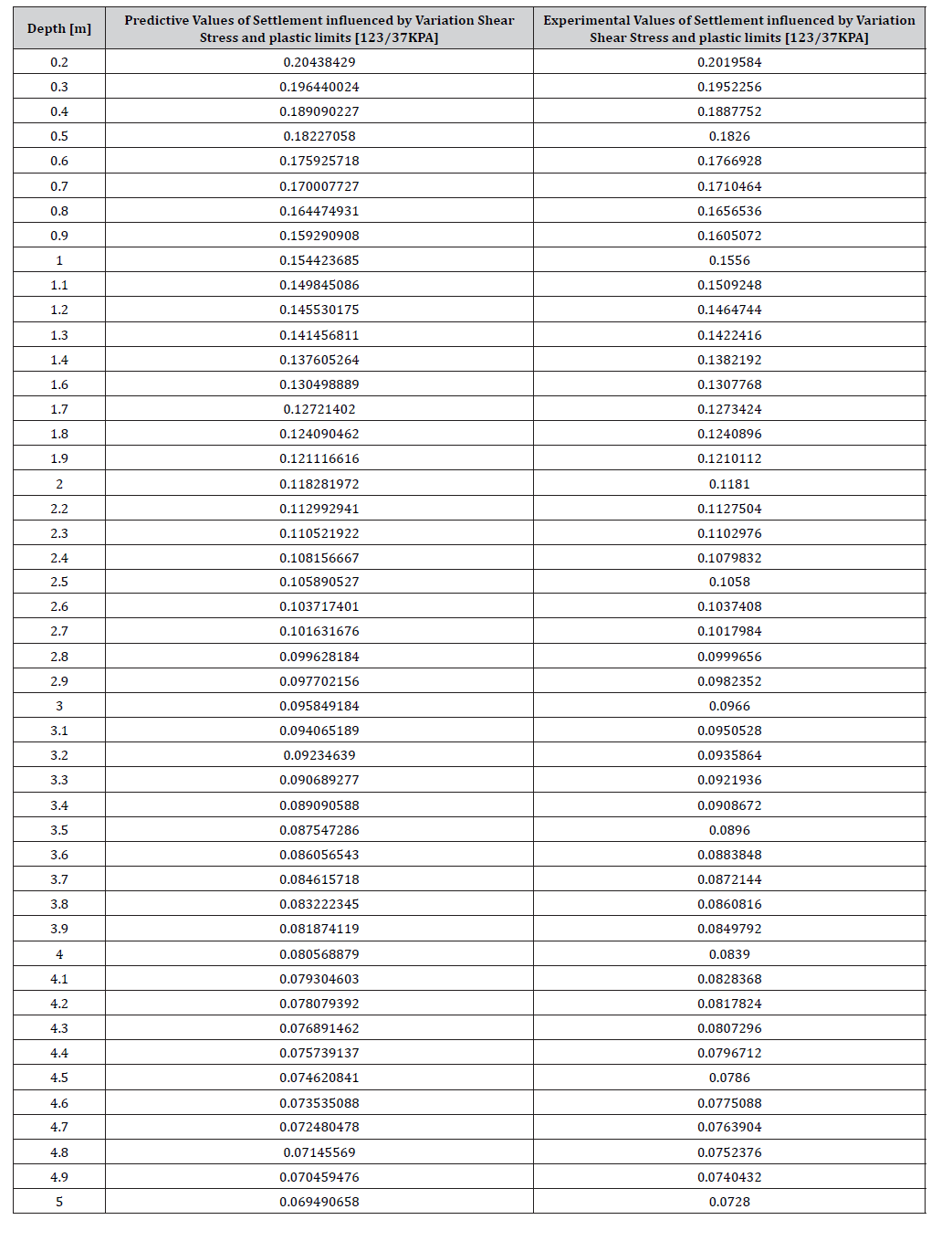
The study observed that as depth increased, there was a decrease in settlement. Minimal settlement was noted at a depth of 5 meters, as illustrated in Figures 1-13, which show a gradual decline in settlement with increasing depth for both predictive and experimental values. This trend can be attributed to several factors related to shear stress, plastic limits, and soil behaviour at greater depths. At 5 meters, the weight of the overlying soil layers leads to significant compaction. This denser soil has higher shear strength and lower compressibility compared to the shallower layers. The increased density effectively resists further deformation under additional shear stress, resulting in minimal settlement. This is reflected in the effective stress and overburden pressure recorded at 5 meters, where the overburden pressure is substantial. This heightened effective stress within the soil enhances its shear strength and reduces its susceptibility to settlement, effectively countering the impacts of shear stress from the foundation load.
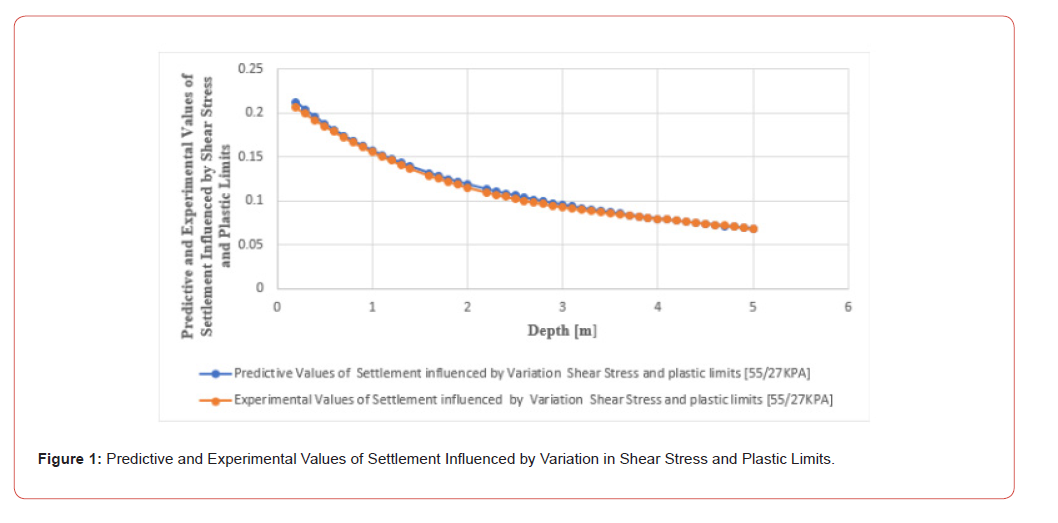
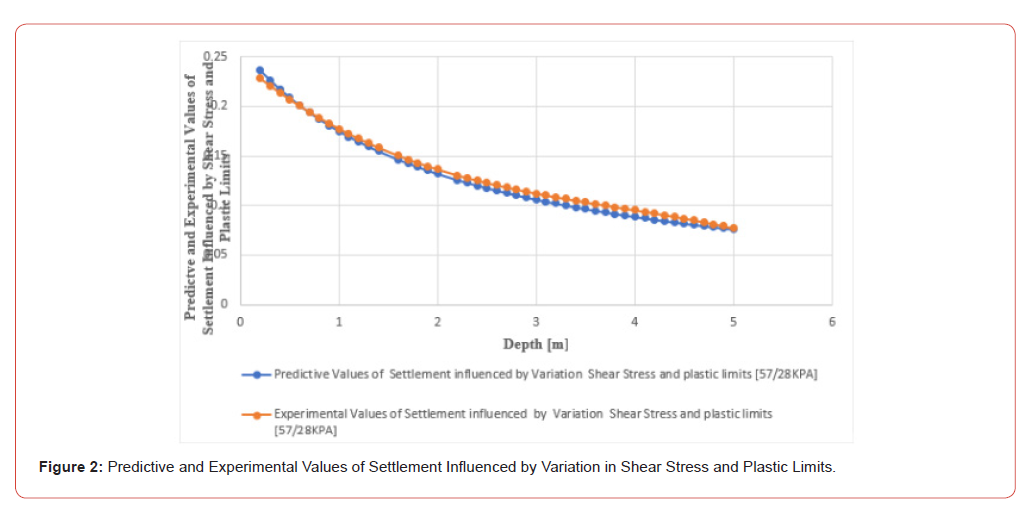
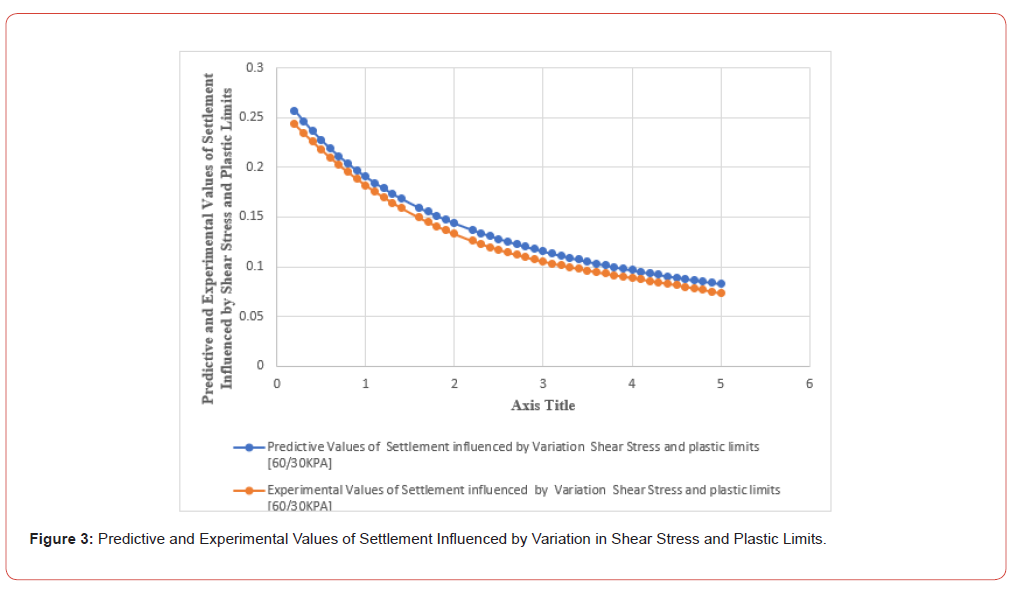
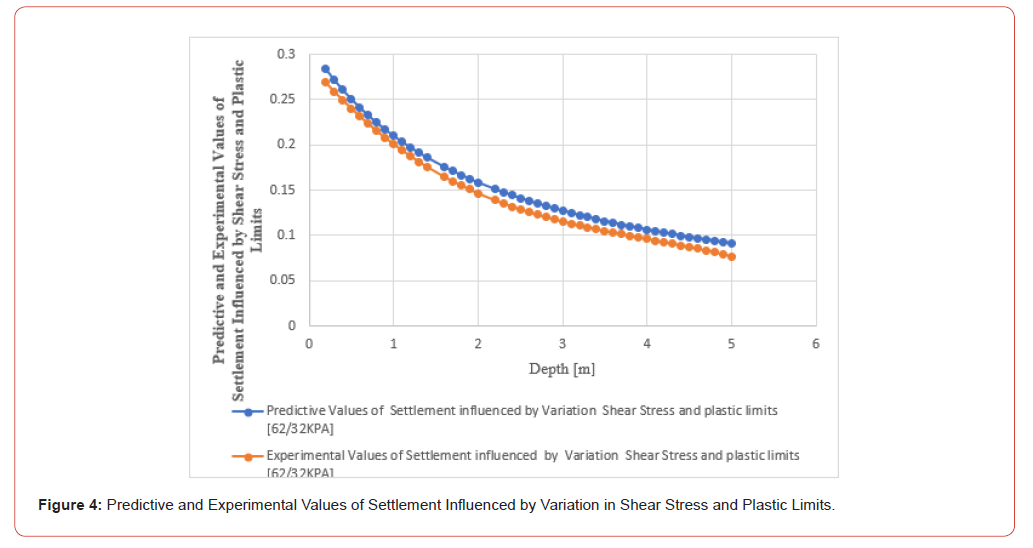
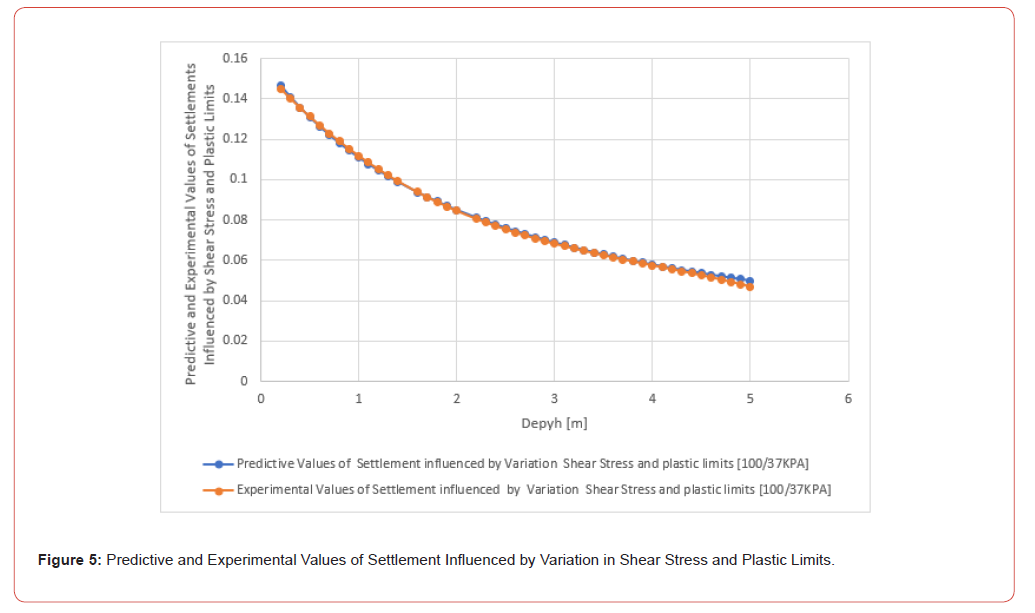
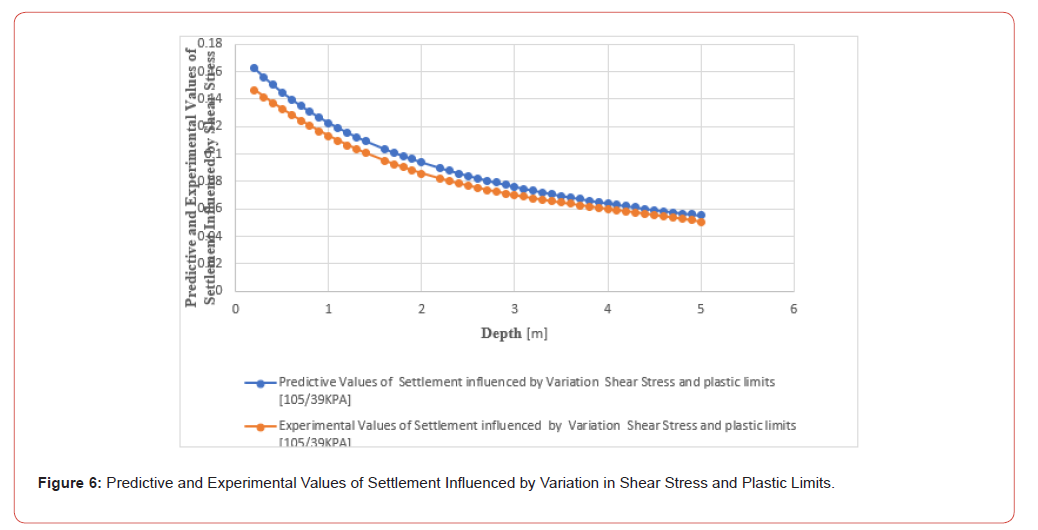
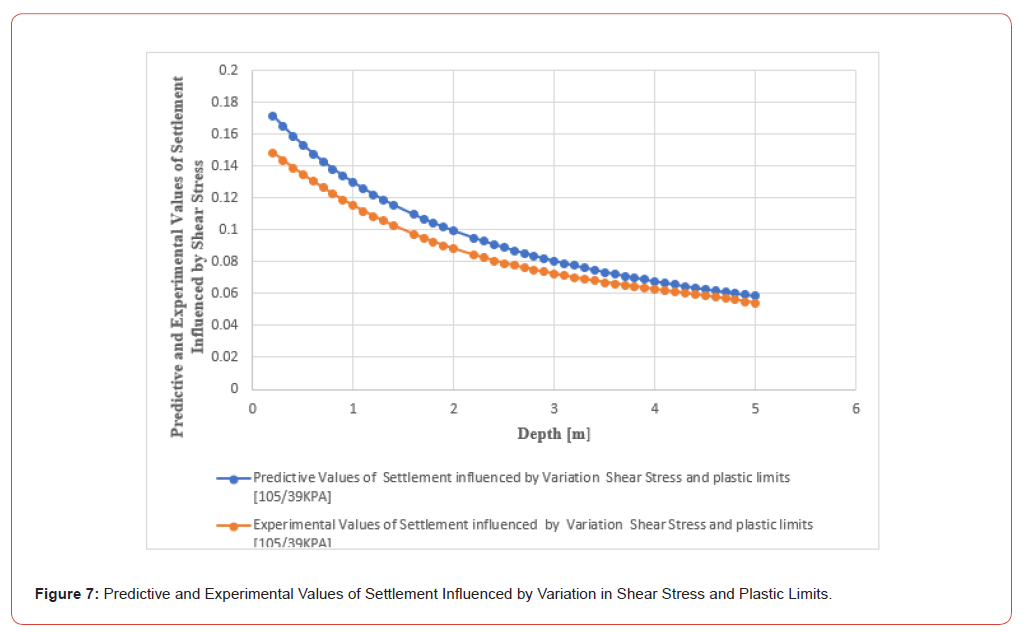
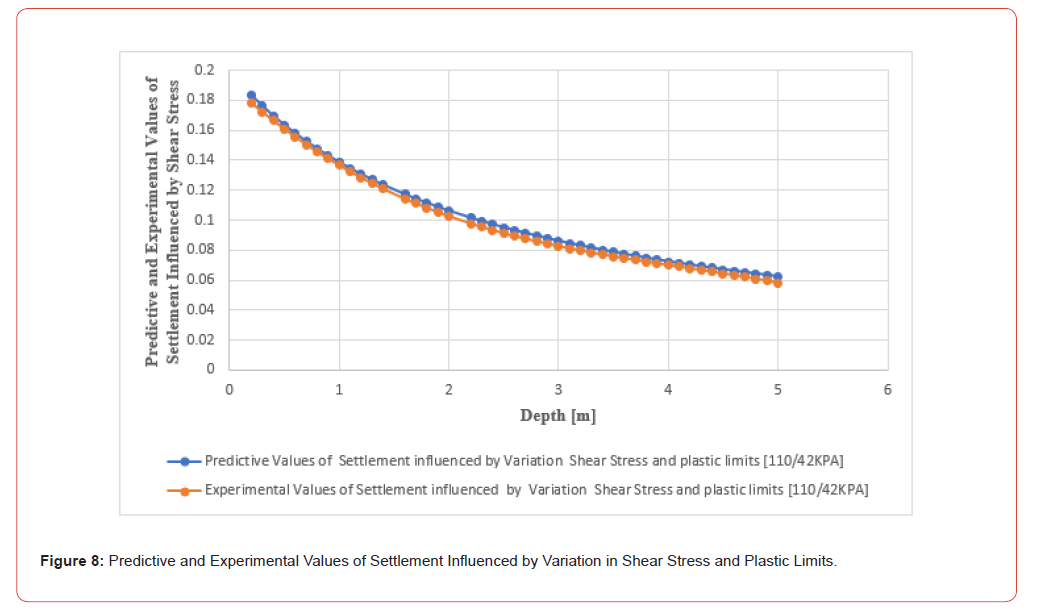
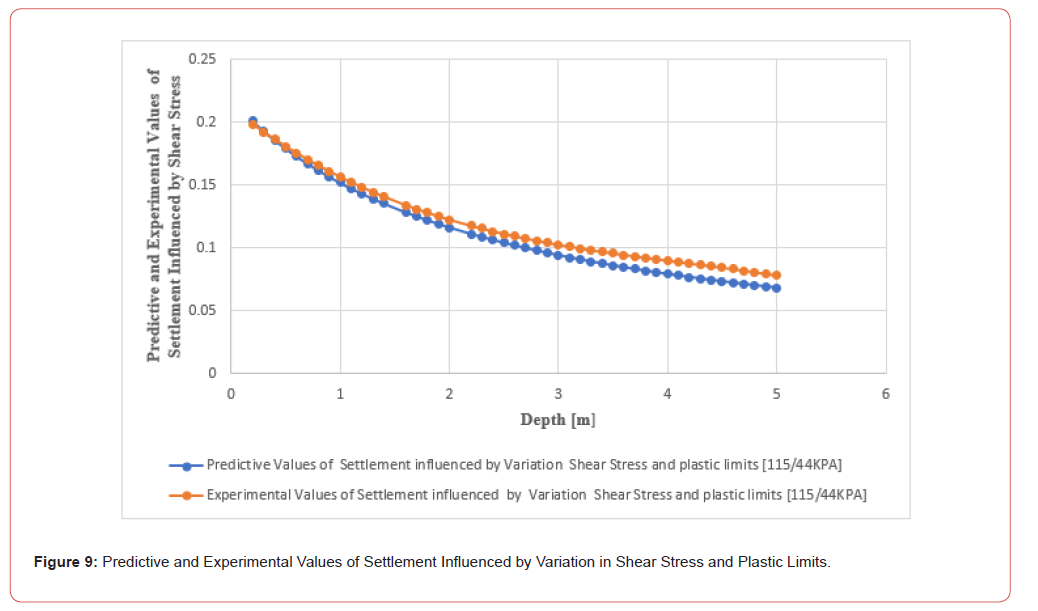
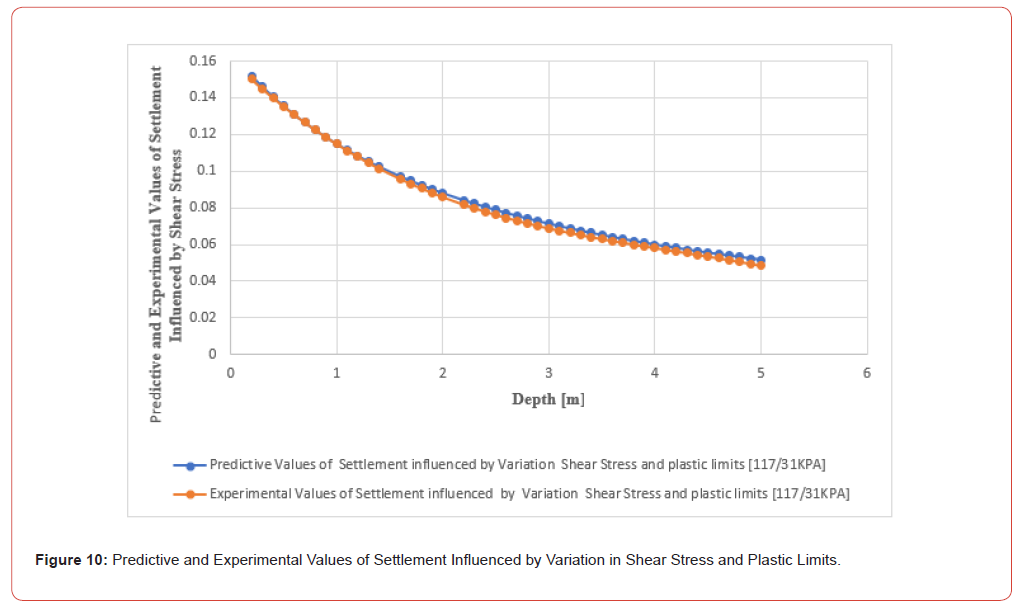
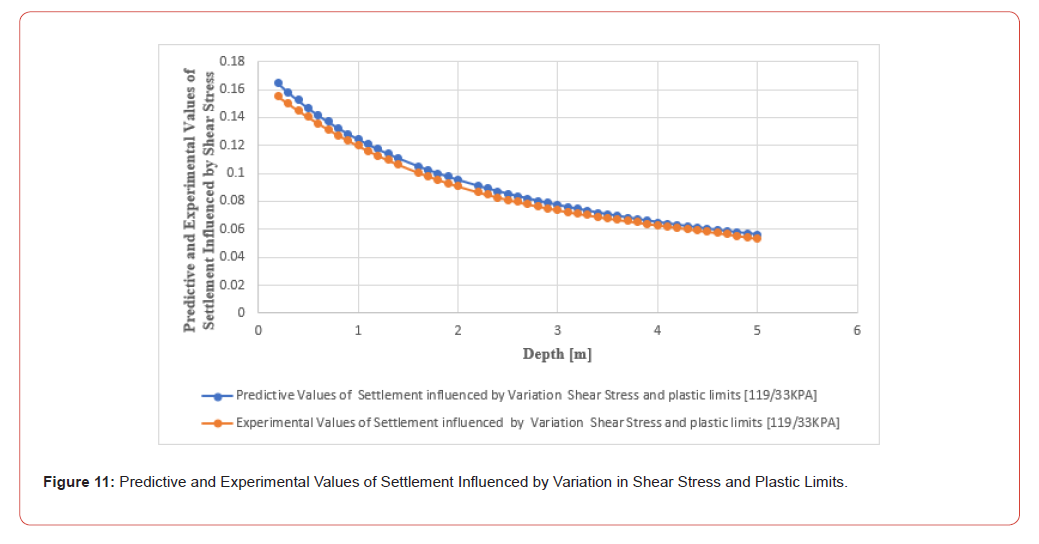
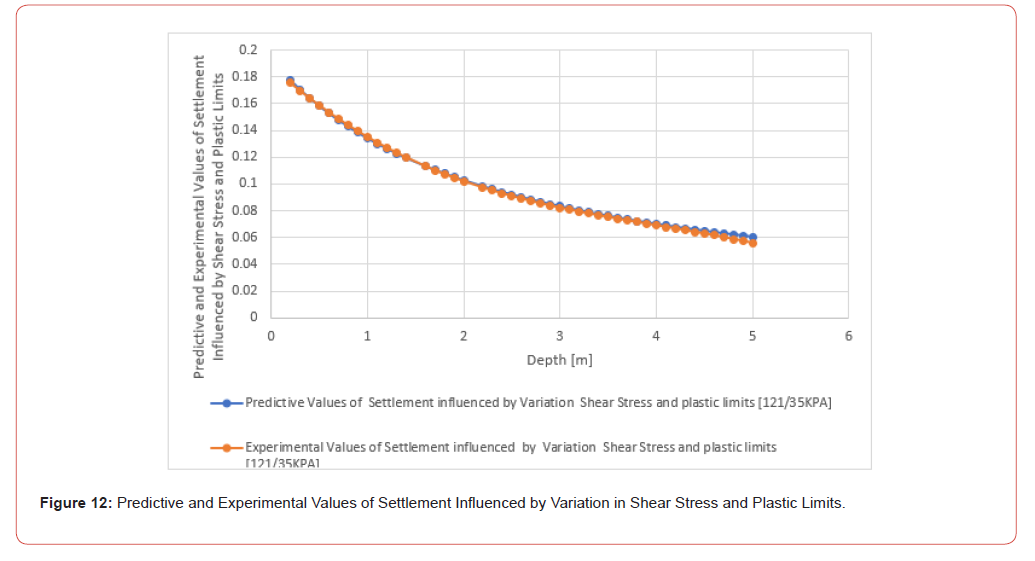
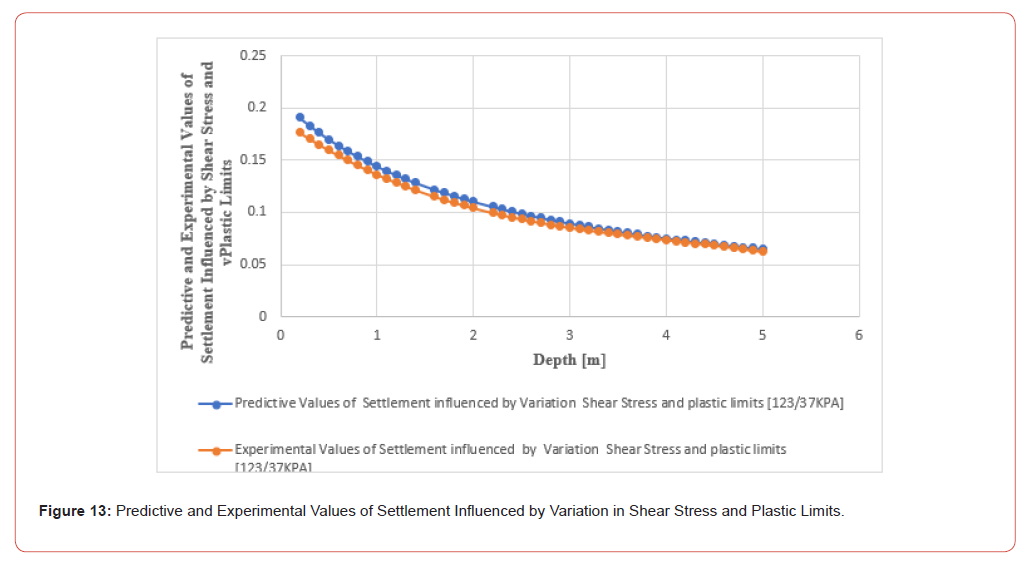
The trend observed in soil behaviour indicates a reflection of the plastic limit and overall soil behaviour. The clay’s plastic limit influences its response to load. At 5 meters, the soil is likely below its plastic limit, resulting in more elastic behaviour. This means that, compared to shallower layers, which may be closer or above their plastic limit exhibit more plastic deformation and settlement, the soil at this depth deforms less permanently under shear stress.
Consolidation and the time effect are also evident in the rate of consolidation at this depth. The consolidation rate at 5 meters is slower than at shallower depths, suggesting that primary consolidation (pore water expulsion) may be largely complete at this depth, while secondary consolidation (particle rearrangement) continues at a slower pace due to the reduced void ratio in the compacted soil. Consequently, minimal additional settlement occurs over time.
The observed shear strength profile shows that clay’s shear strength typically increases with depth due to greater density and effective stress. At 5 meters, the soil likely has enough shear strength to resist further deformation from applied shear stress, resulting in minimal additional settlement. This depth represents a critical point where the soil’s shear strength is adequately high to effectively counteract further settlement.
Furthermore, groundwater pressure was noted as another potential factor influencing settlement. If the groundwater table is significantly below 5 meters, the effective stress would be higher, contributing to reduced settlement. The soil deposition profile, or lithology, also plays a role. If the soil profile at 5 meters consists of a layer of particularly dense or strong material (such as a stiffer clay layer or a layer with lower compressibility), this would further contribute to the minimal settlement observed. Finally, the minimal settlement at a depth of 5 meters is likely due to increased soil density, higher effective stress, the soil’s behaviour below its plastic limit, near completion of consolidation processes, also includes high shear strength at that depth. The interaction of these factors makes the soil at 5 meters highly resistant to further settlement under applied shear stress (Tables 1-13).
Table:1Predictive and Experimental Values of Settlement Influenced by Variation in Shear Stress and Plastic Limits.

Table:2Predictive and Experimental Values of Settlement Influenced by Variation in Shear Stress and Plastic Limits.
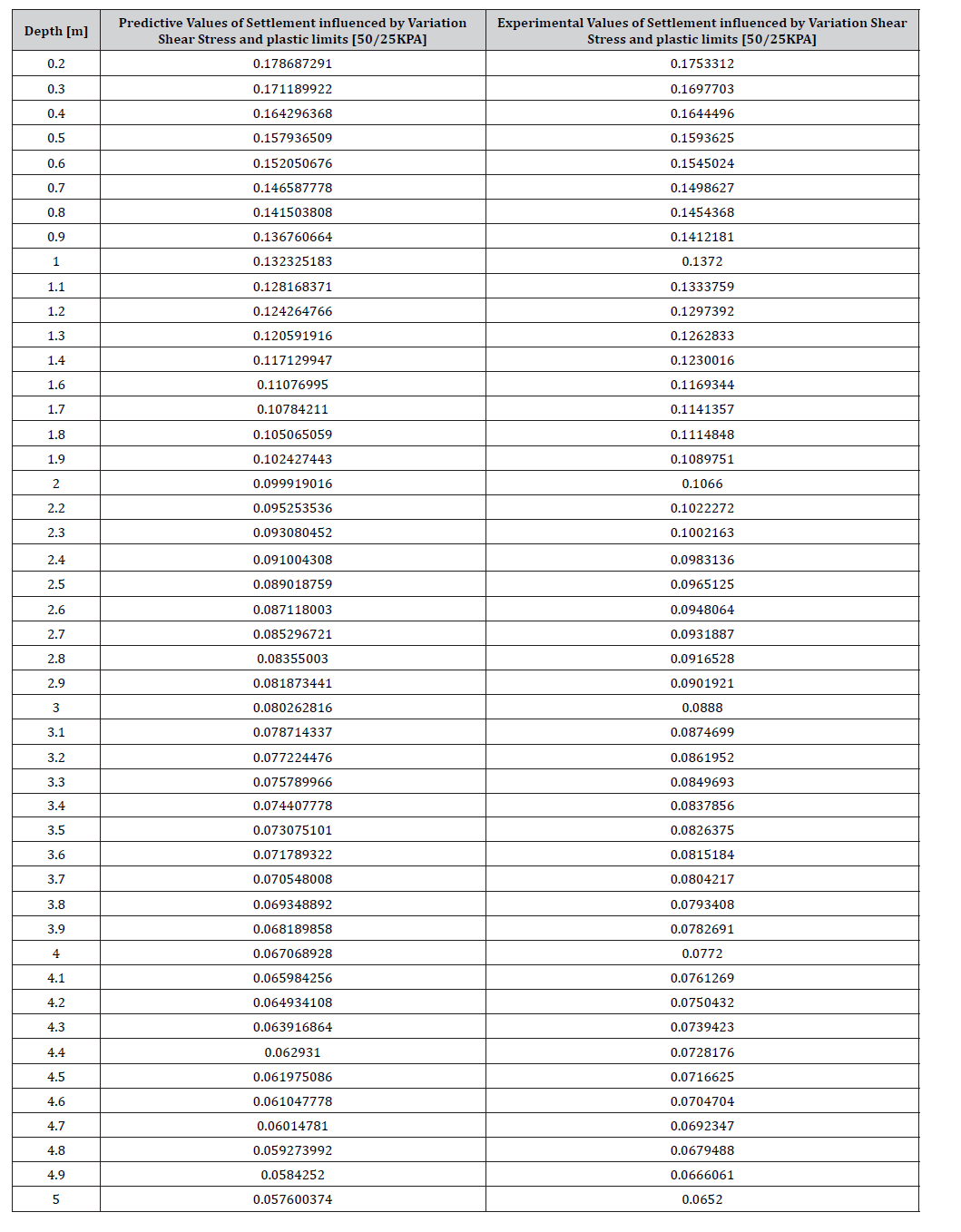
Table:3Predictive and Experimental Values of Settlement Influenced by Variation in Shear Stress and Plastic Limits.
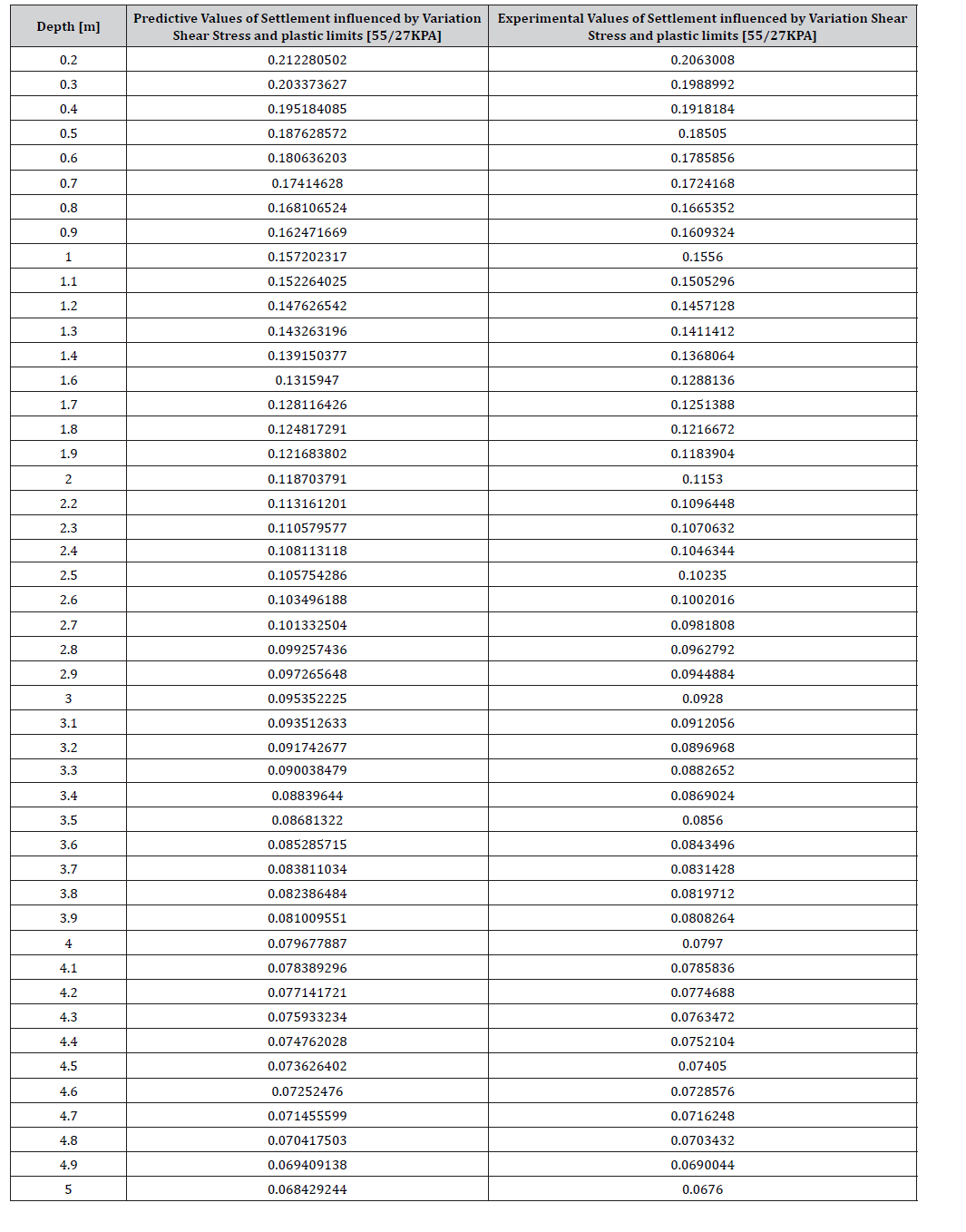
Table:4Predictive and Experimental Values of Settlement Influenced by Variation in Shear Stress and Plastic Limits.
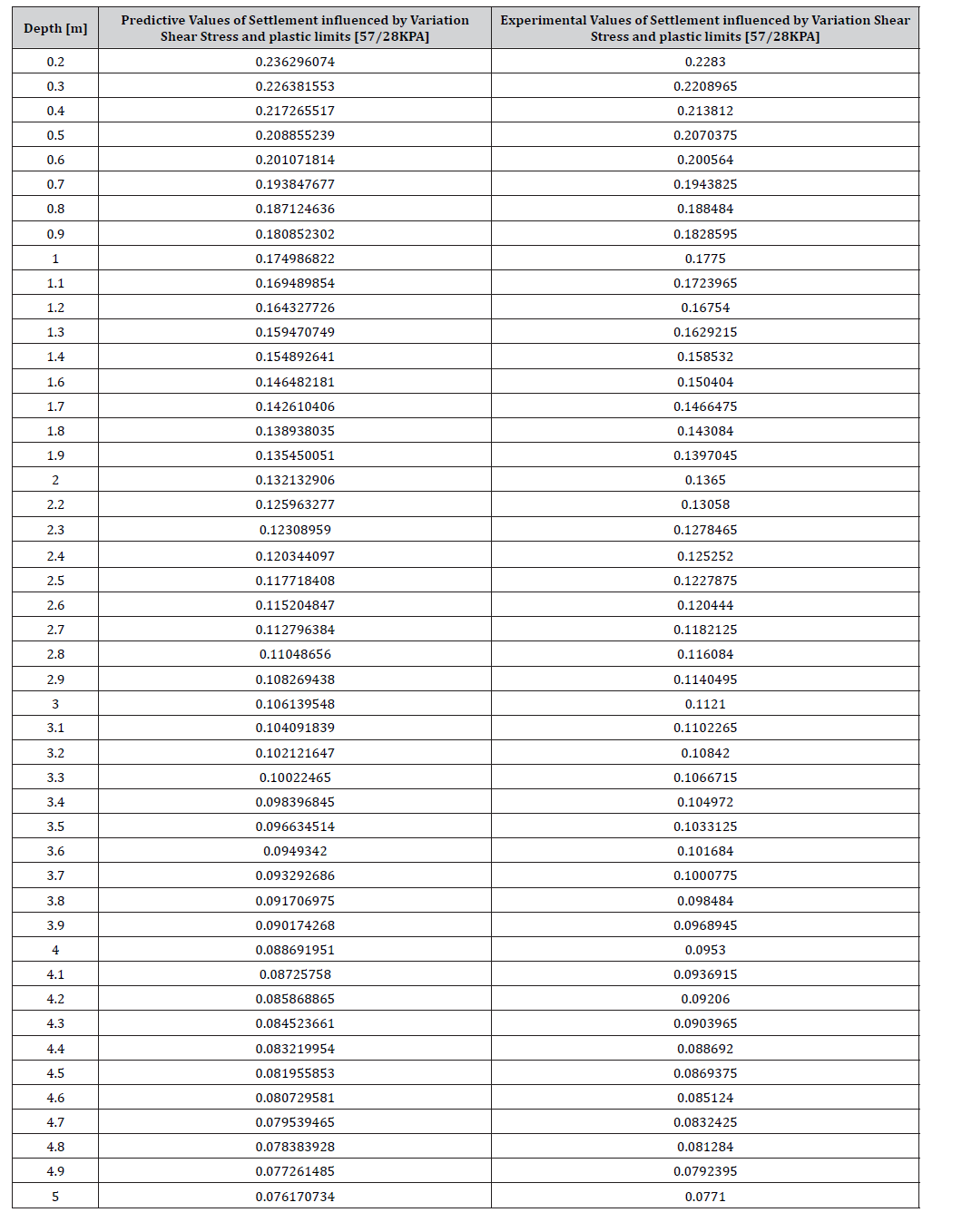
Table:5Predictive and Experimental Values of Settlement Influenced by Variation in Shear Stress and Plastic Limits.
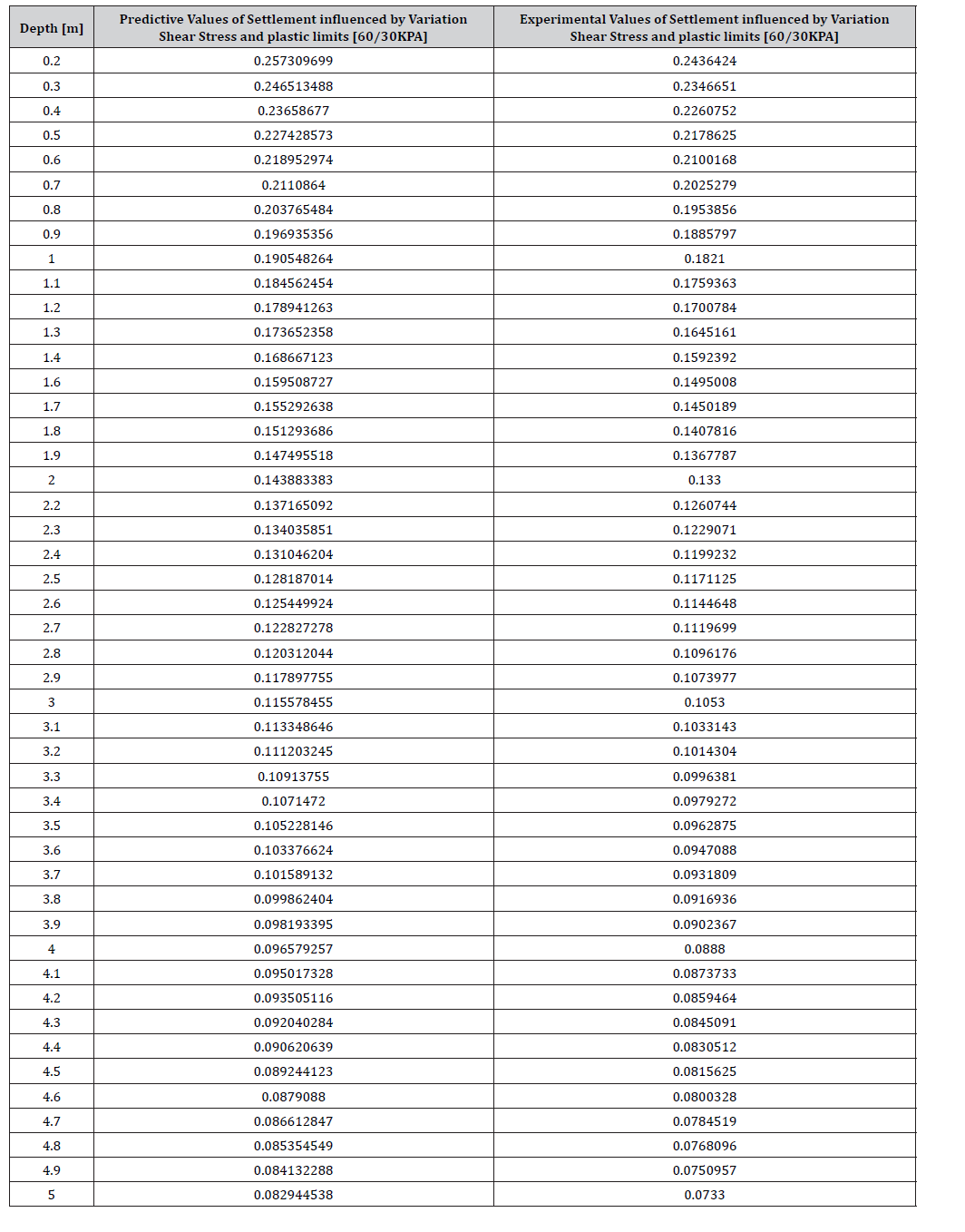
Table:6Predictive and Experimental Values of Settlement Influenced by Variation in Shear Stress and Plastic Limits.
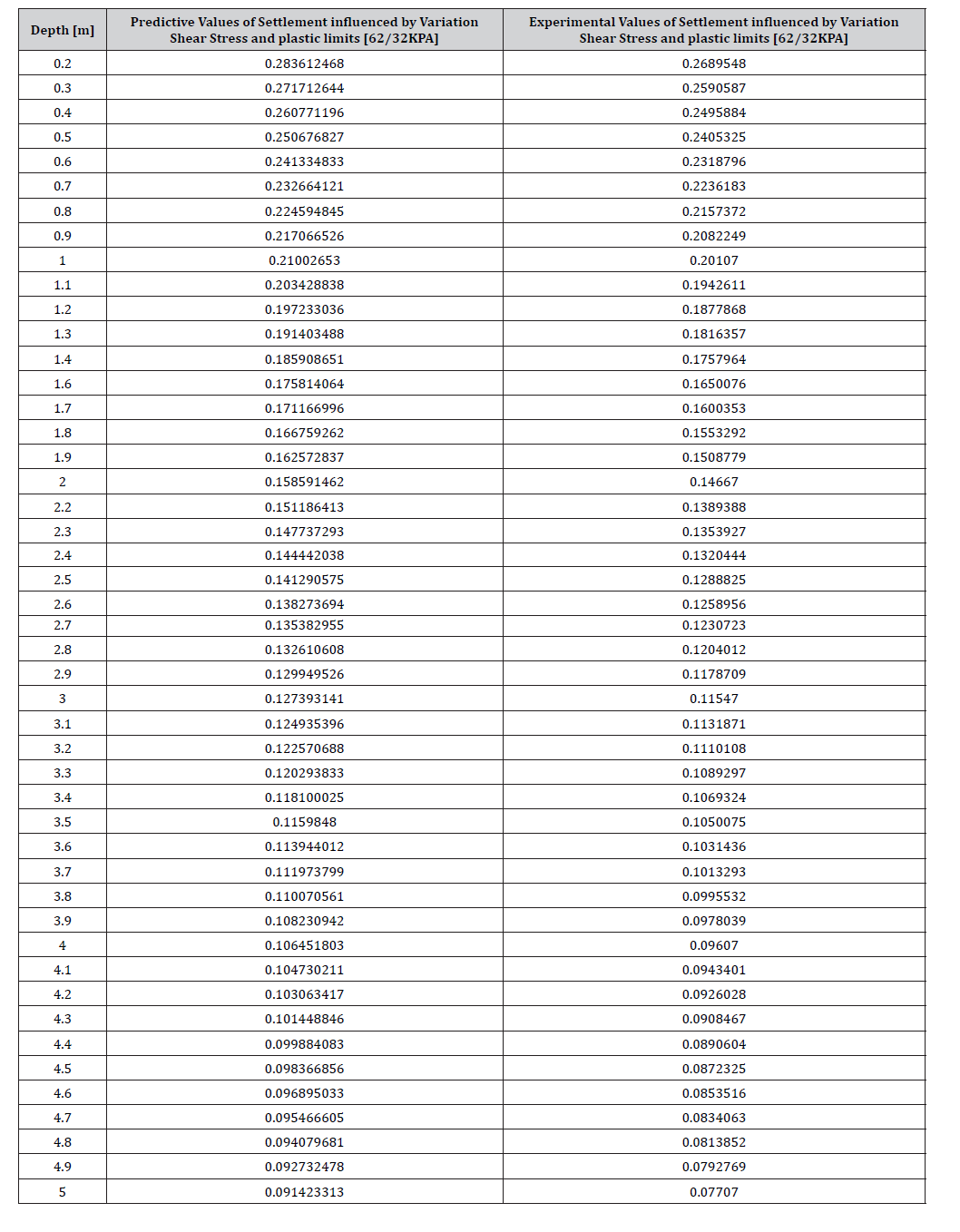
Table:7Predictive and Experimental Values of Settlement Influenced by Variation in Shear Stress and Plastic Limits.
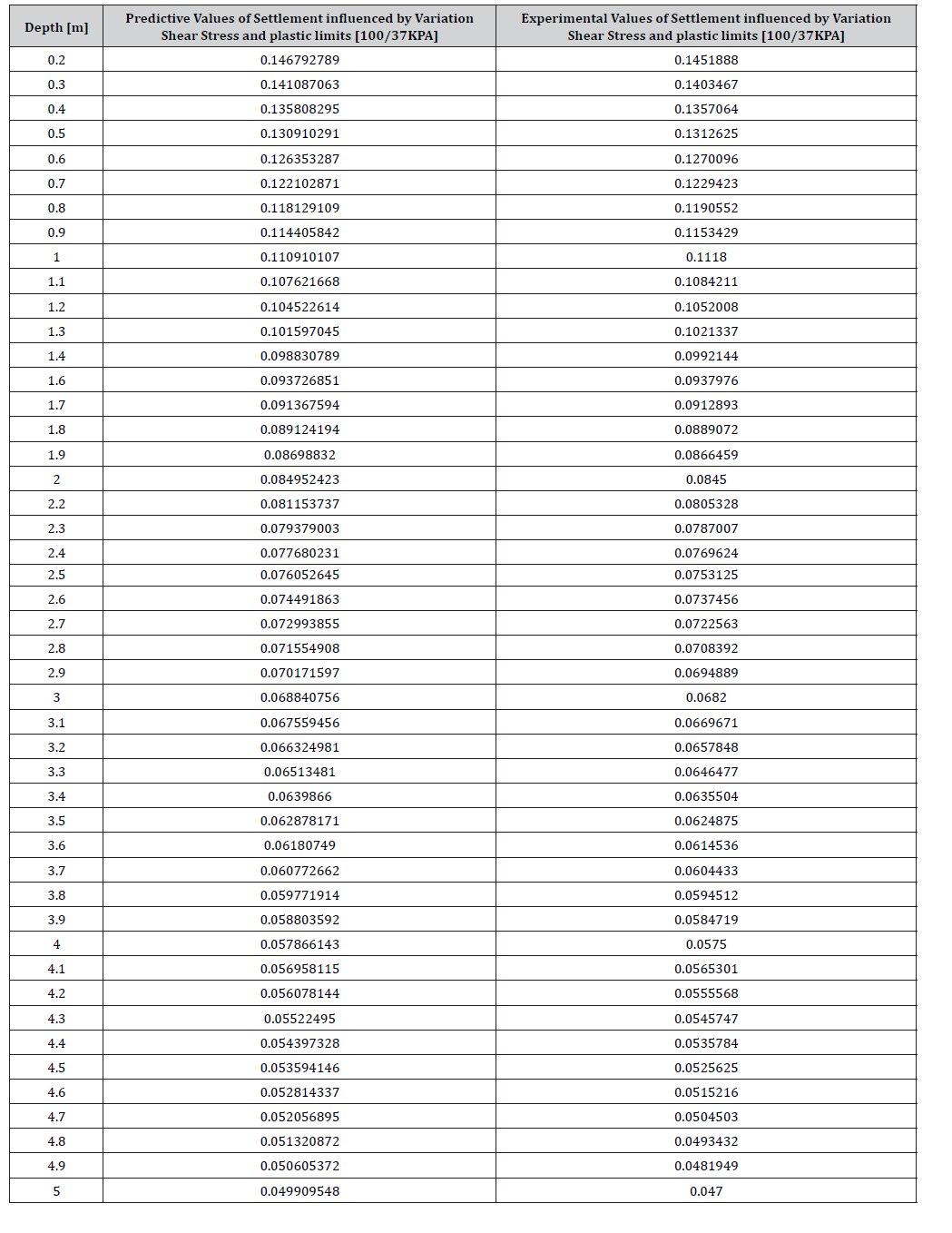
Table:8Predictive and Experimental Values of Settlement Influenced by Variation in Shear Stress and Plastic Limits.
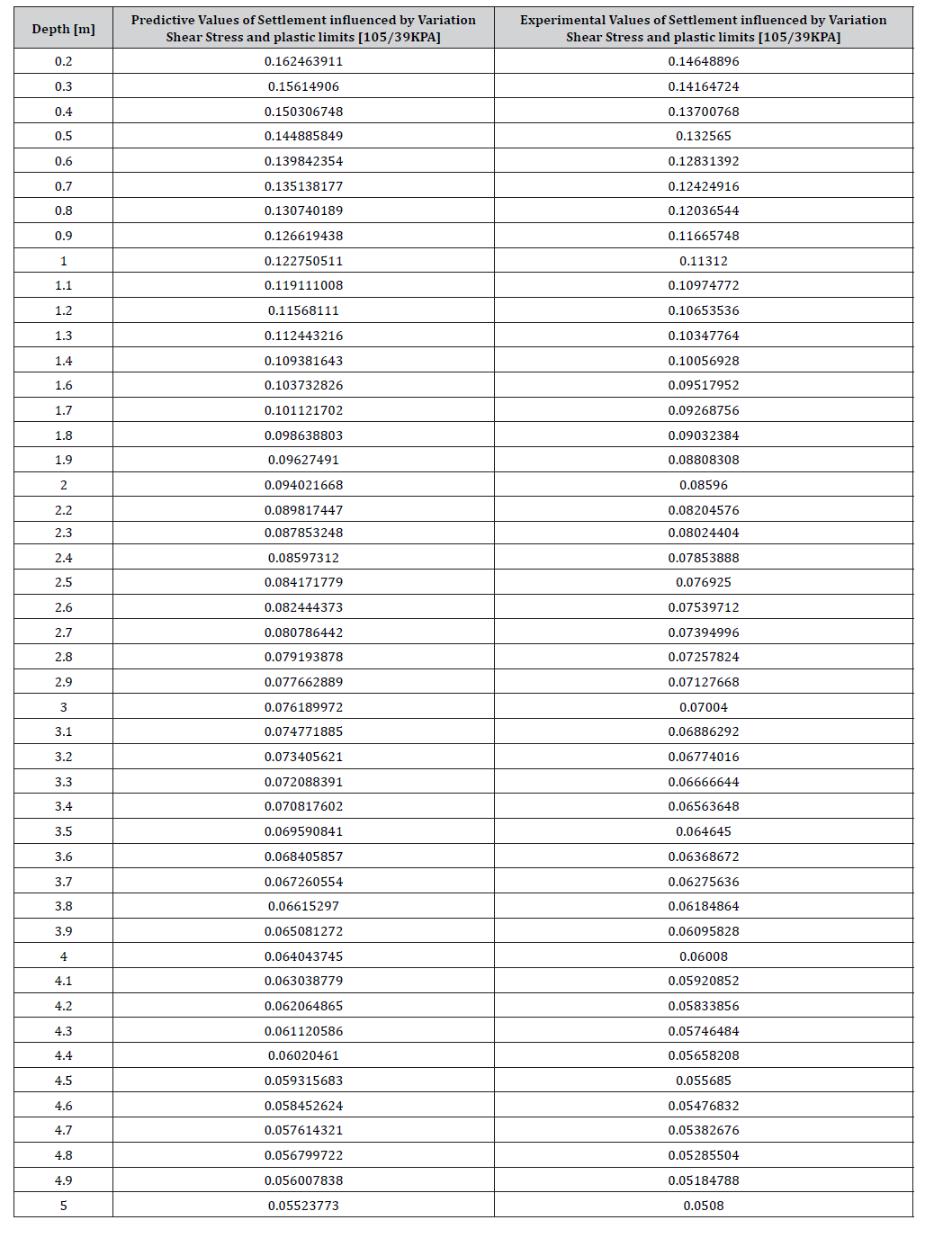
Table:9Predictive and Experimental Values of Settlement Influenced by Variation in Shear Stress and Plastic Limits.
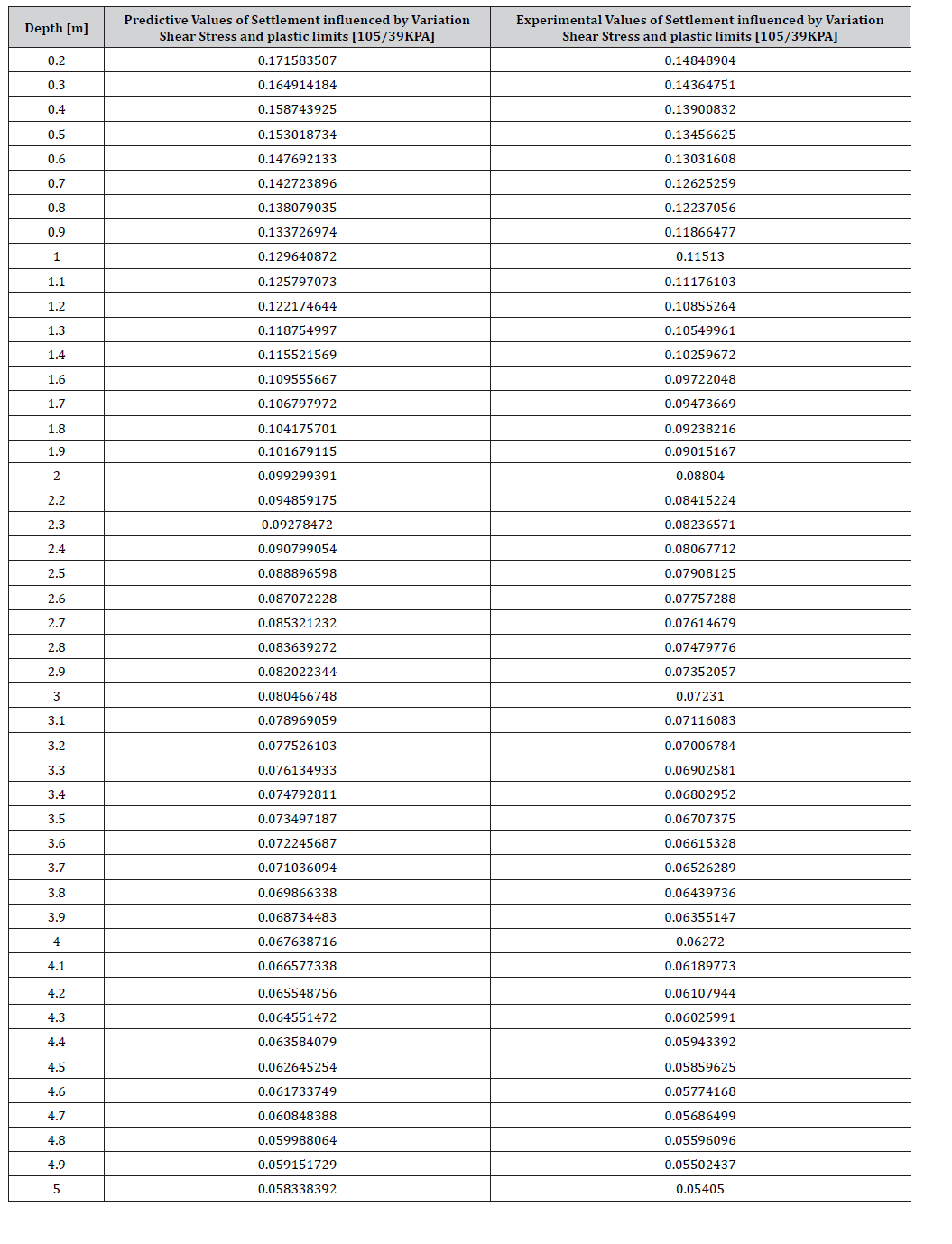
Table:10Predictive and Experimental Values of Settlement Influenced by Variation in Shear Stress and Plastic Limits.
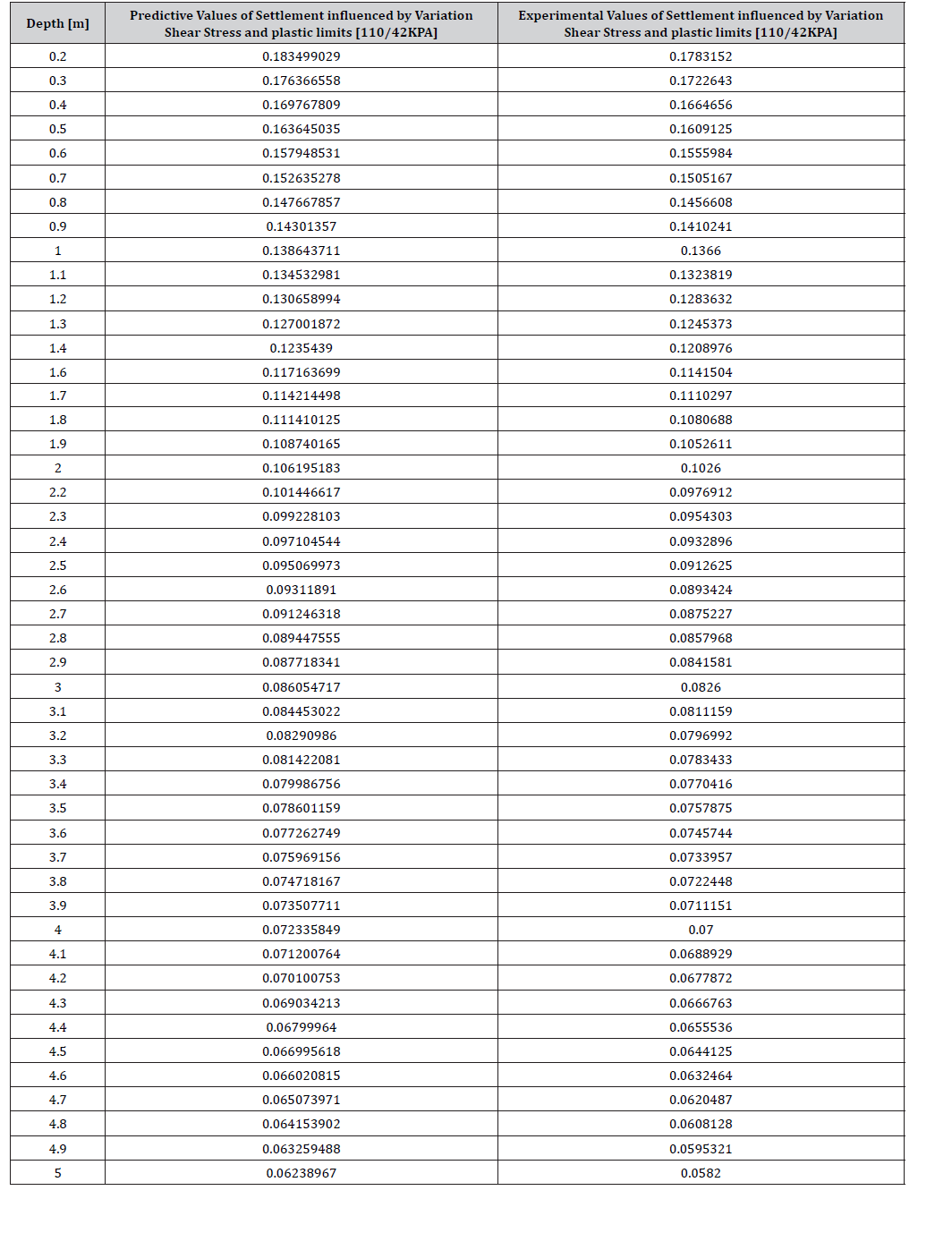
Table:11Predictive and Experimental Values of Settlement Influenced by Variation in Shear Stress and Plastic Limits.

Table:12Predictive and Experimental Values of Settlement Influenced by Variation in Shear Stress and Plastic Limits.
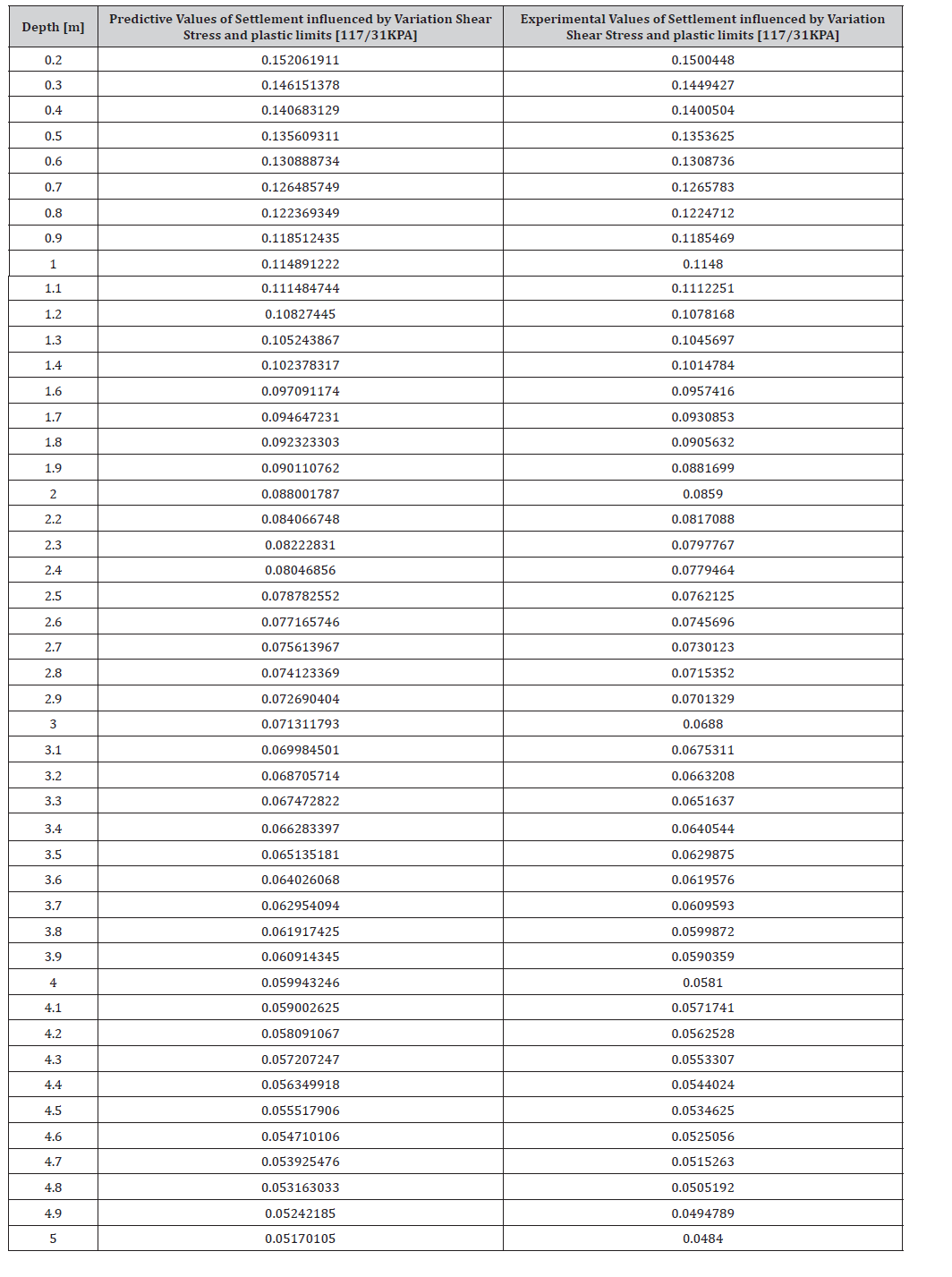
Table:13Predictive and Experimental Values of Settlement Influenced by Variation in Shear Stress and Plastic Limits.
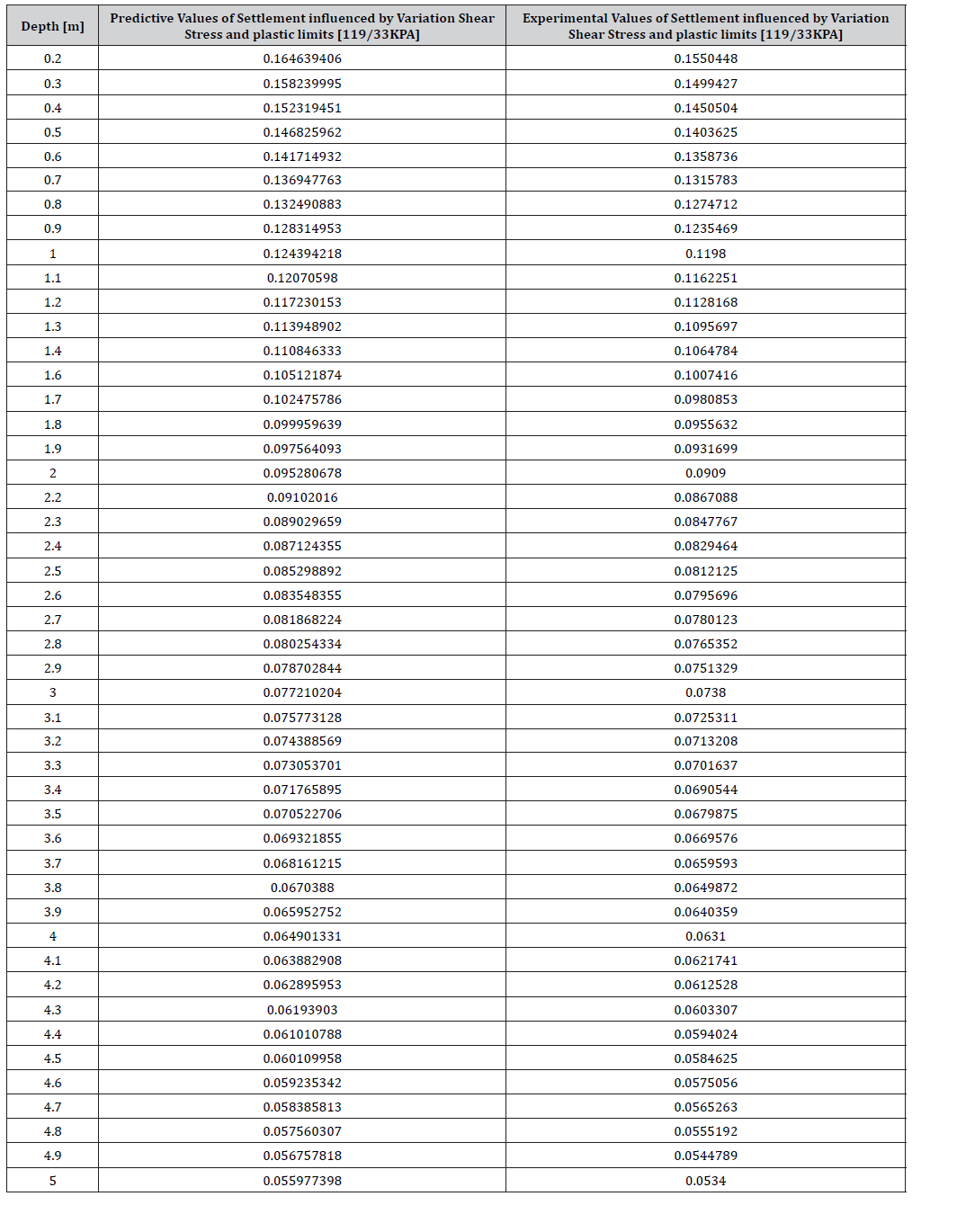
Table:14Predictive and Experimental Values of Settlement Influenced by Variation in Shear Stress and Plastic Limits.
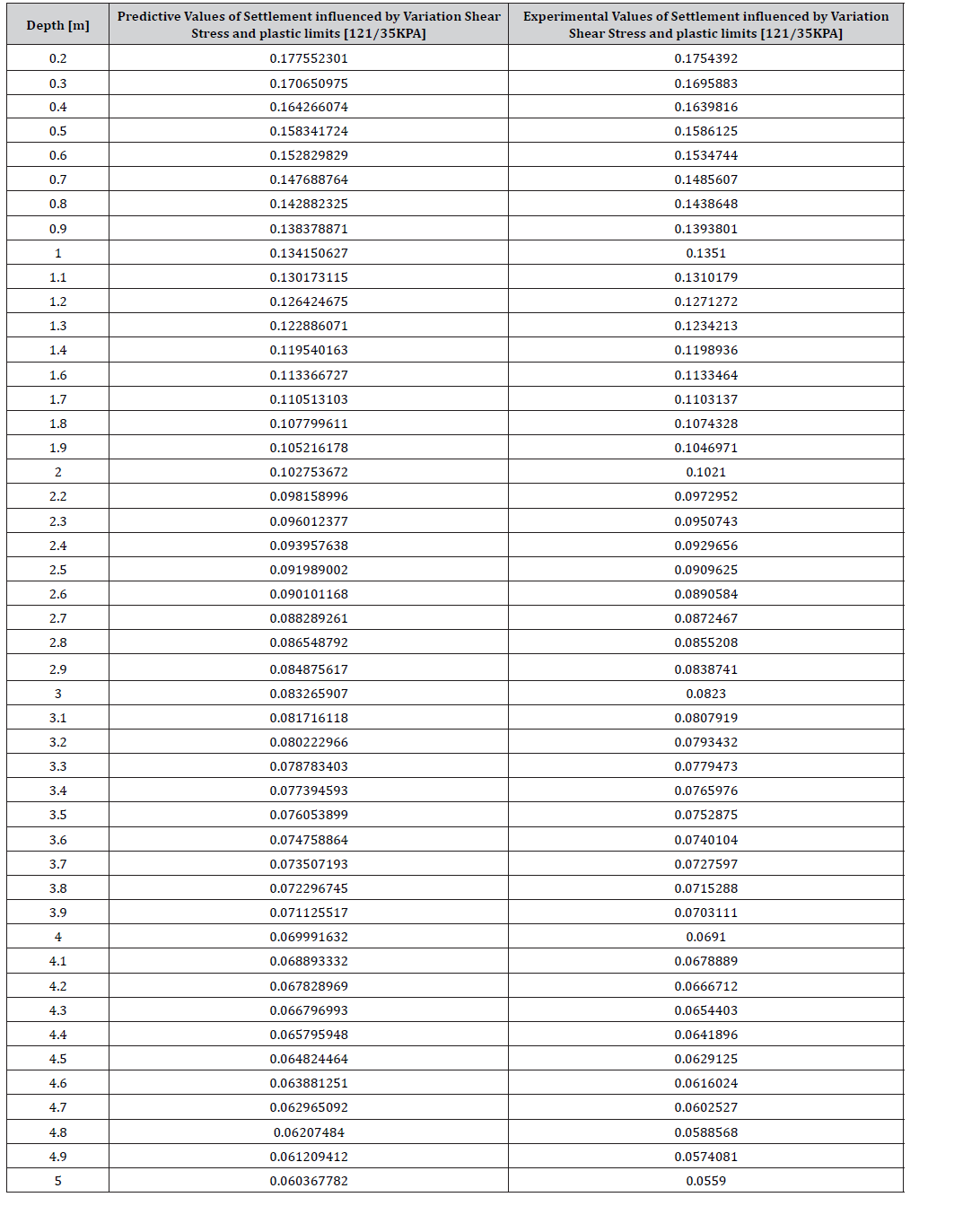
Table:15Predictive and Experimental Values of Settlement Influenced by Variation in Shear Stress and Plastic Limits.

Table:16Predictive and Experimental Values of Settlement Influenced by Variation in Shear Stress and Plastic Limits.
Conclusion
This study demonstrates a considerable correlation between shear stress, plastic limits, and silty clay settlement, and identify a marked discrepancy between predictive analytical models and empirical, experimental data. One key observation is the direct, considerable relationship between increasing shear stress and increased settlement rate, an effect which is particularly pronounced in soils of high plasticity. One of the findings from the study is the consistent decrease in settlement with depth. Settlement was minimal at a depth of 5 meters. This is because of the geotechnical factors combined which individually enhance the soil’s resistance to deformation. The high overburden stress at this depth results in heightened effective stress, which then leads to heightened density and shear strength of the soil. This compaction reduces compressibility of the soil. Also, the plastic limit of the clay plays a critical role in the loading response of the clay. For a 5-meter depth, soil would likely be behaving more elastically since it’s below its plastic limit, and less permanent strain compared to deeper layers that may be at or above their plastic limit. The process of consolidation also contributes to this behaviour; primary consolidation is largely completed at lower depths, and any subsequent secondary consolidation is at a much-reduced rate due to the decreased void ratio in the denser material.
The research identifies a significant flaw in the prediction models used for study. Although the models provide a convenient benchmark, the models overestimate settlement at shallow depths and underestimate at deep depths relative to experiment findings. Finally, the small settlement that has been observed at a depth of 5 meters is a result of the interaction between higher soil density, higher effective stress, the soil being below plastic limit, and advanced soil consolidation. These lead to a high shear strength that acts to resist the applied shear stress effectively. The study emphasizes the necessity of predictive model development that better incorporates these depth-dependent, intricate soil behaviours to make settlement predictions more reliable. This development is important for application in maximizing safer and less expensive geotechnical engineering designs in actual scenarios. Future studies are advised to enhance modelling techniques to better incorporate these empirical findings.
References
- Al-Badran Y (2020) Depth-dependent shear redistribution in deltaic clays: Field evidence from instrumented boreholes. Geotechnique 70(8): 701–715.
- Boulanger RW, Ziotnick J (2008) Effects of plasticity on the compressibility of high plasticity clays. Journal of Geotechnical and Geoenvironmental Engineering 134(11): 1580-1587.
- Chen Y, Liu X, Zhang H (2021). Cyclic shear effects on settlement acceleration in low-plasticity silts. Journal of Geotechnical and Geoenvironmental Engineering 147(5): 04021023.
- Feng W, et al. (2025) Centrifuge validation of depth-limited plastic deformation under high shear stress. Géotechnique Letters 15(1): 45–52.
- Gupta T, Sharma R (2022) Constitutive modeling of plasticity-dependent compressibility in cohesive soils. International Journal of Geomechanics 22(3): 04021294.
- Kato Y, et al. (2023) Machine learning prediction of shear stress-induced settlement using oedometer databases. Computers and Geotechnics 151: 104957.
- Kumar A, Singh P (2021) Plasticity index influence on soil settlement under dynamic loading. Journal of Civil Engineering Research 12(2): 123-136.
- Lee J, Kim S, Park M (2021) Impact of shear stress on the compressibility of clay soils with varying plasticity. Geotechnical Engineering Journal 56(2): 123-134.
- Morris A, Chen L (2021) Plastic limit testing: Implications for soil structure interaction. Geotechnical Engineering Journal 57(3): 145-159.
- Nguyen D, Tran T (2025) Real-time monitoring of soil settlement using IoT technologies. Journal of Civil Engineering and Management 31(1): 78-89.
- Nwakize, E. (2025). Predictive and Experimental Values of Settlement Influenced by Variations of Shear Stress and Plastic Limits.
- O’Connor S, et al. (2024) Microfissure evolution in high-PI clays under shear: 3D quantification using X-ray tomography. Acta Geotechnica 19(3): 1421–1437.
- Patel R, Das S (2022) Role of plasticity index in the consolidation behavior of clays. International Journal of Geotechnical Engineering 16(4): 301-310.
- Santos M, Costa A (2025) Assessing the impact of climate change on soil settlement behavior. Environmental Geotechnics 12(2): 110-125.
- Skempton AW (1953) The colloidal activity of clay. Proceedings of the 3rd International Conference on Soil Mechanics and Foundation Engineering 1: 57-63.
- Terzaghi K (1943) Theoretical Soil Mechanics. New York: Wiley.
- Thompson R, Martin L (2024) AI applications in predicting soil settlement behavior. Computational Geotechnics 32(1): 101-115.
- Wang J, Zhang H (2021) Experimental investigation of shear strength parameters in cohesive soils. International Journal of Civil Engineering 19(3): 215-230.
- Yadav S, Sharma N (2022) Innovative testing techniques for soil behavior under shear stress. Journal of Testing and Evaluation 50(3): 195-210.
- Zhang L, Wang Y, Zhang H (2020) Sensitivity of clay compressibility to shear stress and moisture content. Geotechnical Testing Journal 43(4): 789-802.
- Zhou J, Chen Y (2025) Interplay between groundwater conditions and plasticity-induced settlement. Hydrogeology Journal 33(1): 23-37.
-

This work is licensed under a Creative Commons Attribution-NonCommercial 4.0 International License.