

 Research article
There is A Relationship between Inefficiency of External Urethral Sphincter and BPH? The Growth Factor and Pharmacological – Phytotherapy Role: The Inversion of The Classic Paradigm as Hypothesis of Work
Received Date: January 02, 2025; Published Date: February 10, 2025
Abstract
Aim of this work is to observe the indirect role played by external urethral sphincter in the development of BPH. There is any correlation between the reduced efficiency of this sphincter and prostate benign hyperplasia? The inefficiency of the external urethral sphincter needs an additional work by the upper prostatic urethra. This process can increase the autocrine and paracrine effect of the growth factor that can contribute to BPH. Can this move to be added to the hormonal effect played by androgen? And if confirmed this pathological process can have therapeutic implication? All these phenomena are analyzed to verify the hypothesis.
Keywords: BPH; hyperplasia; external urethral sphincter inefficiency; urethral pressure; growth factor; autocrine; oncology
Introduction
This work start observing the efficacy of the KEGEL exercise for pelvic floor rehabilitation in BHP (and overactive bladder) and the effect played by 5 alfa reductase inhibitors and by Urtica dioica in this condition. The increase of the efficiency of the external urethral sphincter helps in controlling urge mention. So is interesting to verify the relationship between the external sphincter and the prostate. “The main action of the urethral sphincter complex is to compress the urethra. This is important as it provides control over the urinary continence. The internal sphincter’s smooth muscle resting state is one of contraction or ‘closure’, in which urine is prevented from passing through the internal urethral orifice into the urethra. The external sphincter ES is also thought to contribute to resting closure, although it’s most important feature is augmenting closure to prevent urination or voluntary opening to allow voiding.” According to Yucel et al : “The smooth and striated muscle components of the urethral sphincter complex USC are inseparable in both sexes”.
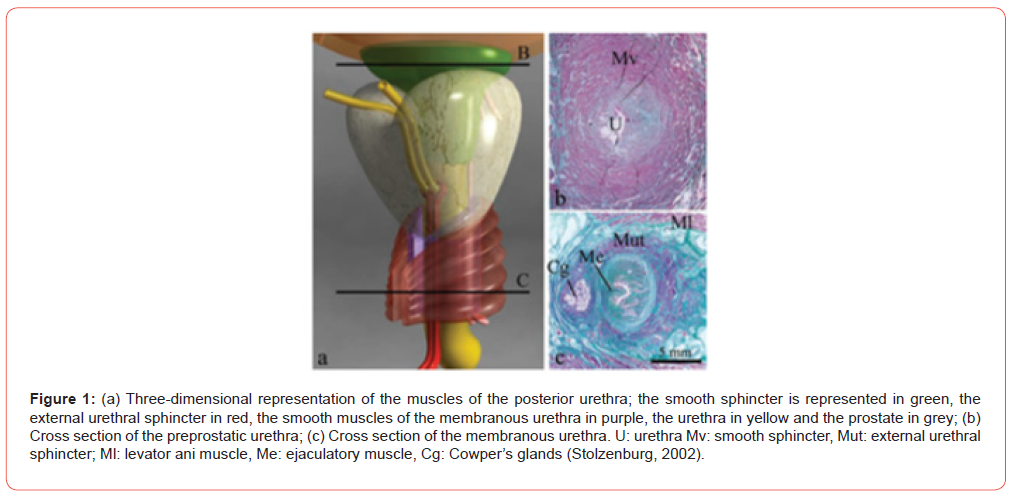
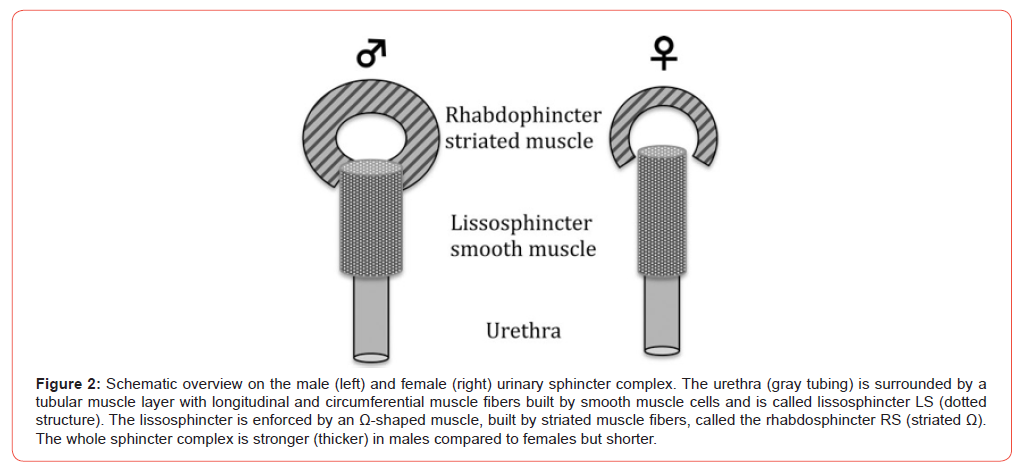
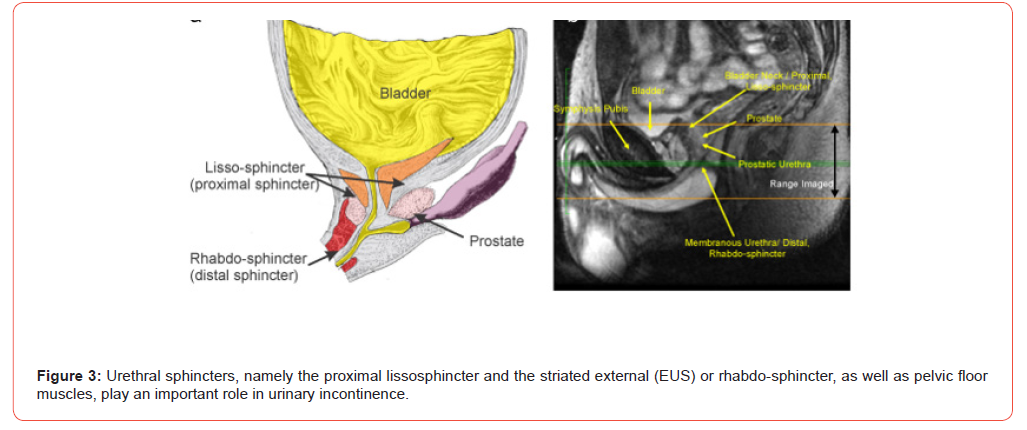
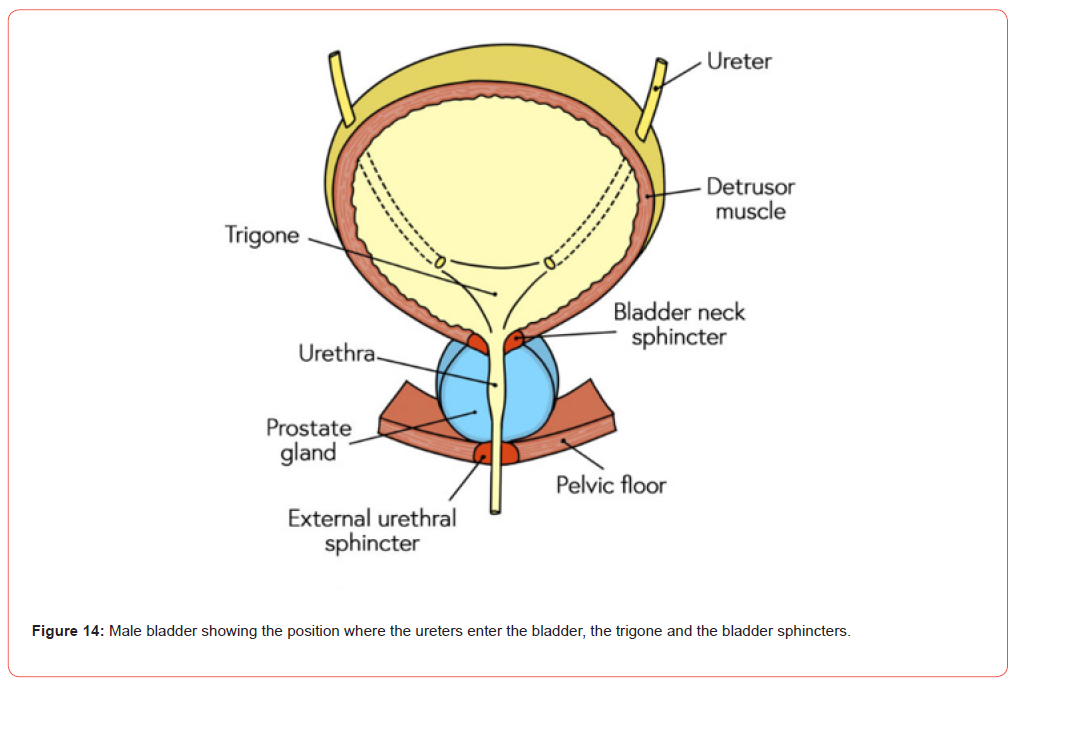
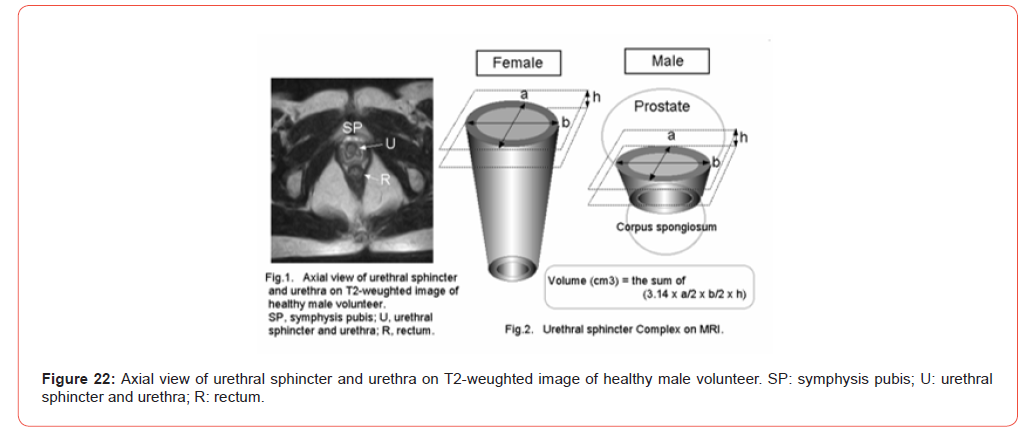
“The male urethral sphincter complex USC is composed of an inner lissosphincter of smooth muscle and an outer Rhabdosphincter of skeletal muscle. It extends in the form of a cylinder around the urethra from the vesical orifice to the perineal membrane. While the Rhabdosphincter RS is most marked around the membranous urethra and becomes gradually less distinct toward the bladder, the lissosphincter has its main part at the vesical orifice and is thinner in its further course in the urethra”. “The pelvic floor PF is a structure unique to humans formed by upright bipedal walking. In quadrupeds, the weight of the abdominal viscera rests on the abdominal wall; in humans, it is directed toward the pelvic outlet. This necessitates that the human pelvis must have a mechanism to resist gravity while maintaining function as an exit for reproduction and excretion. The pelvic floor PF is the bearer of this mechanism; that is, the structure that supports the abdominal and pelvic organs against gravity. The pelvic floor PF is responsible for lower urinary tract function (storing and eliminating urine), defecation, and sexual function (erectile function and ejaculation in men, and sexual sensation and arousal in women the Rhabdosphincter have a horseshoe form.
In the human urethra, the composition of the wall changes during the various age: in child the striated muscle is about 79% and in the advanced age the 35,5%. “According to X Wang et al “There is a close relationship between prostatic zones and urethral sphincter complex USC”. Most promising candidates for sphincter regeneration: muscle-derived satellite cells as precursor cells for repair of the Rhabdosphincter RS, which is a striated muscle, and MSCs, derived from bone marrow or adipose tissue for general muscular regeneration and repair of the lissosphincter (a smooth muscle), “injury to the lissosphincter LS resulted in incontinence (postprostatectomy incontinence). The presence of the intact rhabdo-sphincter muscle does not guarantee continence and its loss does not cause incontinence in the presence of an intact lissosphincter”.
Prostate Function
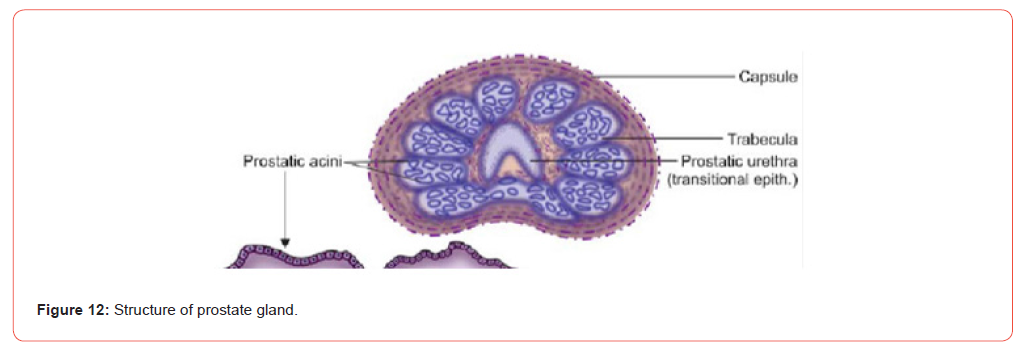
Main function is to add nutritional secretions to sperm to form semen during ejaculation. Also plays role in controlling the flow of urine; prostate muscle fibers are under control of involuntary nervous system NS and contract to slow and stop urine. Elevated prostate smooth muscle tone may contribute to urethral obstruction in BPH, resulting in impairments of urinary flow and bladder emptying, and finally in LUTS suggestive of a BPH. The hallmark histological feature of the prostate is the myo elastic/fibromuscular stroma in which there are clusters of smooth muscles mixed with elastic fibers EF. This surrounds the glandular tissue/parenchyma of the prostate, which is responsible for the production of approximately 27% of seminal fluid. The muscles of the prostate also ensure that the semen is forcefully pressed into the urethra and then expelled outwards during the ejaculation. The prostate gland is surrounded by a capsule of connective tissue containing many smooth muscle fibers and elastic connective tissue, it feels very elastic to the touch when it is examined. There are also many smooth muscle cells inside of the prostate. During the ejaculation these muscle cells contract and forcefully press the fluid that has been stored in the prostate out into the urethra.
Functions of the Prostate
Regulating the composition and volume of the ejaculate, controlling the cycle of continence/miction, through adjustments in the resistance to urinary transit at the level of the prostatic urethra; this is also closely connected to the functioning of the bladder neck. In patients with LUTS, this smooth muscle component has a stronger impact on the tone of the bladder neck BN and the prostatic urethra, making obstructive symptoms more likely. The tone of this smooth muscle component is more intense in older patient (>55 aa); These patients show a hyperplasia of the smooth muscle component as well as of the fibrous-fibroblastic element. The tone / contractions of these smooth muscle fibro cells cause and influence LUTS. The contraction of smooth muscles is mainly controlled by the Orth sympathetic system (alpha1-adrenergic). In rest conditions, the activity of smooth muscle SM cells is not completely blocked: a minimal tone is always present, significantly less intense than in the active phase; activator cells show a lower action potential and the contractions propagate to a limited number of other cells. This basic tone inevitably influences the resistance to urinary transit at the level of the prostatic urethra PU.
In the young adult this plays an important though not decisive role, contributing to urinary containment
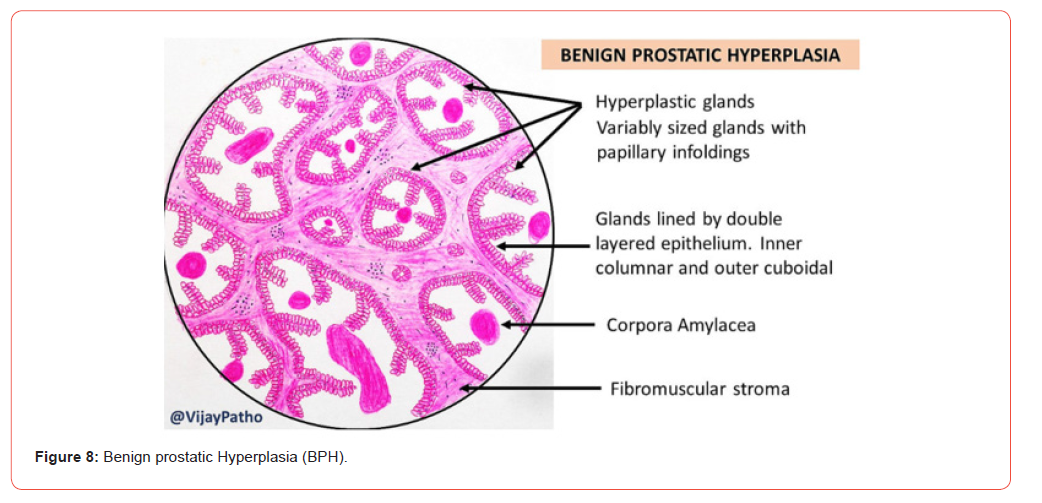
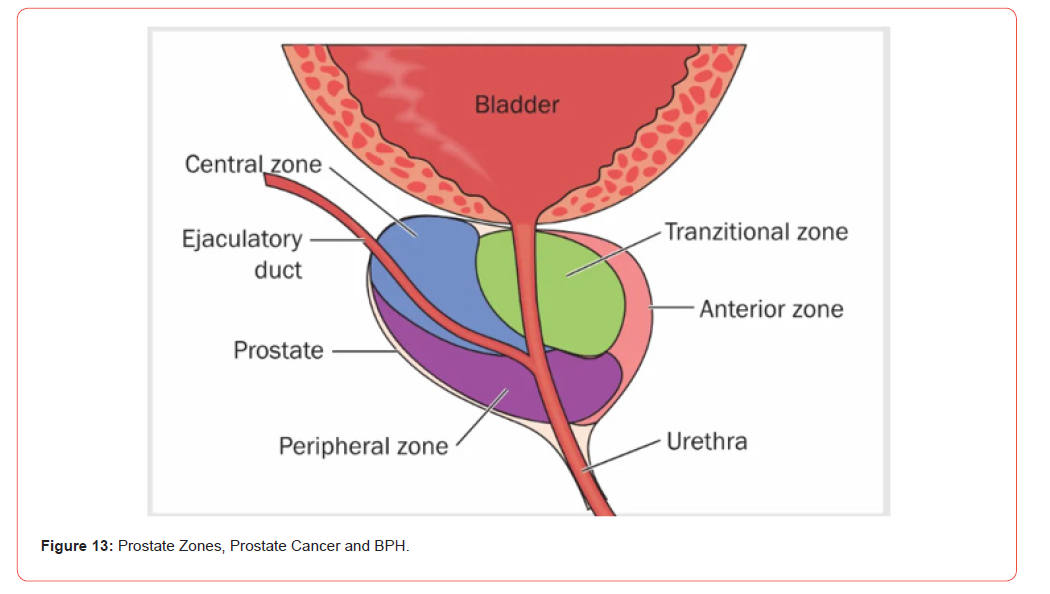
capacity. In the older patients with LUTS, this tone, caused by a higher number of smooth muscle SM cells and by their greater contractile recruitment, is stiffer and influences the very obstructive symptom. BPH is a multifactorial disease, highly associated with aging and characterized by increased prostate smooth muscle SM contractility. It is present in a significative number of men at 40 years, and 90% in 80 decades of age. BPH is more common in Western societies compared to the Asian. It is less common in those who eat large amounts of vegetables. DHT dihydrotestosterone is involved in prostate growth, it is produced into the prostate starting from circulating TST but the enzyme 5 alfa reductase. DHT bind and activate the nuclear androgen receptors (that regulate the expression of the gene that support the growth and surviving of epithelial and stromal prostatic cells). But the level of DHT in men with or without BPH not differ in significative way so other factor are involved in BPH. BPH involve the internal transitional zone TZ, increase the prostate volume, with nodules hyperplasia that have a variable composition of glandular elements and of fibromuscular stroma.
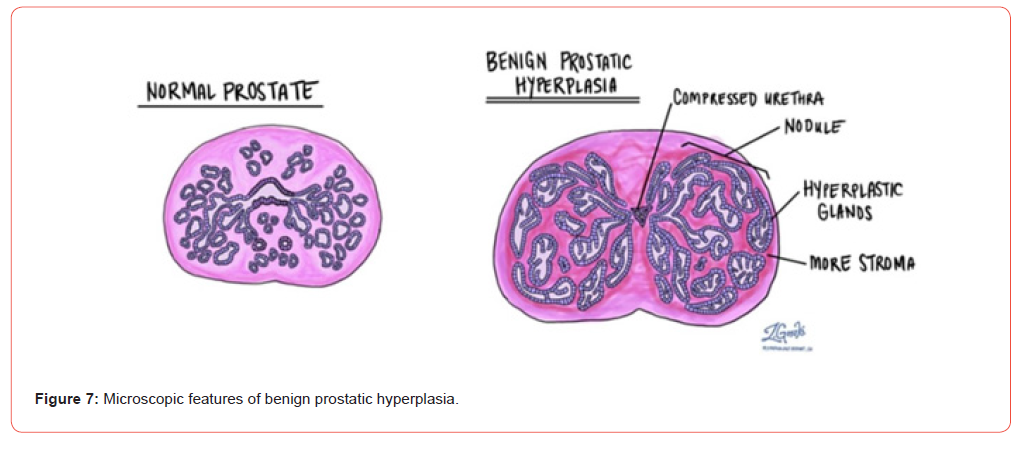
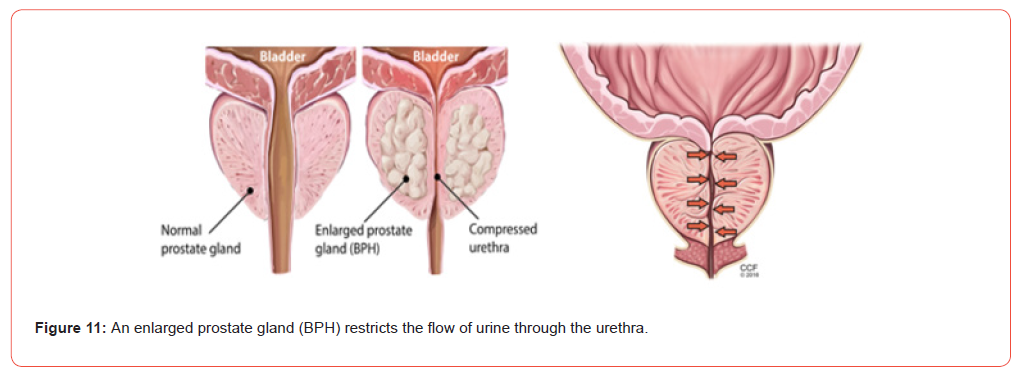
BPH refers to the nonmalignant growth or hyperplasia of prostate tissue and is a common cause of LUTS in older men. Disease prevalence DP has been shown to increase with advancing age. The histological prevalence of BPH at autopsy is as high as 50% to 60% for males in their 60s, increasing to 80% to 90% of those older than 70 years of age. The development of BPH is characterized by stromal and epithelial cell proliferation in the prostate transition zone TZ, which surrounds the urethra. This produces urethral compression and bladder outflow obstruction, (clinical manifestations of LUTS, urinary retention, or infections due to incomplete bladder emptying). BPH arises due to the loss of homeostasis between the prostatic cellular proliferation and apoptosis or cell death. This imbalance favors cellular proliferation without intervention. There is an increased numbers of prostatic periurethral epithelial and stromal cells, which can be seen histopathologically. The etiology of BPH is influenced by a wide variety of risk factors, in addition to the direct hormonal effects of TST on the prostate tissue. Men who are castrated before puberty or who have an androgen-related disorder do not develop BPH. Non-modifiable and modifiable risk factors also contribute to BPH.
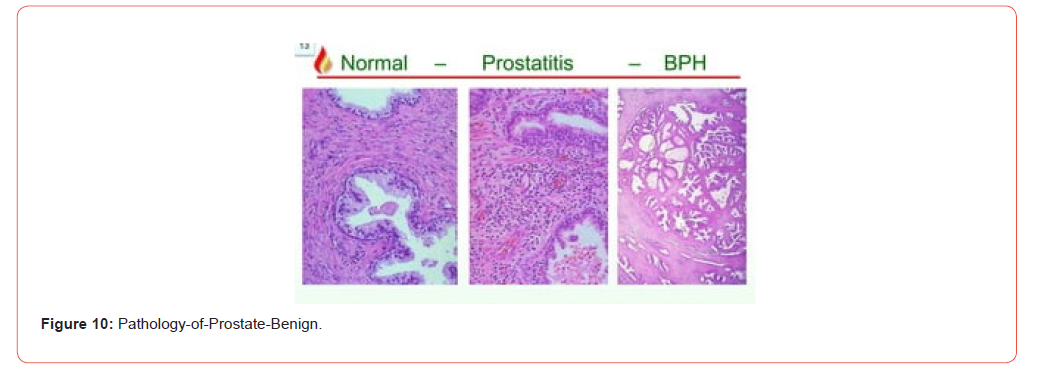
These include diabetes, diet, genetic factors, localized inflammation, obesity, and metabolic syndrome. Diabetes and the use of antidiabetic medications, like insulin, appear to increase the risk of BPH, LUTS. Beta-carotene, carotenoids, and vitamin A seem somewhat protective, while excessive alcohol ingestion, heavy caffeine intake, and high-dose supplemental vit. C tend to increase BPH risk and symptoms. No prepared dietary supplement has been proven to help BPH in randomized, controlled studies. Genetic predisposition to BPH has been demonstrated in cohort studies. First-degree relatives in 1 study demonstrated a 4-fold increase in the risk of BPH compared to the control. These findings have demonstrated consistency in twin studies looking at the disease severity of BPH, with higher rates of LUTS seen in the monozygotic twins. Localized inflammation is often associated with BPH, at least histologically. While the exact etiology is unclear, possible causes include increased detrusor voiding pressure, obesity, low-grade or chronic prostatitis, compression of the prostatic ducts, and autoimmune disorders AD.
Obesity is associated with an increased risk of BPH in observational studies. The exact cause is unclear but is likely multifactorial, as obesity makes up 1 aspect of metabolic syndrome. (Proposed mechanisms include increased levels of systemic inflammation and higher levels of estrogens). Metabolic syndrome MS refers to conditions that include hypertension, glucose intolerance/insulin resistance, dyslipidemia. Meta-analysis has demonstrated those with metabolic syndrome MS and obesity have significantly higher prostate volumes. Studies looking at men with elevated glycosylated hemoglobin levels have demonstrated an increased risk of LUTS. Limitations of these studies are that there were no subsequent significant differences in prostate symptom scores, and the effect of diabetes on LUTS has been shown to be multifactorial. Hyperplasia is generally considered a response to stimulus, inflammation, hormone effect and other. IPB Is a kind of hyperplasia. (Because prostate is a gland the phenomena involved its cells). According the famous Pascal’s principle: in fluid (gas or liquid) mechanics, statement that, in a fluid at rest in a closed container, a pressure change in one part is transmitted without loss to every portion of the fluid and to the walls of the container.
This concept must to be applied to the all-urethral sphincter complex internal, prostate and external part) and especially related a compensatory role. BPH: hyperplastic process with an increase of the cell number on histology (hyperplasia). This happens in both in the periureteral and transition zone.
Growth Factors in Benign Prostatic Hyperplasia: Basic Science Implications
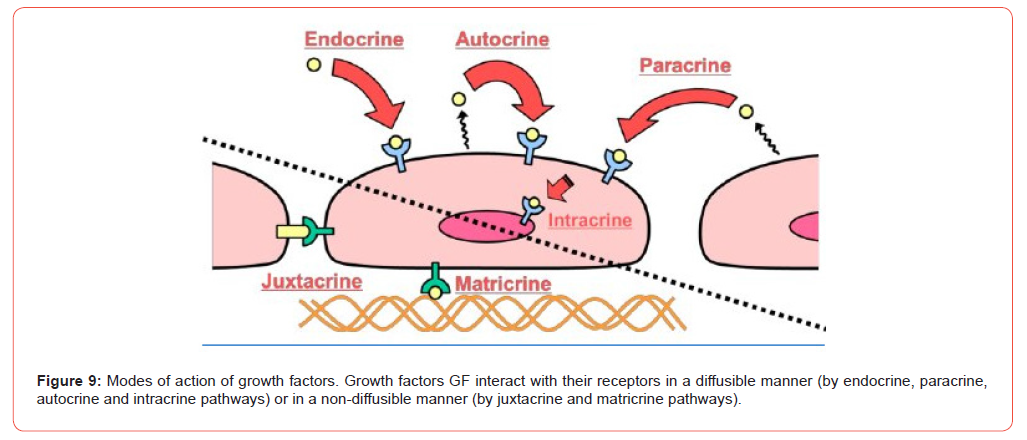
The histopathology of BPH strongly implicates local paracrine and autocrine growth factors GF and inflammatory cytokines in its pathogenesis. A complex milieu of growth-regulatory proteins includes members of the fibroblast, insulin-like, and transforming growth factor families. It appears that these proteins and downstream effector molecules, in addition to a variety of interleukins IL, are overexpressed in BPH and, working together, create a landscape of increased stromal and epithelial growth EG and mesenchymal trans differentiation that leads to disease progression. Inflammation, commonly present in
BPH, may contribute to tissue injury, and cytokines CK produced by inflammatory cells may serve to drive local growth factor GF production and angiogenesis in the tissues as a “wound healing” response.
Ageing and Local Growth Factors in Muscle
local growth factors GF produced within the muscle may play important roles in both repair, adaptation and ageing. many tissues including muscle, produce IGF-I for autocrine and paracrine actions. The lack of relationship between the total prostatic volume and BOO suggests that the symptoms and urodynamic outcomes of the infra-vesical obstruction from HPB is more associated to the enlargement of the prostatic transitional zone PTZ than to the total prostatic volume. BPH nodules cause compression forces in prostatic urethra and consequently induces a remodeling process of the extracellular matrix EM with significant increase of reticular fibers in prostatic urethra. Peak flow rates improved by 3.4 mL/s for placebo recipients and by 8.2 mL/s for treated patients (P < 0.05). In Urtica dioica UD group, PVR decreased from an initial value of 73 to 36 mL (P < 0.05) Prostate size (as measured by TRUS) decreased from 40.1 cc to 36.3 cc in Urtica dioica UD group (P <0.001), while no significant change was observed in the placebo group.
Long term results: Those in the primary Urtica dioica UD group continued to have a favorable outcome, with all values remaining stable from the end of the double-blind study to the 18-month follow-up. The external urethral sphincter EUS, composed of skeletal muscle, along with a smooth muscle-lined internal urethral sphincter, have crucial roles in maintaining continence during bladder filling and facilitating urine flow during voiding. Disruption of this complex activity has profound consequences on normal lower urinary tract function during the micturition cycle. The US FDA approved the use of phosphodiesterase-5 inhibitor, tadalafil, and its recent (2021) combination with finasteride as a single pill for BPE/BPO. There is a close relationship between prostatic zones and urethral sphincter complex. Urethral sphincter complex USC is the anatomic landmark for well-developed posterior urethra in males. We analyzed quantitatively the action potential of external urethral sphincter EUS muscles by electromyography in 9 patients with BPH and in 13 patients without micturition disturbances.
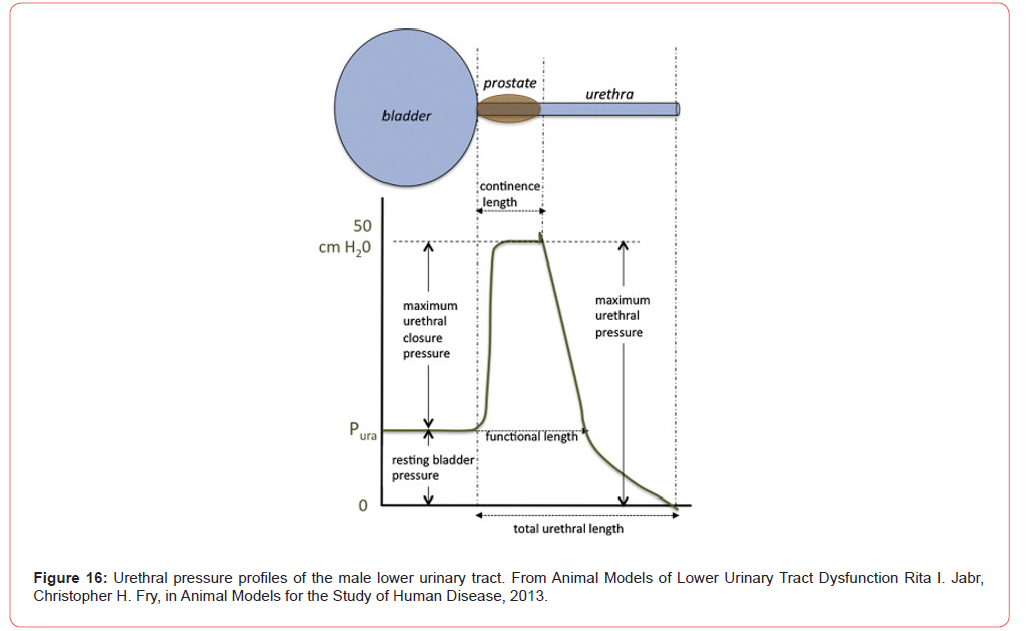
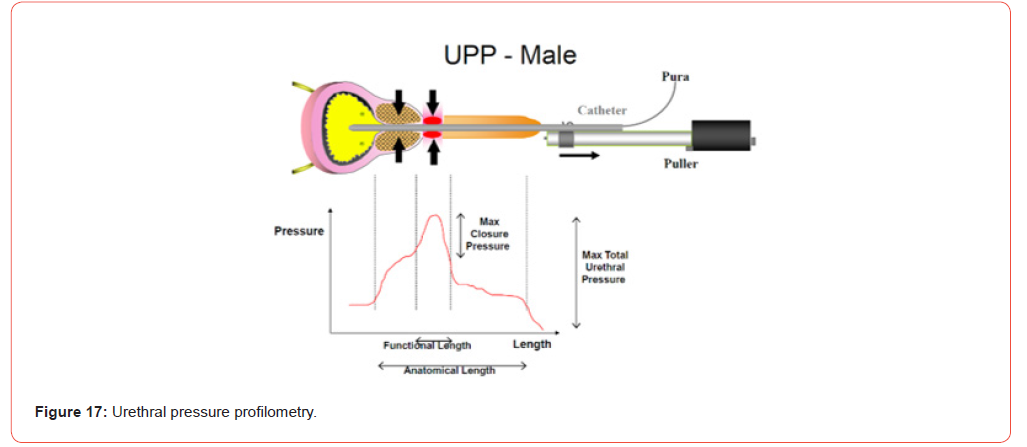
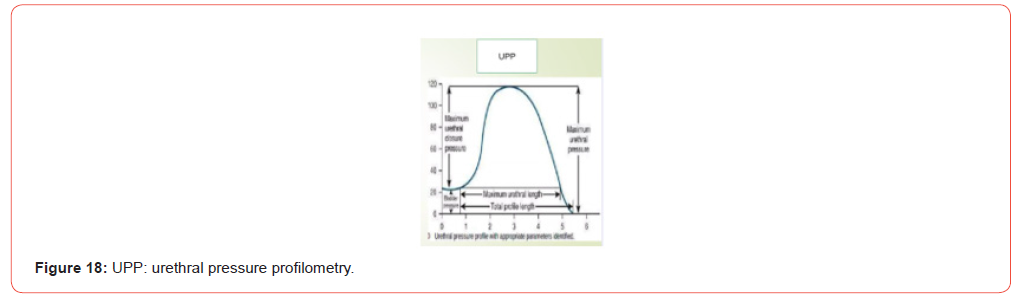
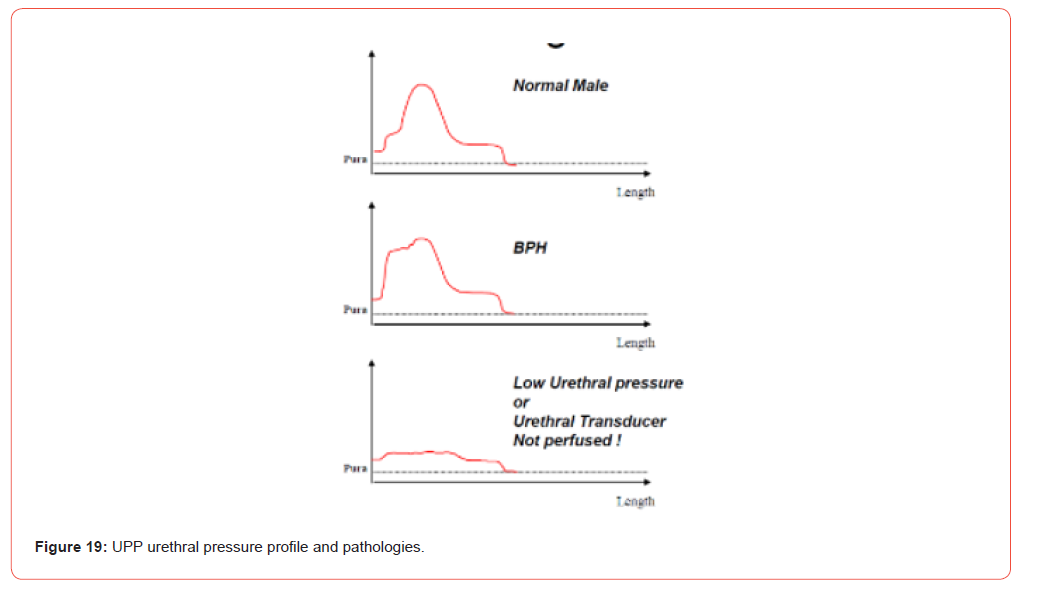
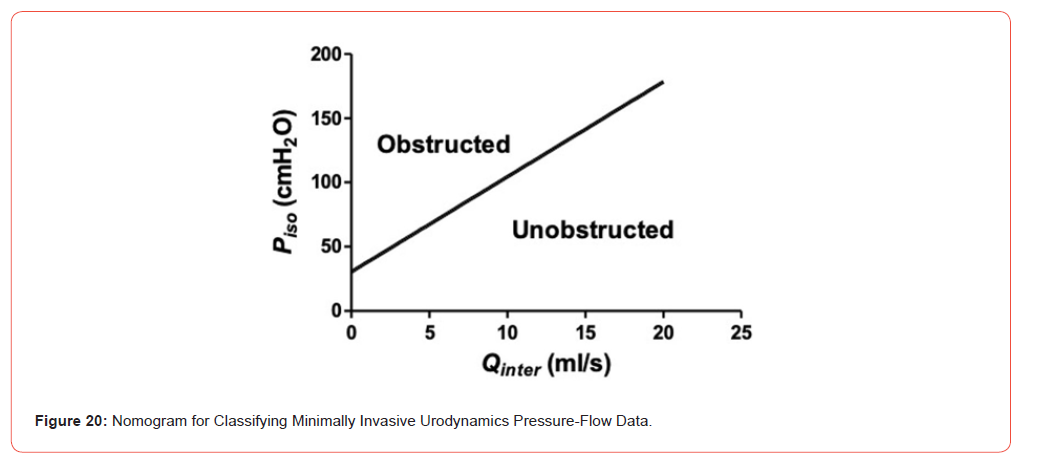
In patients with BPH the motor unit potentials had a mean amplitude of 290 plus or minus 40 micro-V., duration 5.0 plus or minus 0.1 msec. and phases 3.9 plus or minus 0.1. The control group values were 310 plus or minus 20 micro-V., 5.5 plus or minus 0.1 msec. and 3.8 plus or minus 0.1, respectively. The green traces show the minimum pressures required to open a closed urethra at various positions along the tract. The high-pressure sections show the continence regions. The y-axis values for Pura are indicative only, and may vary considerably around this value. Ureteral pressure profilometry: UPP is a graph indicating intraluminal pressure alone the length of urethra. The urethral pressure is the fluid pressure needed to just open a closed urethra. Urethral closure pressure profile is given by subtraction of intravesical pressure from urethral pressure. Maximum urethral pressure is highest pressure measured along the UPP.
a) Maximum urethral closure pressure (MUCP): maximum
difference between urethral pressure and intravesical
pressure.
b) Functional profile length: length of the urethra along with
urethral pressure exceeds intravesical pressure in women.
ICS-SUFU standard: Theory, terms, and recommendations for pressure-flow studies performance, analysis, and reporting, Part 2: Analysis of PFS, reporting, and diagnosis. the detrusor D can compensate for slowly increasing UR urethral resistance in men with a growing prostate over many years of time, by muscle contraction force adaption. As a consequence of a growing prostate, the patients ‘‘move’’ to diminished flow rates (slower contraction) and higher pressures (with higher force). Incomplete voiding may develop when the detrusor is unable to further compensate or loses the ability to contract sufficiently, which is commonly referred to as decompensating. Incomplete voiding may be regarded as a sign of insufficient compensation or of decompensation or inability to maintain force. A sudden increase in UR, caused, by surgery or (acute) inflammation around the bladder outlet, does not give the detrusor time to compensate and, may directly lead to incomplete voiding or complete urinary retention UR. Our study revealed that patients with OAB OVERACTIVE BLADDER have statistically significant higher range of urethral pressure variation than in SUI STRESS URINARY INCONTINENCE and MUI MIXED URINARY INCONTINENCE patient groups, we found that in patients with OAB and concomitant DO DETRUSOR OVERACTIVITY urethral pressure variation range was even higher than without DO (p<0.05).
Materials and Methods
With an observational point of view various relevant literature are reported for the scope of this work
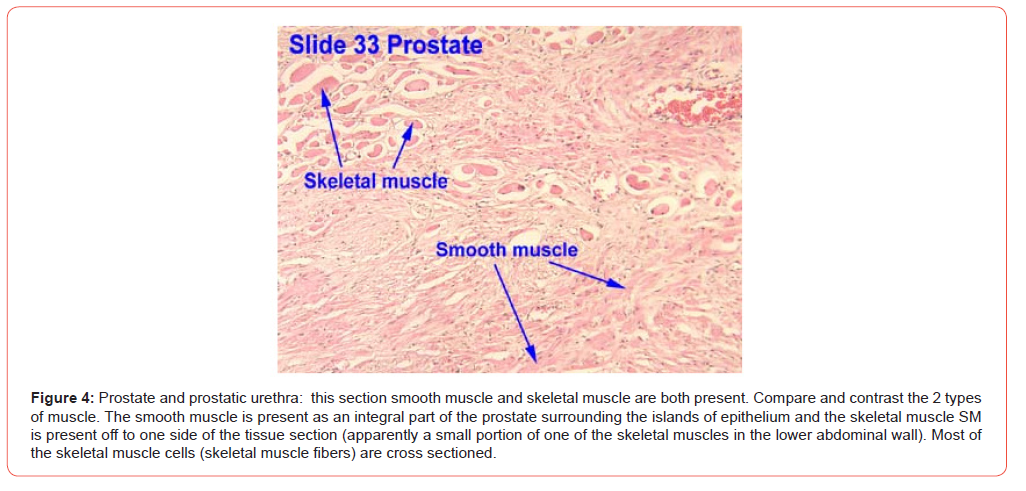
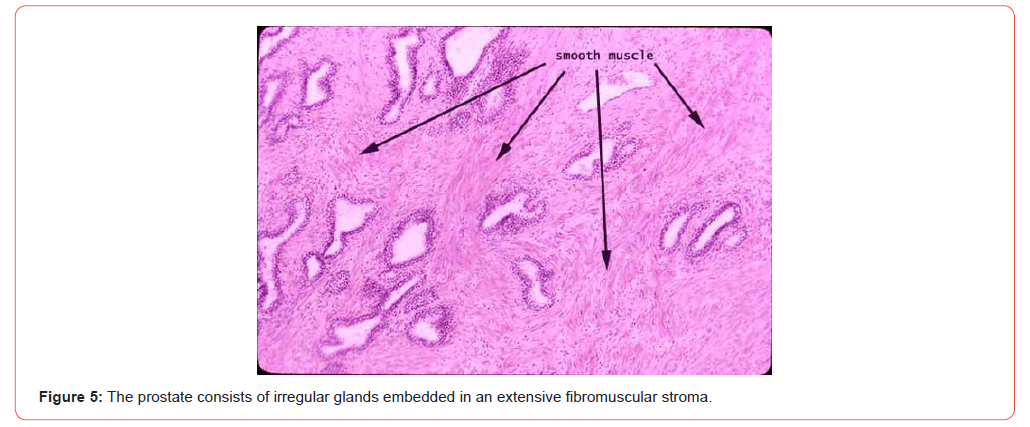
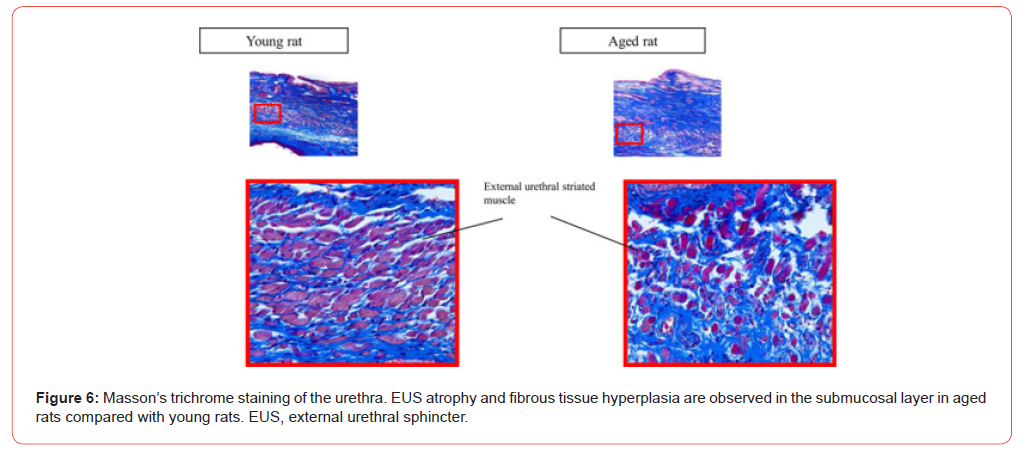
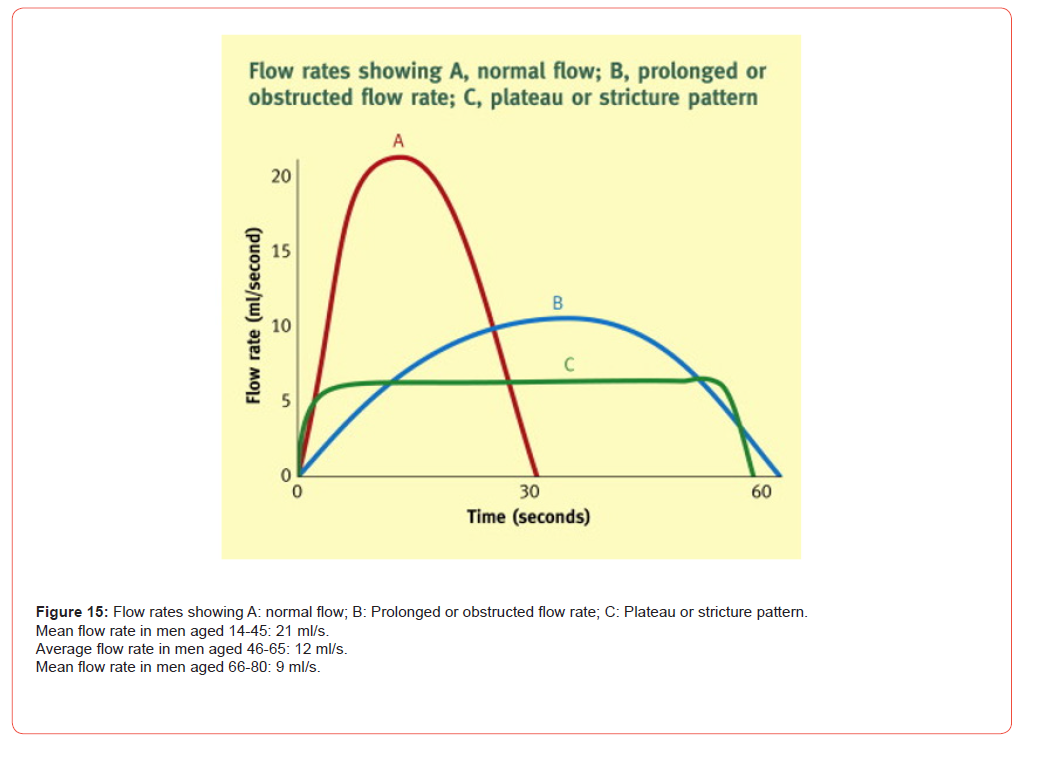
All works comes from biomedical database. Figures reported (Figures 1-23) help in better explain the meaning of this research. An experimental project hypothesis is submitted in order to provide a global conclusion.
Results
1 double-blind RCT of 558 men demonstrated significant superiority of urtica dioica when evaluating the effect on IPSS scores (an 8-point reduction), post-void residual (37 mL reduction), and prostate size (4.8 cc reduction), compared to a placebo. A metaanalysis from 2016 concluded that the usage of urtica dioica UD for the treatment of LUTS in BPH is both efficacious and safe. In this meta-analysis, on average, IPSS scores were reduced by 18.1 and prostate volumes by 3.6 cc. All included RCTs in this meta-analysis did not report any side effects or adverse events. The mechanism of action of UD has been shown to involve 5-alpha-reductase inhibitory activity on testosterone. Antiproliferative effects have also been demonstrated to affect just epithelial cells. It is further speculated to inhibit the growth of the prostate in BPH [1]. In a clinical trial, 287 BPH patients who had been treated with nettle (Urtica dioica UD) showed significant reduction in IPSS, serum PSA and prostate size. Researchers decided to carry out new research aiming to investigate the efficacy of nettle on the reduction of clinical symptoms of BPH [2].
By intention- to-treat analysis, at the end of 6-month trial, 232 (81%) of 287 patients in the Urtica dioica UD group reported improved LUTS compared with 43 (16%) of 271 patients in the placebo group (P < 0.001). Both IPSS and Qmax showed greater improvement with drug than with placebo. The IPSS went from 19.8 down to 11.8 with Urtica dioica UD and from 19.2 to 17.7 with placebo (P = 0.002). Peak flow rates improved by 3.4 mL/s for placebo recipients and by 8.2 mL/s for treated patients (P < 0.05) [3]. This study aimed to evaluate the antioxidant and anti-inflammatory activity of a combined formulation of Serenoa repens SR and Urtica dioica UD in an in vitro human model of BPH. The results confirmed both the antioxidant and the anti-inflammatory effects of SR/UD. In fact, SR/UD simultaneously reduced ROS production, NF-κB translocation inside the nucleus, and, consequently, IL-6 and IL-8 production. The effect of SR/UD was also tested in a human androgen-independent prostate cell model, PC3. SR/UD did not show any significant antioxidant and anti-inflammatory effect, but was able to reduce the NF-κB translocation [4].
Physical Activity
Increased physical activity and exercise have been robustly and consistently linked with decreased risks of BPH surgery, clinical BPH, histological BPH and LUTS. A meta-analysis of 11 published studies (n = 43,083 men) indicated that moderate to vigorous physical activity PA reduced the risk of BPH or LUTS by as much as 25% relative to a sedentary life-style, with the magnitude of the protective effect increasing with higher levels of activity [5]. The pathophysiology of LUTS could include bladder dysfunction (bladder hypersensitivity, detrusor overactivity), bladder outlet obstruction, (bladder neck dysfunction, prostatic obstruction, urethral stricture, poorly relaxed urethral sphincter, urethral sphincter dyssynergia), or a combination of these etiologies.
Growth Factors
Various growth factors and their corresponding receptors have been identified in prostatic epithelium and stroma, which can stimulate or inhibit cell division and differentiation processes. These include epidermal growth factor EGF, fibroblast growth factor, and transforming growth factor-β, but this list is by no means exhaustive. Activation of these growth factors alone or in combination can induce stromal cell SC growth, followed by significant tissue remodeling, which is responsible for prostate enlargement [6]. With advancing age, a progressive and agedependent decrease of the density of striated muscle cells can be observed in the Rhabdosphincter RS. This continuous loss of striated muscle cells due to apoptosis may finally lead to urinary incontinence. Unexpected rich urethral sphincter US volume in the elderly people might suggest the compensatory hypertrophy against the overactivity of the aging bladder [7]. Structural differences also exist, due to the mechanics of the urinary system US, as in humans, besides pressure generated by the bladder wall, urethra also operate gravitational forces that are different in relation to body size, vertical/horizontal stance and lifestyle (frequency of bladder emptying, house training, rapid flow, or spurts for marking).
In both species, the portion of the UM (urethral muscle) proximal to the bladder forms a short internal leaflet continuing, without distinction, the innermost layer of smooth muscle SM, and an external layer that is continuous with the muscle surrounding the caudal part of the pelvic urethra. The internal layer of striated muscle SM, in pig, is composed of very small myofibers surrounded, as in humans, by an abundant interstitial composed of collagen with intermingled elastic fibers. In this leaflet, the % of slowtwitch (type I) fibers is about 20%. A similar proportion was found in dog, while in man type I fibers represented the dominant population. In pigs, the 2 layers of striate muscle begin to overlap in correspondence of the body of the prostate, and together form a sort of complete sphincter caudally to the body of the prostate. More caudally, the inner layer thins and disappears. Almost all of the myofibers of the external layer are fast-twitch, more compact and nearly twice as large as those of the inner layer. This external layer might correspond to the ‘much bulkier external component’ of the UM described in humans and, also in man, the part of UM caudal to the body of the prostate is composed almost exclusively of fast-twitch fibers.
Some differences in the morphology and structure of the UM in the 2 species seem due to the morphology of the accessory genital glands that develop from the urethral wall and to the different effect of gravity between quadruped and bipedal mammals on the mechanics of the urinary system [8]. This concept has been further refined in that obstructive symptoms are thought to result not only from mechanical obstruction due to glandular enlargement, but also dynamic obstruction DO secondary to contraction of the smooth muscle of the prostate, urethra and bladder neck [9]. The function of the external sphincter ES may be impaired due to diabetic neuropathy and also lead to urinary incontinence [10]. diabetes can lead to functional and anatomical abnormalities of the external urethral sphincter EUS [11]. Morphometric analysis showed atrophy of the EUS after 20 weeks but not 6 weeks of DM induction [12]. Spontaneous myogenic contractions have been shown to be significantly upregulated in prostate tissue collected from men with BPH, an extremely common disorder of ageing male [13]. These results suggest that there are no significant differences in responsiveness of α-adrenoceptor agonists and the smooth muscle SM contents in longitudinal and circumferential directions to urethra, for human hypertrophied prostate [14].
Hypothesized Mechanisms
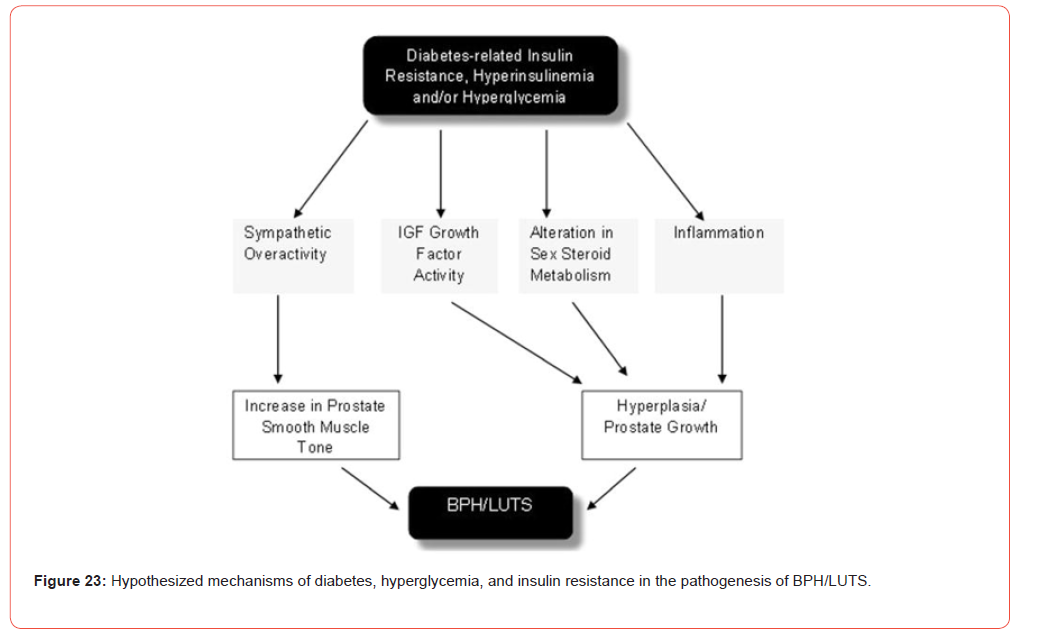
Multiple pathways may explain the association of diabetesinduced insulin resistance and hyperglycemia with BPH/LUTS. Hyperinsulinemia is associated with increased sympathetic nerve activity. This increased nerve activity may contribute to increased prostate smooth muscle tone and subsequent bladder outlet obstruction BOO. Increased outlet resistance can lead to obstructive symptoms OS as well as potential future irritative symptoms. Increased insulin concentrations secondary to diabetes may have a trophic affect that leads to enlarged prostate size. Mc Vary et al. demonstrated that autonomic nervous system NS hyperactivity was associated with increased LUTS and prostate size in a cohort of 38 men, Dysregulation of the IGF axis has been implicated in the development of BPH and prostate cancer. The IGF axis regulates the physiologic and pathophysiologic growth of many organs including the prostate. Because of its structural similarity to IGF, insulin combines to IGF receptor to enter prostate cells, possibly causing receptor activation to induce growth and proliferation. Other possibility is as insulin levels increase, IBFBP-1 declines, increasing the bioavailability of IGF.
Insulin may increase the transcription of genes/translation of proteins involved in sex hormone metabolism influencing the prostatic hormonal milieu. Diabetes-related insulin resistance/ hyperinsulinemia/hyperglycemia-induced obesity may cause hormonal changes. Hyperinsulinemia is associated with lower levels of sex hormone-binding globulin SHBG, increasing the amount of sex hormone entering prostatic cells thereby influencing growth. the chronic pro-inflammatory state associated with metabolic syndrome, hyperglycemia, and hyperinsulinemia may contribute to BPH/ LUTS [15]. The aim of this study was to evaluate the effect of combining pelvic floor PF muscle training with the urgency suppression technique (PFMT-st) and silodosin in comparison with silodosin in men with BPH and OAB after 12 weeks of treatment. The addition of PFMT-st to silodosin treatment significantly improved OAB in men with BPH [16].
Prostate Enlargement Exercise
Physical activity PA plays a pivotal role in maintaining prostate health. From pelvic floor exercises to aerobic activities, identify a tailored exercise regimen that contributes to your overall wellness. Kegel exercises are simple yet effective, and can greatly benefit men looking to protect their prostate health. The most common Kegel exercises KE are specifically designed to strengthen the pelvic floor muscles.
Yoga and Specific Postures
Yoga can reduce stress and improve flexibility, which helps relieve tension around the prostate. Postures such as the Bridge Posture (Setu Bandhasana), which strengthens the pelvic muscles and improves circulation, or the Cobra Posture (Bhujangasana), which stimulates the pelvic organs, are particularly recommended. The child’s pose (Balasana) is also ideal for releasing tension in the lower back and pelvis. Aerobic exercise ameliorates benign prostatic hyperplasia in obese mice through downregulating the AR/ androgen/PI3K/AKT signaling pathway. These data demonstrate that aerobic exercise AE may alleviate BPH in obese mice through regulation of the AR/androgen/PI3K/AKT signaling pathway. IGF-I and IGF-II were identified as potent mitogens and were previously associated with an increased risk of cancer development including the prostate cancer [17].
Experimental Project Hypothesis
In order to verify the effect played by various therapeutic
strategies 60 patients with IPB, overactive bladder and urinary
urgency must to be divided in group:
a) 20 patients under finasteride -dutasteride therapy prescribed
by physicians.
b) 20 patients using Serenoa R and Urtica dioica (phytotherapy).
c) 20 patients that use KEGEL EXERCISE alone.
d) Time of observation: 1- 3 month.
e) To be measured at month 1-2-3 the Uroflowmetry, the residual
volume after micturition, prostate volume, quality of life with a
specific approved questionary (evaluated by urologist).
f) To be verified if there is significative difference between
in these 3 categories of patients and the role played by the
physiotherapy exercise a part from any pharmacological
-phytotherapy intervention.
Discussion
The main action of the urethral sphincter complex is to compress the urethra. The internal sphincter is a continuation of the detrusor bladder muscle, it is involuntary. The external ureteral sphincter is of striate muscle (voluntary). The internal sphincter is primary muscle involved in prohibiting of the release of the urine, the external is secondary. In quadrupeds, the weight of the abdominal viscera rests on the abdominal wall; in humans, it is directed toward the pelvic outlet. In the human urethra, the composition of the wall changes during the various age: in the child the striated muscle is about 79% and in advanced age the 35,5%. The prostate is placed between these two muscles and have inside smooth muscle fiber (specific role in ejaculation). The muscles of the prostate also ensure that the semen is forcefully pressed into urethra and then expelled outwards during the ejaculation. Prostate muscle fibers are under control of involuntary nervous system and contract to slow and stop urine According to Nathan Lawrentschuk, Gideon Ptasznik, and Sean Ong. 2021, in that obstructive symptoms are thought to result not only from mechanical obstruction due to glandular enlargement, but also dynamic obstruction secondary to contraction of the smooth muscle of the prostate, urethra and bladder neck [9].
BPH is a multifactorial disease, highly associated with aging and characterized by increased prostate smooth muscle contractility. Between the BPH risk factors is possible to see: Aging, androgens, estrogens, apoptosis dysfunctions, stromal epithelial interactions, grow factors. EUS (external ureteral sphincter) atrophy and fibrous tissue hyperplasia are observed in the submucosal layer in aged rats compared with young rats According S. Abe about external urethral sphincter muscles by electromyography in patients with BPH the motor unit potentials had a mean amplitude of 290 plus or minus 40 microV., duration 5.0 plus or minus 0.1 msec. and phases 3.9 plus or minus 0.1. The control group values were 310 plus or minus 20 microV., 5.5 plus or minus 0.1 msec. and 3.8 plus or minus 0.1, respectively. Luts are also linked to “poorly relaxed urethral sphincter condition. OVB is linked also to weakness or spasm of pelvic muscle floor. Also plays role in controlling flow of urine; prostate muscle fibers are under control of involuntary nervous system and contract to slow and stop urine. The hallmark histological feature of the prostate is the Myo elastic/fibromuscular stroma in which there are clusters of smooth muscles mixed with elastic fibers. This surrounds the glandular tissue/parenchyma of the prostate, which is responsible for the production of approximately 27% of seminal fluid.
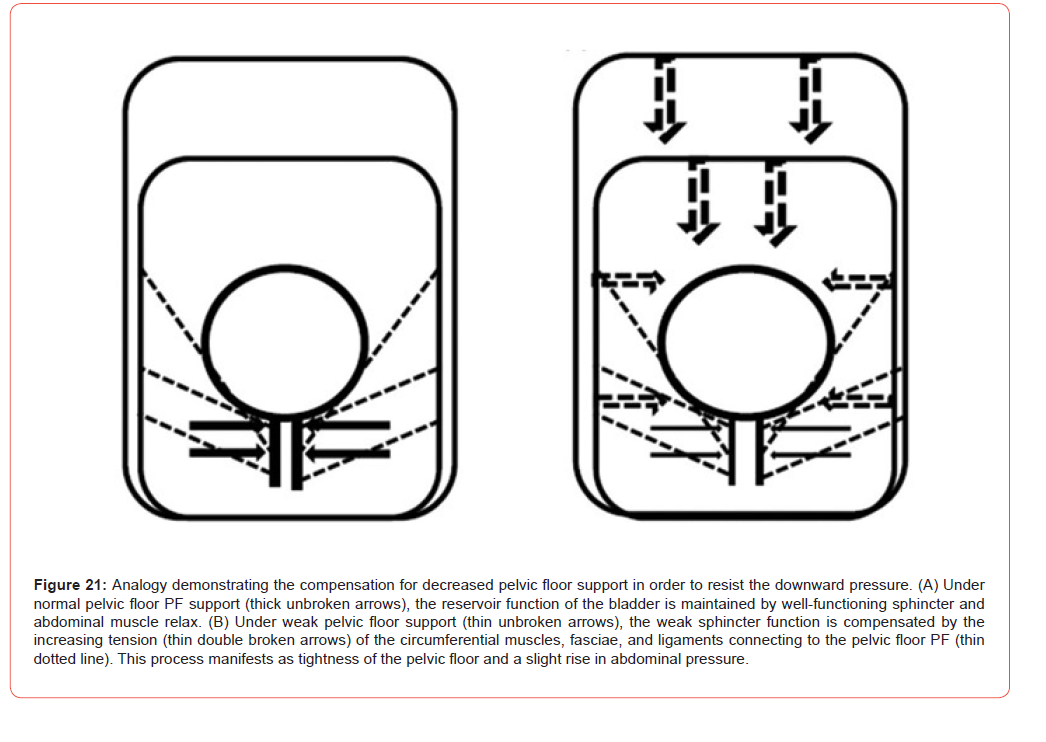
The muscle of the prostate act as an reinforce to the internal ureteral sphincter. There is difference in biped or quadruped animals in the sphincter unit’s anatomy [8]. The hypotonicity of the external urethral sphincter (a voluntary muscle) produce the need that other structure act in supporting (and this structure can be upper the EUS). Whit advancing age, a progressive and agedependent decrease of the density of striated muscle cells can be observed in the Rhabdosphincter. Shantanu Sinha et al: “the presence of the intact rhabdo-sphincter muscle does not guarantee continence and its loss does not cause incontinence in the presence of an intact lissosphincter”. According S. H. SHIN “Under weak pelvic floor support, the weak sphincter function is compensated by the increasing tension of the circumferential muscles, fasciae, and ligaments connecting to the pelvic floor”. The prostate is a gland and growth factor can produce hyperplasia with more closing of the urethra channel. In BPH pathogenesis are involved various growth factors (autocrine or paracrine). According article Ageing and local growth factors in muscle Stephen D. R. Harridge 2003: “local growth factors produced within the muscle may play important roles in both repair, adaptation and ageing. many tissues including muscle, produce IGF-I for autocrine and paracrine actions”. (The histopathology of BPH strongly implicates local paracrine and autocrine growth factors and inflammatory cytokines in its pathogenesis). The diabetes can cause external urethral sphincter (atrophy).
Spontaneous myogenic contractions have been shown to be significantly upregulated in prostate tissue collected from men with BPH [13]. There are no significant differences in responsiveness of α-adrenoceptor agonists and the smooth muscle contents in longitudinal and circumferential directions to urethra, for human hypertrophied prostate [14]. The pharmacological effect played by Finasteride, dutasteride but also of Serenoa R and urtica dioica are clearly showed by literature and used in the management of IPB. The diabetes/ insulin resistance conditions play a role in BPH: increase sympatico overactivity with increased smooth prostate fiber tone, inflammation, alterations in sex hormone metabolism and in IGF growth factor activity.
Conclusion
The exact causes of BPH are unknown at today so it is of interest to submit a new hypothesis. Related the sex hormonal theory this not explain totally this process: the level of DHT in men with or without BPH not differ in significative way so other factor must to be involved in BPH. The Nodules Ipe plastics have a variable composition: glandular elements and of fibromuscular stroma. The external ureteral sphincter electromyography in BPH patient show an abnormal activity level. According to literature there is a role of prostate also in the urinary continence function. Generally, IPB is considered a pathology that produce ureteral obstruction and reduced flux but it must to be better verified the role played by the functionality of the external urethral sphincter and the compensation Inside the global unit Urethral sphincter (internal, Prostate smooth fiber, external Urethral sphincter). And for the scope of this work to verify also the moves played by Prostate smooth fibers in IPB process. The prostate inside has smooth fibers that help in semen ejaculation so it can be considered not only a simple gland but with a specific muscular role. These 2 functions Can be considered linked together? What happen if increase the need of muscular contraction to the gland? (Ipe trophy?)
And what is the effect played by growth factor in the gland and into the smooth fiber inside? The reduced activity of the external sphincter can produce the need of intervention by the prostatic urethra and this overload of additional work produce increase in growth factors: the autocrine contribute to the effect of hyperplasia. (oncological process can be involved also?). So, it is right to change the paradigm: IPB as secondary effect as compensation of the external ureteral sphincter? Moderate to vigorous physical activity reduced the risk of BPH Aerobic exercise may alleviate BPH in obese mice through regulation of the AR/androgen/PI3K/AKT signaling pathway. The rehabilitation with Kegel exercise acting on the external ureteral sphincter make possible to improve OVB and micturition urgency. And in therapy of the IPB are used also alfa antagonist to relax the smooth fibers of the Prostate and urethra. The literature reported and figure help in verify all the pathogenetic moves. If confirmed this pathogenetic moves the therapeutic implication can be relevant.
As final conclusion it is suggested to consider the unit internal
urethral sphincter-prostate muscle -external urethral sphincter
as a linked structure that globally contribute to urine continence
mechanism:
a) If malfunction of the external sphincter the prostate can act in
compensation.
b) The IPB can be considered as secondary to this process.
c) Even if many elderly develop BPH not all are subjected.
d) In animal world: In elderly dogs a % show BPH also.
e) In humans (biped) the Ipe trophy is in concentric way instead
in the dogs happen in eccentric way and this can be related the
different need of the biped vs quadruped mammal’s vs gravity
forces.
Conflict of Interest
No.
References
- Vaki Antoniou, Vineet Gauhar, Sachin Modi, Bhaskar Kumar Somani (2023) Role of Phytotherapy in the Management of BPH: A Summary of the Literature. J Clin Med 12(5): 1899.
- Alireza Ghorbanibirgani, Ali Khalili, L. Zamani (2013) The Efficacy of Stinging Nettle (Urtica Dioica) in Patients with Benign Prostatic Hyperplasia: A Randomized Double-Blind Study in 100 Patients. Iran Red Crescent Med J 15(1): 9-10.
- Mohammad Reza Safarinejad (2005) Urtica dioica for treatment of benign prostatic hyperplasia: a prospective, randomized, double-blind, placebo-controlled, crossover study. J Herb Pharmacother 5(4): 1-11.
- Miriam Saponaro, Isabella Giacomini, G. Morandin, Veronica Cocetta, Eugenio Ragazzi Genny Orso, et al. (2020) Serenoa repens and Urtica dioica Fixed Combination: In-Vitro Validation of a Therapy for Benign Prostatic Hyperplasia (BPH). Int J Mol Sci 21(23): 9178.
- Nishant D Patel, J Kellogg Parsons (2014) Epidemiology and etiology of benign prostatic hyperplasia and bladder outlet obstruction. Indian J Urol 30(2): 170-176.
- Cheng-Ling Lee, Hann-Chorng Kuo (2017) Pathophysiology of benign prostate enlargement and lower urinary tract symptoms: Current concepts. Tzu Chi Med J 29(2): 79-83.
- Tahara H, Okadome A, Tahaka M Urethral Sphincter Volume Measured with MRI.
- Ragionieri Luisa, Ravanetti Francesca, Gazza Ferdinando, Botti Maddalena, Ivanovska Ana, et al. (2016) Morphological analysis of the urethral muscle of the male pig with relevance to urinary continence and micturition. J Anat 228(3): 511-519.
- Nathan Lawrentschuk, Gideon Ptasznik, Sean Ong, Kenneth R Feingold, Bradley Anawalt, et al. (2021) Benign Prostate Disorders.
- Saeid Golbidi, Ismail Laher (2010) Bladder Dysfunction in Diabetes Mellitus. Front Pharmacol 1: 136.
- Abdullah Erdem Canda (2011) Diabetes might adversely affect expression and function of interstitial cells in the urinary bladder and urethra in humans: A new mechanism in the development of diabetic lower urinary dysfunction? Med Hypotheses 76(5): 632-634.
- Guiming Liu, Yi-Hao Lin, Yasuhiro Yamada, Firouz Daneshgari (2008) External urethral sphincter activity in diabetic rats. Neurourol Urodyn 27(5): 429-434.
- Basu Chakrabarty, S. Lee, Betty Exintaris (2019) Generation and Regulation of Spontaneous Contractions in the Prostate. Adv Exp Med Biol 1124: 195-215.
- Nobuo Moriyama, Noriyuki Miyata, H. Yamaura, Ryuzaburo Yamazaki, Katsuharu Tsuchida, et al. (1994) Multidirectional contraction of human hypertrophied prostate. Gen Pharmacol 25(7): 1459-1464.
- Benjamin N Breyer, Aruna V Sarma (2014) Hyperglycemia and Insulin Resistance and the Risk of BPH/LUTS: an Update of Recent Literature. Curr Urol Rep 15(12): 462.
- Magdalena Hagovska, Jan Svihra Sr, Ladislav Macko, Jan Breza Jr, Jan Svihra Jr, et al. (2024) The effect of pelvic floor muscle training in men with benign prostatic hyperplasia and overactive bladder. World J Urol 42(1): 287.
- Anna Perri, Vittoria Rago, Guadalupe Maya-Núñez (2024) Editorial: New insights into prostate cancer: new biomarkers, molecular mechanisms, and therapeutic approaches. Front Endocrinol 15: 1453065.
-

This work is licensed under a Creative Commons Attribution-NonCommercial 4.0 International License.