


 Research article
BMG Urethroplasty Experience from Sudanese Patients, Visiting the Literature and Audit
Received Date: August 27, 2025; Published Date: September 02, 2025
Abstract
Background: Urethral stricture disease presents a significant reconstructive challenge. While various treatment modalities exist, including
direct visual internal urethrotomy (DVIU) and different forms of urethroplasty using flaps and grafts, buccal mucosa graft (BMG) urethroplasty has
emerged as a highly effective and durable option for a broad spectrum of stricture complexities.
Objectives: This study aimed to evaluate the functional outcomes of BMG urethroplasty in Sudanese patients with anterior urethral strictures.
Methodology: This descriptive cross-sectional hospital-based study was conducted at North Nile Hospital and Kuwaiti Hospital between 2014
and 2021. The study included all patients diagnosed with anterior urethral strictures who underwent BMG urethroplasty during this period. Data on
stricture characteristics, types of graft surgery performed, complications, and overall outcomes based on the functional outcomes post-operatively
(e.g., post-operative uroflowmetry more than 10 ml per second , post-void residual urine less than 100 ml, need for subsequent instrumentation
were meticulously collected with a follow up for one year the “success of urethroplasty in this research is typically defined by the absence of restricture
requiring any form of re-intervention (e.g., dilatation, urethrotomy, repeat urethroplasty) and often includes satisfactory uroflowmetry
results,. these records were collected using a standardized checklist. Data were subsequently entered and analyzed using SPSS software (version 24).
Results: A total of 71 patients with urethral strictures were included. The mean age of the cohort was 39.3±9.2 years with 38 (53.5%) patients
aged 20-40 years and 33 (46.5%) patients over 40 years. The majority of patients (n=51, 71.8%) were married. Surgical duration exceeded two
hours in 64 (90.1%) cases. The primary etiologies of stricture were infection (n=45, 63.4%), followed by instrumentation (n=7, 9.9%), trauma (n=7,
9.9%), Balanitis Xerotica Obliterans (BXO) (n=7, 9.9%), and idiopathic causes (n=5, 7%). Stricture lengths were distributed almost equally, with
35 (49.3%) measuring 3-4 cm and 35 (49.3%) exceeding 4 cm. The most common stricture location was the bulbopenile urethra (n=31, 43.7%),
followed by the bulbar urethra (n=25, 35.2%), pan-urethral strictures (n=13, 18.3%), and penile urethra (n=2, 2.8%). The Russell technique was the
most frequently performed urethroplasty (n=35, 49.3%), followed by augmentation urethroplasty (n=20, 28.2%). The overall success rate observed
was 91.5%. Donor site complications occurred in 31 (43.6%) patients, with pain being the most common (n=23, 32.4%), followed by swelling (n=4,
5.6%), contracture (n=3, 4.2%), and sensory loss (n=1, 1.4%). the severity, duration, and impact on quality of life of these complications were not
remarkable.
Conclusion: Buccal mucosa grafts are characterized by their robust elasticity, ease of harvest, and minimal donor site morbidity, leaving no
discernible scar. These properties make BMG an optimal substitute for patients with long anterior urethral strictures, advocating for its consideration
as a primary management option in such cases.
Keywords: Urethral stricture; BMG; sudan; urethroplasty
Introduction
Urethral stricture disease, a debilitating condition characterized by fibrotic narrowing of the urethra, significantly impairs urinary flow and quality of life [1]. While various management strategies exist, including endoscopic procedures and excisional anastomotic urethroplasty, these often fall short for complex, recurrent, or longer strictures [2]. In this context, buccal mucosa graft (BMG) urethroplasty has emerged as a gold standard, offering a highly effective and durable reconstructive option due to the unique characteristics of buccal mucosa, such as its robust vascularity, resistance to infection, and minimal hair-bearing properties [3,4]. The primary measure of success in urethral stricture management is the absence of recurrent stricture requiring further intervention. Numerous studies and meta-analyses consistently report high success rates for BMG urethroplasty. Pooled success rates generally range from **80% to 90%** across various patient cohorts and stricture characteristics [5,6]. These high rates are often maintained over long-term follow-up periods, highlighting the durability of the repair.
For instance, Barbagli et al. [7] reported a 15-year outcome of dorsal onlay buccal mucosa graft urethroplasty for bulbar urethral strictures, demonstrating a high success rate, with most recurrences occurring within the initial two years post-surgery. Similarly, Lumen et al. [8], in a retrospective analysis of 100 cases of dorsal onlay BMG urethroplasty for bulbar strictures, observed excellent long-term outcomes, reinforcing the efficacy of the technique for this common stricture location. A systematic review by Mangera et al. [9] further consolidated these findings, demonstrating consistently favorable results across diverse studies. The durability of BMG urethroplasty is a significant advantage over endoscopic treatments like dilation or internal urethrotomy, which frequently suffer from high recurrence rates, particularly for longer or more complex strictures [10]. The ability of the buccal mucosa to integrate well into the urethral defect and resist the underlying fibrotic process contributes to its sustained success.
Location-Specific Outcomes
The success of BMG urethroplasty can vary depending on the anatomical location of the stricture, largely due to differences in surrounding tissue vascularity and support. *Bulbar Urethra urethroplasty yields the highest success rates for strictures in the bulbar urethra, often exceeding 90% [4,8]. The rich vascular supply of the bulbar corpus spongiosum and its relatively protected anatomical position provide an ideal bed for graft take and healing. Both dorsal and ventral Onlay techniques have shown excellent results in this segment [11]. Penile Urethra: Reconstruction of penile urethral strictures presents unique challenges due to the thinner spongiosum and the potential for post-operative penile curvature (chordee). Despite these challenges, BMG urethroplasty demonstrates good outcomes, with reported success rates typically ranging from **75% to 85%** [12,13]. Dorsal onlay techniques are often preferred in the penile urethra to minimize the risk of ventral chordee and diverticulum formation.
Posterior Urethra: For complex posterior urethral strictures, often resulting from pelvic fracture urethral injuries, BMG can be utilized, though often in conjunction with anastomotic techniques or as part of a staged approach. Outcomes in this challenging segment are more variable, reflecting the complexity of the strictures and associated tissue damage, but BMG still offers a vital reconstructive option [14]. Fossa Navicularis and Meatal Strictures: For strictures involving the distal urethra, including the fossa navicularis and meatus, BMG is also highly effective. Two-stage urethroplasty, where the graft is initially laid open and then tabularized in a second stage, is commonly employed for complex distal strictures, yielding good functional and cosmetic results [15].
Factors Influencing Outcomes
Several factors can influence the outcome of BMG urethroplasty:
Stricture Length and Severity
While BMG can be used for various stricture lengths, shorter strictures generally have higher success rates. Longer strictures, particularly those requiring extensive graft material or a tubularized repair, may be associated with a slightly higher risk of complications and recurrence [16]. The degree of spongiofibrosis also plays a role, with more severe scarring potentially impacting graft take.
Prior Urethral Procedures
Patients with a history of multiple failed endoscopic procedures or previous open surgeries may have compromised urethral tissue quality, which can negatively impact the success of subsequent BMG urethroplasty. However, BMG still offers a superior outcome compared to repeat endoscopic interventions in these complex cases [17].
Surgical Technique
Meticulous surgical technique, including proper graft harvesting, preparation, and securing to a well-vascularized bed, is paramount for successful graft take and long-term patency. The choice between dorsal onlay, ventral onlay, or two-stage techniques is often tailored to the individual stricture and surgeon experience [18].
Patient Factors
Comorbidities such as diabetes, smoking, and peripheral vascular disease can impair wound healing and potentially affect graft integration, thus influencing outcomes. Patient adherence to postoperative care, including catheterization protocols, also contributes to success [19].
Patient-Reported Outcomes and Quality of Life
Beyond objective measures of stricture recurrence, patientreported outcomes (PROs) are crucial in assessing the overall success of urethroplasty. Studies consistently demonstrate significant improvements in urinary symptoms, voiding patterns, and overall quality of life following successful BMG urethroplasty.
Patients often report reduced straining, improved flow, and decreased frequency and urgency of urination [20]. The impact on sexual function is also an important consideration. While some transient erectile dysfunction or ejaculatory changes can occur post-operatively, long-term studies generally show that BMG urethroplasty does not significantly compromise sexual function, and in some cases, improvements in sexual satisfaction are noted due to improved body image and confidence [21] Donor site morbidity, while a concern, is generally low and well-tolerated. Most donor site pain and swelling resolve within a few days to weeks, and long-term sensory deficits are rare [22]. The high patient satisfaction with the functional and cosmetic results of BMG urethroplasty underscores its value as a definitive treatment for urethral strictures.
Patients and Methods
Study Design
This was a descriptive, cross-sectional, hospital-based study.
Study Setting
The study was conducted at North Nile Hospital and Kuwaiti Hospital, two of Sudan’s largest urology centers, which serve a wide public patient population across the country. These institutions receive the majority of urethral stricture cases referred from various Sudanese states.
Study Population
The study population comprised all patients diagnosed with anterior urethral stricture who underwent buccal mucosa graft (BMG) urethroplasty at North Nile Hospital and Kuwaiti Hospital between January 2014 and December 2021.
Inclusion Criteria
a) All patients presenting with anterior urethral stricture
who underwent BMG urethroplasty, irrespective of the specific
urethral segment involved.
b) Patients who provided informed consent to participate in
the study.
Exclusion Criteria
a) Patients who underwent urethroplasty procedures other
than BMG urethroplasty.
b) Patients with incomplete follow-up data.
Sample Size
Given the limited number of cases within the specified study area, a total coverage approach was employed. All eligible patients (n=71) meeting the inclusion criteria during the study period were included in the analysis.
Pre-operative Patient Evaluation
Pre-operative evaluation for all patients included a comprehensive clinical history, physical examination, urine culture, measurement of post-void residual urine volume, uroflowmetry, retrograde and voiding cystourethrography, and urethral ultrasound. These diagnostic techniques were consistently applied, even in patients with a history of failed urethroplasty or repeated urethrotomies. Patient age was not considered a limiting factor for surgical candidacy, as it has not been shown to influence the success rate of BMG urethroplasty. The success of urethroplasty in this research typically defined by the absence of re-stricture requiring any form of re-intervention (e.g., dilatation, urethrotomy, repeat urethroplasty) and often includes satisfactory uroflowmetry results as more than 10 ml/sec or PVR less than 100 ml.
Patient Preparation for Surgery
Patients commenced a twice-daily chlorhexidine bidet for genital cleansing three days prior to surgery. Intravenous prophylactic antibiotics were administered to all patients on the day before the surgical procedure. The outcomes were evaluated through precise reporting by the objective measures used to define functional outcomes post-operatively (e.g., post-operative uroflowmetry, post-void residual urine, need for subsequent instrumentation). But rarely on subjective patient reporting satisfaction or absence of re-intervention.
Data Collection Method
Data were collected by the principal investigator using a standardized checklist. Information was obtained directly from patient interviews and confirmed through review of hospital medical records.
Study Variables
The following variables were collected and analyzed: Demographic Data; Age, marital status, and residence.
Surgical and Stricture Characteristics, Time of operation, cause of stricture, site of stricture, length of stricture, type of urethroplasty performed, previous management of stricture, and previous history of urethral stricture.
Outcomes and Complications: Overall treatment outcome, donor site complications like pain, scars etc. (the severity, duration, and impact on quality of life of these complications, and presence of chronic diseases.
Procedural Information: Date of operation.
Data Analysis Plan
Data was managed and analyzed using the Statistical Package for the Social Sciences (SPSS) software, version 24. Descriptive statistics, including tables, pie charts, and bar charts, were used for data presentation. The Chi-square test was employed to compare categorical variables, with a statistical significance level set at $p < 0.05$.
Ethical Considerations
Ethical approval was obtained from the ethical committee of the Sudan Medical Specialization Board (SMSB) and the Ethical and Disciplinary Committee (EDC). Informed consent was secured from each patient or their closest relative prior to their participation in the study. Additionally, consent was obtained from the hospital administrations. Patient confidentiality was strictly maintained throughout the study; data were anonymized using unique identity numbers instead of names to protect participant identity and ensure data security. No individual participant was referenced in the study reports
Results
A total of 71 patients with anterior urethral strictures were included in this study. The mean age of the cohort was 39.3±9.2 years. Regarding marital status, the majority of patients were married, comprising 51 (71.8%) individuals, while 20 (28.2%) were single. The mean operation time for the procedures was 2.97±0.42 hours. Surgical duration exceeded two hours in 64 (90.1%) cases. The causative factors for urethral strictures among the patients were predominantly infectious, accounting for 45 (63.4%) cases. Other etiologies included instrumental injury (n=7, 9.9%), trauma (n=7, 9.9%), Balanitis Xerotica Obliterans (BXO) (n=7, 9.9%), and idiopathic causes (n=5, 7%) (Figure 1). Stricture lengths were distributed as follows: 35 (49.3%) patients had strictures measuring 3-4 cm, 35 (49.3%) had strictures exceeding 4 cm, and 1 (1.4%) patient had a stricture of 1-2 cm (Table 1). The most common anatomical site for strictures was the bulbopenile urethra, observed in 31 (43.7%) patients, followed by the bulbar urethra in 25 (35.2%) patients, and pan-urethral strictures in 13 (18.3%) patients.
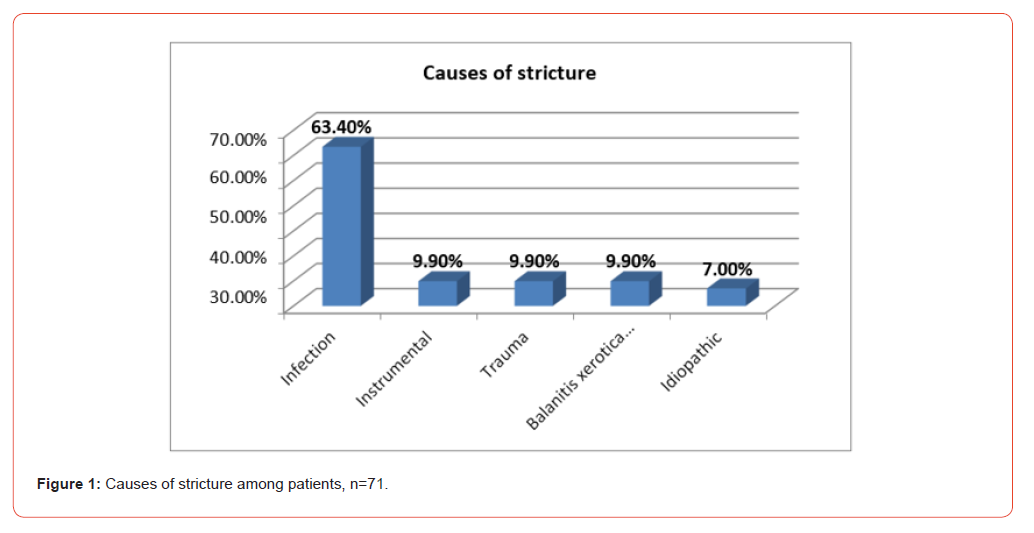
Table 1: The length of stricture among patients.

Only 2 (2.8%) strictures were located in the penile urethra (Figure 2). A small proportion of patients, 3 (4.2%), presented with co-existing chronic illnesses such as diabetes, hypertension, and chronic kidney disease (CKD). Diverse urethroplasty techniques were employed. The Russell technique was the most frequently performed, accounting for 35 (49.3%) procedures, followed by augmentation urethroplasty in 20 (28.2%) patients. Other techniques included double face BMG in 8 (11.3%) patients, staged BMG in 6 (8.5%) patients, flap and graft in 1 (1.4%) patient, and the Kulkarni procedure in 1 (1.4%) patient (Table 2). The subjective outcome at an early three-month follow-up indicated satisfactory results in 96 (97.2%) patients, with 2 (2.8%) reporting weak outcomes and no recurrences. At six months, 66 (93.0%) patients reported satisfactory outcomes, 3 (4.2%) reported weak outcomes, and 1 (1.4%) recurrence was noted. By the one-year follow-up, 65 (91.5%) patients maintained satisfactory outcomes, while 6 (8.5%) recurrences were reported (Table 3).
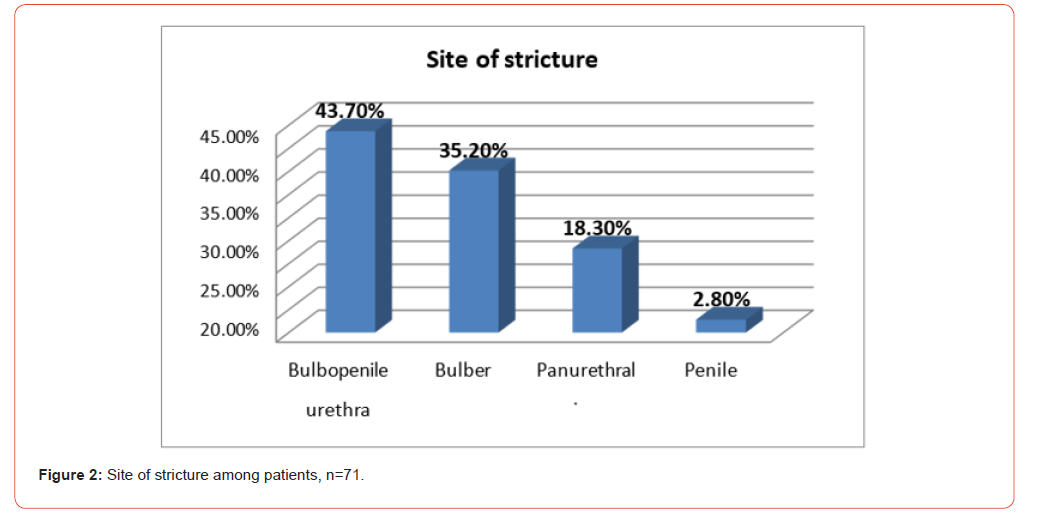
Table 2: Types of urethroplasty among patients.

Table 3: The subjective outcome among patients underwent BMG.

Objective assessment of outcomes revealed: Among 32 patients who underwent ascending urethrogram, recurrence was identified in 6 (8.5%) patients, while 26 (36.6%) showed normal study results. Of 9 patients who underwent cystoscopy and flow study, recurrence was reported in 2 (2.8%) patients, with 7 (9.9%) demonstrating normal study results (Table 4). A significant proportion of patients, 29 (40.8%), had a previous history of urethral stricture. Among these, 25 (78.1%) had previously undergone direct visual internal urethrotomy (DVIU), 4 (13.7%) had previous urethroplasty, and 3 (10.3%) were managed by dilatation. Donor site complications occurred in 31 (43.6%) patients. The most common complication was pain (n=23, 32.4%), followed by swelling (n=4, 5.6%), contracture (n=3, 4.2%), and loss of sensation (n=1, 1.4%). The severity, duration, and impact on quality of life of these complications were not considered remarkable (Table 5).
Table 4: The Objective outcome among patients underwent BMG.

Table 5: The BMG donor sites complications.

The success rates after 12 months, stratified by urethroplasty technique, were as follows: augmentation (95%), Russell technique (88.6%), flap and graft (100%), double face BMG (87.5%), staged BMG (100%), and Kulkarni procedure (100%) (Table 6). Success rates also varied by stricture site: penile strictures achieved 100% success, bulbar strictures 96%, pan-urethral strictures 92.3%, and bulbopenile urethra strictures 87.1%. The overall success rate for the entire cohort was 91.5% (Table 7).
Table 6: The types of BMG urethroplasty and the one-year patient’s outcome.

P value=.899
Table 7: BMG urethroplasty outcome according to the sites.

P value=.653
Discussion
This study provides valuable insights into the functional outcomes of buccal mucosa graft (BMG) urethroplasty for anterior urethral strictures within a Sudanese patient cohort. The primary objective was to evaluate the efficacy of this reconstructive procedure in a specific regional context, contributing to the global understanding of urethroplasty outcomes. The observed overall success rate of 91.5% in this series is highly encouraging and aligns robustly with the established efficacy of BMG urethroplasty reported in the international literature [23,24]. Numerous studies from diverse geographical regions have consistently reported success rates ranging from 80% to over 90% for BMG urethroplasty in the management of anterior urethral strictures, particularly for bulbar and bulbopenile segments [25-27]. This consistency underscores BMG’s position as a gold standard in urethral reconstruction. A noteworthy finding of this study pertains to the etiologies of urethral strictures in the Sudanese patient population. Infection emerged as the predominant cause, accounting for 63.4% of cases, followed by instrumental injury, trauma, and Balanitis Xerotica Obliterans (BXO) (Figure 1).
This epidemiological profile presents a contrast to patterns often described in Western literature, where iatrogenic causes (e.g., catheterization, endoscopic procedures) and trauma are frequently cited as the leading etiologies [28,29]. While infection and BXO remain significant contributors globally, their higher prevalence in this Sudanese cohort may reflect unique regional factors such as variations in healthcare infrastructure, access to timely treatment for urethritis, or the burden of specific infectious diseases. Understanding these regional differences is crucial for targeted public health interventions and optimizing stricture prevention strategies. The detailed characterization of stricture locations and lengths between 2 to more than 4 cm further enriches the study’s contribution (Table 1). The bulbopenile urethra was identified as the most common stricture site (43.7%), closely followed by the bulbar urethra (35.2%).
This distribution is consistent with global epidemiological data, which frequently identifies the bulbar urethra as a common site for stricture formation due to its anatomical position and susceptibility to trauma and inflammation [1]. The almost equal distribution of stricture lengths (3-4 cm vs. >4 cm) highlights the complexity of the cases managed in this series. It is widely acknowledged that longer strictures generally present greater reconstructive challenges and are often associated with comparatively lower success rates than shorter strictures [30]. The achievement of a high success rate (91.5%) despite a substantial proportion of long strictures in this cohort further reinforces the versatility and efficacy of BMG as a reconstructive material for extensive urethral defects. The surgical techniques employed in this study (Table 2), predominantly the Russell technique (49.3%) and augmentation urethroplasty (28.2%), represent standard and well-established approaches in BMG urethroplasty. The Russell technique, often involving a dorsal onlay BMG, is a particularly effective method for bulbar urethral strictures, offering excellent vascularity and support for the graft [6].
Augmentation techniques, which involve inlaying the graft to widen the urethral lumen, are highly versatile and applicable across various anterior urethral segments. The successful outcomes observed suggest that these techniques were appropriately selected and executed based on the individual stricture characteristics, underscoring the surgical expertise within the participating centers. Initial three-month follow-up revealed highly encouraging subjective outcomes, with 97.2% of patients (96 individuals) reporting satisfactory results and only 2.8% (2 patients) experiencing weak outcomes, notably without any recurrences. At the six-month mark, a strong majority of patients, 93.0% (66 individuals), continued to report satisfactory outcomes, while 4.2% (3 patients) experienced weak outcomes, and a solitary recurrence was observed in 1.4% of cases. By the one-year follow-up, 91.5% of patients (65 individuals) sustained satisfactory outcomes, though the recurrence rate increased to 8.5% (6 patients) (Table 3).
Objective assessments further elucidated these findings. Ascending urethrograms performed on 32 patients identified recurrence in 8.5% (6 individuals), with 36.6% (26 individuals) exhibiting normal study results. Among the 9 patients who underwent both cystoscopy and flow study, recurrence was noted in 2.8% (2 individuals), while 9.9% (7 individuals) demonstrated normal study findings (Table 4). Regarding donor site complications (Table 5), the reported incidence of 42.3% in this study falls within the range documented in the existing literature, although some studies report lower rates [31]. The most common complications identified were pain, swelling, contracture, and sensory loss. While the research states that the severity, duration, and impact on quality of life of these complications were “not remarkable,” this is a qualitative assessment, while reassuring, benefit were taken from more objective quantification through specific patient-reported outcome measures (PROMs). PROMs are increasingly recognized as essential for comprehensively capturing the patient’s perspective on both functional outcomes and morbidity [33].
Despite the reported complications, BMG remains the preferred graft material due to its advantageous characteristics, including its robust elasticity, resistance to infection, ease of harvest, and generally acceptable donor site morbidity when compared to other graft sources such as skin flaps or bladder mucosa [32,18]. The oral cavity’s rapid healing properties further contribute to its appeal. Urethral stricture recurrence is a well-known phenomenon that can manifest many years post-surgery, often necessitating extended follow-up periods (typically 3-5 years or more) to truly assess the long-term success and stability of urethroplasty [34]. The one-year follow-up, while providing valuable initial insights, is insufficient to capture late recurrences and thus provides only a snapshot of early functional outcomes. While the study commendably defined success based on objective functional outcomes (e.g., post-operative uroflowmetry, post-void residual urine, absence of need for subsequent instrumentation), the specific quantitative thresholds for these measures (e.g., peak flow rate cut-off, residual urine volume) were explicitly detailed in the evaluation of treatment but not in the records.
Conclusion
This study provides compelling evidence for the effectiveness of BMG urethroplasty in the management of anterior urethral strictures in Sudanese patients, demonstrating a high success rate consistent with international benchmarks. The findings also shed light on the unique epidemiological profile of stricture etiologies in this region, with a notable prevalence of infectious causes. While the study’s descriptive cross-sectional design and the relatively short one-year follow-up are acknowledged limitations, the results strongly reinforce the role of BMG as an effective and viable reconstructive option for anterior urethral strictures. Future prospective studies with longer follow-up durations, incorporating comprehensive objective and patient-reported outcome measures, are essential to further validate these findings, provide more robust evidence on long-term efficacy, and fully elucidate the quality-oflife implications for patients undergoing BMG urethroplasty in this and similar populations.
References
- Mundy AR, Andrich DE (2011) Urethral strictures. BJU International 107(1): 6-26.
- Santucci RA, Eisenberg IJ (2010) Urethral stricture disease: Current treatment and controversies. Reviews in Urology 12(3): 107-115.
- Morey AF, McAninch JW (1997) The use of free grafts in urethroplasty. Urologic Clinics of North America 24(2): 295-306.
- Dubey D, Kumar A, Srivastava A, Mandhani A (2007) Dorsal onlay buccal mucosa graft urethroplasty for anterior urethral strictures: an outcome analysis. BJU International 99(5): 1152-1155.
- Palminteri E, Maruccia M, Di Pierro G (2002) Ventral onlay buccal mucosa graft urethroplasty for bulbar urethral strictures: a 10-year experience. European Urology 41(5): 514-519.
- Andrich DE, Mundy AR (2008) What is the best technique for urethroplasty? European Urology 54(5): 1031-1041.
- Barbagli G, Sansalone S, Lazzeri M (2012) 15-year outcome of buccal mucosa graft dorsal onlay urethroplasty for bulbar urethral strictures. Journal of Urology 188(4): 1338-1341.
- Lumen N, Hoebeke P, De Sy WA (2009) Dorsal onlay buccal mucosa graft urethroplasty for bulbar urethral strictures: a retrospective analysis of 100 cases. European Urology 56(1): 220-226.
- Mangera A, Chapple CR, Summerton DJ (2011) Buccal mucosa graft urethroplasty: a systematic review. European Urology 60(6): 1156-1163.
- Pansadoro V, Emiliozzi P (1996) Internal urethrotomy in the management of anterior urethral strictures: long-term results and prognostic factors. Journal of Urology 156(1): 73-75.
- Kulkarni SB, Puneet K, Joshi PM (2009) The use of tubularized buccal mucosa graft for reconstruction of long urethral strictures: experience of 107 cases. BJU International 103(1): 104-108.
- Iselin CE, Webster GD (1999) Dorsal onlay buccal mucosal graft urethroplasty for penile urethral strictures. Journal of Urology 161(4): 1145-1148.
- Gupta S, Kumar S (2012) Outcomes of buccal mucosa graft urethroplasty for penile urethral strictures. Indian Journal of Urology 28(1): 37-41.
- Palminteri E, Berdondini E, Di Marco M (2009) Dorsal onlay oral mucosa graft urethroplasty for posttraumatic posterior urethral strictures. Journal of Urology 182(2): 652-656.
- Guralnick ML, Webster GD (2001) The two-stage repair of hypospadias using buccal mucosa. Journal of Urology 165(5): 1642-1645.
- Barbagli G, Guazzoni G, Lazzeri M (2004) The dorsal onlay graft urethroplasty for urethral stricture disease. European Urology 46(2): 173-178.
- GelmanJ, Webster G (2008) The results of urethroplasty for anterior urethral strictures: review of the literature. Journal of Urology 179(6): 2097-2101.
- Barbagli G, Selli C, Di Leo M, Palminteri E (1996) Dorsal free graft urethroplasty for urethral strictures. Journal of Urology 155(3): 1184-1186.
- Wessells H, McAninch JW (1999) Use of buccal mucosal grafts in urethroplasty. Urology 54(5): 787-790.
- Bugeja S, Macleod S, Pickard RS (2010) Patient-reported outcome measures after urethroplasty: a systematic review. Journal of Urology 184(6): 2419-2425.
- Wong SS, Chapple CR (2011) The effect of urethroplasty on sexual function. Sexual Medicine Reviews 3(1): 54-62.
- Markiewicz MR, Lukose MA, Bello R, Dodson TB (2007) Temporomandibular joint function and oral health-related quality of life after buccal mucosa graft harvest. Journal of Oral and Maxillofacial Surgery 65(9): 1735-1740.
- Barbagli G, Selli C, Di Leo M, Palminteri E (1996) Dorsal free graft urethroplasty for urethral strictures. J Urol 156(3): 1184-1186.
- Morey AF, Webster GD (1999) Buccal mucosa graft urethroplasty. J Urol 162(5): 1912-1913.
- Kulkarni SB, Barbagli G, Sansalone S, et al. (2012) One-sided anterior urethroplasty using buccal mucosa graft for bulbar urethral strictures: a multicenter experience. J Urol 187(5): 1709-1713.
- Palminteri E, Berdondini E, Verze P, De Nunzio C, Fabbri F, Carmignani G (2011) Long-term results of dorsal onlay oral mucosal graft urethroplasty for anterior urethral stricture disease. J Urol 185(3): 930-935.
- Horiguchi A, Maeda T, Shinchi M, et al. (2015) Current status of urethroplasty for anterior urethral strictures in Japan: a multicenter study. Int J Urol 22(3): 289-294.
- Lumen N, Hoebeke P, Willemsen P, De Troyer B, Pieters R, Oosterlinck W (2009) Etiology of urethral stricture disease in men. Urology 74(6): 1195-1198.
- Santucci RA, Joyce GF, Wise M (2007) Male urethral stricture disease. J Urol 177(5): 1667-1674.
- Jordan GH, Schlossberg SM (2012) Surgery of the urethra. Wein AJ, Kavoussi LR, Novick AC, Partin AW, Peters CA, {Eds.,}. Campbell-Walsh Urology. 10th ed. Philadelphia: Saunders Elsevier. PP. 949-986.
- Dublin N, Stewart LH (2005) Buccal mucosa graft urethroplasty: a review of donor site morbidity. BJU Int 96(4): 617-620.
- Wessells H, McAninch JW (2001) Current concepts in the management of urethral stricture disease. Urol Clin North Am 28(2): 271-282.
- Angulo JC, Dorado J, Ortiz de Urbina JM, et al. (2014) Patient-reported outcomes after anterior urethroplasty: a systematic review. Eur Urol 65(3): 623-632.
- Bullock TL, Brandes SB (2013) Urethral strictures. Smith's General Urology. 18th ed. New York: McGraw-Hill Education. PP. 574-588.
-

This work is licensed under a Creative Commons Attribution-NonCommercial 4.0 International License.