



 Case Report
Clinical Case Report of Subcutaneous Emphysema and Bilateral Pneumothorax During Orotracheal Intubation for Elective Tooth Extraction Procedure
Received Date: September 05, 2025; Published Date: September 12, 2025
Abstract
Introduction: Subcutaneous emphysema with or without pneumomediastinum and pneumothorax are rare in oral and maxillofacial surgery
and traumatology. The objective of this study is to report a case of complication during orotracheal intubation in a young patient with an indication
for third molar extraction under general anesthesia.
Case Report: A 28-year-old male patient, leucoderma, weighing 67 kg, diagnosed with autism spectrum disorder (ASD) and severe deafness,
sought care for a third molar tooth extraction, with the indication for the procedure under general anesthesia. During the orotracheal intubation
(OTI) procedure, subcutaneous emphysema and bilateral pneumothorax occurred, requiring bilateral chest drainage. The patient remained with OTI
in the Intensive Care Unit (ICU) for 3 days, being discharged from the hospital 3 days after hospitalization, without complications. After stabilization
of the clinical condition, a tooth extraction procedure was performed under local anesthesia at the family member’s request, and the procedure
evolved without complications.
Discussion: The choice to perform surgeries under general anesthesia aims to offer better comfort and safety to the patient, especially when
they have limitations to perform in an outpatient environment under local anesthesia, such as in patients with special needs (PNE). Normally,
orotracheal intubation is considered a safe method for maintaining the airway, but the possibility of complications, such as pneumothorax, is not
excluded.
Conclusion: The occurrence of pneumothorax, although a rare event, represents a risk to the patient’s life. This highlights the importance of
professionals not over-indicating procedures under general anesthesia, to minimize the exposure of patients to the risk of complications.
Keywords:Oral surgery; intraoperative complications; pneumothorax; subcutaneous emphysema
Introduction
The occurrence of subcutaneous emphysema with or without pneumomediastinum and pneumothorax is considered rare in the clinical practice of oral and maxillofacial surgery and traumatology [1]. Subcutaneous emphysema in the cervicofacial area occurs when air enters below the fascial tissues, leading to increased volume of the face and neck and the potential for air to spread along the fascial planes. Pneumomediastinum is defined as an abnormal collection of air in the mediastinum, while pneumothorax is characterized by an abnormal presence of air in the pleural space between the chest wall and the lung, and may be small (<15%), moderate (15% to 60%), or large (>60%) [1]. Pneumothorax can be classified as spontaneous (primary when no underlying lung disease is apparent or secondary when there is, for example, chronic obstructive pulmonary disease, cystic fibrosis, among others) or non-spontaneous (iatrogenic when secondary to medical interventions with transthoracic and transbronchial biopsy, central venous catheterization, barotrauma; or non-iatrogenic due to blunt or penetrating chest injury) [2].
Thus, there are two mechanisms for introducing air into the pleural or mediastinal compartments in oral and maxillofacial operations:
a) Increased intra-alveolar pressure with subsequent rupture of a perivascular bleb followed by air leakage through the interstitial space into the pleural and mediastinal spaces;
b) Traumatic rupture of the chest wall or cervical fascia, leading to dissection of air through the fascial planes of the neck.
Therefore, the objective of this study is to report a case of complication during anesthetic induction and orotracheal intubation in a young patient with indication for third molar extraction under general anesthesia.
Case Report
A 28-year-old male patient, Caucasian, with a long-limbed morphological pattern, weighing 67 kg, diagnosed with autism spectrum disorder and severe deafness, and taking risperidone, sought dental extractions on his 18th, 28th, and 38th teeth due to previous pericoronitis in the region of the lower left third molar (Figure 1). His mother, a companion and guardian, reported difficulties maintaining hygiene due to his uncooperativeness in maintaining mouth opening. The decision was made to perform the aforementioned procedure under general anesthesia due to the possibility of uncooperativeness and to improve patient comfort. Laboratory tests, a chest X-ray, an electrocardiogram, and a cardiological evaluation regarding surgical risk and pre-anesthetic evaluation were requested. The chest X-ray revealed intact bony structures, unchanged hila and pulmonary vasculature, expanded lungs, no opacities or consolidations, free costophrenic sinuses, and a cardiac silhouette within normal limits. Surgical risk was defined as low, and therefore, the patient was cleared for the procedure.

During anesthetic induction and orotracheal intubation using a guidewire, the patient developed cervical subcutaneous emphysema and subsequently bilateral pneumothorax, as evidenced by radioscopy. The surgical procedure was canceled, and the patient underwent bilateral chest drainage while still in the operating room (Figure 2) and was transferred to the Intensive Care Unit (ICU) under orotracheal intubation. He remained in the ICU for three days and in a ward bed for three days before being discharged.

Under outpatient follow-up after hospital discharge, the patient progressed well and had no sequelae. The mother requested that the procedure be performed under local anesthesia as a trial, verifying the patient’s cooperation during the procedure, which was performed uneventfully 21 days after hospital discharge. The patient’s hemodynamic progress was good.
Discussion
The occurrence of complications during general anesthesia is considered rare [1], with epistaxis, sinusitis, bacteremia, turbinate avulsion, tooth avulsions, and retropharyngeal dissection being reported more frequently [2]. Pneumothorax has a low incidence within the clinical practice of oral and maxillofacial surgeons, with the majority of reported cases being postoperative complications associated with orthognathic surgery in patients with a longilinear pattern and low body mass index (BMI). Severe cases of pneumothorax or pneumomediastinum associated with tracheal intubation correspond to 0.2% in North America in a study conducted by [3]. In a literature review, a total of 51 types of complications uncommon to third molar extraction procedures were identified in a total sample of 248 patients, with subcutaneous emphysema in the orofacial and cervical region occurring in 27 patients and pneumomediastinum, pneumothorax, or pneuopericardium in 21 clinical cases [4]. When opting to perform a procedure under general anesthesia, the surgeon aims to offer the patient greater comfort and safety while performing the appropriate surgical technique. In some situations, performing the procedure under general anesthesia or even intravenous sedation is extremely beneficial, depending on the characteristics of the patient, the clinical case, and the necessary surgical technique, such as the patient’s systemic alterations, the complexity of the clinical case, and the risks of maintaining an airway, among others [5].
Patients with special needs (PSN) require adequate dental care, and among these patients is autism spectrum disorder (ASD), which, depending on the classification level (level 1-mild autism, level 2-moderate autism, and level 3-severe autism), can pose a greater challenge for the professional [6]. ASD is a neurodevelopmental disorder characterized by difficulties in developing communication, hypersensitivity to stimuli, and limitations in social interactions. Patients with ASD exhibit narrow interests, stereotyped, and repetitive behaviors, including a range of neurodevelopmental disorders linked to abnormal brain development that begins in the fetal period, long before birth. The impact on cognitive and social development varies, and individual needs may differ in terms of level of care [6,7]. The care provided by dentists and oral and maxillofacial surgeons to patients with ASD, whether pediatric or adult, will depend on the patient’s level of cooperation. In some situations, conditioning and treatment cannot be performed in an outpatient setting, and therefore, treatment in a hospital setting is necessary to ensure greater safety for both the patient and the professionals performing the procedure [6].
Orotracheal intubation is considered a safe method for maintaining the airway. Factors that can trigger pneumomediastinum and/or pneumothorax include trauma to the pulmonary alveoli; injury or rupture of the trachea and bronchi; and injury to the cervical fascia. When injuries occur to the airway structures, air may escape into the tissues, consequently leading to the development of these conditions [8,9]. When an injury occurs due to orotracheal intubation, air can enter the trachea or bronchial mucosa, even after minimal damage, and extend to the neck, head, and face along the blood vessels, larynx, and deep spaces of the cervical fascia, causing subcutaneous emphysema and then gradually spreading to the mediastinum, resulting in mediastinal emphysema, resulting in pneumothorax [8,9].
Injuries can occur in difficult airway situations, where traumatic intubation may occur due to the orotracheal tube or the use of a bougie guidewire. The anesthetist should be careful to use gentle movements after passing the tube through the glottis. Furthermore, care must be taken when inflating the cuff, as under- or over-inflation may lead to air leaks or tracheal rupture, respectively [8-10]. Early identification of complications is crucial, as they can lead to death. According to Wang, Zhang & Quan, 2022, the diagnosis is made when airway pressure and post-apneic end-expiratory pressure of carbon dioxide (PETCO2) increase, hyperventilation does not improve, and oxygen saturation (SpO2) continually decreases. This is confirmed by lung auscultation and chest X-ray in the operating room (radioscopy). The literature is unclear as to whether the etiology of pneumothorax is due to barotrauma due to traumatic mechanical ventilation, airway injury from the guidewire, or patient conditions related to morphological and physical characteristics. However, its incidence is estimated at 0.2%, meaning approximately 2 out of every 1,000 patients may develop it. Thus, the benefits of performing surgeries under general anesthesia may outweigh the potential complications, offering greater comfort and safety to the patient, family members, and surgical team, and this procedure is indicated. However, it is important to emphasize that despite the low possibility of complications occurring, it is a risk that is present and must not be underestimated and that procedures under general anesthesia should not be over-indicated.
Conclusion
Pneumothorax poses a risk to the patient’s life. Careful and gentle manipulation of the nasal passages during nasotracheal or orotracheal intubation is essential to prevent complications. Although rare, there are reports of pneumothorax in the literature, particularly in patients with a long, lean body type and low BMI. In this clinical case, the patient had an indication for the procedure under general anesthesia and still experienced this serious complication. This highlights the importance of professionals not over-prescribing procedures under general anesthesia, minimizing patient exposure to the risk of complications.
Conflict of Interest
No conflict of interest.
Acknowledgement
We authors dedicate this article in honour of our beloved Professor Dr. Alexander Tadeu Sverzut, who passed away in 2024. The patient in this article, like so many others, received treatment and follow-up care from Dr. Alexander, who always valued excellence, ethics, scientific foundation, dedication, and great care.
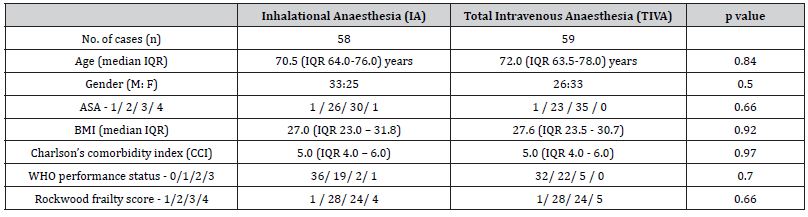
Table 1:Characteristic of the patients with AED withdrawal (n=162).
References
- Choung HW, Choi YJ, Kang H, Lee UL (2022) Four Different Reasons of Subcutaneous Emphysema with or Without Pneumomediastinum and Pneumothorax After Facial Bone Surgery. J Craniofac Surg 33(6): e616-e620.
- Al Shetawi AH, Golden L, Turner M (2016) Anesthetic Complication during Maxillofacial Trauma Surgery: A Case Report of Intraoperative Tension Pneumothorax. Craniomaxillofac Trauma Reconstr 9(3): 251-254.
- Lee JH, Nuthall G, Ikeyama T, Saito O, Mok YH, et al. (2019) National Emergency Airway Registry for Children (NEAR4KIDS) and Pediatric Acute Lung Injury and Sepsis Investigators (PALISI). Tracheal Intubation Practice and Safety Across International PICUs: A Report from National Emergency Airway Registry for Children. Pediatr Crit Care Med 20(1): 1-8.
- Su N, Harroui S, Rozema F, Listl S, Lange J (2023) What do we know about uncommon complications associated with third molar extractions? A scoping review of case reports and case series. J Korean Assoc Oral Maxillofac Surg 49(1): 2-12.
- Park SU, Kim T, Do J, Cho M, An JS, et al. (2024) Comparison of safety of general anesthesia and intravenous sedation during third-molar extraction surgery. Sci Rep 14(1): 16687.
- Matton S, Romeo GP (2017) Behavioral regression in 2 patients with autism spectrum disorder and attention-deficit/hyperactivity disorder after oral surgery performed with a general anesthetic. J Am Dent Assoc 148(7): 519-524.
- Zerman N, Zotti F, Chirumbolo S, Zangani A, Mauro G, et al. (2022) Insights on dental care management and prevention in children with autism spectrum disorder (ASD). What is new? Front Oral Health 3: 998831.
- Wang S, Zhang X, Quan Z (2022) Delayed subcutaneous emphysema, mediastinal emphysema and pneumothorax after tracheal intubation in a child: a case report. Transl Pediatr 11(10): 1726-1730.
- Passera E, Orlandi R, Calderoni M, Cassina EM, Cioffi U, et al. (2023) Post-intubation iatrogenic tracheobronchial injuries: The state of art. Front Surg 10: 1125997.
- Sakhuja P, Ferenc BA, Fierens I, Garg A, Ratnavel N (2019) Association of pneumothorax with use of a bougie for endotracheal intubation in a neonate. J Paediatr Child Health 55(3): 376.




