




 Research Article
Anxiety and Osteoarthritis Disability: Clinically Relevant or Not? Updated 2026 Scoping Overview, Analysis, and Commentary
Received Date: July 01, 2026; Published Date: July 13, 2026
Abstract
Osteoarthritis, a widespread highly painful oftentimes incapacitating joint disease continues to impose immense personal and societal challenges among adults of all ages, and particularly among older adults. In absence of any effective cure or resounding treatment approaches, many sufferers may incur high rates of both physical as well as emotional levels of disablement. Anxiety, a potentially remediable state of mental distress - found linked to chronically disabling forms of arthritis, in various imperceptible ways may have an immense bearing on the disease progression and its outcomes. This narrative review explores the extent to which current researchers in the field are pursuing this topic, and if so, the degree to which prevailing peer-reviewed data sources support an important role for continued research in this realm, and in what regard. Primarily explored were relevant publications that have emerged over time periods Jan 1, 2010-July 1 2026 using the key words ‘osteoarthritis and anxiety’. Findings show a modest level of current interest in this topic but one of high clinical promise, other than its association with surgical outcomes. As a whole, examining this topic further is likely to produce highly advantageous results at all stages of the osteoarthritic disease prevention and day to day care efforts as well as surgery.
Keywords: Aging; anxiety; disability; osteoarthritis; pain; prevention; screening; treatment
Background
Osteoarthritis, the most prevalent musculoskeletal condition is one affecting the key freely moving joints of the body such as the hip and knee in increasingly high numbers of older adults in all parts of the globe. Commonly producing varying degrees of unrelenting pain, functional challenges, and emotionally negative reactions, the disease often increases the risk for-or exacerbates concurrently associated chronic health conditions such as obesity, osteoporosis, and depression, while lowering life quality. Its successful remediation or resolution is however, not readily accomplished to any degree despite many years of research designed to understand the disease origins and how to alleviate osteoarthritis disability or retard its progression. Indeed, despite their overall success rates in ameliorating pain and dysfunction, joint replacement surgeries, as well as selected pharmacologic interventions and injections, which may be helpful, are not universally indicated, or risk free, and do not reverse the disease process, and often do not fully restore function or reduce pain and enhance functional ability sufficiently and consistently. In this regard, anxiety, a generic term denoting a state of negative affectivity and one encompassing several common mental health disorders such as Generalized Anxiety Syndrome is a psychological state commonly associated with excess fears, and worry. As well as trait anxiety, a possible emotionally generated reactive state of heightened arousal (termed agate anxiety) may arise even in the absence of any anxiety history. In both cases, anxiety when present often induces multiple intrinsic debilitating functional impacts, and subnormal thoughts and behaviours, and is one often engendered not only by a real threat, but by a perceived threat. In this regard, pain, a prevailing mental state often evoking anxiety, is a state commonly found in the presence of painful disabling joint osteoarthritis, and is one often found to persist even after technically successful joint replacement surgery [1-3]. This may be because most research in the field of osteoarthritis is largely approached from aging and biomechanical considerations, where the presence of factors other than age and structural degradation that may account for the exaggerated distress experiences articulated by substantive numbers of osteoarthritis cases who experience severe or perpetual pain is not always equated or contemplated as being impacted by cognitive factors such as persistently negative affectivity and pain-catastrophizing and/or kinesiophobia (fear of moving) [3].
In particular, while pain may evoke anxiety, among possible psychological explanatory factors that may play an important role in shaping the disabling osteoarthritis experience in its various forms is possibly reactive anxiety, as well as a persistent chronic anxiety state, even if this not explicitly acknowledged as one of the six osteoarthritis phenotypes recently described [4]. That is, anxiety, which may be engendered or present in its various forms in sizeable numbers of cases with osteoarthritis, and one that may prove to be a prevalent disabling correlate among this oftentimes high age population is not commonly addressed in spheres other than in the context of its manifestation or probable presence in the pre or post joint replacement surgical realm. Since not all cases with osteoarthritis are amenable to surgery, and may reject this even if offered, and the disease has no cure and is progressive in general, it seems reasonable to inquire whether the presence of anxiety, which commonly denotes a state of unsettling apprehension and distress, will not only be found to be quite prevalent in those osteoarthritis with painful joints, but will have a negative impact on their mobility as well as their pain experiences, especially if efforts to uncover and intervene upon its disabling features are not forthcoming or are discounted as being related to its pathogenesis.
To examine if more should be done to ameliorate or prevent anxiety linked disease manifestations, and in light of the failure of modern medicine to adequately attenuate the personal and societal costs of osteoarthritis in any meaningful way, including the burgeoning use of opiate derivatives and declines in social wellbeing, this current review aimed to examine the most recent data concerning this issue. A second goal was to establish the degree of progress in this realm in the last five years (2020-2026) and whether there is sufficient ongoing need to expand upon the current research base as well as related clinical practices in this regard, and if so, in what respect. A third goal was to explore whether routine screening for anxiety in at risk populations and those with early or mild disease symptoms is indicated, and if so, what approach might be most practical. Moreover, are any there any definitive intervention approaches that have been proposed to counter anxiety in older adults with various degrees of osteoarthritis.
Methods
Since there are several summary reports that discuss this topical theme in the current data base [eg reference 5], this present report was largely delimited to an analysis of those data published in the past five years. Stemming primarily from salient publications housed in PUBMED, this current review incorporates almost all salient publications in that data base, if not all key topical reports published since 2010. However, to ensure a comprehensive report, the search strategy employed was supplemented using GOOGLE SCHOLAR, SCOPUS, ACADEMIC SEARCH COMPLETE, and WEB OF SCIENCE CONSOLIDATED data bases over the same time period. Primary search terms used in all instances were ‘osteoarthritis and anxiety’. In this regard, all apparently pertinent reports were scanned for relevance, and if deemed informative were downloaded and carefully scrutinized and summarized in a narrative manner given the wide diversity of the material, as well a sizable number of research design issues. To examine whether the present topic is being sufficiently explored, the degree to which anxiety is currently being explored as an independent correlate of osteoarthritis was examined.
The term anxiety as applied in this report refers either to anxiety in general or trait anxiety versus state anxiety given the fact that there is no clear differentiation among these sub-categories of anxiety in much of the related osteoarthritis literature. Since it was observed that this topic has only been studied in a limited fragmented manner, and psychological dimensions remain inadequately addressed in both research realms as well as routine clinical practices [5], and is often linked to depression rather than being discussed or examined as a ‘standalone’ concern, data from all forms of research design and obtained using any type of anxiety survey, as well as data emanating from osteoarthritis of any type or joint were deemed acceptable. Excluded were most reports older published prior to 2010, those that predominantly examined pain catastrophizing, kinesiophobia, or mixed cohorts of arthritis or depression alongside anxiety with no differentiation. Readers seeking a prior overview of this topic are referred to reference [5].
Results
General Observations
In recent years, it appears anxiety as an osteoarthritis correlate is one largely considered of clinical import in the realm of joint replacement surgery decisions and outcomes, rather than as a modifiable pain and disease correlate in general. It appears however that quite substantive numbers of researchers are calling for screening of anxiety more routinely in older adults with osteoarthritis and that left untreated, may heighten the degree of disability that prevails even in the face of surgery. It is clear this interest is not only increasing, but one viewed as a highly related disease correlate and outcome predictor. Although there is a resultant call for more holistic osteoarthritis understandings and treatments, it remains clear few recent studies have specifically discussed a role for anxiety as a potentially important osteoarthritis disease correlate in joints other than the knee and hip joints, and most refer to end stage rather than early-stage disease manifestations. Most current information relative to anxiety is also largely linked to osteoarthritis in the context of joint replacement surgery and related short- and long-term outcomes, but this is clearly not representative of the non-surgical case and their potential needs.
In addition, the numbers of randomized trials that are potentially linked to the amelioration of anxiety symptoms in osteoarthritis-while increasing numerically-show these are very few in number, if compared to other reported interventions on this topic, in general, and do not yield consistent results or always assess anxiety as an outcome. These currently reviewed data, though possibly not all encompassing, are arguably a fairly precise reflection of the state of the art because search terms and time periods were limited by design to the clinical realm. Nonetheless, as in all the data bases reviewed, the number of PUBMED data listings, while high numerically speaking (> 750 cites, 2020-2026), are clearly overestimates of numbers of salient research publications focusing on the specific topic of anxiety and osteoarthritis. Indeed, a sizeable number of housed articles only detailed depression or peripheral or central sensitization issues, or other forms of comorbid illnesses, rather than anxiety. Gaining a clear picture of what role anxiety plays or does not play in osteoarthritis, is further challenged by the presence of studies using mixed samples, samples with no clearly defined osteoarthritis, the application of unsubstantiated osteoarthritis treatment approaches, or proposed protocols, and outcome measures of unknown validity, rather than well designed and controlled clinical intervention studies.
Confusion also arises when trying to organize the data for aggregation purposes because the definitions of anxiety are multiple, not always stated, the instruments used to examine anxiety differ widely, and are commonly based on self-reports, with no clear clinical validation, or universally applied survey scoring procedures. The prevailing degrees of joint pathology, age ranges, and comorbid disease profiles studied are also highly diverse and not always clearly factored into the analyses. Surprisingly too, is the almost complete absence of any current documentation concerning the prevailing extent of anxiety prevalence in a particular osteoarthritis sample, even when assessed. Instead, most current researchers appear to have assumed anxiety is likely to exist in some form among osteoarthritis sufferers, and thus anxiety as a disease correlate is subsumed in the broader analysis of mental health and what is termed ‘psychological correlates’ It is thus impossible to discern if observed anxiety rates are indeed causally related to osteoarthritis and no other factors, as well as noteworthy. Whether the presence or impact of anxiety is increasing, decreasing, or remaining static, or of any specific clinical import or not is also hard to discern.
Indeed, in both related studies with significant results, as well as those with ‘null’ results, the percentage of cases with or without clinical anxiety is commonly impossible to estimate, and with very few carefully controlled prospective studies, the ability to estimate and record the independent or interactive effects of anxiety among older adults with any form of osteoarthritis is virtually impossible to describe at present. Nonetheless, several presently reviewed studies have led the researchers to conclude screening osteoarthritis cases for anxiety appears warranted, especially for those scheduled for surgery, and regardless of anxiety history. But how and when this should be implemented and by whom is generally unclear as there seems to be little uniformity as regards the various instruments used in the related literature to screen for anxiety among older adults diagnosed as having some form of osteoarthritis. Most reported anxiety assessment tools too, are somewhat complex research-oriented surveys that have not necessarily been validated for osteoarthritis cases, rather than practical based clinical tools. Moreover, whether all or any have adequate as well as comparable measurement properties, adequate reliability and are sensitive to change in the context of progressively disabling osteoarthritis disease manifestations is uncertain at best. The degree of accuracy when using these surveys listed is also in question because some may not capture all features of osteoarthritis that may provoke anxiety such as joint instability or generalized poor health and lack of social support, while others may not clearly differentiate anxiety from depression, distress, fears, or stress.
Finally, while many proposed interventions approach to counter anxiety prevail, along with an untested assumption that treating osteoarthritis cases presenting with anxiety using these may prove more helpful than not, regardless of anxiety subtype, very few actual well-designed and carefully controlled studies exist to refute or validate their clinical efficacy. There are also very few new facts about anxiety in the realm of osteoarthritis when compared to the focus anxiety clearly assumes in the realm of other chronic conditions, and almost no studies that attempt to examine the interactive correlates of anxiety on various aspects of osteoarthritis disease using validated biomechanical, biochemical, and advanced serological and neurological assays, among others.
Research Based Observations
Where anxiety estimates are reported, it is apparent a sizeable number of older adults with a diagnosis of osteoarthritis may be expected to exhibit various degrees of anxiety, ranging from moderate to severe despite years of study in the clinical realm [5,6]. Of these cases however, Perez-Garcia et al. [7] found only 17 percent had been previously diagnosed, and only 5.8% were in therapy. Moreover, even though anxiety as a clinically relevant outcome indicator or mediator has been disputed as relevant in some cases [8] or ignored [9], those considerable numbers of osteoarthritis cases suffering from anxiety alone, or anxiety and depression appear more likely than not to suffer from chronic or excess bouts of severe pain, among other negative disease correlates such as poorer patient status measure indicators [10-12]. These negative anxiety-associated consequences include, but are not limited to, an increased risk for post-operative joint replacement complications [13] in addition to pain and independent of depression, plus a lower pain detection threshold at local and distant joint sites, heightened difficulties in the pursuit of activities of daily living, physical and social functioning, alongside with declines in optimal wellbeing [14-17].
Barnett et al. [18] in reporting on the finding of quite numerous osteoarthritis cases experiencing anxiety, found this subgroup was more likely than not to exhibit severe, rather than mild overall pain. It was further observed that the number of joint pain sites was positively associated with the presence of clinical anxiety and those cases with symptoms of clinical anxiety appeared less likely to undertake general fitness exercises. They were also more likely to use walking aids and assistive devices, plus opioids than nonanxious adults with joint pain. Unsurprisingly, while generally poorly studied at the early disease stages, it appears that as the disease progresses and pain becomes more severe, almost 50 percent of cases about to undergo surgical replacement of the joint, may be expected to exhibit anxiety symptoms [19]. While this high number of anxious cases may have been attributable in part to the self-report mode of estimating anxiety as normal or abnormal, several authors [5,20-22] report an anxiety presence of the order of 10-20 percent or higher in various osteoarthritis or arthritis samples, when this has been assessed. Moreover, anxiety rates observed among community dwelling knee osteoarthritis clearly exceed those prevailing in the general population [23], and where present, these anxious osteoarthritis patients tend to have higher pain levels at rest as well as on initiating any activity when compared to non-anxious patients.
Bierke et al. [24] found trait anxiety-which may be indicative of an inherent anxiety state - to be present in approximately 14 percent of disabling osteoarthritis cases awaiting treatment. Importantly, those identified as having a habitual pattern of anxiety type behaviors had higher mean dissatisfaction scores at 6- and 12-months post surgery than those with no anxiety history. Khan et al. [11] similarly found high levels of anxiety to prevail among osteoarthritis cases compared to non-osteoarthritis cases, especially among women. According to Motifi et al. [25] and others such as Peral et al. [26], even if anxiety rates are overlooked or deemed clinically unimportant, it is increasingly challenging to refute the fact that anxiety may not only accompany painful osteoarthritis, but may impact its outcome as well as its remediation, mitigation, or preventive efforts [27].
As well as its negative impact on post-surgical reconstructive outcomes [27,28], unrelieved anxiety is expected to exacerbate the presence of chronic oxidative stress plus related inflammatory responses that could impact healing [29]. Unrelieved anxiety has also been shown to raise the risk of premature mortality [30] in addition to explaining suboptimal post-operative physical improvements [31], especially in the short and medium post operative periods [32]. The presence of anxiety also heightens the risk for post-operative joint replacement surgical complications [33-35], and generates a lower subjective assessment of satisfaction in the post-operative rehabilitation period [36], plus a reduced degree of readiness to undergo treatment [37]. A high correlation between the osteoarthritis knee that ‘gives way’ and anxiety and fears of movement or falls [38,39], depression [16], the suboptimal effectiveness of pain management [40], knee swelling and stiffness, plus radiological grade [41], excess pain [16,42], poor general health, physical role function and life quality [43] and weakness, are additional probable highly deleterious osteoarthritis anxiety linked impacts and outcome determinants warranting attention. Probable or potentially remediable bi-directional or interactive osteoarthritis linked anxiety correlates are listed in Figure 1 below.

Most do currently agree inherent or reactive anxiety even where low anxiety rates prevail can foster or mediate multiple negative osteoarthritis outcomes [44,45]. In addition, most researchers currently conclude, efforts to reduce prevailing anxiety severity, for example, among those requiring surgery appears highly warranted [46,47]. However, such efforts may need to be very careful and well construed as several commonplace cognitive oriented approaches recently failed to reduce anxiety even when they relieved pain intensity, while others found hip joiner arthroplasty outcomes were the same regardless of presurgical anxiety levels [48-54], along with protracted recovery post-surgery, as well as excess post operative pain.
This may reflect the failure to employ careful routine mental health assessments over time, as well as the application of appropriate follow up interventions to minimize anxiety or avert its oftentimes long-term negative effects and others outlined below regardless of disease status Tables 1,2.
Table 1:Summary of key conclusions extracted from selected representative studies housed in PUBMED between 2014 and 2026 concerning the impact of anxiety on osteoarthritis disability and highlighting the importance of integrating psychological assessment into routine care.

Table 2:Potential stand alone or grouped strategies that may independently or interactively be helpful for countering anxiety in the context of osteoarthritis care and that should be carefully examined in the future to avoid suboptimal costly negative outcomes [Adapted from references [53, 71-96] [*most promising approaches].
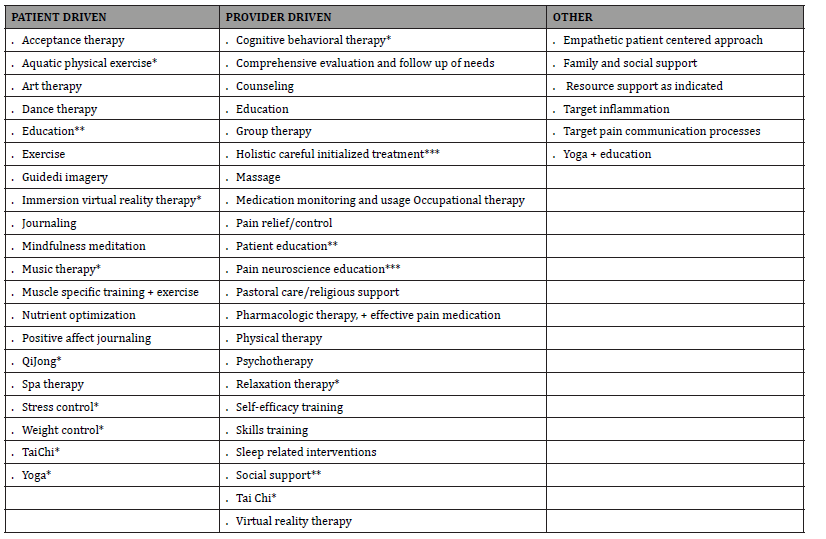
In sum, as opposed to pain worsening, sleep disruptions, fears of moving and falling, depression, and subnormal nutrition behaviours, improvements in life quality and outcomes may emerge if one or more of the above are integrated into a well thought out personalized care plan [43,79] especially among obese cases [61] as well those who have fears of anaesthesia or have undergone joint replacement surgery, but are not improving maximally [62,65]. Reducing pain in its own right may further alleviate or obviate the emergence of pain anxiety, mood symptoms, negative affect manifestations, suboptimal daily activity patterns, social interactions, and probable undesirable poor surgical outcomes and dissatisfaction rather than satisfaction [25].
Discussion
Osteoarthritis, a highly prevalent joint disease remains a serious impediment to the well-being of many older adults who seek to remain independent and mobile. This is evident even in the face of high-tech surgery to replace the diseased joint or treat it via injections and new biological oriented drugs. Not only is life quality often impacted negatively and significantly by osteoarthritis, longevity may be impacted alongside the presence of progressive functional declines and multiple psychosocial issues such as unresolved anxiety [see Table 1]. In this respect, the present review examined the current evidence base concerning the possible clinical utility of recognizing a role for either preexisting or emergent anxiety or both in mediating, moderating, or exacerbating osteoarthritis pain and disability, given its potential for prevention, mitigation, or remediation. It also sought to examine if more research, as well as routine screening and attention in this realm is warranted, and if so, in what regard.
Results of the present data search that focused largely on published reports from January 1 2014 to July 1 2026 showed that anxiety, deemed to be a state of emotional distress of varying degrees is generally a mental health correlate that has a negative impact on many older adults in its own right and more so if suffering from osteoarthritis, as outlined by increasing numbers of researchers. However, even when compelling, new evidence shows anxiety remains a significant knee osteoarthritis mediator [38] and the extent of anxiety and its disease ramifications tend to foster a growing drug dependence [97,98], mortality remains heightened by anxiety [30], and post joint replacement surgery continues to yield more adverse outcome implications among the anxious as well as pain and distress rather than not [36,42,59,75,101]. Yet, it is striking that several current osteoarthritis intervention studies, while alluding to anxiety as a disease correlate do not assess or provide any follow up of the examined treatment impacts as regards anxiety [e.g., 45,90].
Moreover, when examined in the larger context of osteoarthritis as well as anxiety research only a meagre degree of research of acceptable high-quality studies on this issue prevail, and most data fail to focus on joints other than the knee or knee joint replacement surgery ramifications. Indeed, in light of the fact osteoarthritis is the most prevalent musculoskeletal disease and that the disease has no known cure, or all-encompassing remedial treatment approach that is safe among adults of high ages with diverse disease manifestations, those living or aspiring to age in the community rather than nursing home setting may well feel anxious if their pain or osteoarthritis beliefs invoke many fears, and these remain untreated or unrecognized. To the contrary, while assessing anxiety clinically is arguably quite time consuming, and negated in importance by some, it is increasingly challenging to refute any argument in favour of ignoring this possible highly salient attribute in mediating or moderating or exacerbating osteoarthritis disability. Here, what is increasingly advocated is routine clinical screening, followed by personalized carefully construed interventions as indicated. These must however be chosen with due care as several attempts to alleviate anxiety in cases with osteoarthritis including exercise and AI based strategies have failed of late to mitigate osteoarthritis linked anxiety per se [e.g., 49,51,53,75,76].
To be at all effective, it is possible, the root cause[s] of anxiety must be more clearly discerned including its history along with the subject’s social situation and depression history, health beliefs, life’s goals, and extent of available support and past treatment experiences. It is also possible carefully controlling for age, gender, co-interventions disease manifestations, and disease prognosis in well powered comparison studies, along with the use of advanced measurement technologies, AI and universally agreed upon anxiety measures that go beyond the use of unimodal generic assessments, will help to more clearly articulate the degree to which anxiety prevails and in what respect for a specific case. Alternately, examining whether those osteoarthritis cases functioning sub optimally despite treatment are suffering from some form of undetected state anxiety or whether a ‘failed’ study outcome is due to its poor design may prove highly revealing.
In the meantime, it is likely over a quarter of individuals undergoing total joint replacement may have poor preexisting mental health issues, including anxiety, that can predict a high chance of failure to achieve clinically meaningful cost-effective post-surgical improvements in pain alongside function, and satisfaction [100]. In this regard, we concur with Broekman et al. [99] who currently assert strategies for enhancing musculoskeletal health must account for symptoms of anxiety and depression. Indeed, as discussed by most current researchers and authors, more work to tease out both the unique as well as the interactive effects of anxiety among cases with osteoarthritis with advanced technologies and in a prospective manner may greatly highlight the important interactive role played by cognitive factors in mediating patient wellbeing, as well as the disease cycle, even if these are currently ignored or overlooked more often than not [20, 100]. Such research is expected to reveal that the presence of anxiety correlates predictably with several clinical outcomes, life quality, intervention adherence, narcotic usage, patient satisfaction, depression, sleep challenges, fears of moving and falling, ultimately predict the degree of suffering and disease burden versus an active desirable life of high quality.
Until then, it can be assumed that ample numbers of older adults with disabling osteoarthritis may not only have mood and/ or anxiety disorder histories, but this may often go undetected or overlooked in the treatment schedule being offered. An equal number may exhibit prevailing symptoms of emotional distress that may occur simultaneously or independently, either before or after surgery, or both, as well, and this can magnify pre-operative osteoarthritis disability and slow the post-operative recovery process.
Implications
In light of the above, it appears considerable efforts are needed to reduce osteoarthritis suffering and addressing anxiety issues here has immense potential. More research here is especially desirable and warranted in order to strengthen the current evidence base regarding the salience of anxiety in the context of the pathogenesis and treatment of painful disabling osteoarthritis Moreover, since at least half of all surgical cases may yet experience post operative pain [84], as outlined by Pan et al. [39], more pro-active, and comprehensive efforts to identify and treat any prevailing modifiable mental health issue among cases suffering from osteoarthritis is imperative. At present, however, without a resounding data base of high-quality studies [including mixed methods approaches], the immense personal and fiscal costs, plus an array of adverse osteoarthritis outcome impacts are more likely than not to continue to increase steadily for years to come, rather than decrease. Moreover, despite the promise of the prevailing insights gleaned to date, if anxiety is not sought or assessed with valid tools, its presence may remain undetected and /or its mitigation may well fail or have enormous undesirable irreversible ramifications and adverse implications for the sufferer, as well as their families, employers, health providers, and society as a wholefor example if we consider the opioid epidemic and its precursor of chronic pain that can engender reactive persistent cascading anxiety pain linkages in its own right [84,96,97]. Moreover, those with high anxiety behaviours may be at higher risk for dissatisfaction and slower than desired recovery post joint replacement surgery [101,102]. Indeed, we can assume untreated osteoarthritis linked anxiety is likely to induce enormous health costs and wellbeing disadvantages and osteoarthritis outcomes as conceptualized by the author in Figure 2.

To avert this probable cycle of adverse events, outlined in the author’s previous works [e.g., 109,110] we strongly encourage osteoarthritis researchers and clinicians to keep anxiety in the forefront of their respective efforts until more is known about its possible significant genetic correlations with skeletal health, the brain-bone axis, and neuroinflammation linkages [103,104]. They can safely assume in our view that the anxiety syndrome or its emergence or exacerbation is likely to prove to be a key osteoarthritis pathogenic factor in its own right and one that can impact or be impacted by untreated or poorly treated neuroinflammation as well as joint inflammation. In this respect, efforts to deepen our understanding of the linkage between mental health, bone health, and anxiety as well as pain-anxiety, along with efforts to uncover its social and perceptual underpinnings and implications is likely to prove highly insightful in the interim for obtaining optimal osteoarthritis treatment trajectories and end points and for reducing opioid dependence as well as pain [17,84,103-108].
Conclusion
Although the literature concerning the extent to which anxiety is a clinically relevant osteoarthritis determinant is quite limited with few robust studies when compared to the immense volume of literature on osteoarthritis and other independent topics, it is concluded there is a fairly strong case for considering anxiety as a contributor to the disease burden, and that more extensive insightful careful scrutiny is not only warranted, but will be highly beneficial to policy makers as well as clinicians and health service personnel. In particular, further research to examine if the presence of anxiety, shown to be closely correlated with ensuing clinical outcomes, comorbid conditions, obesity, depression, central and peripheral pain sensitization, and excess future disability, is likely to be of high relevance to many.
To further support this effort, identifying the features of those who exhibit multiple anxiety behaviours and may need psychological support early on, rather than only before surgery, appears essential. Researchers may also want to examine the role of extrinsic factors in provoking anxiety type behaviours, such as media messages that imply osteoarthritis is not only disabling, but incurable, plus related possible life role and job losses that evoke anxiety.
How to conduct a differential diagnosis in this respect and what degrees of anxiety are highly linked to suboptimal osteoarthritis outcomes also deserves attention in the allied health and medical track curricula in our view. In addition, the development of a simple predictive as well as informative anxiety screening tool should be sought, in addition to the formulation of patient educational tools that are understandable, comprehensive, and easy to enact without external support.
In sum, psychological factors such as anxiety appear to be of significant importance in the context of efforts to comprehend and treat a substantive number of cases suffering from chronically painful osteoarthritis disability, whether inherent as a generalized disorder, or a reactive state. Indeed, while osteoarthritis is commonly considered a medical condition with distinct biological and biophysical attributes attributable to aging, rather than the presence of possible comorbid cognitive-associated attributes, anxiety in any form can clearly hamper functional performance, willingness to move or exercise, health behaviors, and the attainment of favorable osteoarthritis outcomes, including desired surgical outcomes. As such, the societal burden attributable to the presence of untreated or poorly treated, or unrecognized anxiety common in fair numbers of osteoarthritis sufferers is inestimable, and should be considered a major public health issue [103] especially if this situation can be readily remediated early on in the disease process.
To this end, while it is encouraging to see a marked trend in the extent of research data in this field of thought, as shown in Table 1, there is a sufficient basis for future insightful research to carefully examine the roots and extent, as well as the implications of anxiety in its various forms in the context of the diverse manifestations and disease sub groupings and stages of osteoarthritis progression among a broad array of joints, not just the knee, or hip joint. In addition, the application of neuroscience investigative approaches, plus universally agreed upon valid and practical anxiety assessments [101,102], and a strong focus on encouraging a collaborative approach between the anxious patient and the provider[s], rather than a reliance on AI is likely to prove helpful. Additionally, the generation of an appropriately tailored intervention plan designed to minimize anxiety and applied in small steps for long time periods rather than the use of brief time constrained externally driven generic approaches, may well help avert a perpetual state of pain catastrophizing, social anxiety, and possible prolonged opioid usage and other anxiety correlates that hasten or mediate functional disability.
Final Comments
Understanding the neural basis of anxiety, including its manifestation as a neuroinflammation status indicator plus its other cognitive/emotional/behavioural characteristics such as fears and the role of the social context and environment, plus functional limitations of the patient is likely to help foster more successful biologically based anxiety relieving preventive strategies as well as treatment outcomes at all disease stages. In the interim, sufficient research indicates anxiety should be viewed as a probable potent osteoarthritis disease mediator or moderator, and is one that warrants attention clinically and empirically to offset its possible clinically relevant behavioral versus neurobiological associations.
Acknowledgement
None.
Conflict of Interest
No conflict of interest.
References
- Li GZ, Ji RJ, Xu CP, Li-Juan Yang, Paulo Moreira (2025) On patient quality of life: impacts of knee osteoarthritis on pain, anxiety, depression, fatigue and sleep disorders. Nurs Open 12(7): e70264.
- Alwhaibi M, Alhawassi TM (2025) Mental health and health-related quality of life among adults with osteoarthritis: a national population-based study. PLoS One 20(6): e0325780.
- Fouad RA, Abd El Fattah NK, Dina Metwally Sorour (2026) Toward an integrated biopsychosocial approach for older adults with knee osteoarthritis: the impact of depression and anxiety on pain intensity. Int J Orthop Trauma Nurs 61: 101281.
- Dell'Isola A, Allan R, Smith SL, S S P Marreiros, M Steultjens (2016) Identification of clinical phenotypes in knee osteoarthritis: a systematic review of the literature. BMC Musculoskelet Disord 17(1): 425.
- Karagianni DM, Katsiari CG, Bonotis K, Lazaros I Sakkas (2026) Psychological aspects of rheumatic diseases: psychorheumatology in clinical practice. Rheumatol Ther Jun 23.
- Tan V, Jinks C, Chew-Graham C, Emma L Healey, Christian Mallen (2015) The triple whammy anxiety depression and osteoarthritis in long-term conditions. BMC Fam Pract 6: 163.
- Pérez-García LF, Silveira LH, Moreno-Ramírez M, Javier Loaiza-Félix, Vijaya Rivera, et al. (2019) Frequency of depression and anxiety symptoms in Mexican patients with rheumatic diseases determined by self-administered questionnaires adapted to the Spanish language. Rev Invest Clin 71(2): 91-97.
- Ostojic M, Ostojić M, Prlić J, Violeta Soljic (2019) Correlation of anxiety and chronic pain to grade of synovitis in patients with knee osteoarthritis. Psychiatr Danub 31(Suppl 1): 126-130.
- Vervullens S, Meert L, Smeets RJEM, Gavin van der Nest, Jonas Verbrugghe, et al. (2024) A biopsychosocial approach to phenotyping people with knee osteoarthritis awaiting total knee arthroplasty: a secondary cohort analysis. Ann Phys Rehabil Med 67(8): 101895.
- Aaron RV, Ravyts SG, Carnahan ND, Kavya Bhattiprolu, Nicole Harte, et al. (2025) Prevalence of depression and anxiety among adults with chronic pain: a systematic review and meta-analysis. JAMA Netw Open 8(3): e250268.
- Khan S, Hanifa B, Begum R, et al. (2017) Anxiety, depression and psychological distress in patients with osteo-arthritis. JPMI: J Postgrad Medical Ins 31(4): 410-413.
- Schmukler J, Malfait AM, Block JA, Theodore Pincus (2024) 36-40% of routine care patients with osteoarthritis or rheumatoid arthritis screen positive for anxiety, depression, and/or fibromyalgia on a single MDHAQ. ACR Open Rheumatol 6(10): 641-647.
- Aalders MB, Ligthart MJP, Temmerman OPP, Joyce L Benner, Jelle P van der List, et al. (2026) Anxiety and depression symptoms are associated with inferior outcomes in patients undergoing total hip arthroplasty: a prospective cohort study. J Arthroplasty 41(1): 132-140.
- Aqeel M, Rehna T, Sarfraz R (2021) The association among perception of osteoarthritis with adverse pain anxiety, symptoms of depression, positive and negative effects in patients with knee osteoarthritis: A cross-sectional study. J Pak Med Assoc 71(2(B)): 645-650.
- Yang DS, Jeon YD, Kim CR, Sang-Gon Kim, Ki-Bong Park (2025) Severe preoperative pain, functional decline, and high anxiety levels hinder the efficacy of multidisciplinary interventions in patients who underwent primary total knee arthroplasty. J Orthop Surg Res 20(1): 183.
- Fonseca-Rodrigues D, Rodrigues A, Martins T, Joana Pinto, Diana Amorim, et al. Correlation between pain severity and levels of anxiety and depression in osteoarthritis patients: a systematic review and meta-analysis. Rheumatol (Oxford) 61(1): 53-75.
- Del Val BM, Shukla SR, Oduoye MO, Mugisha Nsengiyumva, Tadele Tesfaye, et al. (2024) Prevalence of mental health disorders in knee osteoarthritis patients: a systematic review and meta-analysis. Ann Med Surg 86(8): 4705-4713.
- Barnett LA, Pritchard MG, Edwards JJ, Ebenezer K Afolabi, Kelvin P Jordan, et al. (2018) Relationship of anxiety with joint pain and its management: a population survey. Musculoskeletal Care 16(3): 353-362.
- Jones AR, Al-Naseer S, Bodger O, E T R James, Andrew P Davies, et al. (2018) Does pre-operative anxiety and/or depression affect patient outcome after primary knee replacement arthroplasty? Knee 25(6): 1238-1246.
- Feng Q, Weng M, Yang X, et al. (2025) Anxiety and depression prevalence and associated factors in patients with knee osteoarthritis. Front Psychiatr 15: 1483570.
- Castaño Carou A, Pita Fernández S, Pértega Díaz S, de Toro Santos FJ Grupo deestudio EVALÚA (2015) Clinical profile, level of affection and therapeutic management of patients with osteoarthritis in primary care: the Spanish multicenter study EVALÚ Reumatol Clin 11(6): 353-360.
- Guglielmo D, Hootman JM, Boring MA, Louise B Murphy, Kristina A Theis, et al. (2018) Symptoms of anxiety and depression among adults with arthritis - United States, 2015-2017. MMWR Morb Mortal Wkly Rep 67(39):1081-1087.
- Sinikallio SH, Helminen EE, Valjakka AL, Rauni H Väisänen-Rouvali, Jari P Arokoski (2014) Multiple psychological factors are associated with poorer functioning in a sample of community-dwelling knee osteoarthritis patients. J Clin Rheumatol 20(5): 261-271.
- Bierke S, Petersen W (2017) Influence of anxiety and pain catastrophizing on the course of pain within the first year after uncomplicated total knee replacement: a prospective study. Arch Orthop Trauma Surg 137(12): 1735-1742.
- Motifi Fard M, Jazaiery SM, Ghaderi M, Hadi Ravanbod, Amir Mohammad Taravati, et al. (2024) Predictors and prevalence of persistent pain after total knee arthroplasty in one-year follow-up. Adv Biomed Res 13:59.
- Peral Pérez J, Mortensen SR, Lluch Girbés E, Dorte T Grønne, Jonas B Thorlund, et al. (2025) Association between widespread pain and psychosocial factors in people with knee osteoarthritis: a cross-sectional study of patients from primary care in Denmark. Physiother Theory Pract 41(4):752-762.
- Ten Noever de Brauw GV, Aalders MB, Gino M M J Kerkhoffs, Hendrik A Zuiderbaan, Lucien C M Keijser et al. (2025) The mind matters: Psychological factors influence subjective outcomes following unicompartmental knee arthroplasty-A prospective study. Knee Surg Sports Traumatol Arthrosc 33(1): 239-251.
- Sorel JC, Veltman ES, Honig A, R W Poolman (2019) The influence of preoperative psychological distress on pain and function after total knee arthroplasty: a systematic review and meta-analysis. Bone Joint J 101-B(1): 7-14.
- Vida C, González EM, De la Fuente M (2014) Increase of oxidation and inflammation in nervous and immune systems with aging and anxiety. Curr Pharm Des 20(29): 4656-4678.
- Wilkie R, Parmar SS, Blagojevic-Bucknall M, Diane Smith, Martin J Thomas, et al. (2019) Reasons why osteoarthritis predicts mortality: path analysis within a Cox proportional hazards model. RMD Open 5(2): e001048.
- Galea VP, Rojanasopondist P, Ingelsrud LH, et al. (2019) Longitudinal changes in patient-reported outcome measures following total hip arthroplasty and predictors of deterioration during follow-up: a seven-year prospective international multicentre study. Bone Joint J 101-B(7): 768-778.
- Xu J, Twiggs J, Parker D, Negus J (2019) The association between anxiety, depression, and locus of control with patient outcomes following total knee arthroplasty. J Arthroplasty 35(3):720-724.
- Zhang M, Selzer F, Losina E, et al. (2019) Musculoskeletal symptomatic areas after total knee replacement for osteoarthritis. ACR Open Rheumatol 1(6): 373-381.
- De Koning EJ, Timmermans EJ, Van Schoor NM, Brendon Stubbs, Tessa N van den Kommer, et al; EPOSA Group. Within-person pain variability and mental health in older adults with osteoarthritis: an analysis across 6 European cohorts. J Pain 19(6): 690-698.
- Terradas-Monllor M, Rierola-Fochs S, Merchan-Baeza JA, et al. (2024) Comparison of pain, functional and psychological trajectories between total and unicompartmental knee arthroplasties: secondary analysis of a 6-month prospective observational study. Arch Orthop Trauma Surg 145(1): 32.
- Ali A, Lindstrand A, Sundberg M, Gunnar Flivik (2017) Preoperative anxiety and depression correlate with dissatisfaction after total knee arthroplasty: a prospective longitudinal cohort study of 186 patients, with 4-year follow-up. J Arthroplasty 32(3): 767-770.
- Janikowska-Hołoweńko D, Zaborowska-Sapeta K, Bidzan I (2016) The level of anxiety and the subjective assessment of the quality of life in patients post hip replacement after primary and secondary rehabilitation. Acta Neuropsychologica 12(2): 143-114.
- lhamid YAA, Elazkalany GS, Niazy MH, Angie Y Afifi (2024) Anxiety and depression in primary knee osteoarthritis patients: are they related to clinical features and radiographic changes? Reumatologia 62(6): 421-429.
- Pan X, Wang J, Lin Z, Wenli Dai, Zhanjun Shi (2019) Depression and anxiety are risk factors for postoperative pain-related symptoms and complications in patients undergoing primary total knee arthroplasty in the United States. J Arthroplasty 34(10): 2337-2346.
- Yang W, Ma G, Li J, Taiyuan Guan, Dingchang He, et al. (2024) Anxiety and depression as potential risk factors for limited pain management in patients with elderly knee osteoarthritis: a cross-lagged study. BMC Musculoskelet Disord 25(1): 995.
- Sayre EC, Esdaile JM, Kopec JA, Joel Singer, Hubert Wong, et al. (2020) Specific manifestations of knee osteoarthritis predict depression and anxiety years in the future: Vancouver longitudinal study of early knee osteoarthritis. BMC Musculoskeletal Disorders 21(1): 467.
- Hadlandsmyth K, Sabic E, Zimmerman MB, Kathleen A Sluka, Keela A Herr, et al. (2017) Relationships among pain intensity, pain-related distress, and psychological distress in pre-surgical total knee arthroplasty patients: a secondary analysis. Psychol Health Med 22(5): 552-563.
- Yan H, Guo J, Zhou W, Chen Dong, Jun Liu (2022) Health-related quality of life in osteoarthritis patients: a systematic review and meta-analysis. Psychol Hlth Med 27(8): 1859-1874.
- Hayashi K, Kako M, Suzuki K, Keiko Hattori, Saori Fukuyasu, et al. (2016) Gait speeds associated with anxiety responses to pain in osteoarthritis patients. Pain Med 17(3):606-613.
- Ma J, Zhang K, Ma X, Hao Wang, Chao Ma, et al. (2024) Clinical phenotypes of comorbidities in end-stage knee osteoarthritis: a cluster analysis. BMC Musculoskelet Disord 25(1): 299.
- Helminen EE, Sinikallio SH, Valjakka AL, et al. (2016) Determinants of pain and functioning in knee osteoarthritis: a one-year prospective study. Clin Rehabil 30(9): 890-900.
- Hassett AL, Marshall E, Bailey AM, Stephanie Moser, Daniel J Clauw, et al. (2018) Changes in anxiety and depression are mediated by changes in pain severity in patients undergoing lower-extremity total joint arthroplasty. Reg Anesth Pain Med 43(1): 14-18.
- Mallen CD, Nicholl BI, Lewis M, Bernadette Bartlam, Daniel Green, et al. (2017) The effects of implementing a point-of-care electronic template to prompt routine anxiety and depression screening in patients consulting for osteoarthritis (the Primary Care Osteoarthritis Trial: a cluster randomised trial in primary care. PLoS Med 14(4): 1-23.
- Baas DC, Van Aalderen-Wichers JC, Van der Goot TH, Ronald J Verhagen (2024) The effect of pain neuroscience education on chronic postsurgical pain after total knee arthroplasty: a randomized controlled trial. Acta Orthop 95: 485-491.
- Karp JF, Zhang J, Wahed AS, Stewart Anderson, Mary Amanda Dew, et al. (2019) Improving patient reported outcomes and preventing depression and anxiety in older adults with knee osteoarthritis: results of a Sequenced Multiple Assignment Randomized Trial (SMART) study. Am J Geriatr Psychiatr 27(10): 1035-1045.
- Pester BD, Wilson JM, Yoon J, Asimina Lazaridou, Kristin L Schreiber, et al. (2023) Brief mindfulness-based cognitive behavioral therapy is associated with faster recovery in patients undergoing total knee arthroplasty: a pilot clinical trial. Pain Med 24(6): 576-585.
- Richey AE, Segovia N, Hastings K, Christian Klemt, Stephanie Y Pun (2024) Self-reported preoperative anxiety and depression associated with worse patient-reported outcomes for periacetabular osteotomy and hip arthroscopy surgery. J Hip Preserv Surg 11(4): 251-256.
- Fuchs L, Kluska A, Novak D, Yona Kosashvili (2022) The influence of early virtual reality intervention on pain, anxiety, and function following primary total knee arthroplasty. Complement Ther Clin Pract 49: 101687.
- Ochandorena-Acha M, Escribà-Salvans A, Hernández-Hermoso JA, Marc Terradas-Monllor (2024) Perioperative experiences of patients with high pain catastrophizing and knee arthroplasty after receiving or not preoperative physiotherapy: qualitative study. Musculoskelet Sci Pract 70: 102918.
- Jiang B, Fan J, Lai Y, et al. (2026) Significant anxiolytic effect and enhanced recovery benefits of perioperative low-dose olanzapine in patients with anxiety undergoing THA: a randomized controlled trial. J Bone Joint Surg Am.
- French HP, Galvin R, Cusack T, Geraldine M McCarthy (2014) Predictors of short-term outcome to exercise and manual therapy for people with hip osteoarthritis. Phys Ther 94(1): 31-39.
- Hanusch BC, O'Connor DB, Ions P, Gregg PJ (2014) Effects of psychological distress and perceptions of illness on recovery from total knee replacement. Bone Joint J 96-B(2): 210-216.
- Silveira J, Oliveira D, Martins A, Lúcia Costa, Fani Neto, et al. (2024) The association between anxiety and depression symptoms and clinical and pain characteristics in patients with hip and knee osteoarthritis. ARP Rheumatol 3(3): 206-215.
- Alattas SA, Smith T, Bhatti M, Daniel Wilson-Nunn, Simon Donell (2017) Greater pre-operative anxiety, pain and poorer function predict a worse outcome of a total knee arthroplasty. Knee Surg Sports Traumatol Arthrosc 25(11): 3403-3410.
- Shetty S, Maiya GA, Rao Kg M, Sandeep Vijayan, Bincy M George (2024) Factors determinant of quality of life after total knee arthroplasty in knee osteoarthritis: a systematic review. J Bodyw Mov Ther 40: 1588-1604.
- Hawker GA, King LK (2022) The burden of osteoarthritis in older adults. Clin Geriatr Med 38(2): 181-192.
- Rice DA, Kluger MT, McNair PJ, GN Lewis, AA Somogyi, et al. (2018) Persistent postoperative pain after total knee arthroplasty: a prospective cohort study of potential risk factors. Br J Anaesth 121(4): 804-612.
- Utrillas-Compaired A, De la Torre-Escuredo BJ, Tebar-Martínez AJ, Ángel Asúnsolo-Del Barco (2014) Does preoperative psychologic distress influence pain, function, and quality of life after TKA? Clin Orthop Relat Res 472(8): 2457-2465.
- Waimann CA, Fernandez-Mazarambroz RJ, Cantor SB, Maria A Lopez-Olivo, Andrea G Barbo, et al. (2016) Effect of body mass index and psychosocial traits on total knee replacement costs in patients with osteoarthritis. J Rheumatol 43(8): 1600-1606.
- Van Dongen B, Ronteltap A, Cijs B, Corelien Kloek, Catherine Bolman, et al. (2025) Psychosocial factors associated with physical activity, weight management, and sleep in adults with hip and knee osteoarthritis: a systematic review. BMC Rheumatol 9(1): 51.
- Jiménez Ortiz M, Espinosa Ruiz A, Martínez Delgado C, Pablo Barrena Sánchez, José A Salido Valle (2018) Do preoperative anxiety and depression influence the outcome of knee arthroplasty? Reumatol Clin 16(3):216-221.
- Wylde V, Trela-Larsen L, Whitehouse MR, Ashley W Blom (2017) Preoperative psychosocial risk factors for poor outcomes at 1 and 5 years after total knee replacement. Acta Orthop 88(5): 530-536.
- Celik F, Edipoglu IS (2018) Evaluation of preoperative anxiety and fear of anesthesia using APAIS score. Eur J Med Res 23(1): 41.
- Mashayekhi Y, Baba-Aissa S, Assefa AK, Francis T Mutamba, Aamir Mohamed Nur, et al. (2025) Depression and anxiety as predictors of quality of life in osteoarthritis patients. Cureus 17(10): e93872.
- Dhurve K, Scholes C, El-Tawil S, Aseem Shaikh, Lai Kah Weng, et al. (2017) Multifactorial analysis of dissatisfaction after primary total knee replacement. Knee 24(4): 856-862.
- Kim RY, Nam HH, Stouffer JW, Christina A Myers, Susan E Hassenbein, et al. (2025) A prospective randomized controlled trial on the effect of music therapy intervention on pain and anxiety in adult patients undergoing total shoulder arthroplasty. JSES Int 10(2): 101438.
- He Q, Wang F (2025) Taichi is medicine: Effects of taichi exercise on knee fitness and psychological health in older adults with knee osteoarthritis (KOA): a randomized controlled trial. Medicine (Baltimore) 104(38): e44612.
- Eilenberg T (2016) Acceptance and commitment group therapy (ACT-G) for health anxiety. Dan Med J 63(10): B5294.
- Kelley GA, Kelley KS, Callahan LF (2018) Community-deliverable exercise and anxiety in adults with arthritis and other rheumatic diseases: a systematic review with meta-analysis of randomised controlled trials. BMJ Open 8(2): e019138.
- Shah N, Castellanos A, Chen Y, John Piette, Amy Bucher, et al. (2026) A scoping review on artificial intelligence-supported interventions for nonpharmacologic management of chronic rheumatic diseases. Arthritis Care Res (Hoboken) 78(2): 270-281.
- Hall M, Dobson F, Van Ginckel A, Nelligan RK, Natalie J Collins, et al. (2021) Comparative effectiveness of exercise programs for psychological well-being in knee osteoarthritis: A systematic review and network meta-analysis. Semin Arthritis Rheum 51(5): 1023-1032.
- Wang CW, Chan CH, Ho RT, Jessie S M Chan, Siu-Man Ng, et al. (2014) Managing stress and anxiety through Qigong exercise in healthy adults: a systematic review and meta-analysis of randomized controlled trials. BMC Complement Altern Med 14: 8.
- Đurović A, Sovilj S, Đokić I, Zorica Brdareski, Aleksandra Vukomanović, et al. (2017) Pastoral care and religious support as a part of treatment of religious patient with the severe form of osteoarthritis. Vojnosanit Pregl 74(1): 69-77.
- Özkuk K, Uysal B, Ateş Z, Burcu Metin Ökmen, Refia Sezer, et al. (2018) The effects of inpatient versus outpatient spa therapy on pain, anxiety, and quality of life in elderly patients with generalized osteoarthritis: a pilot study. Int J Biometeorol 62(10): 1823-1832.
- Szczepańska-Gieracha J, Wrzeciono A, Cieślik B, et al. (2025) Immersive virtual reality therapy for elderly female patients undergoing rehabilitation after hip arthroplasty: a randomized controlled pilot trial. Med Sci Monit 31: e948321.
- Gür O, Başar S (2023) The effect of virtual reality on pain, kinesiophobia and function in total knee arthroplasty patients: a randomized controlled trial. Knee 45: 187-197.
- Giacobbi PR Jr, Stabler ME, Stewart J, Anna-Marie Jaeschke, Jean L Siebert, et al. (2015) Guided imagery for arthritis and other rheumatic diseases: a systematic review of randomized controlled trials. Pain Manag Nurs 16(5): 792-803.
- Das Nair R, Mhizha-Murira JR, Anderson P, Hannah Carpenter, Simon Clarke, et al. (2018) Home-based pre-surgical psychological intervention for knee osteoarthritis (HAPPiKNEES): a feasibility randomized controlled trial. Clin Rehabil 32(6): 777-789.
- Gorsky K, Black ND, Niazi A, Aparna Saripella, Marina Englesakis, et al. (2021) Psychological interventions to reduce postoperative pain and opioid consumption: a narrative review of literature. Reg Anesth Pain Med 46(10): 893-903.
- Campos DM, Ferreira DL, Gonçalves GH, Ana Claudia Silva Farche, Jéssica Cerutti de Oliveira, et al. (2021) Effects of aquatic physical exercise on neuropsychological factors in older people: a systematic review. Arch Gerontol Geriatr 96: 104435.
- De Orleans Casagrande P, Coimbra DR, de Souza LC, Alexandro Andrade (2023) Effects of yoga on depressive symptoms, anxiety, sleep quality, and mood in patients with rheumatic diseases: systematic review and meta-analysis. PM R 15(7): 899-915.
- Cheung C, Wyman JF, Bronas U, Teresa McCarthy, Kyle Rudser, et al. (2017) Managing knee osteoarthritis with yoga or aerobic/strengthening exercise programs in older adults: a pilot randomized controlled trial. Rheumatol Int 37(3): 389-398.
- Van Denburg AN, Shelby RA, Caldwell DS, Madeline L O'Sullivan, Francis J Keefe (2018) Self-efficacy for pain communication moderates the relation between ambivalence over emotional expression and pain catastrophizing among patients with osteoarthritis. J Pain 19(9): 1006-10014.
- Kuvačić G, Fratini P, Padulo J, Dello Iacono Antonio, Andrea De Giorgio (2018) Effectiveness of yoga and educational intervention on disability, anxiety, depression, and pain in people with CLBP: a randomized controlled trial. Complement Ther Clin Pract 31: 262-267.
- Nazari G, Bobos P, Billis E, Joy C MacDermid (2018) Cervical flexor muscle training reduces pain, anxiety, and depression levels in patients with chronic neck pain by a clinically important amount: a prospective cohort study. Physiother Res Int 23(3): e1712.
- Klainin-Yobas P, Oo WN, Suzanne Yew PY, Ying Lau (2015) Effects of relaxation interventions on depression and anxiety among older adults: a systematic review. Aging Ment Health 19(12): 1043-1055.
- McDonald S, Page MJ, Beringer K, Jason Wasiak, Andrew Sprowson (2014) Preoperative education for hip or knee replacement. Cochrane Database Syst Rev 5: CD003526.
- Kaplun A, Lubovsky O, Prosso I, Amit Sagi, Leonid Kalichman (2026) Effect of brief guided imagery on short-term outcomes in patients undergoing first elective total knee arthroplasty: randomized controlled trial. Int J Environ Res Public Health 23(3): 340.
- Gurbuz S, Karslioglu B, Keskin A, Niyazi Igde, Mustafa Bugra Ayaz, et al. (2026) Comparative efficacy of chatgpt and gemini in addressing patient queries on gonarthrosis and total knee arthroplasty: a randomized controlled trial. J Knee Surg 39(3): 123-126.
- Gan W, Ouyang J, She G, Zhaowen Xue, Lingxuan Zhu, et al. (2025) ChatGPT's role in alleviating anxiety in total knee arthroplasty consent process: a randomized controlled trial pilot study. Int J Surg 111(3): 2546-2557.
- Tetsunaga T, Tetsunaga T, Nishida K, Hirotaka Kanzaki, Haruo Misawa, et al. (2018) Drug dependence in patients with chronic pain: a retrospective study. Medicine (Baltimore) 97(40): e12748.
- Lee J, Kim Y, Choo E, Sooyoung Shin, Yeo Jin Choi (2026) Psychiatric, cardiovascular and skeletal risks of codeine versus oxycodone in hip osteoarthritis: a population-based cohort study. Drug Des Devel Ther 20: 572083.
- Broekman MM, Brinkman N, Van de Ree CLP, David Ring, Job N Doornberg, et al. (2026) Statistical groupings of mental health and osteoarthritis severity correlate with 10-year trajectories of levels of capability and comfort among people with hip pain: a nationwide prospective cohort study (CHECK). Clin Orthop Relat Res 484(1): 52-65.
- Sit RW, Yip BH, Choi SY, Martin Chi-Sang Wong, Sheung-Wai Law, et al. (2026) Risk Assessment and Management Program (RAMP) on knee osteoarthritis in primary care-a one-year pragmatic randomized controlled trial. Trials 27(1): 187.
- Jia L, Khan ST, Pasqualini I, Elmenawi KA, Yuxuan Jin, et al. (2026) Cleveland Clinic Adult reconstruction research group. Preoperative psychiatric diagnosis predicts worse patient-reported outcome measures, higher dissatisfaction, and increased health care utilization following total knee arthroplasty: analysis of over 13,000 patients. J Arthroplasty 41(5): 1438-1445.
- Caya R, Christopherson RM, Pierobon A, J Haxby Abbott, Søren T Skou, et al. (2026) Does mental health mediate the effect of nonsurgical exposures on pain and functional outcomes in osteoarthritis? A systematic review. Osteoarthritis Cartilage 16: S1063-4584(26)00855-1.
- De C, Tahir M, Pierce T, Prashant Awasthi, Paul C Fonseca (2025) Why are patients without identifiable etiology of failure dissatisfied following total knee arthroplasty: a systematic review and meta-analysis. J Knee Surg 38(14): 717-724.
- Amodeo G, Magni G, Galimberti G, Benedetta Riboldi, Silvia Franchi, et al. (2024) Neuroinflammation in osteoarthritis: From pain to mood disorders. Biochem Pharmacol 228: 116182.
- Gao S, Qi L, Li N, Xin Li, Jie Zhang, et al. (2025) The role of the brain-bone axis in skeletal degenerative diseases and psychiatric disorders, A genome-wide pleiotropic analysis. Prog Neuropsychopharmacol Biol Psychiatr 139: 111388.
- Harrell ER, Parmelee PA, Smith DM (2025) The mediating role of anger and anxiety in the association of social support with mobility among middle-age and older adults with knee osteoarthritis. Int J Environ Res Public Health 22(2): 283.
- Bjerkhaug AU, Jakobsson JE, Ahmed AS, et al. (2026) Distinct serum and cerebrospinal fluid metabolic signatures associate with pain and fatigue in knee osteoarthritis. Brain Behav Immun Health 53: 101227.
- Liao G, Shang J, Yi Y, et al. Mental health needs of patients with osteoarthritis based on a preference perspective: a mixed-methods study. BMC Health Serv Res.
- Zhang Z, Cao S, Li Y, Jun Lu, Dong Hu, et al. (2026) Psychological status and clinical outcomes in ankle arthrodesis: preope rative predictors and postoperative changes. Front Psychiatr 17: 1691593.
- Marks R (2011) Anxiety and Symptomatic Osteoarthritis: Impact and Implications. In “Anxiety Disorders’, Tech: Croatia, (ISBN 978-953-307-254-8): pp 227.
- Marks R (2015) Anxiety and its impact on osteoarthritis pain: an update. J Rheum Dis Treat 1(3):1-6.
-

This work is licensed under a Creative Commons Attribution-NonCommercial 4.0 International License.




