



 Research Article
Non-Operative Non-Pharmacologic Management of Knee Osteoarthritis Disability-Meditation and Its Potential
Received Date:April 18, 2024; Published Date:April 24, 2024
Abstract
Knee osteoarthritis, a highly common, disabling joint disease is not always amenable to surgery or pharmacologic interventions. This mini report which sought to examine the utility of some form of meditative practice as an adjunct to alleviating the pain and disability of knee osteoarthritis in later life implies that alone or in combination, several meditative practices may reduce the suffering associated with the disease process quite favorably, regardless of whether surgical and or pharmacologic strategies are indicated.
Keywords:Aging; Disability; Meditation; Knee Joint Osteoarthritis; Outcomes
Introduction
Osteoarthritis, the most common rheumatic disease, is a chronic non-fatal condition with significant individual, social and economic ramifications [1-3]. Principally due to localized disruptions in the articular cartilage tissue lining all freely joints of the body, osteoarthritis often causes varying degrees of painful mechanical dysfunction [2] that can severely impair an individual’s ability to function physically without compromise [3]. Unfortunately, while useful in restoring function and ameliorating pain in severe cases of the disease, not all cases of osteoarthritis may be amenable to artificial joint-replacement surgery, especially if multiple joint sites are affected. Reducing osteoarthritic pain by means of analgesic medication and non-steroidal anti-inflammatory drugs, also frequently proves ineffective or harmful [2].
In seeking to assist people with osteoarthritis, who are frequently 60 years or older, to meet the challenges of daily life as optimally as possible, and the degree of life quality they desire, a wide array of adjunctive methods other than medications, or surgery that might reduce the pain and disability associated with osteoarthritis, and are cost effective, have consequently been advocated and employed over the years. While helpful, persistent pain of high intensity that may accompany the disease and that stem from multiple alterations in cognitive, sensory, and emotional neural responses in addition to peripheral factors may not however be duly addressed directly albeit important to acknowledge and intervene upon to ensure osteoarthritis self-management fidelity and adherence [3]. At the same time, despite its promise in selected cases, adults with disabling osteoarthritis may report not being sufficiently educated about the disease and its multiple treatment options and prognosis, a situation traceable in part to the presence of poorly described and possibly applied usage descriptions and outcomes of patient education approaches published in the current evidence base [4], including the value and potential of one or more meditation based approaches [3]. Many too, may not employ or engage in any non-pharmacologic strategy even though these are recommended before surgical treatment options are considered [5] if both clinicians as well as patients do not feel confident in generalizing the idea of conservative self-management treatments for mitigating their osteoarthritis pain via mind-based methods and others. Indeed, patients themselves may not be sufficiently enthused towards applying the principles of disease selfmanagement in general [6] if their providers do not mention the value of this approach, especially those that include the option of one or more low cost non toxic or noxious mind-body practices [7].
Since there is increasing evidence that the rates of disability produced by osteoarthritis are not inevitable, but that lifestyles and behaviours have powerful influences as well, the objective of this brief was to review whether mind body applications of any format might be effectively applied for mitigating chromic osteoarthritis pain [7]. Although directed towards a conservative prescription for the management of knee osteoarthritis, an important cause of pain and physical disability in the community [8], the therapeutic rationale outlined should be applicable to other joint sites commonly affected by osteoarthritis.
Methods
To obtain relevant data, and to examine the validity of the premise that it is possible to prevent or moderate excess knee osteoarthritis disability and pain among at least some affected older adults, the PUBMED data base housing the largest collection of peer reviewed medical data in the world was searched using the key words, chronic pain, osteoarthritis, knee joint, mindfulness, and meditation. Although some work has been implemented to systematically review the research in this realm, most studies alluding to meditation techniques and their influence on one or more osteoarthritis symptoms focus on diverse approaches, nonuniform samples, and various subjective rather than objective outcomes, topics, precluding any useful quantitative synthesis at the present time. Several posted articles were proposals for future study, not completed studies, and although denoting interest in this idea, were not examined. The data extracted were also not analyzed systematically as the samples studied were low in number, were followed for limited time periods that were highly variable, and samples studied were heterogeneous with no uniform sample characteristics in many cases. Consequently, we elected to examine some of the observed trends in what is known about the attributes and impact of mediation as applied to alleviate knee osteoarthritis pain in an aging adult and only completed studies and original publications that mapped the themes of interest were considered. Using a narrative description, the most salient mind body perspectives examined clinically as either one component of conservative or surgical interventions for knee osteoarthritis is presented. A focus was placed on meditative approaches that have some proven efficacy in other health realms but are possibly underutilized and reported, and in regards to the knee joint, the joint most affected by osteoarthritis regardless of degree of pathology. Populations younger than 60 years of age and those who were not resident in the community were excluded.
Overall Findings
The disease known as osteoarthritis remains one of the top causes of disability in later life, especially when affecting one or both knee joints. Creating an immeasurable public and personal health burden, these costs are likely to rise as many adults live to higher ages. Although the pathology of osteoarthritis, which largely entails the presence of varying degrees of cartilage tissue damage that normally serves as a protective and knee shock absorbing role, the disease also entails various degrees of underlying bone tissue remodelling and over time its progressive exposure. As the disease progresses, the affected joint or joints may become very painful, inflamed, and stiff, thus limiting the ability to move freely as well as safely, especially if the knee becomes unstable. As time progresses, many sufferers also inevitably develop progressive weakness in their knee muscles, muscle contractures and wasting, as well as poor muscle endurance. They may also exhibit an array of reactive cognitive features of anxiety, depression, fatigue, poor self-confidence, and despondency if pain persists or becomes more intense over time [9]. As a result, the person suffering from this disease may find their health situation very challenging and stressful, and thus may feel overwhelmed and unmotivated to undertake those health behaviours that could slow or retard its painful progression. At the same time, both persons with the condition as well as their providers may simply believe osteoarthritis is inevitable, and that the thought of reversing or attenuating this condition through alternate nontraditional approaches is ‘heresy’. They may also believe strongly and more ardently in the use of various modes of injection, plus an array of narcotics and surgery to mitigate the condition. As a result, in addition to neglecting or refuting the idea that it is possible to reduce the osteoarthritis burden quite considerably through self-management techniques, the failure to act accordingly commonly predicts a hastening of ensuing joint destruction processes [10].
This is unfortunate because as a result of the above-mentioned pathological changes and others, the individual, such as an older adult, may find it impossible to live independently in the community as desired, even if planned for. Their desired life quality may not be achieved either, and may decline more rapidly than those with comparable joint lesions who are willing to apply or partake in one or more long term meditative or mindfully oriented health practices [7]. On the other hand, anxiety, depression, and impaired psychosocial functioning, along with an improved self-image and better mobility, are additional possible attributes of disability that could be enhanced post meditation [7]. Similarly, the ability of an individual to carry out his or her normal activities of daily living without undue stress may improve, even if only a single bout of virtual meditation is forthcoming [9,10]. Also envisioned is an enhanced ability to live independently with less pain and disability, better psychological health, and a greater ability to carry out selfcare management and activities [3,12-18]. In particular, because mechanical stimuli are essential for the growth and maintenance of cartilage [19] it appears that an improved ability to move in the face of a post meditative assisted decline in pain intensity may yield multiple disease-related benefits [20].
In short, while osteoarthritis may not be inevitable regardless of age, nor severely disabling in all cases, even if both knees are affected, when present, older adults who are evaluated carefully and assisted to follow a carefully construed and timely set of noninvasive drug free treatment strategies to reduce pain and enhance function may yet find this beneficial. In particular, it now appears that meditation or periods of silence or cognitive rest or tranquillity, and/or musings applied independently or as an adjunctive mode of conservative therapy can help initiate a state of calm and with this more effective goal setting and achievement, and over time one or more clinically relevant anti osteoarthritis outcomes, even if not consistently recognized, or practiced [14]. This is because meditative oriented practices, often advocated for mitigating chronic pain, may also help catalyze and set the stage for better health in general, and more profound action-based effects among those knee osteoarthritis cases already trying to self-manage their disease, especially if these are implemented in the early phases of the disease [9]. They may also help reduce depression, and stress, while fostering a sense of self-efficacy, power, and motivation for taking charge, rather than becoming overwhelmed, expending unnecessary energy, and feeling dejected, and consequently for heightening their life quality and possibility longevity [13], and pain coping ability [13]. As well, if practiced diligently over time, there may be fewer disease flare ups, less fatigue, and if required, better post operative healing of a surgically replaced knee joint [15]. Moreover, mechanisms of action are quite well studied and known and the benefits of meditation have long been revered and revealed in many health realms and others in Eastern cultures [15].
The effects of meditation approaches may however require discipline, and only emerge over time, and because the favourable impacts that emerge are possibly cumulative, are difficult to capture in observational studies, and others, and hence to aggregate. At the same time, it is often impossible to differentiate meditation impacts when practiced from other rehabilitation program and intervention impacts. Their wide variations also renders it especially disadvantageous to replicate-synthesize or reproduce. In addition to multiple presentations of knee joint osteoarthritis among the older population, it is challenging to quantify meditation oriented practices because they are mental techniques that range from those designed to ‘empty’ the mind of thoughts to a variety of: Yoga Practices, Biofeedback, Breathing or Device Assisted Breathing Exercises, Qi-Gong, Imagery, Mindfulness Based Stress Reduction Practices, Music Listening, Prayer, Relaxation, Visualizations, Self-Talk, Goal Setting, or Tai-Chi. Further challenges that limit anything, but careful design at this point to exclude or limit confounding factors is the fact meditation can proceed with or without the application of a variety of physical modalities known to relieve pain and enhance muscle function and intermittent joint compression in those with knee osteoarthritis [16-19]. However, rather than simply sitting or reclining in quiet to clear the mind, it appears the general principle of focusing the mind internally and/ or externally in a proactive positively expectant manner may help the knee osteoarthritis sufferer to experience a feeling of calm and less distress, more motivation, less pain, depression, or anxiety. The practitioner may gain an important sense of being more empowered, and sufficiently energized to be more functional and productive economically and socially. It is also possible that those older adults who consistently undertake both mental activities of mediation origin plus modest physical activity thereafter can expect more joint flexibility, strength, and functional stability and hence acquire the apparent ability to live successfully despite their knee osteoarthritis. This realm of practice may in fact prevail and be quite widespread, but under reported or acknowledged or is not revealed due to scepticism in the medical realm, non-inclusion in training curricula, and others.
Clearly an area of great promise, it appears more research will greatly help to enlighten practitioners, policy makers, and the general public about this promising realm of health protection, and apparently safe, effective form of pain mitigation. and hence until more research is forthcoming, the clinician can feel confident they can advocate for this intervention if the clinical aim to achieve: 1) a reduction in knee joint pain, knee muscle spasm and/or swelling, 2) an increase in knee mobility, stability, strength, endurance, proprioception, balance control and/or gait efficiency, 3) optimal aerobic fitness or weight control, or 4) high life quality, and socio emotional as well as physical wellbeing. They can clarify what mode of intervention might be most suitable, plus the frequency of application in light of their client’s beliefs and abilities.
In the interim, as revealed over time in Asian settings, more contemporary pilot evidence implies a beneficial role for mantraoriented meditation in alleviating mood factors and related outcomes associated with knee osteoarthritis [21], including pain and coping especially if the intervention is carefully tailored to the patient’s specific needs and beliefs and condition [22-26].
Gao et al. [27] concluded that virtual reality (VR)-based mindfulness is a further promising well accepted method that can be applied to improve the health of older adults. Furthermore, VR mind-body exercises may be combined with other forms of exercise as a mixed method to promote the health of older adults successfully at low cost. Other data show spiritually based interventions including meditation and yoga can also benefit blood pressure control-a common knee osteoarthritis co-occurring sign [28] as well as pain [29] and lipid levels [30] that may be helpful in a disease where obesity is a key factor [31]. It is also possible that observed autonomic system dysfunction in osteoarthritis that evokes pain may be favorably affected via the adoption and practice of one or more meditative approaches [32].
In this regard, as with other forms of therapy responses as well as needs cases may well differ, hence the selected approach or combination thereof should be developed not only based on a thorough evaluation process, but in conjunction with input from the affected individual so as regarding: (a) the nature of any recommended form of meditative practice, (b) its benefits and safety record; (c) and low cost. As in other realms of therapy, desirable mind-body interventions applied alone or in combination with other approaches are likely to be most effective if they are supported by a skilled empathetic interventionist who has a positive outlook, and is also conversant with the importance of health beliefs and practices in the disease management process. Written or videotaped instructions and others that are understandable by both the patient and their significant may prove especially beneficial. Finally, to mitigate the impact of depression due to the pervasiveness of the disease and to help build self-regulation ability [25] plus patient confidence and neural benefits that can be demonstrated objectively [26], employing one or more meditative practices on a regular basis, while enacting concurrent small achievable non stressful management steps and /or other forms of conservative intervention, may prove highly beneficial [32-34] even if more study is needed [35]. In addition, a long-term rather than short-term view plus appropriate ongoing feedback as indicated, along with emotional support for both patients and caregivers may likewise prove highly advantageous, as it appears chronic pain that is unrelieved can alter certain related brain circuits or pathways such that they are less readily impacted by efforts to alleviate pain [36] and stress or sleep disturbances that are unrelieved [37, 38].
By contrast, patients who suffer excess pain and emotional distress may not perceive improvements in their symptoms, no matter what treatments are forthcoming if possible emotional correlates of the disease remain unaddressed. Others may not consider the importance of acknowledging osteoarthritis psychological complications and addressing these in the context of more obvious physical joint signs such as effusion, muscle mass loss, joint instability, and fatigue. Many patients too may have high blood pressure, which may not be well controlled, but are not cautioned to avoid excess exercising, while others who wish to follow more static forms of cognitive intervention are not given clear directions or support and information regarding the parallel importance of joint protection, especially if pain is relieved.
To be effective, meditative oriented prescriptions to counter osteoarthritis debility should receive the same attention as other forms of intervention, while taking into account the individual’s personal goals, preferences and interests, as well as their psychosocial status, and perceived self-efficacy for undertaking self-care and mind body practices. The finding that participation in meditation in some form enhances overall mindfulness and attention attributes [39] may be a salient osteoarthritis disease mediator that reduces opioid dependency and possibly the ease and motivation for disease self-management, coping and control, and protection against stress due to their associated cortical neural modulation potential and ensuing painful stressful disease relieving features [39-42]. Another possible favorable outcome is an improved degree of self-efficacy or confidence beliefs that impact coping ability and motivation in the face of adversity [41] plus self-regulation ability and decreased pain meditation need in response to an extended program of progressive muscle relaxation, meditative breathing, and guided imagery [43]. Moreover, it appears self-reported decreases in disablement may increase feelings of empowerment to remain active and improve their wellbeing, especially among older adults who live in relative isolation [44], and regardless of most insurance barriers [45]. The rate of cellular aging may also decline, as may perceived osteoarthritis severity [46], while positive aging expectations may be enhanced. In addition, pain, depression and anxiety may be mitigated. Sleep quality, energy levels, and executive function may also improve in response to extended as well as brief meditative practices or attempts to foster positive mindfulness states [47-50, 46].
Discussion
This review focuses on osteoarthritis, a common painful progressive disabling disease, frequently affecting the knee joint of older adults and thereby imposing considerable disability and high societal costs that are rising rather than falling. Unfortunately, pharmacotherapy and surgery applied to control or reduce pain, improve function, and retard disability, are not universally indicated or safe or effective. In addition, and despite years of research, a variety of conservative management approaches recommended for reducing or minimizing the disability as safely as possible and that can offer some possible promises are often overlooked or practised sporadically rather than consistently.
One reason for this latter observation may be the lack of appreciation that osteoarthritis is not only a physical condition, but one that has multiple emotional and cognitive features and cannot usually be successfully addressed by a single or singular approach in the face of chronic pain. Another is that, not only is targeted therapy less likely to address cognitions and distress based on current standard practice recommendations of diet and exercise, but even if they do, effective education directing older adults with knee osteoarthritis to be mindful in their health behaviours, as well as consistent with their individual health recommendation applications may fail to foster desired improvements in care. To this end, preventing undue disability via the independent or supportive use of meditation like practices may prove more helpful than not, especially if there is some bearing on stress relief plus greater motivation for undertaking recommended exercises and joint protection [41].
Indeed, research from other realms and that can be applied to knee osteoarthritis or any other affected joint shows psychoaffective states or traits such as stress, depression, and anxiety that can accompany the disease and can affect sleep, cognitive and mental health, can also impact overall health status and pain. On the other hand, some degree of mental or meditational oriented training designed to enhance mindfulness states and reduce stress may not only improve brain structural and functional attributes that foster emotional and attention regulation, but may help reduce those adverse emotional states often found in the older adult suffering from chronic pain [51].
That is, unlike medications which do not reverse the disease process, and may be harmful, addictive, toxic, or contra indicated, a significant proportion of older adults both healthy and those with health challenges have shown adequate distress symptom relief with the initiation and practice of various mind based therapeutic approaches such as meditation, especially pain relief. This may be advantageous from multiple view points, including having the patient play a more active role in their own self-care that can optimize joint physiology and joint integrity as well as healing in light of all potential contributing factors including emotions to any prevailing structural joint stresses, damage and dysfunction [52, 53]. Shown to have the potential to reduce pain and inflammation, its usage may yet help prevent excess disability, while promoting independence, as well as life quality, even if surgery is required [54] and the pain state is deemed neuropathic [55, 56].
At the same time, excessive fatigue that accompanies the disease may diminish, treatment goals may be more readily attainable, and outcome expectations as well as measurable outcomes indicative of a higher life quality and functional ability may emerge. Finally, dispelling the myth that osteoarthritis is inevitable and progressive and that nothing can be done in this regard, and revealing the promising results of many current non-pharmacologic intervention options with meditation oriented approaches plus their low negative outcomes [57] and freedom from risk of side-effects may provide patients and providers with a strong rationale for pursuing such a program alone or in conjunction with standard care to foster wellbeing and alleviate suffering [57]. The approach, although hard to examine collectively is also apparently one that can be done at low cost and without provider presence.
In this regard, in light of the failure of prevailing pharmacologic and surgical interventions to prevent osteoarthritis disability in all cases, and especially the high chances of reactive disease manifestations such as depression, the promise of mindfulness interventions that may foster overall function safely should not be ignored. Current research is indeed promising and can be strengthened by future research to investigate the short and long-term benefits of the various mindfulness intervention approaches carefully and with advanced technologies. As well, efforts to comprehend the mechanisms underlying mindfulness meditative efforts on osteoarthritis wellbeing may reveal novel understandings of the disease processes. Based on their ability to heighten healing processes, whether they can assist in efforts to improve cartilage regeneration efforts or minimize inflammation that can worsen structural damage should be examined. In the interim it appears adding a mindfulness-based intervention to neuromuscular exercises and others appears to reduce pain intensity and improve function, balance and quality of life in adults with knee osteoarthritis [55], in addition to speeding up recovery post knee joint replacement therapy [58].
However, success in this regard is more likely to be heightened by consistent rather than sporadic applications [59-62, 53], and as with other forms of treatment should entail careful assessments of what appears most appropriate as well as acceptable to the individual patient, followed by well construed educational component and the provision of resources and clear prescriptive advice [61]. It is also the author’s view that even if such an approach only reduces pain to some degree [62] but does not prevent the progression of the disease or reverse it, health status as a whole is likely to be more positively impacted than not by employing these aforementioned non pharmacologic self-management directives especially among those who are anxious or lonely. Mindfulness as one post-surgical rehabilitation strategy also appears to yield more favorable outcomes than not even if pain itself is generally mitigated and especially if it is not [63]. Attributes that may require attention in this regard as well as other disease states include catastrophic thinking, dysfunctional illness perception, worry, fear, negative attention, fatalism, poor mental health, anxiety, rumination, depression [63] and obesity, inflammation, physical activity avoidance [64]. The basis for the application of a mind body perspective into osteoarthritis care is that pain, depression, obesity and osteoarthritis that often occur concurrently can exacerbate each condition via their common physiological correlates and that involve systemic inflammation and a complex set of mind-body interactions, but are not usually helped by standard care relative to placebo, and do not emphasize mind-body practices or activities to target the underlying cognitive and emotional pathological attributes [64] especially if pain can be modulated peripherally and/or centrally along with brain related function to some degree [9, 65-68]. An association between having a higher degree of mindfulness and life quality in knee osteoarthritis cases as well as less post-surgical pain and better function has also been reported [66,69,52].
In sum, based on a scan of available data, and regardless of
study design, many aspects of knee osteoarthritis disability may
be lessened in response to meditative mind body strategies. These
include positive mood, pain, anxiety, immune function, mobility,
inflammation, stress reduction, emotional regulation changes,
cognitive processing and coping efficacy, muscle strengthening,
flexibility, and self-healing benefits even in older adults with
declining cognitive capacity [28,70,71,72,73]. Regardless of mode
employed, more intense consistent practice appears to safely and
cost effectively induce one or more favorable measurable results
compared with limited or no practice, even if the meditative
technique is no longer practiced. It is simple to learn and apply
with no time constraints and does not need direct hands-on help
because it can generally be supported by multiple information
sources and devices for home self-cultivation and management or
clinic usage such as:
a) Apps
b) Books
c) Digital/internet delivered methods [64]
d) Digital culturally tailored music-based mindfulness
intervention [53]
e) Health provider[s]
f) Instructors/classes
g) Instruction manuals [64]
h) Podcasts
i) Telephone instruction and guidance
j) Videos [50]
However, as in all areas of osteoarthritis more insightful well controlled research is clearly needed here in efforts to offset excess knee osteoarthritis disability [74] and to inform the planning of resources and resolve its numerous health economic dilemmas and others [1]. Possible mechanisms to explain meditative induced effects on joint status, depression and anxiety, and joint inflammation, which await further study, could likewise prove highly valuable. Efforts to conduct more criterion stringent subgroup studies and that account for numbers of knees affected, source of condition, if known, plus health status, and status of other joints and exposure to other interventions must be carefully delineated to avoid null, flawed, non-conclusive, or questionable results.
Implications and Conclusions
Emerging evidence that osteoarthritis of the knee has multiple cognitive, behavioral, perceptual, neurological and inflammatory correlates and is not universally responsive to standard care with any degree of reproducibility and high efficacy implies that some possible gap exists in either the research or practice realm or both that warrants attention. Indeed, even if data are incomplete and definitions inconsistent, commonly omitted from the ‘weaponry’ recommended for treating or alleviating this condition, and even though multiple cognitive as well as physical benefits of clinical relevance prevail, meditative interventions are usually not embedded in practice-based reports or recommendations for the future. This may in fact be an oversight that requires due consideration because the older adult may otherwise suffer needlessly and unsuccessfully. Indeed, at a time when alternative medicine is being sought because mainstream approaches may not suffice, the reason may be that many clinicians commonly fail to consider knee osteoarthritis cognitive and emotional correlates and their interactions with joint status as a primary intervention consideration, thus potentially yielding less than optimum or anticipated results.
In the meantime, despite our currently limited English based
review and possible publication bias and multiple design flaws
what does appear to have merit is the:
i. Considerable promise being shown in emerging data to
indicate that even if the provider and/or patient are skeptical
and more research is needed, actionable efforts to undertake
meditative practices may be helpful for reducing the disability
of knee and other forms of osteoarthritis.
ii. Evidence showing meditative practices may be especially
helpful in those older adults with chronic pain because they can
objectively alter neural structures and pathways that have the
potential to induce a decrease in pain intensity immediately, as
well as cumulatively, over time in a nontoxic manner.
iii. Evidence showing, they may help to lessen stress, obesity,
blood pressure, muscle weakness, muscle tension, fatigue, and
depression analogues that could otherwise worsen the knee
osteoarthritis condition, while improving self-management
ability, self-confidence, sleep quality, and motivation.
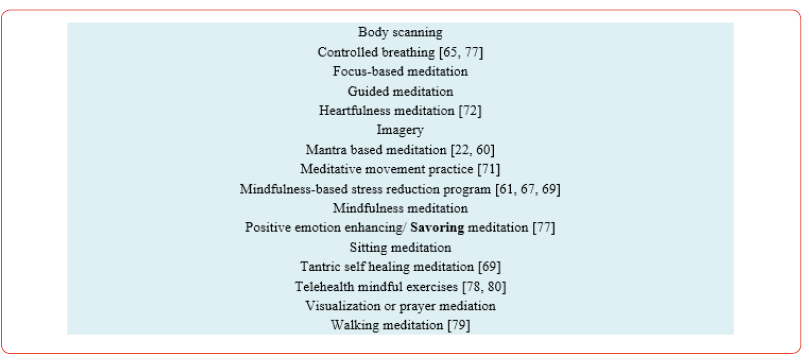
Modes of brief or intermittent meditation approaches or techniques that show promise and are easy to apply at any time of day in most venues other than clinics or hospitals and at low costinclude but are not limited to:
In (Figure 3) we describe the interactions between microbes and balance between cells with ratio, regarding the possibility of “quorum sensing” in maintaining the balance of microbe numbers and Firmicutes and Bacteroidetes are dominating the microbial composition in intestinal tract.
Acknowledgement
None.
Conflict of Interest
No conflict of Interest.
References
- Hiligsmann M, Bruyère O (2024) The role and impact of health economics in the optimization of patient care in osteoarthritis: insights from a practical example. Glob Reg Health Technol Assess 11: 75-81.
- Simon LS (2000) Osteoarthritis: a review. Clinical Cornerstone 2: 26-37.
- Mani R, Adhia DB, Awatere S, Andrew Robert Gray, Jerin Mathew (2024) Self-regulation training for people with knee osteoarthritis: a protocol for a feasibility randomised control trial (Mint trial). Front Pain Res (Lausanne) 4: 1271839.
- Goff AJ, De Oliveira Silva D, Ezzat AM, Emily C Bell, Kay M Crossley, et al. (2022) Knee osteoarthritis education interventions in published trials are typically unclear, not comprehensive enough, and lack robust development: ancillary analysis of a systematic review. J Orthop Sports Phys Ther 52(5): 276-286.
- Van Manen MD, Nace J, Mont MA (2012) Management of primary knee osteoarthritis and indications for total knee arthroplasty for general practitioners. J Am Osteopath Assoc 112(11): 709-715.
- Smith T, Purdy R, Lister S, Charlotte Salter, Robert Fleetcroft, et al. (2014) Attitudes of people with osteoarthritis towards their conservative management: a systematic review and meta-ethnography. Rheumatol Int 34(3): 299-313.
- Snijders G, Den Broeder A, Van Den Ende C, V H H P Straten, F H R De Man, et al. (2011) Evidence-based tailored conservative treatment of knee and hip osteoarthritis: between knowing and doing. Scandinav J Rheumatol 40(3): 225-231.
- Burley CV, Casey AN, Jones MD, Kemi E Wright, Belinda J Parmenter (2023) Nonpharmacological approaches for pain and symptoms of depression in people with osteoarthritis: systematic review and meta-analyses. Sci Rep 13(1): 15449.
- Sarkar TD, Edwards RR, Baker N (2022) The feasibility and effectiveness of virtual reality meditation on reducing chronic pain for older adults with knee osteoarthritis. Pain Pract 22(7): 631-641.
- Madry H, Kon E, Condello V, Peretti GM, Matthias S, et al. (2016) Early osteoarthritis of the knee. Knee Surgery, Sports Traumatology, Arthroscopy 24(6): 1753-1762.
- Kocyigit BF, Sagtaganov Z, Yessirkepov M (2023) The effectiveness of yoga as a form of exercise in the management of rheumatic diseases. Rheumatol Int 43(5): 795-801.
- Fillingim RB, Woods AJ, Ahn H, Samuel S Wu, David T Redden, et al. (2020) Pain relief for osteoarthritis through combined treatment (PROACT): Protocol for a randomized controlled trial of mindfulness meditation combined with transcranial direct current stimulation in non-Hispanic black and white adults with knee osteoarthritis. Contemp Clin Trials 98: 106159.
- Hawk C, Whalen W, Farabaugh RJ, Clinton J Daniels, Amy L Minkalis, et al. (2020) Best practices for chiropractic management of patients with chronic musculoskeletal pain: a clinical practice guideline. J Altern Complement Med 26(10): 884-901.
- Lee AC, Harvey WF, Price LL, LPK Morgan, C Wang (2017) Mindfulness is associated with psychological health and moderates pain in knee osteoarthritis. Osteoarthritis Cartilage 25(6): 824-831.
- Lauche R, Sibbritt D, Adams J, Cramer H (2019) Characteristics of yoga and meditation users among older Australian women - results from the 45 and up study. Complement Ther Clin Pract 35: 219-223.
- Sharma M, Singh A, Dhillon MS, Sukhpal Kaur (2018) Comparative impact of nonpharmacological interventions on pain of knee osteoarthritis patients reporting at a tertiary care institution: a randomized controlled trial. Indian J Palliat Care 24(4): 478-485.
- Lorenc A, Feder G, MacPherson H, Paul Little, Stewart W Mercer, et al. (2018) Scoping review of systematic reviews of complementary medicine for musculoskeletal and mental health conditions. BMJ Open 8(10): e020222.
- Niu JF, Zhao XF, Hu HT, Jia Jie Wang, Yan Ling Liu, et al. (2019) Should acupuncture, biofeedback, massage, Qi gong, relaxation therapy, device-guided breathing, yoga and tai chi be used to reduce blood pressure?: recommendations based on high-quality systematic reviews. Complement Ther Med 42: 322-331.
- Field T (2016) Knee osteoarthritis pain in the elderly can be reduced by massage therapy, yoga and tai chi: a review. Complement Ther Clin Pract 22: 87-92.
- Pelletier R, Higgins J, Bourbonnais D (2015) Addressing neuroplastic changes in distributed areas of the nervous system associated with chronic musculoskeletal disorders. Phys Ther 95(11): 1582-1591.
- Selfe TK, Innes KE (2013) Effects of meditation on symptoms of knee osteoarthritis. Altern Complement Ther 19(3): 139-146.
- Ward L, Stebbings S, Cherkin D, G David Baxter (2014) Components and reporting of yoga interventions for musculoskeletal conditions: a systematic review of randomised controlled trials. Complement Ther Med 22(5): 909-919.
- Morone NE, Greco CM (2007) Mind-body interventions for chronic pain in older adults: a structured review. Pain Med 8(4): 359-375.
- Astin JA (2004) Mind-body therapies for the management of pain. Clin J Pain 20(1): 27-32.
- Varni JW, Gilbert A (1982) Self-regulation of chronic arthritic pain and long-term analgesic dependence in a haemophiliac. Rheumatol Rehabil 21(3):171-174.
- Li X, Zhou Y, Zhang C, Hongbiao Wang, Xiaochun Wang (2024) Neural correlates of breath work, mental imagery of yoga postures, and meditation in yoga practitioners: a functional near-infrared spectroscopy study. Front Neurosci 18: 1322071.
- Gao D, Su Y, Zhang X, Hansen Li, Hongcheng Luo (2024) The application of virtual reality meditation and mind-body exercises among older adults. Front Psychol 15: 1303880.
- Khabiri R, Jahangiry L, Abbasian M, Fatollah Majidi, Mahdieh Abbasalized Farhangi, et al. (2024) Spiritually based interventions for high blood pressure: a systematic review and meta-analysis. J Relig Health.
- Ho EJ, Turner AP, Jensen MP, Melissa A Day, Dawn M Ehde, et al. (2024) Positive impacts of psychological pain treatments: Supplementary analyses of a randomized clinical trial. Rehabil Psychol.
- Antonelli M, Donelli D, Gurgoglione FL, Davide Lazzeroni, Geza Halasz, et al. (2024) Effects of static meditation practice on blood lipid levels: a systematic review and meta-analysis. Healthcare (Basel) 12(6): 655.
- Sibilia J, Berna F, Bloch JG, Marc Scherlinger (2023) Mind-body practices in chronic inflammatory arthritis. Joint Bone Spine 91(3): 105645.
- Yeater TD, Cruz CJ, Cruz-Almeida Y, Kyle D Allen (2022) Autonomic nervous system dysregulation and osteoarthritis pain: mechanisms, measurement, and future outlook. Curr Rheumatol Rep 24(6): 175-183.
- Ahn H, Zhong C, Miao H, Alejandro Chaoul, Lindsey Park, et al. (2019) Efficacy of combining home-based transcranial direct current stimulation with mindfulness-based meditation for pain in older adults with knee osteoarthritis: a randomized controlled pilot study. J Clin Neurosci 70: 140-145.
- Prusak K, Prusak K, Mahoney J (2014) An integrated mind-body approach to arthritis: a pilot study. J Tradit Complement Med 4(2): 99-107.
- Sharma M (2014) Yoga as an alternative and complementary approach for arthritis: a systematic review. J Evid Based Complementary Altern Med 19(1): 51-58.
- Bushnell MC, Ceko M, Low LA (2013) Cognitive and emotional control of pain and its disruption in chronic pain. Nat Rev Neurosci 14(7): 502-511.
- Yan Q (2012) The role of psychoneuroimmunology in personalized and systems medicine. Methods Mol Biol 934: 3-19.
- Taibi DM, Vitiello MV (2012) Yoga for osteoarthritis: nursing and research considerations. J Gerontol Nurs 38(7): 26-37.
- Luo X, Zhao J, Zhao D, Li Wang, Yi Ho, et al. (2024) Differences in attentional function between experienced mindfulness meditators and non-meditators. Front Psychiatry 15: 1341294.
- Mani R, Adhia DB, Awatere S, Andrew Robert Gray, Jerin Mathew, et al. (2024) Self-regulation training for people with knee osteoarthritis: a protocol for a feasibility randomised control trial (MiNT trial). Front Pain Res (Lausanne) 4:1271839.
- Martinez-Calderon J, Cano-García FJ, García-Muñoz C, Carmen Rufo Barbero, Javier Matias Soto, et al. (2024) How can clinicians enhance self-efficacy beliefs in osteoarthritis? An overview of systematic reviews with meta-analysis. Clin Rheumatol 43(5): 1435-1446.
- Pollonini L, Montero-Hernandez S, Park L, Hongyu Miao, Kenneth Mathis, et al. (2020) Functional near-infrared spectroscopy to assess central pain responses in a nonpharmacologic treatment trial of osteoarthritis. J Neuroimaging 30(6): 808-814.
- Varni JW, Gilbert A (1982) Self-regulation of chronic arthritic pain and long-term analgesic dependence in a haemophiliac. Rheumatol Rehabil 21(3): 171-174.
- Åkesson KS, Hansson EE, Pawlikowska T, Anne Sunden, Kjerstin Stigmar, et al. (2024) Factors associated with empowerment after participating in a supported osteoarthritis self-management program: an explorative study. Osteoarthr Cartil Open 6(2): 100464.
- Miller KA, Baier Manwell LM, Bartels CM, Tommy Yue Yu, Divya Vundamati, et al. (2024) Implementing an osteoarthritis management program to deliver guideline-driven care for knee and hip osteoarthritis in a U.S. academic health system. Osteoarthr Cartil Open 6(2): 100452.
- Innes KE, Selfe TK, Kandati S, Sijin Wen, Zenzi Huysmans (2018) Effects of mantra meditation versus music listening on knee pain, function, and related outcomes in older adults with knee osteoarthritis: an exploratory randomized clinical trial (RCT). Evid Based Complement Alternat Med.
- Tolahunase M, Sagar R, Dada R (2017) Impact of yoga and meditation on cellular aging in apparently healthy individuals: a prospective, open-label single-arm exploratory study [published correction appears in Oxid Med Cell Longev.
- Hazlett-Stevens H, Singer J, Chong A (2019) Mindfulness-based stress reduction and mindfulness-based cognitive therapy with older adults: a qualitative review of randomized controlled outcome research. Clin Gerontol 42(4): 347-358.
- Black DS, Slavich GM (2016) Mindfulness meditation and the immune system: a systematic review of randomized controlled trials. Ann N Y Acad Sci 1373(1): 13-24.
- Zhou J, Peng P, Xie X (2018) Prevalence of pain and effects of a brief mindfulness-based intervention on chinese community-dwelling older adults with chronic pain. J Community Health Nurs 35(1): 19-27.
- Chételat G, Lutz A, Arenaza-Urquijo E, Fabienne Collette, Olga Klimecki, et al. (2018) Why could meditation practice help promote mental health and well-being in aging?. Alzheimers Res Ther 10(1): 57.
- Borghesi F, Cremascoli R, Chirico A, Laura Bianchi, Amalia Di Moia, et al. (2024) Mind and body connection in expert meditators: a computational study based on central and peripheral nervous system. BMC Complement Med Ther 24(1): 117.
- Jones G, Castro-Ramirez F, McGuire T, Driban JB, Wang C (2023) A digital music-based mindfulness intervention ("healing attempt") for race-based anxiety in Black Americans. J Med Internet Res 25: e51320.
- Canfield MJ, Cremins MS, Vellanky SS, Rebecca Teng, Robert M Belnaik (2021) Evaluating the success of perioperative self-guided meditation in reducing sleep disturbance after total knee arthroplasty. J Arthroplasty 36(7S): S215-S220.e2.
- Oguchi M, Nicholas MK, Asghari A, D Sanders, P J Wrigley (2024) Psychologically-based interventions for adults with chronic neuropathic pain: a scoping review. Pain Med.
- Valluri J, Gorton K, Schmer C (2024) Global meditation practices: a literature review. Holist Nurs Pract 38(1): 32-40.
- Merkes M (2010) Mindfulness-based stress reduction for people with chronic diseases. Aust J Prim Health 16(3): 200-210.
- Pester BD, Wilson JM, Yoon J, Asimina Lazaridou, Kristin L Schreiber, et al. (2023) Brief mindfulness-based cognitive behavioral therapy is associated with faster recovery in patients undergoing total knee arthroplasty: a pilot clinical trial. Pain Med 24(6):576-585.
- Rosenzweig S, Greeson JM, Reibel DK, Joshua S Green, Samar A Jasser, et al. (2010) Mindfulness-based stress reduction for chronic pain conditions: variation in treatment outcomes and role of home meditation practice. J Psychosom Res 68(1): 29-36.
- De-la-Casa-Almeida M, Villar-Alises O, Rodríguez Sánchez-Laulhé P, Javier Martinez-Calderon, Javier Matias-Soto, et al. (2023) Mind-body exercises for osteoarthritis: an overview of systematic reviews including 32 meta-analyses. Disabil Rehabil pp. 1-9.
- Godziuk K, Prado CM, Quintanilha M, Mary Forhan (2023) Acceptability and preliminary effectiveness of a single-arm 12-week digital behavioral health intervention in patients with knee osteoarthritis. BMC Musculoskelet Disord 24(1): 129.
- Marais C, Song Y, Ferreira R, Safa Aounti, Claire Duflos, et al. (2022) Evaluation of mindfulness-based stress reduction in symptomatic knee or hip osteoarthritis patients: a pilot randomized controlled trial. BMC Rheumatol 6(1): 46.
- Rognsvåg T, Lindberg MF, Lerdal A, Jan Stubberud, Ove Furnes, et al. (2021) Development of an internet-delivered cognitive behavioral therapy program for use in combination with exercise therapy and education by patients at increased risk of chronic pain following total knee arthroplasty. BMC Health Serv Res 21(1): 1151.
- Jacobs CA, Mace RA, Greenberg J, Paula J Popok, Mira Reichman, et al. (2021) Development of a mind body program for obese knee osteoarthritis patients with comorbid depression. Contemp Clin Trials Commun 21: 100720.
- Flynn DM (2020) Chronic musculoskeletal pain: nonpharmacologic, noninvasive treatments. Am Fam Physician 102(8): 465-477.
- Lee AC, Harvey WF, Price LL, Xingyi Han, Jeffery B Driban, et al. (2017) Mindfulness is associated with treatment response from nonpharmacologic exercise interventions in knee osteoarthritis. Arch Phys Med Rehabi 98(11): 2265-2273.e1.
- Elcin D, Velasquez M, Colombo PJ (2024) Effects of acute and long-term mindfulness on neural activity and the conflict resolution component of attention. Front Hum Neurosci 18:1359198.
- Vitaloni M, Botto-van Bemden A, Sciortino Contreras RM, Deborah et al. (2019) Global management of patients with knee osteoarthritis begins with quality-of-life assessment: a systematic review. BMC Musculoskelet Disord 20(1): 493.
- Dowsey M, Castle D, Knowles S, Kaveh Monshat, Michael Salzberg, et al. (2019) The effect of mindfulness training prior to total joint arthroplasty on post-operative pain and physical function: A randomised controlled trial. Complement Ther Med 46: 195-201.
- Argyriadis A, Kopanakis E, Koutras P, Konstantinos Louvaris, Antonia-Zoi Mammi, et al. (2024) The impact of outdoor in nature mindfulness on the mental well-being of children and adolescents. a mental health and cross-cultural approach. Mater Sociomed 36(1): 73-76.
- Morgan NL, Ransford GL, Morgan LP, JB Driban, C Wang, et al. (2013) Mindfulness is associated with psychological symptoms, self-efficacy, and quality of life among patients with symptomatic knee osteoarthritis. Osteoarthritis Cartilage 21: S257-258.
- Salami AA, Kanmodi KK, Leuke Bandara D, Timothy O Aladelusi, Jimoh Amzat, et al. (2023) The use of Qigong and Tai Chi in the management of temporomandibular joint dysfunction: a systematic review. Health Sci Rep 6(10): e1639.
- Parshad O (2004) Role of yoga in stress management. West Indian Med J 53(3): 191-194.
- Delia Y, Whitfield T, Schlosser M, Antoine Lutz, Thorsten Barnhofer, et al. (2024) Impact of mindfulness-based and health self-management interventions on mindfulness, self-compassion, and physical activity in older adults with subjective cognitive decline: a secondary analysis of the SCD-Well randomized controlled trial. Alzheimers Dement (Amst) 16(1): e12558.
- Finan PH, Hunt C, Keaser ML, Katie Smith, Sheera Lerman, et al. (2023) Effects of savoring meditation on positive emotions and pain-related brain function: a mechanistic randomized controlled trial in people with rheumatoid arthritis. J Pain.
- Thakur M, Patil Y, Philip ST, Tahreem Hamdule, Jayaram Thimmapuram, et al. (2023) Impact of Heartfulness meditation practice on anxiety, perceived stress, well-being, and telomere length. Front Psychol 14: 1158760.
- James DL, Larkey LK, Evans B, Ann Serben, Kimberley Goldsmith, et al. (2023) Mechanisms of improved body composition among perimenopausal women practicing Meditative Movement: a proposed biobehavioral model. Menopause 30(11): 1114-1123.
- Shah N. Telehealth exercise and mindfulness for pain in people with knee osteoarthritis (Doctoral dissertation, Boston University).
- Martorella G, Hanley A, Tong H, Phillip Worts, David Bellamy, et al. (2024) Online brief mindfulness-based intervention for subacute pain after total hip or knee replacement: a pilot randomized controlled trial. Mindfulness 2: 1-7.
- Kumar D, Costello KE, Shah N, T Neogi, S Lee, et al. (2022) Mindful walking in knee osteoarthritis: a feasibility randomized controlled trial. Osteoarthritis Cartilage 30: S72-S73.
- Chaharmahali L, Gandomi F, Yalfani A, Alireza Fazaeli (2023) The effect of mindfulness and motivational interviewing along with neuromuscular exercises on pain, function, and balance of women affected by knee osteoarthritis: a rater-blinded randomized controlled clinical trial. Disabil Rehabil 27:1-12.
- Jelinek T, Young A, Jones G, Kimberly Magana, Trevor Magee, et al. (2024) Assessing the degree to which randomized control trials align with the core outcome set for osteoarthritis of knee and hip: a cross-sectional analysis. Osteoarthritis Cartilage 23: S1063-4584.
-

This work is licensed under a Creative Commons Attribution-NonCommercial 4.0 International License.




