


 Review
Exploring Novel Strategy to Inhibit Foot-And-Mouth- Disease Virus Replication by Targeting Specific Amino Acid Residues of the 3D Polymerase (3Dpol) of RNA Dependent RNA Polymerase
1FMD Virus Research Laboratory, Indian Veterinary Research Institute (ICAR-IVRI), Hebbal-560024, Bangalore, India
2Kyntox Biotech India Pvt Ltd, RT Nagar-560032, Bangalore, India
3Rajiv Gandhi Institute of Veterinary Education and Research, Puducherry-605009, India
4Department of Biophysics, University of Madras, Chennail-600051
5Department of Agricultural and Food Engineering, Indian Institute of Technology, Kharagpur-731302, West Bengal, India
Received Date:August 01, 2025; Published Date:August 06, 2025
Abstract
Foot and mouth disease (FMD) is a highly contagious viral disease that primarily affects cloven-hoofed livestock such as cattle, sheep, goats, and swine. The disease poses significant challenges for farm-dependent regions such as Asia and Southeast Asia. The most challenging part of controlling FMD infections is developing an effective vaccine against the most spreading serotypes and subtypes. Also, most serotypes have been reported to show multiple subtypes. Despite the development of several different vaccines, such as live attenuated, inactivated, virus-like particle vaccines, and nucleic acid vaccines, each country has its vaccination drives to avoid virus outbreaks. FMD outbreaks have been noticed even after post-vaccination in most of the farm- and agriculturally dependent countries, leading to substantial economic losses. This review focuses on addressing current vaccination strategies and introducing a novel antiviral strategy targeting the 3Dpol, an RNA-dependent RNA polymerase required for FMD viral replication. By utilizing bioinformatics and reported mutational data, we propose to target specific amino acids within 3Dpol that may serve as targets for future therapeutic design.

Background
Foot and mouth disease virus (FMDV) belongs to the Picornaviridae virus family in the genus aphthovirus. To date, seven serotypes have been reported, including A, O, C, Aisa type 1, and Southern African Territories (SAT) 1, 2, and 3. Most serotypes have been reported to have subtypes. Developing vaccines is always difficult against virus infections that show rapid mutations and can adapt to the host environment. Commonly used vaccine types include inactivated vaccines, virus-like particle (VLPs) vaccines, gene-deleted vaccines, subunit vaccines, live vector vaccines, live attenuated vaccines, and nucleic acid vaccines [1]. Each type of vaccine has its advantages and disadvantages compared to the others. Foot and mouth disease (FMD) is highly contagious to ungulates such as livestock. Countries like India, which are more dependent on livestock production, can suffer catastrophic losses due to FMD.
Direct loss is due to reduced animal production, such as milk production and herd structure, and economic losses in terms of marketing issues [2]. Traditionally, people follow methods such as eliminating infected herds, restricting movement, and circular vaccination of nearby areas to eradicate the infection [3]. Preventive vaccination, which uses viral particles as antigens, effectively boosts immunity and helps maintain disease-free immune systems. Even after effective vaccination, epidemics of fever and foot-and mouth disease break out and cause enormous damage to livestock. The outbreak is due to the occurrence of virus mutations in virus populations and the development of resistance to existing vaccines. This is alarming, highlighting the need to develop effective treatment strategies to combat FMD.
Conventional Inactivated Vaccines:Inactivated vaccines are
developed using chemical or physical methods that inactivate the
virus and reduce virulence. The most used chemical inactivation
method includes treatment of the virus with binary ethyleneimine
(BME), formalin, β-propiolactone, and hydrogen peroxide [4]. Physical
inactivation involves exposure to elevated temperatures, radiation,
and ultrasound to inactivate viral replication. The advantages
of these types of vaccines are short development time, safety of use,
and induction of a systemic immune response. Misses of these inactivated
vaccines are necessary to strengthen immunity every 6-12
months. Recent studies have shown that the use of inactivated bovine
influenza requires at least three doses to protect against FMDV
infection [5, 6].
Virus-Like Particle Vaccines (VLPs):VLPs are developed using
more structural proteins expressed in prokaryotic/eukaryotic
systems. VLPs can be produced by bacteria, yeast, baculovirus, and
insect cells [7]. To produce VLPs, genetically engineered methods
are used to clone viral antigens into a nontoxic bacterium or virus to express the viral antigen genes in the host. VLPs induce a specific
immune response in the body. The advantages of VLPs are that
they are structurally like virus particles with less or no virulence
and are immunostimulatory. When it comes to VLPs produced by a
bacterial expression system, it leads to a significant increase in the
level of FMDV-specific antibodies and IFN-gamma in cattle [8, 9].
The disadvantage is that vaccines increase immunity, are specific
for a homogeneous type, and animals are sensitive to other variants
of the virus.
Live Vector-Based Vaccines:Live vaccines are Vector-based
vaccines also use a genetic platform to clone antigens that protect
against pathogens using viral, bacterial, and yeast vectors that produce
specific viral proteins. Live vector vaccines have the advantage
of being able to elicit cellular and humoral immune responses with
little or no risk of toxicity. Live vector vaccines have shown effective
treatment against the new influenza virus, rabies virus, and Newcastle
disease virus. Live vaccines are being tested against foot and
mouth disease [10]. The advantage of live vaccines is that they induce
immunity against multiple pathogen antigens and can protect
against multiple diseases with a single dose. Disadvantages of this
kind of vaccine include the potential threat to cause harm to the
host [11].
Recent Approaches in Developing Vaccines
Codon Pair Deoptimization (CPD):The whole virus was
developed by using codon deoptimized technology, resulting in
the production of a less virulent virus. Codon optimization is a
technique that can be used in the modification of target-specific
gene expression. CPD attenuates a virus by decreasing by bias in
the codon pair, which involves making up a gene. This technology
uses underrepresented synonymous codons rather than the
regular common specific codons. The generated attenuated virus
has replication behavior as parental strains. This technology can be
used to develop modified versions of a virus with reduced virulence,
also termed ‘weakened viruses. Deoptimization is nowadays widely
used in producing live attenuated vaccines which are working well
in generating antigenicity in the host system [12-16].
Site-Directed Mutagenesis (S.D.M): Site-directed mutagenesis is a well-used technique for creating mutations. However, S.D.M
is widely used widely in creating viruses with several point mutations
to develop live attenuated viruses in vaccines. Introducing
several point mutations that typically alter the nucleotide triplicate
leads to changes in the crucial amino acids that participated in
causing the virulence of the virus. Several research studies focusing
on S.D.M to develop vaccines and some of the reported remarkable
progress on developing vaccines against polio virus, human immunodeficiency
virus, and influenza virus [17-21]. Deletion of S192-
R193-K194-K194-R196-S197 amino acids located within both
cleavage sites leads to 100% protection against aerosol challenges
in a rabbit model (Hermanson, Whitlow et al., 2004). Whereas double
mutants at the Furin and chymotrypsin cleavage sites lead to the creation of mutated rPA variants showing more stability [22].
Targeting RdRp
What is RdRp: Genetic replication of picornaviruses is
performed by virally encoded protein RNA dependent RNA
polymerase (RdRp), termed 3D polymerase. 3Dpol is a key protein
released after viral infection into host cells. Proteolytic processing
of viral protein allows 3Dpol to enter host cells and produces
negative-strand genomic intermediates to by their new positive
strands are synthesized. All RNA viruses have RNA-dependent RNA
polymerase (RdRp) for their propagation and survival in the host
system. RdRp are proteins that participate in the replication of viral
genetic materials [23].
RdRp as Therapeutic Target: Targeting RdRp became a new
approach to inhibit RNA virus replication and plays a crucial role
in targeting replication of the RNA genome, and it became an
attractive target in anti-viral drug development [24]. So far, there
are two types of RdRp inhibitors based on structure and location of
the inhibitor binds to RdRp, such as nucleoside analogue inhibitors
(NIs) and non-nucleoside analogue inhibitors (NNIs) [25, 26]. Table
1 and Figure 2 explains the importance of nucleoside and nonnucleoside
analogues used in the inhibition of RdRps of various
disease-causing viruses. RdRps are always a potential target to
inhibit virus replication, also in developing agents against RNAbased
viral infections.
Table 1: List of inhibitors and nucleic acid analogues targeting viral replications.
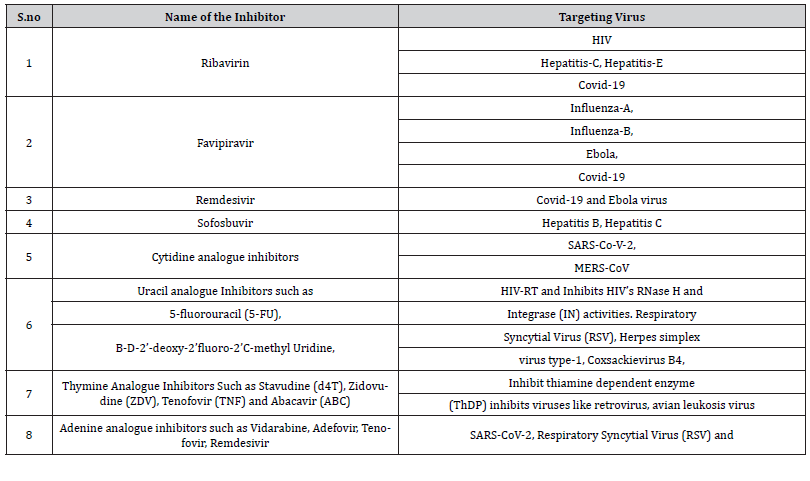

Figure-2 4x.2b PBD structure of FMD virus RdRp explains the interactions of Mg2+ atom with amino acids of 3D pol of FMD Virus. Mg2+ interactions with ASP trio (ASP238, ASP 240 and ASP339) as a Mg2+ pocket which holds Mg2+. TRP 237 position shown to be in proximity to the Mg2+ pocket along with ASP trio amino acids. Mutations associated with TRP 237 position might directly influence the special stoichiometry of the ASP trio (ASP238, ASP 240 and ASP339) which is crucial for maintaining the Mg2+ pocket.
RdRp Protein Stability and Mutations:RdRp is a conserved
domain, most of its amino acids are well preserved by the virus
to sustain itself. Mutations will cause proteins to exist with different
amino acids. These mutations drive which type of amino acid
replacements, and the impacts caused by the mutations were unpredictable.
However, mutations can have a variety of effects, not
limited to neutral, beneficial, or deleterious. When amino acids are
exchanged for another similar property, the replacement is most
unlikely to lead to dysfunction of the protein. When an amino acid
is exchanged for another with different properties, this may lead
to changes associated with either protein structure or function or
with both. These changes can be potentially pathogenic. As a wellknown
example in sickle cell anaemia, a mutation causes substitution
of valine (no charge) for glutamic acid (negatively charged)
in the beta globin chain. Some of the RdRp mutations may have
occurred during the natural evolution process. The mutations in
RdRp may affect virus fidelity. Due to the low fidelity of RdRp, RNA
viruses exhibit genetically diverse populations popularly known as
quasispecies [27, 28]. Foot and mouth disease viruses are highly
contagious, and RdRp plays a crucial role in the survival and spread
of the FMD virus. Mutations in the polymerase affecting binding of
nucleoside triphosphates can alter the RdRp fidelity [29]. Previous
studies [30] reported that amino acid residue F257 within the hydrophobic
cavity of RdRp contribute to catalysis upon NTP binding.
Previous researchers generated mutants of serotype O of FMDV with a mutation at F257. F257C mutation leads to replacement of phenylalanine with cysteine, leading to no change in the polarity as they both are non-polar amino acids holding a hydrophobic nature. F257C mutation resulted in a higher-fidelity FMDV variant [31].
Fidelity and Viral Replication: Fidelity is one of the important
elements in the evolution of the virus in the survival environment.
The limitation of RNA virus replication is determined by the RdRPs.
High fidelity of the RdRp will be compromised in the rapidly growing
and epidemic RNA virus [32]. In SARS-CoV infection, non-structural
protein-14 (Nsp-14) influences the fidelity of the virus [33].
Research studies reported that Nsp-14 exonuclease (ExoN) activity
requires replication fidelity. Generation of ExoN inactivation mutants
lead to a drastic decrease in replication which end growth
defects [34, 35]. Cov NSPs encoded proteins reported to have enzymatic
activities consistence with the roles of either RNA modification,
synthesis, or both these including the RdRps, RNA primase,
helicases, and exo/endoribonucleases. Low fidelity leads to virus
replication, with the less specific nucleosides allow virus to retain
replication and propagation. Most of the pandemic and epidemic
viral spreads will be happening with the changes associated with
fidelity of the RdRPs of the RNA viruses.
High Fidelity Protects the Virus Against Antiviral Agents: Most of the RNA viruses, Poliovirus, FMD, SARS, and hepatitis C virus,
will be effectively treated by nucleoside analogues such as ribavirin.
During treatment with nucleoside analogues, the low fidelity
viruses will be screened out first, and the resistance virus will be
found to be ribavirin resistant [36]. From the research studies on
poliovirus mutants, it is understood that the virus they were ribavirin
resistant, having mutations in the RdRp. Mutant RdRp leads
to high fidelity, which differentiates the ribavirin from regular nucleosides
and makes the virus choose the right nucleoside needed
during replication [37-39].
Conclusion and Future Directions
RdRp, also known as 3D polymerase (3D Pol) of FMDV known to consist of 481 amino acids and has a molecular weight of 52.7 KDa. Most of the amino acids were highly conserved and well preserved for decades. Mutations associated with these amino acids lead to drastic changes. Most of the amino acids participated in the structural, enzymatic, and nucleoside binding properties. Any mutations associated with fidelity will affect virus replication. Arg168, Lys172, Arg179, Aps245, and Asn307 engaged in the ATP binding, also amino acids involved in binding or facilitating Mg2+ binding play a significant role in the fidelity of the RdRp [40]. Any mutations with these amino acids will directly influence the RdRP fidelity and if the mutations in the nearby amino acids can also influence the fidelity. In the context of viral RdRp, the ASP trios (ASP 238, ASP 240, and ASP339) seem to be conserved among 3D pol of poliovirus and FMD. Studies reported that these trio’s play significant role in catalytic activity as well as RNA versus DNA selectivity (Aaron AT and Oliva BP, 2004). Based on research studies and by using bioinformatics tools to predict interactions, it is understood that amino acids 237, 238, 240, and 339 were known to be involved in Mg2+ binding. NTPs of the newly synthesized RNA are inserted according to the Watson-Crick base pairing rule. This process is enhanced by the Mg2+ ions, which are coordinated with incoming NTPs during this process. As shown in the figure-1 the three aspartates, Asp 238, 240, and 339, were highly conserved among different RdRps. The mutation we are proposing, based on research studies and the informatics used, is Trp 237, a non-polar hydrophobic amino acid, which is right next to the three negatively charged conserved Asp amino acids to hold a positively charged Mg2+ ion. Mutations associated with Trp237 are the most likely to directly influence replication of the virus and fidelity of the RdRp. Another possible mechanism of Trp 237 mutations were having direct influence on the Asp 238, as researchers reported that Asp 238 is an essential residue that selects for the 2’OH group substrate rNTPs (Aaron AT and Oliva BP, 2004). Three highly conserved Asp 238, 240, and 339 will form charge electrostatic interactions to hold the Mg2+ ion, which again is essential for the replication. Mg2+ ion also promotes nucleophilic attack of the 3’hydroxyl group from the nascent RNA to the α-phosphate of the incoming NTPs. All the RdRp shares this information (two metal ion catalysis) because of the conserved amino acids they hold [41]. Mutations in the RdRp can affect the virus replication in multiple ways, such as recognition of the internal promoter sequence or the catalytic process that is associated with NTP binding and hydrolysis.
Based on our understanding from the research studies analysis around RdRp mutations and in silico analysis, we suggest that amino acids Trp 237, Asp 238, Asp 240 and Asp 339 of 3D polymerase can be potential targets to inhibit RdRp of Foot-and-mouth disease virus replication. It will be challenging for the virus to overcome replication difficulties if mutants having positively charged amino acids in place of three highly conserved negatively charged amino acids are biochemically modulated viral RdRp to hold Mg2+ ion and thereby affecting the replication process. Further studies need to be conducted on targeting these amino acids for screening mutant kinetics in virus replication. Also, it will be a great advantage to study fluorescence-tagged nucleoside analogues to study the potential downstream effects of these mutants in foot-and-mouth disease virus replication.
Funding
This work got no funding support.
Acknowledgement
Authors would like to extend their gratitude to Dr. G. R. Reddy, Former In-charge of the FMD Research Laboratory, Indian Veterinary Research Institute, Regional Campus, Hebbal, Bangalore- 560024, India.
Conflict of Interest
No conflict of interest.
References
- Atmaca HT (2015) Vaccines and Vaccination. In: Abubakar M, Saeed A, Kul O (eds) The Role of Biotechnology in Improvement of Livestock. Springer, Berlin, Heidelberg pp: 41-53.
- Knight-Jones TJD, Rushton J (2013) The economic impacts of foot and mouth disease - What are they, how big are they and where do they occur? Preventive Veterinary Medicine 112(3-4): 161-173.
- Paton DJ, Fussel A E, Vosloo W, Dekker A, De C K (2014) The use of serosurveys following emergency vaccination, to recover the status of “foot-and-mouth disease free where vaccination is not practised”. Vaccine 32(52): 7050-7056.
- Sanders B, Koldijk M, Schuitemaker H (2014) Inactivated Viral Vaccines. Vaccine Analysis: Strategies, Principles, and Control 28: 45-80.
- Elveborg S, Monteil VM, Mirazimi A (2022) Methods of Inactivation of Highly Pathogenic Viruses for Molecular, Serology or Vaccine Development Purposes. Pathogens 11(2): 271.
- N Vijay, J Lijo, S barathiraja, PAV Gangadhara, HJ Dechamma, et al. (2020) Expression of bovine interleukin-15 in Pichia pastoris and study on its biological activity: a T-cell activator: Animal Biotechnology 31(4): 357-364.
- Nooraei S, Bahrulolum H, Hoseini ZS, Katalani C, Hajizade A, et al. (2021) Virus-like particles: preparation, immunogenicity and their roles as nanovaccines and drug nanocarriers. J Nanobiotechnol 19(1): 59.
- Guo HC, Sun SQ, Jin Y, Yang SL, Wei YQ, et al. (2013) Foot-and-mouth disease virus-like particles produced by a SUMO fusion protein system in Escherichia coli induce potent protective immune responses in guinea pigs, swine and cattle. Veterinary research 44(10): 48.
- S Barathiraja, PAV Gangadhara, V Umapathi, HJ Dechamma, GR Reddy (2018) Expression and purification of biologically active bovine interferon λ3 (IL28B) in Pichia pastoris: Protein Expression and Purification 145: 14-18.
- Deng S, Liang H, Chen P, Li Y, Li Z, et al. (2022) Viral Vector Vaccine Development and Application during the COVID-19 Pandemic. Microorganisms 10(7): 1450.
- Carneiro FA, Cortines JdR, Essus VJ, da Silva IBN (2022) Vaccine engineering & structural vaccinology (4), System Vaccinology pp: 55-86.
- Nogales A, Baker SF, Ortiz-Riaño E, Dewhurst S, Topham DJ, et al. (2014) Influenza A virus attenuation by codon deoptimization of the NS gene for vaccine development. J Virol 88(18): 10525-10540.
- Segundo FD, Medina GN, Spinard E, Kloc A, Ramirez-Medina E, et al. (2021) Use of Synonymous Deoptimization to Derive Modified Live Attenuated Strains of Foot and Mouth Disease Virus, Front. Microbiol 11:
- Lauring AS, Jones JO, Andino R (2010) Rationalizing the development of live attenuated virus vaccines, Nat Biotechnol 28(6): 573-579.
- Cai Y, Ye C, Cheng B, Nogales A, Iwasaki M, et al. (2020) A Lassa Fever Live-Attenuated Vaccine Based on Codon Deoptimization of the Viral Glycoprotein Gene. Mbio 11(1): e00039-20.
- Li J, Miller LC, Sang Y (2024) Current Status of Vaccines for Porcine Reproductive and Respiratory Syndrome: Interferon Response, Immunological Overview, and Future Prospects. Vaccines (Basel) 12(6): 606.
- Kim BK, Choi W, Kim E, Ryu H, Jeong JH, et al. (2023) A Rapid Method for Generating Infectious SARS-CoV-2 and Variants Using Mutagenesis and Circular Polymerase Extension Cloning, Microbiology Spectrum 11(2): e0338522.
- Edelheit O, Hanukoglu A Hanukoglu, I (2009) Simple and efficient site-directed mutagenesis using two single-primer reactions in parallel to generate mutants for protein structure-function studies. BMC Biotechnol 9: 61.
- Hallak LK, Berger K, Kaspar R, Kwilas AR (2017) Montanaro F, Peeples ME. Efficient method for site-directed mutagenesis in large plasmids without subcloning. PLoS One 12(6): e0177788.
- Khan MZI, Nazli A, Al-furas H, Asad MI, Ajmal I, et al. (2022) An overview of viral mutagenesis and the impact on pathogenesis of SARS-CoV-2 variants. Frontiers in Immunology 13: 1034444.
- Collette NM, Lao VHI, Weilhammer DR, Zingg B, Cohen SD, et al. (2020) Single Amino Acid Mutations Affect Zika Virus Replication In Vitro and Virulence In Vivo. Viruses 12(11): 1295.
- Ramirez DM, Leppla SH, Schneerson R, Shiloach J (2002) Production, recovery and immunogenicity of the protective antigen from a recombinant strain of Bacillus anthracis. Journal of Industrial Microbiology & Biotechnology 28(4): 232-238.
- Ferrer-Orta C, Ferrero D, Verdaguer N (2015) RNA-Dependent RNA Polymerases of Picornaviruses: From the Structure to Regulatory Mechanisms. Viruses 7(8): 4438-4460.
- Machitani M, Yasukawa M, Nakashima J, Furuichi Y, Masutomi K (2020) RNA-dependent RNA polymerase, RdRP, a promising therapeutic target for cancer and potentially COVID-19. Cancer Sci 111(11): 3976-3984.
- Tian L, Qiang T, Liang C, Ren X, Jia M, et al. (2021) RNA-dependent RNA polymerase (RdRp) inhibitors: The current landscape and repurposing for the COVID-19 pandemic. Eur J Med Chem 213: 113201.
- Brindani N, Munafo F, Menichetti A, Donati E, Nigro M, et al. (2023) Design, synthesis, docking, and biochemical characterization of non-nucleoside SARS-CoV-2 RdRp inhibitors. Bioorganic & Medicinal Chemistry 80: 117179.
- Domingo E, Sheldon J, Perales C (2012) Viral Quasispecies Evolution. Microbiol Mol Biol Rev 76(2): 159-216.
- Andino A, Hanning I (2015) Salmonella enterica: survival, colonization, and virulence differences among serovars. Scientific World Journal: 520179.
- McDonald S, Block A, Beaucourt S, Moratorio G, Vignuzzi M, et al. (2016) Design of a Genetically Stable High Fidelity Coxsackievirus B3 Polymerase That Attenuates Virus Growth in Vivo. Journal of Biological Chemistry 291(27): 13999-14011.
- Rai DK, Diaz-San Segundo F, Campagnola G, Keith A, Schafer EA, et al. (2017) Attenuation of foot-andmouth disease virus by engineered viral polymerase fidelity. J Virol 91(15): e00081-17.
- Li C, Shi J, Wang H, Rivera-Serrano EE, Yang D, et al. (2020) Polymerase Fidelity Contributes to Foot-and-Mouth Disease Virus Pathogenicity and Transmissibility In Vivo. J Virol 95(1): e01569-20.
- Singh K, Mehta D, Dumka S, Chauhan AS, Kumar S (2023) Quasispecies Nature of RNA Viruses: Lessons from the Past. Vaccines 11(2): 308.
- Tam D, Lorenzo-Leal AC, Hernández LR, Bach H (2023) Targeting SARS-CoV-2 Non-Structural Proteins. Int J Mol Sci 24(16): 13002.
- Eckerle LD, Becker MM, Halpin RA, Li K, Venter E, et al. (2010) Infidelity of SARS-CoV Nsp14-Exonuclease Mutant Virus Replication Is Revealed by Complete Genome Sequencing. PLoS Pathog 6(5): e1000896.
- Labrousse G, Perre PV, Parra G, Jaffrelot M, Leroy L, et al. (2023) The hereditary N363K POLE exonuclease mutant extends PPAP tumor spectrum to glioblastomas by causing DNA damage and aneuploidy in addition to increased mismatch mutagenicity. NAR Cancer 5(2): zcad011.
- Chung DH, Sun Y, Parker WB, Arterburn JB, Bartolucci A, et al. (2007) Ribavirin reveals a lethal threshold of allowable mutation frequency for Hantaan virus. J. Virol 81(21): 11722-11729.
- Arnold JJ, Vignuzzi M, Stone JK, Andino R, Cameron CE (2005) Remote site control of an active site fidelity checkpoint in a viral RNA-dependent RNA polymerase. J. Biol. Chem 280(27): 25706-25716.
- Pfeiffer JK, Kirkegaard K (2003) A single mutation in poliovirus RNA-dependent RNA polymerase confers resistance to nucleoside analogs via increased fidelity. Proc. Natl. Acad. Sci 100(12): 7289-7294.
- Vignuzzi M, Stone JK, Arnold JJ, Cameron CE, Andino R (2006) Quasispecies diversity determines pathogenesis through cooperative interactions in a viral population, Nature 439(7074): 344-348.
- Ferrer-Orta C, Arias A, Ruben Agudo, Perez-Luque R, Escarmıs C, et al. (2006) The structure of a protein primer-polymerasecomplex in the initiation of genome replication. The EMBO Journal 25(4): 880-888.
- Carvalho L, Costa, T (2011) Tourism Innovation-A Literature Review Complemented by Case Study Research. International Conference on Tourism and Management Studies. Algarve 1: 23-33.
-

This work is licensed under a Creative Commons Attribution-NonCommercial 4.0 International License.