



 Research Article
The Degree of Association Between Antibiotic Resistance Among Population of Staphylococcus Aureus of Caesarean Wounds
1 Department of Medical Laboratory Technology, Al-Qalam University College, Kirkuk, Iraq
2 Department of Microbiology, College of Medicine, University of Tikrit, Tikrit, Iraq
Received Date: October 10, 2025; Published Date: October 17, 2025
Abstract
Background: Much of the recent literature in this context has focused on tracing of highly multidrug-resistant (MDR) which might be
disseminated in hospital environment particularly through areas of highly susceptible patients like intensive care unit, burn and surgery wards
and children’s lounge. Most of hospital infections caused by multiple resistant organisms, especially multiple resistant S. aureus which has been
frequently isolated from patients.
Materials and Methods: The present work was conducted on 500 patients with caesarean sections. Wound swab was taken on the third
postoperative day from hospitalized patients and on the seventh postoperative day from patients attended outpatient clinic. The isolated S. aureus
from caesarean sections were tested for antibiotic susceptibility and the degree of association of resistance to different antibiotics was studied.
Results: It was found that the antibiotic resistance patterns of Staphylococcus aureus were 10 different resistance patterns. The total burden of
resistance which is equal to sum of R-determinants multiplied by frequency was 208, showing a high multidrug resistance pressure in the sampled
population. The Tau² value (~0.24) indicated a moderate between study variation, which justified using the random effects model. The present
analysis of data did not show severe asymmetry was visible indicating no clear bias in association distribution.
Conclusions: The present study analysis revealed that 50% of inpatients showed a higher burden of recurring resistance compared to 11.1% of
Outpatients only, more complex and multiply resistance patterns with 10 drugs was seen in inpatients. The present study revealed that cloxacillin,
gentamicin, fucidin, rifampicin and nitrofurantoin drugs had low to negligible individual resistance, but show up in some combinations.
Keywords: Caesarean wound; S. aureus; antibiotic resistance; association degree
Introduction
Because of the wide usage of antibiotics in hospitals, it become a serious problem all over the world, especially in developing coun tries. This type of usage led to emergence of antibiotic-resistant bacteria in the hospital environment. Most of hospital infections are caused by multiply resistant microorganisms [1-5]. A significant continuous pose of threat has been made by infectious diseases on human life and property. Revealing of the true patterns of transmission of infectious diseases among society and planning a real effective prevention and control should be made to minimize the widespread of large-scale infectious disease [6]. Much of the recent literature in this context has focused on tracing of highly multidrug- resistant (MDR) which might be disseminated in hospital environment particularly through areas of highly susceptible patients like intensive care unit, burn and surgery wards and children’s lounge [6,7]. The assessment of the disease burden is of priority for policymakers and public health officials to perform evidence of resource allocation and consequently to plan for the mitigation of threats to health. The Burden of Communicable Diseases in Europe (BCoDE) report aimed to provide a practical policy for this burden assessment. A policy which was followed later by many national and international studies and analyses to be built [7-12].
Resistance to penicillin G by S. aureus appeared rapidly after introduction the drug. Later on there was increasing proportion of S. aureus strains that resist streptomycin and tetracycline within the first few years of introduction of these drugs. An outbreak of infection caused by strains of S. aureus resistant to gentamicin and methicillin occurred in special care baby unit [13]. Methicillin- resistant S. aureus (MRSA) strain has been greately increased in recent years, and patients are likely to be infected with MRSA include elderly peoples and those with postoperative infection such as orthopaedic, vascular surgery, patient with spinal injury, chronic skin ulcer, burn and chronic disease of respiratory and urinary tracts [14]. It has been found that erythromycin and clindamycin are substitutes to the use of B-lactam antibiotics or aminoglycosides, either alone or in combination with some of these drugs, however, resistance to these drugs arised as a problem during therapy, the so-called macrolide and lincosamide resistance phenotype which characterized by cross-resistance to all macrolides, lincosamides and streptogramins B. This resistance phenotype is, in many cases, plasmid and/or transposon mediated, and they found that there is no relationship between methicillin and macrolide-lincosamide resistance [15,16]. An outbreak of infection caused trimethoprim-resistant Enterobacteriaceae occurred at the University college hospital of London. It was found that geriatric patients previously treated with trimethoprim were the main source of this outbreak and this was plasmid-mediated and easily transferred from strain to another [17]. Resistance transfer studies and plasmid screening experiments demonstrated that multi-resistance phenotype was due to transmissible plasmid and/or transposons. These strains also shown resistance to cephalosporins which is chromosomaly encoded [18]. Most of hospital infections caused by multiple resistant organisms [13], especially multiple resistant S. aureus which has been frequently isolated from patients.
Materials and Methods
Patients
This study was carried out in teaching hospital of Tikrit. The present work was conducted on 500 patients with caesarean sections. Three hundreds were hospitalized and the other two hundreds were non-hospitalized attended the outpatient’s clinic after operation for removal of stitches. Their ages ranged from 15-45 years. The majority of these patients were from rural areas or referred to this hospital from other town’s hospitals. General informations such as including demographic survey were listed. The acceptance for participation in the present study was taken from all the participants whose native language is Arabic. They were not mentally retarded and they were completely healthy considering hearing and speaking. A pilot study to ensure the questionnaire and identification of the most frequent pathogens causing caesarean wound infection was carried out on 50 patients with caesarean section before the start of the present study.
Sampling
Wound swab was taken on the third postoperative day from hospitalized patients and on the seventh postoperative day from patients attended outpatient clinic. Samples were taken by using sterile cotton swabs moistened with nutrient broth carried in test tubes contained 2 ml broth liquid [4]. Wound swabs were enriched in nutrient broth at 37 °C for 18 hours. Each sample was sub-cultured on mannitol salt agar and incubated at 37°C for 24 hours. Pure cultures were obtained after isolation on appropriate selective media. The suspected colonies were purified twice then sub-cultured on nutrient agar slants and kept at 4 0C for full identification and further studies.
Antibiotic susceptibility testing
A loopful growth from isolates of Staphylococcus aureus were inoculated into nutrient broth and incubated at 37°C for 18 hours. The bacterial suspensions were diluted with ringer solution. The proportion of dilution was 1:1000 [14]. Diluted bacterial suspension were poured onto the surface of the Muller-Hinton agar plates. The excess of bacterial suspensions were discarded using Pasteur pipette and plates were left for one hour at room temperature to dry. The antibiotic discs which are shown in Table 1 were selectively applied by using sterile forceps which was flamed after being cleansed with alcohol. The plates were incubated at 37 0C for overnight. The size of zones of inhibition were measured from edge of disc to the edge of inhibition of growth and the result was compared with standard diameter of inhibition zones for each antibiotic utilizing the method of Bauer et al. [19]. The following standard strain Staphylococcus aureus ATCC25923 was used as a reference strain.
Statistical analyses
All statistical analyses were performed using IBM SPSS Statistics for Windows, Version 26.0 (IBM Corp., Armonk, NY, USA). Descriptive statistics such as means, standard deviations, and frequency distributions were computed to summarize the data. To examine the relationships between variables, linear regression and multivariate linear regression models were applied. Where appropriate, interaction terms were included to evaluate the effect modification between predictors. An exponential decay model was used to describe the decreasing trends in the outcome variable over time, and the model was linearized using natural logarithm transformation for compatibility with linear regression frameworks. The significance of individual coefficients in the regression models was assessed using t-tests, with a p-value < 0.05 considered statistically significant. Assumptions of normality, linearity, homoscedasticity, and multicollinearity were checked prior to model interpretation. All graphical outputs and residual diagnostics were also generated using SPSS. In addition, for confirmation of model robustness, selected analyses were repeated using R version 4.3.1 (R Foundation for Statistical Computing, Vienna, Austria).
Results
It was found that the antibiotic resistance patterns of Staphylococcus aureus were 10 different resistance patterns, and the most frequent pattern was P, AP, TMP, E, BP (Table 1). Strains of inpatients showed four resistance patterns which were different from the single pattern of outpatients strains as shown in Table 2. More than70% of strains revealed recurring multidrug resistance with a strong indicator of antibiotic pressure and resistance evolution. Beta-lactam family antibiotics and TMP were at the core of most resistance patterns. High frequency of 5–7 drug resistance suggested a major challenge in treatment and necessitates antibiotic stewardship Table 1, Figure 1). Beta-lactams like P, AP, and BP dominated resistance patterns. Trimethoprim (TMP) was also commonly involved. Multiply resistance was common with combinations involving up to 10 antibiotics in a single strain. It was found that the average resistance complexity per repeated pattern is ~6 antibiotics. But the most common pattern involved resistance to 5 drugs. The total burden of resistance which is equal to sum of R-determinants multiplied by frequency was 208, showing a high multidrug resistance pressure in the sampled population (Table 1& 2; Figure 1).
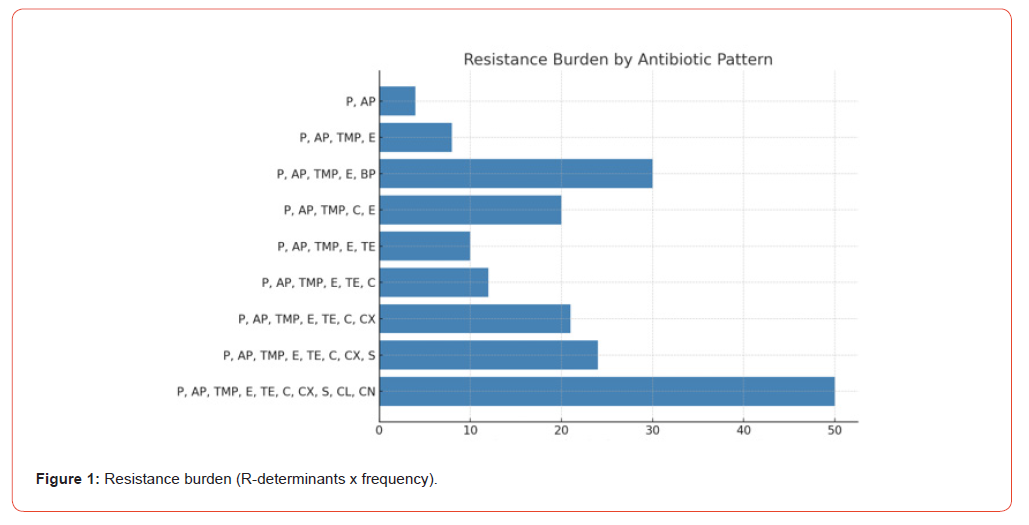
Table 1: Antibiotics used in susceptibility testing.

*= Oxoid Ltd, Britain; **= Leo Pharmaceutical Products, Denmark; ***= SDI, Samarra Drug Industry, Samarra, Iraq.
Table 1a: Frequency of antibiotic resistance patterns occurred twice or more among 40 strains of Staphylococcus aureus isolated from patients with caesarean wound.

*= AP, ampicillin; TE: tetracycline; S: streptomycin; C: chloramphenicol; E: erythromycin; CL: clindamycin; CX: cloxacillin; CN: gentamicin; Fu: Fucidin; RF: rifampicin; BP: benzathine penicillin; F: nitrofurantoin; TMP: trimethoprim.
Staphylococci of inpatients showed four resistance patterns which were different from the single pattern of outpatients strains as shown in Table 2. The present study analysis revealed that 50% of Inpatients showed a higher burden of recurring resistance compared to 11.1% of Outpatients. More complex and multiply resistance patterns with 10 drugs was seen in inpatients only whereas Outpatients had only one recurring 8-drug resistance pattern. The plot (Figure 2) clearly highlights that multidrug resistance was more diverse and frequent in inpatients, suggesting stronger antibiotic selection pressure in hospital settings.
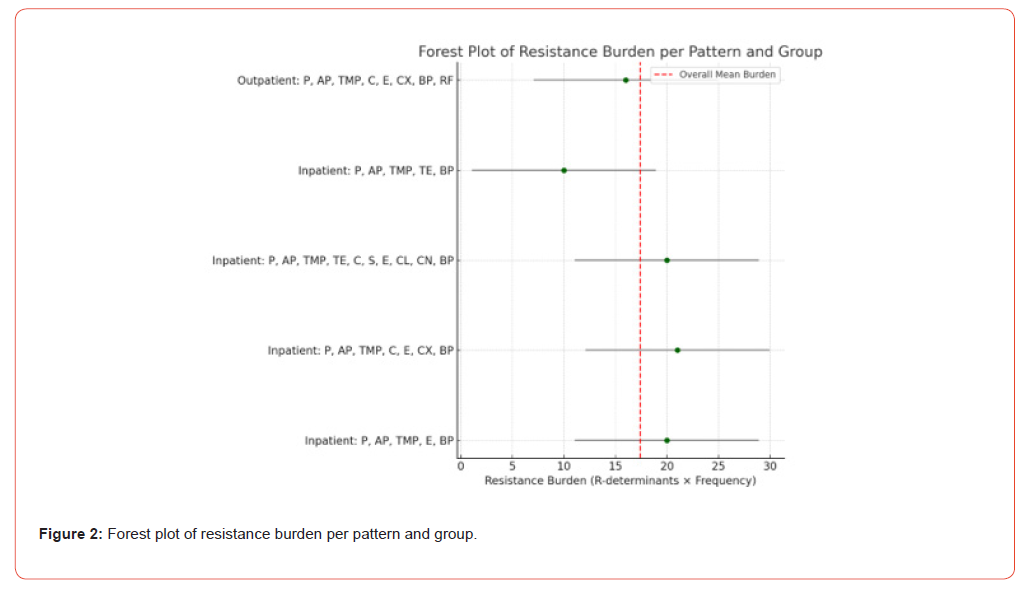
Table 2: Resistance Pattern Statistics.

Table 2a: Frequency of antibiotic resistance patterns occurred twice or more among 40 strains of Staphylococcus aureus isolated from the two groups of patients with caesarean wound.

*= AP, ampicillin; TE, tetracycline; S, streptomycin; C, chloramphenicol; E, erythromycin; CL, clindamycin; CX, cloxacillin; CN, gentamicin; Fu, Fucidin; RF, rifampicin; BP, benzathine penicillin; F, nitrofurantoin; TMP, trimethoprim.
The degree of association between antibiotic resistance
The degree of association between antibiotic resistance among 40 strains of Staphylococcus aureus was studied. Table 3 shows the shared resistance between pairs of antibiotics tested. It was seen that there were large numbers of strains resistant to pairs of antibiotics even of different antibiotic groups e.g. benzathine penicillin and ampicillin, ampicillin and trimethoprim. Both nitrofurantoin and Fucidin showed no shared resistance with any of the antibiotics used. The present study revealed that CX, CN, FU, RF, F, P drugs had low to negligible individual resistance, but show up in some combinations. Whereas some pairwise associations like CX–CN = 3 or RF–CN = 1 suggested sporadic or possibly horizontal gene transfer cases. The present work showed that the Phenotypic resistance was most prevalent for TMP and E, and strains resistant to one are highly likely to resist others like BP and P. The present study showed that there may be a multi-drug resistance (MDR) pattern involving TMP, BP, P, and E, but no resistance observed for FU, F, indicating these might still be effective treatment options. The present study revealed that CX, CN, FU, RF, F, P drugs had low to negligible individual resistance, but show up in some combinations. Whereas some pairwise associations like CX–CN = 3 or RF–CN = 1 suggested sporadic or possibly horizontal gene transfer cases. The present work showed that the Phenotypic resistance was most prevalent for TMP and E, and strains resistant to one are highly likely to resist others like BP and P. The present study showed that there may be a multidrug resistance (MDR) pattern involving TMP, BP, P, and E, but no resistance observed for FU, F, indicating these might still be effective treatment options.
Table 3: Matrix showed the association between phenotypic resistance to pairs of antibiotics among the 40 strains of Staphylococcus aureus isolated from patients with caesarean wound.

Matrix showed the association between phenotypic resistance to pairs of antibiotics among the 40 strains of Staphylococcus aureus isolated from patients with caesarean wound.
The present study showed that the percentage matrices were not symmetrical as determined by the considered resistance e.g. 11.1% percent of strains resistant to penicillin G were resistant streptomycin, while 100 percent of strains resistant to streptomycin were resistant to penicillin G. It was also found that 22.2 % of strains resistant to tetracycline were resistant to clindamycin, but 80% of strains resistant to clindamycin were resistant to tetracycline (Table 4). Meta-analysis showed that the fixed effects model assumes all studies (drug pairs) share the same underlying resistance rate. The random effects model allows for variability across drug combinations and shows a lower pooled estimate due to high heterogeneity. The Tau² value (~0.24) indicated a moderate between study variation, which justified using the random effects model. The forest plot showing the resistance estimates for each antibiotic pair (Figure 3).
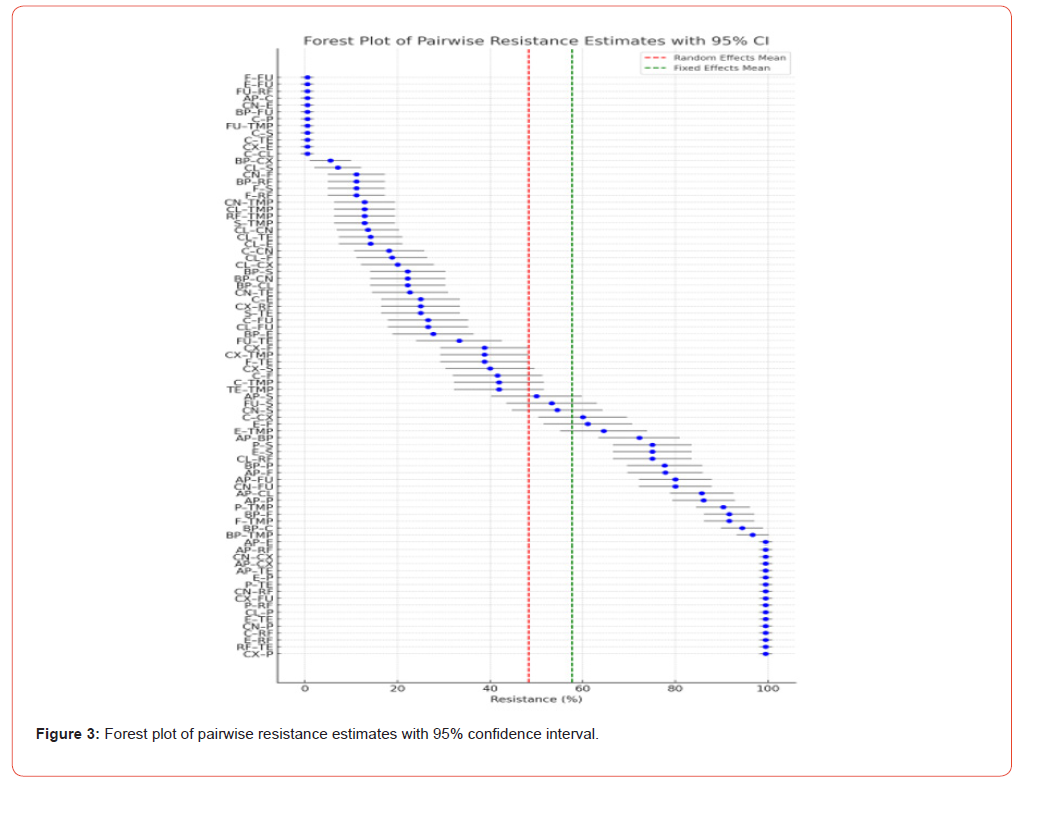
Table 5 shows a strong association between pairs of resistance to many antibiotics used. Other resistance appeared stand out as being close to independence e.g. penicillin with trimethoprim and clindamycin with gentamicin. Figure 4 shows that most points cluster near the mean, but a few like S, RF and BP stood out with high χ², suggesting strong co-resistance patterns. The present analysis of data in Table 5 did not show severe asymmetry was visible indicating no clear bias in association distribution.
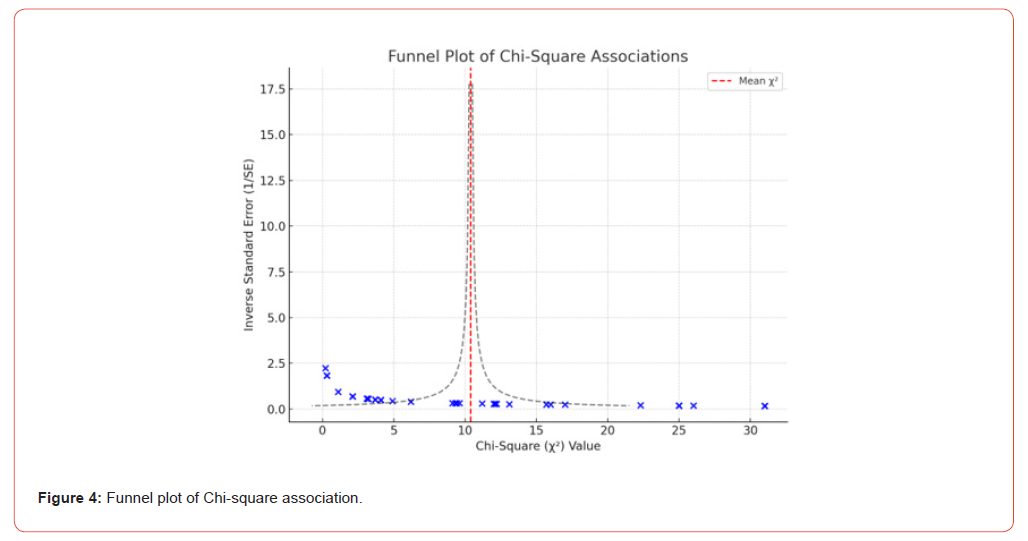
Table 4: The percentage matrix showing the results as percentage of the total number of Staphylococcus aureus strains resistant to each antibiotic.

*= P, penicillin G; AP, ampicillin; TE, tetracycline; S, streptomycin; C, chloramphenicol; E, erythromycin; CL, clindamycin; CX, cloxacillin; CN, gentamicin; Fu, Fucidin; RF, rifampicin; BP, benzathine penicillin; F, nitrofurantoin; TMP, trimethoprim.
Table 5: Degree of association between pairs of antibiotics. The tabulated values are the contribution to X2 of the doubly resistant cell in each 2 x 2 table (40 strains of Staphylococcus aureus).

*= AP, ampicillin; TE: tetracycline; S: streptomycin; C: chloramphenicol; E: erythromycin; CL: clindamycin; CX: cloxacillin; CN: gentamicin; Fu: Fucidin; RF: rifampicin; BP: benzathine penicillin; F: nitrofurantoin; TMP: trimethoprim.
Discussion
Bacterial resistance to antibiotics and other chemotherapeutic agents is a phenomenon that has been known for many years [11,18]. In the present study, strains of S. aureus frequently showed shared resistance to pairs of antibiotics such as ampicillin and erythromycin, ampicillin and trimethoprim Table 3. The same resistance association was found by Macnil and his colleagues who found that strains of methicillin-resistant S. aureus isolated from Australian teaching hospitals frequently showed resistance to many other antibiotics [20]. The result of present study showed that resistance is frequently multiple and that cross-infection in the hospital plays an important role in the resistance of microorganisms to antibiotics. Furthermore, nitrofurantoin and Fucidin were two effective drugs and showed no shared resistance with any antibiotic used. This is possibly due to absence of genetic markers to be combined with those responsible for resistance of other antibiotics [21]. The percent of resistance to pairs of antibiotics was not symmetrical as shown in Table 4, e.g. resistance between penicillin G and streptomycin. In general, other similar findings were found elsewhere [22,18]. Richardson and Marples found the same finding among isolates of S. epidermidis [23]. The common mechanism by which bacteria become resistant to antibiotics is the modification of the antibiotic’s target like penicillin-binding proteins (PBPs) which leads to resistance to β-lactam drugs [24]. The mechanism of resistance reflects the amount of drug that can combine to the target is affected by changes in the number of PBPs [20]. A structural modification e.g. the development of the mecA gene in S. aureus will decrease or might completely prevent drug binding to the target [25]. The methylase of the erythromycin ribosome (erm) gene family, will methylate 16S rRNA and changes the drug-binding site leads to resistance to macrolides, streptogramins, and lincosamines due binding prevention with them [26]. Resistance mediated by changes in DNA gyrase or topoisomerase IV leads to inactivation of fluoroquinolones by inhibit nucleic acid synthesis. These mutations lead to the composition change of gyrase and topoisomerase to reduce or exclude the drug’s ability to link to these components [27-30].
It is noticeable that there was a strong association between pairs of resistance to many antibiotics used. Other resistance appeared to stand out as being close to independence i.e penicillin G with trimethoprim , clindamycin with gentamicin (Table 5). Fidalgo et al. found that there was an association between erythromycin and clindamycin resistance among isolates of S. aureus, the so-called macrolises-lincosamides resistance but no relationship between methicillin and macrolide-lincosamide resistance was observed [13]. In the present study, there was a strong association between the resistance to streptomycin and erythromycin. In contrast, Al-Ani found a weak relationship between the resistance to the same antibiotics among strains of S. aureus in Mosul city [1]. Moreover, the association in antibiotic resistance in the present study is partially similar in some combinations to that found by others [1,13]. The association between pairs of resistance to many antibiotics might be explained by presence of resistance to one antibiotic induces the organism to resist another antibiotic from the same group even if not exposed to it, this is known as cross-resistance. In addition, presence of multiple antibiotic resistance at the same time might be due to the presence of multiple R-determinants on the same plasmids carried by the organism [17,10]. It is natural for bacteria to develop antibiotic resistance which is encoded by the antibiotic resistance genes (ARGs) which is not more than production of billions of years of evolution. It has been found that bacteria living in the environment already possess ARGs which are responsible for resistance to newly approved antibiotics before using of these drugs [13]. Inherited structural and / or physiological properties lead to intrinsic resistance to antibiotics. These functional properties including efflux to actively eliminate antibiotics from bacterial cells which entered through porin which is the mechanism by which the antibiotics unable to pass the outer membrane and by this mechanism cannot reach the target site [13,25].
It has long been known that the synthesis of many staphylococcal exoproteins, including virulence factors, is inhibited by subinhibitory concentrations of antibiotics whose mode of action is to block protein synthesis. In the present study, sub-MIC concentrations of gentamicin inhibited virulence factor expression by S. aureus isolates, as demonstrated by a significant decrease in five virulence factors (alpha-hemolysin, beta-hemolysin, delta-hemolysin, coagulase, and DNase) production by these isolates. Similar result found by Gemmell and Ford [8] who estimated that Sub-MIC concentrations of linezolid led to a significant decrease in toxin and enzyme production by S. aureus and S. pyogenes. Also, exposure to linezolid at concentrations below the MIC potentiated susceptibility of S. aureus and Streptococcus pyogenes to opsonophagocytosis by human neutrophils [14].
Conclusion
Beta-lactams like penicillin, ampicillin, and benzathine penicillin dominated resistance patterns. Trimethoprim (TMP) was also commonly involved. Multiply resistance was common with combinations involving up to 10 antibiotics in a single strain. The present study clearly highlights that multidrug resistance was more diverse and frequent in inpatients compared to outpatients isolates, suggesting a stronger antibiotic selection pressure in hospital settings. The present data revealed that there may be a multi-drug resistance (MDR) pattern involving trimethprim, benzathine penicillin, penicillin, and erythromycin, but no resistance observed for fusidin and nitrofurantoin, indicating these might still be effective treatment options. 11.1% of strains resistant to penicillin G were resistant streptomycin, while 100 percent of strains resistant to streptomycin were resistant to penicillin G. It was also found that 22.2 % of strains resistant to tetracycline were resistant to clindamycin, but 80% of strains resistant to clindamycin were resistant to tetracycline. The present analysis of data did not show severe asymmetry was visible indicating no clear bias in association distribution.
Acknowledgement
The authors extend their appreciation to the Department of Scientific Research at University of Tikrit for funding this work.
Statement of Ethics
All the procedures involving human participation were conducted in strict accordance with ethical standards of Institutional Research Committee, Department of Scientific Research, Tikrit University as well as the 1964 Helsinki Declaration and its subsequent amendments or equivalent ethical norms.
Data Availability Statement
The data that support the findings of this study are available from the corresponding author upon reasonable request.
Conflict of Interest Statement
The author declares that he has no conflicts of interest, financial or otherwise.
Funding Sources
The author extends his appreciation to the Department of Scientific Research of University of Tikrit.
Financial disclosure
The authors declared that this study did not receive any financial support.
Author contributions
Mohemid Maddallah Al-Jebouri, suggested the protocol, reading, correction and supervision of the study; Hana Salman Al- Bayati, collection and analyses of data and manuscript draft writing.
References
- Al-Jebouri MM, Sharif AY, Abdulla BA (1988) The prevalence of antibiotic resistance among three nosocomial pathogens isolated from the maternity teaching hospital in Ninevah. Iraqi Medical Journal 37: 97-101.
- Al-Jebouri MM, Yehia MM (1988) Contamination of hospital disinfectants with antibiotic-resistant bacteria. Iraqi Medical Journal 37: 128-132.
- Bonazzetti C, Rocchi E, Toschi A, Derus NR, Sala C, Pascale R, et al. (2025) Artificial Intelligence model to predict resistances in Gram-negative bloodstream infections. npj | digital medicine. npj Digital Medicine 8: 319.
- Al-Jebouri MM (2023) Modellings of Infectious Diseases and Cancers under Wars and Pollution Impacts in Iraq with Reference to a Novel Mathematical Model and Literature Review. Open J Path 13(3): 126-139.
- Al-Jebouri MM (2024) Impact of sublethal disinfectant exposure on antibiotic resistance patterns of Pseudomonas aeruginosa. Medical Principles and Practice 13: 1-9.
- Pallett SJC, Morkowska A, Woolley SD, Potochilova VV, Rudnieva KL, et al. (2025) Evolving antimicrobial resistance of extensively drug-resistant Gram-negative severe infections associated with conflict wounds in Ukraine: an observational study. The Lancet Regional Health - Europe 52: 101274.
- Pallett SJC, Boyd SE, O’Shea MK, Martin J, Jenkins DR, et al. (2023) The contribution of human conflict to the development of antimicrobial resistance. Community Medicine 3(1): 153.
- Stein C, Zechel M, Spott R, Pletz MW, Kipp F (2023) Multidrug-resistant isolates from Ukrainian patients in a German health facility: a genomic surveillance study focusing on antimicrobial resistance and bacterial relatedness. Infection 51(6): 1731-1738.
- World Health Organization. Antimicrobial resistance surveillance in Europe 2023-2021 data.
- Al-Jebouri MM (1989) The effect of sublethal concentrations of disinfectants on antibiotic resistance pattern of Pseudomonas aeruginosa. Journal of Hospital Infection 14: 14-19.
- Russell AD (1985) The role of plasmids in bacterial resistance to antisepticsdisinfectants and preservatives. Journal of Hospital Infection 6: 9-19.
- Gao W, Chua K, Davies JK, Newton HJ, Seemann T, et al. (2010) Two novel point mutations in clinical Staphylococcus aureus reduce linezolid susceptibility and switch on the stringent response to promote persistent infection. PLoS Pathogens 6: e1000944.
- Neill J (2016) Review on antimicrobial resistance: tackling a crisis for the health and wealth of nations pp. 1-16.
- Al-Jebouri MM, Jafar NA (2013) Neutrophilia-inducing deferoxamine in mice infected with Staphylococcus aureus. Open Journal of Pathology 3(2): 99-106.
- Long KS, Poehlsgaard J, Kehrenberg C, Schwarz S, Vester B (2006) The Cfr rRNA methyltransferase confers resistance to phenicols, lincosamides, oxazolidinones, pleuromutilins, and streptogramin A antibiotics. Antimicrobial Agents and Chemotherapy 50: 2500-2505.
- Lerminiaux NA, Cameron ADS (2019) Horizontal transfer of antibiotic resistance genes in clinical environments. Journal of Microbioliology 65: 34-44.
- Towner KJ, Wise PT (1988) The role of R-plasmid and transposons in the spread of trimethoprim resistance in England. 13th International Congress of Chemotherapy. Vienna (separatum).
- Al-Jebouri MM, Al-Rahaley IM (1991) An assessment of antibiotic resistance and resisto typing of Escherichia coli from stool of infants.VII Mediterranean Congress of Chemotherapy, Barcelona, Spain Proceedings Gomes Lus R, Cocuzza G (Eds.), Journal of Chemotherapy (Supl.4) (3):119-121.
- Bauer AW, Kirby WMW, Sherris JS, Turk M (1966) Antibiotic susceptibility testing by a standardized single disc method. American Journal of Clinical Pathology 45: 493-496.
- Reynaga E, Navarro M, Vilamala A, Roure P, Quintana M, et al. (2016) Prevalence of colonization by methicillin-resistant Staphylococcus aureus ST398 in pigs and pig farm workers in an area of Catalonia, Spain. BMC Infectious Diseases 16: 716.
- Haaber J, Leisner JJ, Cohn MT, Catalan Moreno A, Nielsen JB, et al. (2016) Bacterial viruses enable their host to acquire antibiotic resistance genes from neighbouring cells. Natural Community 7: 13333.
- D'Costa VM, King CE, Kalan L, Morar M, Sung WWL, et al. (2011) Antibiotic resistance is ancient. Nature 477: 457-461.
- Richardson JF, Marples RP (1982) Changing resistance to antimicrobial drugs and resistance typing in clinically significant strains of Staphylococcus aureus. Journal of Medical Microbiology 15: 475-484.
- Uddin TM, Chakraborty AJ, Khusro A, Zidan RM, Mitra S, et al. (2021) Antibiotic resistance in microbes: History, mechanisms, therapeutic strategies and future prospects. Journal of Infection and Public Health 14(12): 1750-1766.
- Scanlan PD (2017) Bacteria-bacteriophage coevolution in the human gut: implications for microbial diversity and functionality. Trends of Microbiology 25: 614-623.
- Chen J, Quiles Puchalt N, Chiang YN, Bacigalupe R, Fillol Salom A, et al. 2018) Genome hypermobility by lateral transduction. Science 362: 207-212.
- Yang Y, Shi W, Lu SY, Liu J, Liang H, et al. (2018) Prevalence of antibiotic resistance genes in bacteriophage DNA fraction from Funan River water in Sichuan, China. Scientific Total Environment 626: 835-841.
- Al-Jebouri MM, Al-Bayati HS (2025) Incidence of surgical site infection following caesarean section and its associated factors in a Tikrit Teaching Hospital, Iraq. The Current Medical Research and Opinion 08(8): 4426- 4437.
- Al-Jebouri MM, Yasin NA (2025) Effect of Helium/ Neon Laser Radiation, Sodium Hypochlorite, and Other Selected Disinfectant Combinations on the Killing of Disinfectant- Resistant Staphylococcus aureus Isolated from Wounds. Open Journal of Pathology 15: 177-195.
- Al-Jebouri MM, Kaki MNM (2025) Application of Matrices Modelling for Infectious Diseases of Humans. Open Journal of Applied Sciences 15: 2733-2758.
-

This work is licensed under a Creative Commons Attribution-NonCommercial 4.0 International License.




