



 Research Article
Estimation of Selected Immunological Parameters and their Interactions among Ramadan Fasting Displaced Iraqi
1 Department of Medical Laboratory Technology, University of Al-Qalam, Kirkuk, Iraq
2 Department of Microbiology, College of Medicine, University of Tikrit, Tikrit, Iraq
Received Date: December 02, 2025; Published Date: December 12, 2025
Abstract
Background: This study aims to determine the possible effect of Ramadan fasting on some immunological aspects among displaced Iraqi people
in Harsham Camp of Erbil and to detect the difference between fasting and non – fasting groups.
Methodology: The study included 100 samples in this study from both genders, who were 34 males and 66 females. Their age ranging from 18
to 77 years. The study was performed on 50 normal healthy fasting and 50 normal healthy non fasting individuals in the month of Ramadan (June
-July, 2015). Blood samples were obtained at two occasions of the study; and both were recorded at baseline of eighteen days (D18) to twenty-five
days of fasting during Ramadan (D25) and after ten days of the end of the month of Ramadan (D10) in order to evaluate the effect of Ramadan fasting
on these parameters.
Results: There was a slight decreasing in IL-6, TNF-a, total serum protein, albumin and globulin in normal healthy fasting which were
nonsignificant differences (P > 0.05).
Conclusion: A slight elevation in IgA, IgM and IgG levels in normal healthy fasting compared to normal healthy non-fasting individuals were
observed.
Keywords: Displacement; Ramadan; Fasting; Immunity; Iraqi’s
Introduction
Fasting during the holy month of Ramadan, one of the lunar months of the Islamic calendar, is one of the major obligations for all adult Muslims. It involves refrain from eating, drinking and sexual intercourse to achieve self-control and body purification. Ramadan with its special features leads to certain changes in lifestyle. The amount of food and water consumed per person declines, the number of meals per day drops, and thus daily physical activities and sleep cycle alter [1]. Certain food components and increased fat consumption accounts for approximately 36 percent of the required energy for the body is provisioning from the consumption of polyunsaturated fatty acids [2]. As a result, in the first week of Ramadan, the response is an outcome of multiple metabolic disorders. However, within the last week of the month the body reaches a level of compatibility [3]. In the fasting month of Ramadan, significant changes appear in lifestyle; for instance, there are fewer numbers of meals per day, shorter night sleep, reduced physical activity and increased overall exhaustion [4,5]. Most of the studies regarding the effects of Ramadan fasting on blood lipid profile have shown either no change or some slight decrease in total cholesterol and triglycerides [6,7]. A few studies have reported an increase in blood lipid levels [8]. However, most of the studies have shown some positive effects of Ramadan fasting on the plasma lipids and lipoproteins. Changes in feeding behavior during Ramadan have been reported to have some beneficial effects on serum apolipoprotein metabolism and can lower the risk of coronary artery disease [4,9].
El-Hazmi et al. reported an increase in serum total proteins and albumin whereas Aksunger et al. and Maislos et al. observed no changes in serum proteins as a result of Ramadan fasting [10- 12]. The variability in results could be attributed to a number of factors such as differences in study protocols, choice of sampling, nutritional and socioeconomic status of study subjects, diurnal variations, dietary habits and customs, geographical location, as well as seasonal and climatic differences in the month of Ramadan. The present study was conducted to evaluate the impact of Ramadan fasting on the levels of certain types of cytokines, measurement certain f IgA, IgM and IgG, protein like albumin and globulin to consider the case of fasting and compare different clinical characteristics of fasting and non-fasting during the month of Ramadan. TNF-a is believed to play roles in antitumor activity, immune modulation, inflammation, anorexia, cachexia, septic shock, viral replication and hematopoiesis. TNF-a is expressed in many types of cells but primarily in macrophage cells in response to immunological challenges such as bacteria (lipopolysaccharides), viruses, parasites, mitogens and other cytokines. Migration and displacement are processes of social change during which a person moves from one cultural setting to another in order to settle for a longer period of time or permanently.
People may migrate from rural to urban areas, between neighboring countries or over longer distances; migration, therefore covers a broad variety of processes [13]. Migrants can be defined in various ways, e.g., as internally displaced, asylum seekers, refugees, or immigrants [14]. It is difficult to distinguish between forced and voluntary migration; the reasons for migration often include both elements [15]. These massive movements of people often result in extremely high rates of mortality and morbidity, generally from unpreventable causes. A large body of information documents the inability of the international community to prevent high rates of suffering and death in virtually all refugee situations. The major causes of death in refugee settlements have been identified as undernutrition, measles, diarrhea, typhoid, pneumonia, and malaria [16,17]. The priority activities to address these causes of morbidity and mortality include the provision of adequate food, water, shelter, sanitation, and immunization. Migration and / or displacement might lead to pathophysiological, immunological, social as well as psycological disorders including infectious diseases, allergy and damaging of social structure. Typhoid fever is one of the infectious diseases associated with a harsh social as well as habitat change along with bad sanitary conditions due to mass displacement. Typhoid fever remains a major public health problem in the developing world, especially in developing countries of Asia [18-20].
Materials and Methods
Study design
This descriptive analytical study was conducted during all days the month of Ramadan and after the end of the month during June -July 2015 from displaced people to the city center of Erbil and camp Harsham. The study population consisted of 100 samples in this study from both genders, where 34 male and 66 female. Their age ranging from 18 to 77 years. The study was performed on 50 fasting and 50 non-fasting individuals.
Blood Sampling
Alcohol 70% was used to sterilize the area of blood aspiration from basalic vein in the anticubital fossa. Five ml blood sample was collected from all subjects (fasting and non-fasting) using disposable syringes and maintained in plane tube for the estimation of serum IgA, IgM, IgG, protein, albumin, globulin, IL-6 and TNF-α. The blood sample in tube was allowed to clot and then centrifuged at 3000 rpm for 15 minutes and the serum was aspirated into another plain tube and stored at -20 ̊C for further studies. All estimations were carried out according to manufacturer’s techniques followed elsewhere [21-23].
Results
Estimation of different immunological Parameters
The values estimated of serum IL-6, TNF-a, IgA, IgM, IgG, total serum protein, albumin and globulin concentrations according the gender during Ramadan are given in Table 1 & Figure 1. The gender did not show any significant difference concerning IL-6, TNF-a, IgA, IgM, IgG, total protein, albumin and globulin with respect to fasting (P > 0.05). IgA was significantly interacted with fasting during Ramadan and the P value was less than 0.05.
The correlation between different factors among fasting groups
The association between different parameters was tested among fasting groups, and the correlation was significantly affected (P < 0.05) among IgA with IgG which increased with increasing IgA in the fasting group and the 2-tailed model value was 0.325, but protein with albumin was significantly associated and the value of 2-tailed test was 0.481 at 0.01 level. The highest interaction was found between protein and globulin i.e. 0.813. Other correlations values were variable using 2-tailed statistical model as shown in Table 2.
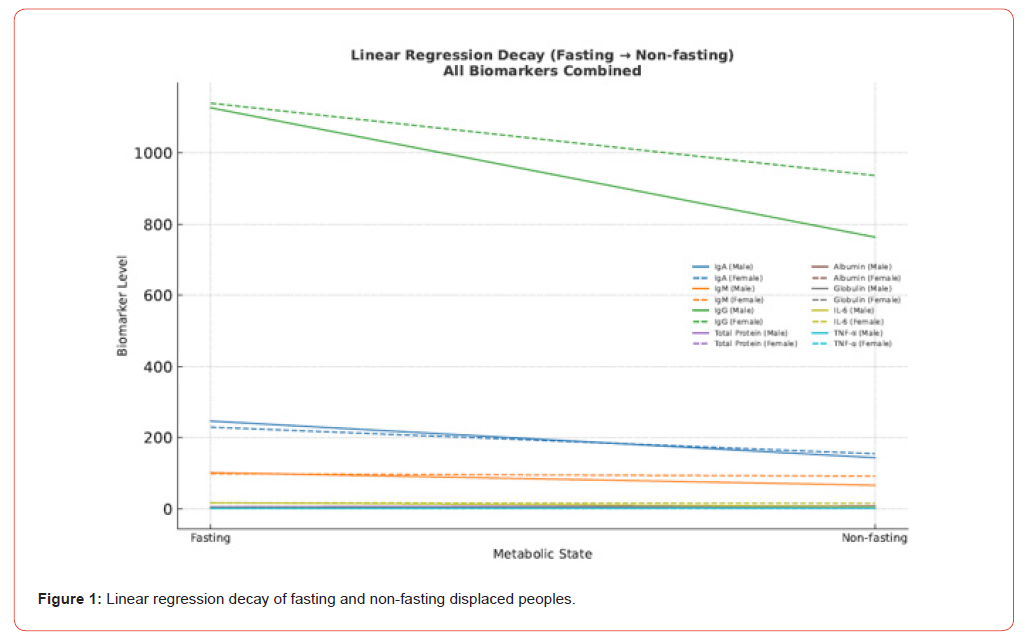
Table 1: Estimation of Parameters of fasting and non-fasting Groups

Table 2: The correlation between different factors among fasting groups.

The correlation between different factors among nonfasting group
The association between different variables among non- fasting group was carried out and the correlation was significant (P < 0.05) among IgA with IgG which increased with increasing IgA to be 0.359, and the association between protein with albumin was the highest, i.e. 0.970 showing a high interaction. The other interactions concluded were variables as shown in Table 3.
Table 3: The correlation between different factors among non-fasting group

Table 4: The correlation between different factors among total sample.

The correlation between different parameters among overall individuals tested
The association between different immunological parameters among fasting and non- fasting groups was collectively tested (Table 4). The correlation and interaction were highly significant (P < 0.05) among IgA and IgM, and IgA and IgG and the values were 0.197 and 0.493 respectively utilizing 2-tailed statistical test. The highest correlation was found between total protein and globulin of the sera tested and the value was 0.932 at 0.01 2-tailed level. The other interactions were statistically variables (Table 4).
Discussion
During the month of Ramadan, People may alter their sleeping habits and stay awake most of the night. Previous studies have reported conflicting results regarding the effect of Ramadan fasting on various immunological indices. The present study revealed different associations between different immunological variables estimated among fasting and non-fasting groups, i.e. the different parameters either reacted to fasting independently or in association with each other e.g. IgG increased significantly with increasing IgA in the fasting group and the 2-tailed test value was 0.325 which was significant (P ≤ 0.05). On the other hand, IgA was not associated with IL-6 and their pattern of change along with fasting was not significant using 2-tailed test (P ≥ 0.05). The present study was almost similar to that of Nagra et al. which showed irrespective of the gender, total serum protein and globulin correlated with the albumin were comparing the data on the level of serum total proteins, albumin and globulin indicated that the changes in serum proteins were mainly due to the changes in serum albumin [24]. Shaheen et al. noticed a correlated decrease in total protein and albumin in the initial two weeks of fasting which slightly increased in the last week. Some studies revealed IgA correlated with IgG, but IgM did not change [25]. Moreover, Develioglu et al. revealed no significant correlations between Ig levels and albumin concentrations. Both factors of fasting and sleep deprivation have an effect on immune system function and responses [26]. Debate is still ongoing regarding the benefits of fasting in relation to health and immunity [27].
Both the specific and nonspecific immune responses are affected by fasting and the effect is dependent on age 28 and nutritional status [29]. During fasting, the number of B lymphocytes was significantly decreased, but an increase was described after the refeeding period, which was suggested to promote Ig production and to contribute to the induction of immune function after meal absorption [28]. The effects on immune variables were attributed at least in part to changes in adrenal gland-related hormones [30,31]. Another study from Kirkuk, Iraq during the period 2001- 2004 with a sample size of 5055 had concluded that typhoid fever is highly distributed in Kirkuk city among normal citizens i.e. not displaced [32]. The World Health Organization was deeply concerned about the increasing cases of infectious diseases inside the Syria and among displaced Syrians in neighbouring countries of the middle east region. WHO warned that lacking of prevention measures will create a potential risk of outbreaks of infectious diseases including typhoid fever. Over the past two years since 2013, Syria’s health system has been severely disrupted and at least 35% of the country’s public hospitals are almost out of service, and in some governorates, up to 70% of the health workforce has fled, resulting in severe shortages in qualified health personnel, limiting availability for those in need of health care services. More than 4.25 million internally-displaced Syrians who have relocated to less volatile areas are mostly living in overcrowded and unsanitary conditions. Safe drinking water, safe sanitation, vaccination campaigns and vector control programmes were almost vanished increasing the risk of epidemics. WHO are anticipating a number of public health risks of catching water-borne diseases like hepatitis, typhoid, cholera and dysentery along with population movement both inside Syria and across borders, together with deteriorating environmental health conditions [21,33]. Acute watery diarrhea was reported in Syrian 14 governorates causing increased cases of typhoid in 2013 and the following years of the displacement. WHO warns of increased risk of disease epidemics in Syria and in neighbouring countries as summer approaches [34].
However, Contaminated and / or polluted water of rivers and drinking type would be a serious source of severe infections causing different types of diseases like wounds and gastrointestinal tract infections [35-37]. In a study conducted in Cameron by Fibuonu et al. they concluded that the risk factors for this disease can either household (typhoid) or household (paratyphoid) [38]. Many studies carried out previously have demonstrated an association between poor hygiene and carriers of Salmonella typhi among families who had children with typhoid fever. In Indonesia, it was found that poor hygiene was the most dangerous risk factor for distribution of typhoid fever [39]. In other Indonesian studies, lacking of soap for hand washing was seriously associated with typhoid fever [40]. Furthermore, crowded household conditions increased the risk of infections [41]. Typhoid fever remains an important public health problem in Cameroon and other similar African countries which have had the same public health problem. Therefore, understanding the risk factors of this illness is remains the primary goal of studies [42]. Other risks factors identified by Nioya et al. included a low level of education, poor hand hygiene, and poor knowledge concerning typhoid fever [43].
However, displacement experience in this large scale and millions of peoples were a new social attack for the specific Iraqi community and no relevant data are available for comparison. A study from Nigeria (which was about food vendors in primary school) showed that 54.6 % (N=174) with good knowledge about typhoid fever among food vendors in primary schools [44]. The Iraqi annual health reports issued by the Iraqi ministry of health reported that there are only 709 ,2030 and 1250 cases were reported in the years 2013,2014 and 2015 respectively [45-47]. A sharp decline in typhoid cases was documented from 2010 and 2009 by annual health in Iraq [48]. The mean serum level of IgG and IgM was increased with highly significance. The results reported in this study similar to the immunological data reported among patients with typhoid fever in India which showed a significant increase in the level of IgM in the patients of typhoid in all stages of infection as well as IgG specially in the third week of illness [49]. Complement 5a (C5a) was locally assessed for the first time in Iraq between patients with typhoid fever and the level of C5a was notably elevated in displaced patients of typhoid [21]. TNF-alpha was significantly increased in feverish typhoid patients of displaced peoples. The hematological changes are common in typhoid fever and these include anemia , leucopenia, eosinophilia, thrombocytopenia and sub-clinical disseminated intravascular coagulation. Bone marrow suppression and haemophagocytosis are considered to be an important mechanism in producing hematological changes [50-54]. Although most of our patients belonged to the lower and middle class. Typhoid fever involving the liver may have no features of hepatic involvement or may manifest as icterus, hepatomegaly, abnormal liver function tests and abnormal liver histology.
Conclusions
There was a non-significant association between fasting and serum IL-6 and serum TNF- α. It was also seen a significant association between fasting and serum protein, albumin and globulin level among study groups.
Statement of Ethics
All the procedures involving human participation were conducted in strict accordance with ethical standards of Institutional Research Committee, Department of Scientific Research, Tikrit University as well as the 1964 Helsinki Declaration and its subsequent amendments or equivalent ethical norms.
Conflict of Interest Statement
The author declares that he has no conflicts of interest, financial or otherwise.
Funding Sources
The author extends his appreciation to the Department of Scientific Research of University of Tikrit.
Financial disclosure
The authors declared that this study did not receive any financial support.
References
- Tayebi S, Hanachi P, Niaki A (2010) Ramadan fasting and weight-lifting training on vascular volumes and hematological profiles in young male weightlifters. Global Journal of Health Sciences 2: 160-166.
- Nomani MZA (1997) Dietary Fat, Blood cholesterol and Uric Acid Levels during Ramadan Fasting. International Journal of Ramadan Fasting Research 1(1): 1-6.
- Hakkou F, Tazi A, et al. (1994). Ramadan, health, and chronobiology. Chronobiology International 11(5): 340-342.
- Lamri-Senhadji MY, El Kebir B, et al. (2009) Assessment of dietary consumption and time-course of changes in serum lipids and lipoproteins before, during and after Ramadan in young Algerian adults. Singapore Medical Journal 50(3): 288-294.
- Waterhouse J, Alkib L, Reilly T (2008) Effects of Ramadan upon fluid and food intake, fatigue, and physical, mental, and social activities: a comparison between the UK and Libya. Chronobiology International 25(5): 697–724.
- Ziaee V, Razaei M, Ahmedinejad Z (2006) The changes of metabolic profile and weight during Ramadan fasting. Singapore Medical Journal 47: 409-414.
- Sultan HI, Al-Jebouri MM (2010) Pulmonary tuberculosis in Alzab district. Tikrit Medical Journal 16(1): 37-41.
- Gumaa KA, Mustafa KY, Mahmoud NA (1978) The effects of fasting in Ramadan. Serum uric acid and lipid concentration. British Journal of Nutrition 40: 573-581.
- Bener A, Hamad A, Fares A, et al. (2006) Is there any effect of Ramadan fasting on stroke incidence? Singapore Medical Journal 47: 404-408.
- El-Hazmi MAF, Al-Faleh FZ, Al-Mofleh IB (1987) Effect of Ramadan fasting on the values of hematological and biochemical parameters. Saudi Medical Journal 8: 171-176.
- Aksungar FB, Eren A, Ure S, et al. (2005) Effects of intermittent fasting on serum lipid levels, coagulation status and plasma homocysteine levels. Annals of Nutrition and Metabolism 49: 77-82.
- Maislos M, Abou-Rabiah Y, et al. (1998) Gorging and plasma HDL cholesterol - the Ramadan model. European Journal Clinical Nutrition 52: 127–130.
- Bopp CA, Brenner FW, Wells J, Strockbine NA (1999) Escherichia, Shigella, and Salmonella. Murray PR, Baron EJ, Pfaller MA, Tenover FC, Yolken RH (Eds.), Manual of clinical microbiology. 7th ed. Washington, D.C.: ASM Press, pp. 459–474.
- Thomas SL, Thomas SD (2004) Displacement and health. Br Med Bull 69: 115-127.
- Hjelde KH (1989) Critical perspectives on anthropological methods and theories in studies of sensitive and existential issues in migration and refugees'existence, Oslo: NAKMI.
- (1989) Centers for Disease Control. Nutritional status of Somali refugees–Eastern Ethiopia. MMWR. 38: 455-456.
- (1988) Georgetown University Center for Immigration Policy and Refugee Assistance the Georgetown Decla-ration on Health Care for Displaced Persons and Refugees: Conclusions on Progress, Problems and Priorities. Washington DC, USA.
- Lin FY, Vo AH, Phan VB, Nguyen TT, Bryla D, et al. (2000) The epidemiology of typhoid fever in the Dong Thap province, Mekong Delta Region of Vietnam. Am J Trop Med Hyg 62: 644-648.
- Siddiqui FJ, Rabbani F, Hasan R, Nizami SQ, Bhutta ZA (2006) Typhoid fever in children: some epidemiological considerations from Karachi, Pakistan. Int J Infect Dis. 10: 215-222.
- Sinha A, Sazawal S, Kumar R, Sood S, Reddaiah VP, et al. (1999) Typhoid fever in children aged less than 5 years. Lancet. 354: 734-737
- Al-Jebouri MM, Mahdi DS (2025) An assessment of immunological parameters associated with typhoid fever among displaced Iraqi patients. World Journal of Pharmacy and Pharmaceutical Sciences 14(11): XXX–XXX.
- Al-Jebouri MM, Kaki MNM (2025) Application of Matrices Modelling for Infectious Diseases of Humans. Open Journal of Applied Sciences 15: 2733-2758.
- Al-Jebouri MM, Ali BM Ali (2017) Polymerase chain reaction and Quanti FERON enhance acid-fast bacillus stain-based rapid detection of Mycobacterium tuberculosis isolated from displaced Iraqi patients. Global Advanced Research Journal of Medicine and Medical Sciences. 6(4): 071-074.
- Nagra SA, et al. (2011) Effect of Ramadan fasting on serum protein concentration in male and female university students. Canadian Journal of Applied Sciences 1(2): 29-42.
- Shaheena K, Quazi SA, et al (2012) Effect of Islamic Fasting on Lipid Profile, Total Protein and Albumin on Healthy Muslim Male Subjects of Shri Ram Murti Smarak Institute of Medical Sciences, Bareilly, Uttar Pradesh. National Journal of Medical Research 2(4): 407-410.
- Develioglu ON, Kucur M, et al. (2013) Effects of Ramadan fasting on serum immunoglobulin G and M, and salivary immunoglobulin A concentrations. Journal of Internal Medical Research 41: 463-472.
- Varady KA, Hellerstein MK (2007) Alternate-day fasting and chronic disease prevention: a review of human and animal trials. American Journal of Clinical Nutrition 86: 7–13.
- Al-Jebouri MM (2024) Impact of sublethal disinfectant exposure on antibiotic resistance patterns of Pseudomonas aeruginosa. Medical Principles and Practice 34(2): 172-178.
- McMurray R, Bradsher R, et al. (1990) Effect of prolonged modified fasting in obese persons on in vitro markers of immunity: lymphocyte function and serum effects on normal neutrophils. American Journal of Medical Science 299: 379–385.
- Komaki G, Kanazawa F, et al. (1997) Alterations in lymphocyte subsets and pituitary-adrenal gland-related hormones during fasting. American Journal of Clinical Nutrition 66: 147–152.
- Al-Jebouri MM (1989) The effect of sublethal concentrations of disinfectants on the antibiotic resistance patterns of Pseudomonas aeruginosa. Journal of Hospital Infection 14: 14-19.
- Ebrahim RM (2010) Seasonal variation of typhoid fever in kirkuk city.Al-Taqani 23(5): 94-98.
- Al-Jebouri MM (2023) Modellings of Infectious Diseases and Cancers under Wars and Pollution Impacts in Iraq with Reference to a Novel Mathematical Model and Literature Review. Open Journal of Pathology 13(3): 126-139.
- Mahjour J (2013) WHO warns of increased risk of disease epidemics in Syria and in neighbouring countries as summer approaches, WHO Office for the Eastern Mediterranean.
- Al-Jebouri MM, Edham MH (2012) An Assessment of Biological Pollution in Certain Sector of Lower AL-Zab and River Tigris Waters Using Bacterial Indicators and Related Factors in Iraq. 2012Journal of Water Resource and Protection 4(01): 32-38.
- Al-Jebouri MM, Rasheed BY (2019) Estimation of Cytokines Involved in Acute-Phase Wound Infection with Reference to Residence Time of Patients in Hospitals. Modern Research in Inflammation 8(01):1-10.
- Al-Jebouri MM (2024) Impact of sublethal disinfectant exposure on antibiotic resistance patterns of Pseudomonas aeruginosa. Medical Principles and Practice 13: 1-9.
- Njoya HF, Awolu MM, Christopher TB, Duclerc JF, Ateudjieu J, et al. (2021) Prevalence and awareness of mode of transmission of typhoid fever in patients diagnosed with Salmonella typhi and paratyphi infections at the Saint Elisabeth General Hospital Shisong, Bui Division, Cameroon. Pan African Medical Journal 40(83).
- (2014) Iraq annual statstical report. Baghdad, Iraq Ministry of health.
- (2015) Iraqi annual statstical report. Baghdad, Iraq Ministry of health/environment. Iraq annual statistical report. Baghdad, Iraq Ministry of health.
- Tandel K, Kumar M, Shergill SPS, Sahai K, Gupta RM. (2018) Molecular characterization and phylogenetic analysis of Chikungunya virus from Delhi, India. Med J Armed Forces India 75(3): 266-273.
- Njoya HF, Awolu MM, Christopher TB, Duclerc JF, Ateudjieu J, et al. (2021) Prevalence and awareness of mode of transmission of typhoid fever in patients diagnosed with Salmonella typhi and paratyphi infections at the Saint Elisabeth General Hospital Shisong, Bui Division, Cameroon. Pan African Medical Journal 40(83).
- Afolaranmi T, Hassan Z, Bello D (2015) Knowledge and practice of food safety and hygiene among food vendors in primary school in jos, plateau state, north central Nigeria. J Med Res 4(2):16-22
- (2013) Iraq annual statistical report. Baghdad, Iraq ministry of health.
- (2014) Iraq annual statistical report. Baghdad, Iraq ministry of health.
- (2015) Iraqi annual statistical report. Baghdad, Iraq ministry of health/environment.
- (2010) Iraq annual statistical report. Baghdad, Iraq ministry of health.
- Singh S, Sareen KN, Goedde HW (1974) Investigation of some biochemical genetic markers in four endogamous groups from Panjab (N. W. India). I. Protein and enzyme polymorphisms in serum. Humangenetik 21(4): 341-346.
- Al-Jebouri, MM, Al-Jumaily SA (2004) A study on the typhoid and paratyphoid fever among children of Sharkat district in Iraq. Tikrit Med J 10: 24-27.
- Al-Jebouri MM (2024) Clinical Immunology and Allergy.1st edn. Peramerd Publishing Company, Sulaymania, Iraq, pp. 514.
- Al-Jebouri MM, Kaki MN (2025) Mathematical Considerations for the Infectious Infertility of Male in Iraq. World Journal of Public Health 10(4): 449-445.
- Dawood AA (2024) Incidence of typhoid fever in Nineveh province from 2018-2022. Cam and Sakura Med J 14(3): 95-99.
- Al-Jebouri MM, Al-Obaidy HS (1997) Providine-iodine as a new lethal photosensitizer for killing of Staphylococcus aureus of wounds by light from a helium/neon laser. Proceedings of First Scientific Conference of College of Science 1: 239-250.
- Al-Jebouri MM (2015) A regional study on the infertility of Iraqi males under war impact from 1980 to 2013. World Journal of Pharmaceutical Research 4(5):497-50
-

This work is licensed under a Creative Commons Attribution-NonCommercial 4.0 International License.




