



 Research Article
Prediction of the radiological impacts affecting the endanger Mediterranean Sea turtle specie (Chelonia mydas) by using RESRAD BIOTA Code
Received Date:September 13, 2025; Published Date:September 24, 2025
Abstract
Sea turtle’s bio-accumulate anthropogenic radionuclides (235U, 236U) in their shell Scute keratin, this approach provides the ability to reconstruct nuclear contamination histories, where green turtles, are showing an important role in healthy marine ecosystems. Turtles are useful in tracing nuclear activities because of the specific characteristics of how their shells grow. Marine sea water samples were collected from the inshore of the Egyptian Mediterranean Sea. Different natural radionuclides 238U, 232Th series and 40K were measured in the marine collected samples, by using well calibrated gamma spectrometry based on hyper-pure germanium (HPGe) detectors. The study results showed that in case of aquatic animals, all the calculated internal and external DCF values were below the Derived Concentration Technical Standard limits which was ≤1 rad/day (10 mGy/d). On the other hand, all the calculated Biota Concentration Guide (BCG) values calculated, for both Th232 and U-238 for all the studied sites are less than the recommended BCG Guides by using RESRAD BIOTA code, which indicated that there are no radiological risk which may affect the Egyptian marine green turtle at the selected studies sites. The study will recommend the building of new aquarium region for conserving the different aquatic living organisms, found at Ras El-hekma region, including various fish species, coral reefs, and other invertebrates, and in special case the green turtles, using suitable ecological methods for feeding it, beside other specific examples include reef sharks, which are commonly seen on reefs in the region.
Keywords:Marine turtle; RESRAD BIOTA; radiological impacts; endangered species
Introduction
Marine pollution (chemical & radioactive) is one of the major threats affecting the marine turtles, due to the long-life span of different marine turtles, and their carnivorous diet, as the result they may be exposed to different elevated levels of toxic and radioactive elements throughout their life. Many studies showed that the green sea turtles are one of seven species of sea turtles (Chelonians), which characterized by their largest hard-shelled sea, where their scientific name is Chelonia mydas. Many reports, [1], showed that the green turtle is playing a significant role in global warming mitigation, as during their grazing process on sea grass beds they prevent overgrowth, benefiting other marine animals. These sea grass beds sequester significant amounts of carbon dioxide from the atmosphere, resulting in mitigation of climate change. All species of sea turtles are now classified as endangered, with three of the seven existing species classified as critically endangered. It was reported that their size varies between about 0.9 to 1.2 meters (3 to 4 feet) long, they weight about 20 to 158 kilograms, and have distinctive coloring with dark brown, grey, or olive-green shells and lighter yellow or white undersides [2,3].
Many studies showed that the green turtles are endangered due to threats of habitat destruction, fishing by catch, and poaching, leading to extensive conservation efforts to protect their populations and nesting sites [4]. Many reports showed green sea turtles (Chelonians) could be used as indicator for nuclear exposures or nuclear accidents being occurred in area where it lives, its shell grow scute keratin in sequential layers over time. Once formed, scute keratin acts as an inert reservoir of environmental information, where their scute has the potential to act as a time- stamped record of radionuclide contamination in the environment. Many studies showed that chelonians bioaccumulation uranium radionuclides and do so sequentially over time. This technique provides both a time series approach for reconstructing nuclear histories from significant past and present contexts throughout the world and the ability to use chelonians for long-term environmental monitoring programs [5]. Many studies showed that turtles are useful in tracing nuclear activities because of the specific characteristics of how their shells grow.
There are many problems which threat these marine animals such as, ocean pollution (radiation), entanglement in fishing gear, consumption and illegal trade of eggs, meat, and shells and global climate change Amato. Many studies showed that a disease now killing many sea turtles (fibro papillomatosis) may be linked to pollution in the oceans and in near shore waters. It was observed that marine green sea turtle (Chelonia mydas) which found in the Mediterranean coastal line of Egypt (Marsa Matrouh) infected with this (fibro papillomatosis) disease which causes benign tumors that can grow larger enough to inhibit sight, mobility and foraging [6,7]. In general pollutants (chemical, radioactive) can disrupt sea turtle immune systems and lead to difficulty eating, reproductive issues and changes in behavior. In some cases, exposure can lead to death if pollutants leach into the sea turtle’s tissues and internal organs [8- 10]. Many studies evaluate different radiological and chemical risks being threat the marine biota were being detected by different tools as RESRAD-BIOTA and ERICA codes [11].
RESRAD BIOTA version 1.2 is defined as a radiological risk evaluating code which is being recommended to evaluate the bioaccumulation factor of different radionuclides in marine biota, this code will be very effective to evaluate the radiological risks facing the green aquatic turtle at its environment [12]. Many reports showed that RESRAD BIOTA is consists of a three-step process, The three-step process includes: (a) assembling environmental radionuclide concentration data and general knowledge of sources, receptors, and routes of exposure for the area to be evaluated; (b) applying a general screening methodology; and (c) conducting analysis through site-specific screening, site-specific analysis, or an actual site-specific biota dose assessment within an ecological risk framework, if needed The focus of this paper is on the general and site-specific screening elements of the graded approach, [13]. On other hand many studies showed benefits of sea turtles which eat the jelly fish that have been threatening Egypt’s shores, which lead to encourage the coastal tourism. The more turtles there are the less jelly fish there will be and the more tourists.
Novelty of the Study
Suggesting new coastal management system by building new green aquarium, for feeding and conserving the marine endangered species at Ras El-Hekma region (Marsa Matrouh coastal region), in order to find the suitable solution for protecting the remains numbers of this endangered species which are still alive, where the study methodology used one of the non- destructive radiological tools, which is the RESRAD BIOTA code, as this non-destructive tool will be used to estimate the different radiological impacts which may threat these endangered marine turtle species, without any sampling being taken from the turtles bodies, where this study used the analytical results of measuring the radioactivity of the collected marine water samples as input data for the RESRAD BIOTA code, to calculate their radiological impacts, without occurring any harmful effects to these endangered species. The study novelty also used the measuring of different radionuclides in the collected nine marine water samples, for finding the relation between the bioaccumulation factor values of different measured radionuclides inside the marine turtle body and its shell structure, which it could be used as radioactivity tracing tool at different Mediterranean coastal rejoins.
Survey Study
The study survey showed that the Egyptian Coastal area (Maras Matrouh) is considered one of the most important Mediterranean turtle’s nests locations, where the Egyptian green Mediterranean turtle (Chelonia mydas) could be studied. It was observed that the studied Chelonia mydas green Egyptian turtle with carapace olivebrownish; plastron yellowish ,where its average weight in both males & females are ranged from 65-200 kg with max 235 kg, the RESRAD BIOTA code used a 65Kg weight with length ranged from 80-120cm. where the studied Chelonia mydas specie has a rounded and serrated beak with almond eyes, and green flesh, with 2 prefrontal scales which form the largest member of the Cheloniidae [14,15]. The Chelonia mydas are also observed at Ras El Hekma, where this region is a coastal area located on the northern coast of Egypt, within the Matrouh Governorate. It is situated between the areas of Al Dabaa and Marsa Matrouh. Specifically, its beaches extend from kilometer 170 to kilometer 220 on the Alexandria-Matrouh Road (Northwest Coast Road). The area is known for its beautiful beaches, clear waters, and strategic location near major roads and cities.
Suggesting an Aquarium Region at Ras El-Hekema Region for Feeding and Protecting Marine Green Turtles
To effectively plan for multi-species management practices, it is important to have a robust understanding of the variability in the spatial and behavioral ecology of sympatric species. To address this in the context of marine turtles, this study will suggest the building of new aquarium region for conserving the different aquatic living organisms, living at Ras Elhekma region, including various fish species, coral reefs, and other invertebrates, green turtles, and sea birds. Specific examples include reef sharks, which are commonly seen on reefs in the region. It was observed that, there is no “aquarium region” at Ras El Hekma in Egypt. Ras El Hekma is an area on the North Coast undergoing development as a sustainable urban, business, and tourism center, with a focus on eco-tourism and natural beauty. While there’s no specific aquarium planned for the region as part of the initial development, Ras El Hekma is designed to attract tourists and investors, so an aquarium could potentially be considered in the future to feed and protect the marine endangered species, including the studied green marine turtle, where this suggested aquarium will be add new economic value to the other Ras El Hekma tourism projects, which will be implemented at this important area, where tourists can feed marine turtles and learn how to protect these beautiful creatures, through there being found at this suggested aquarium. This could be easily implemented by using the previous Egyptian expertise in, Hurghada Grand Aquarium, which is dedicated to inspiring guests of all ages to appreciate the marine environment while promoting conservation action and developing an understanding for the irreplaceable value of all life in our world’s ocean. By teaching children and adults, the importance of conservation, ecology and stewardship, we believe they will apply this knowledge to make sustainable choices and take an active part in preserving our marine environment [2,3].
Coastal Management Plan of Evaluating the Nesting of Turtles inside the Suggesting Aquarium
It is often difficult to estimate the size of a sea turtle population, principally because the distribution range is wide and discontinuous. Usually, it is not easy to observe juveniles and sub adults, which rarely appear in the sampling surveys, with the result that the estimates are only partial. A direct count of the nests deposited on the beach is easier and can be an appropriate index to quantify the number of females breeding in each season, especially if the reproductive parameters are known, such as the number of times that each female nests per season and if the reproduction cycle is annual, or every two, or more, years. It is easier to observe them in the feeding areas than in reproduction areas. It was recorded that the males swimming around the females during the breeding season, although generally the number of males is lower. Thus, the simplest way to follow the trend of the population is to count the number of nests produced each season while assuming a) that the number of nests laid per female will be constant over time and b) the nesting cycle remains the same.
Sampling Description
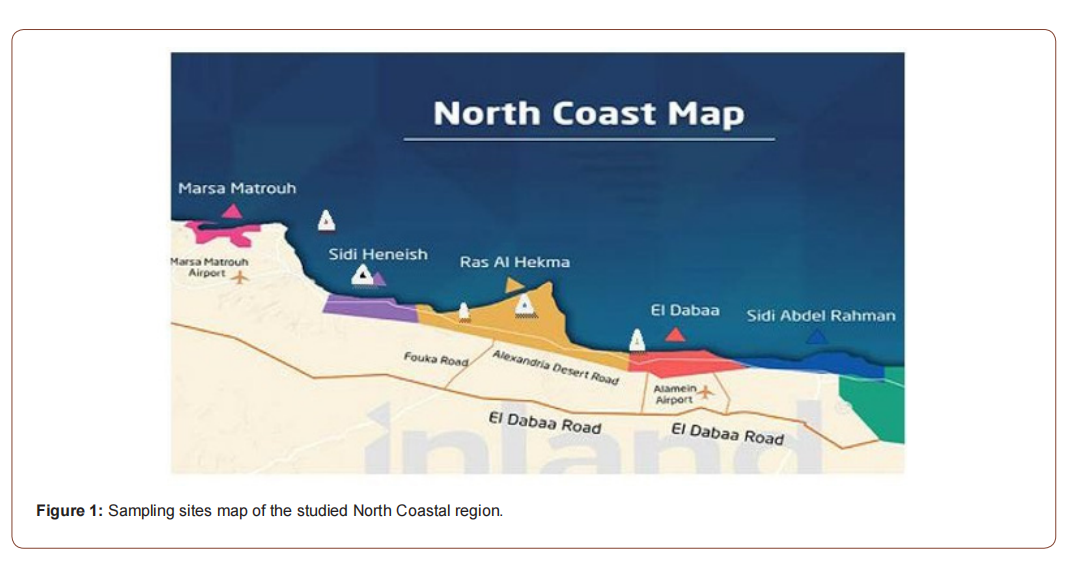
Nine samples of sea water were being collected from different 9 sites at the inshore of the Egyptian Mediterranean Sea, Maras Matrouh region, till El-Sallum for six months during 2023-2023. The studied area, is located between latitude 310 21’10.44”N and 270 14’ 14.10” E longitude, which extended to coastal region with latitude 31033’6”N and 2509’15”Longitude, as showed in Figure 1. The study survey showed that the Egyptian marine turtle are distributed through these nine water sampling sites. The nine water samples results, will be used as of input data for the RESRAD BIOTA (feeding source for Chelonia mydas).
Using Hyper-Pure Germanium (HPGe) Detector for Radioactivity Detection
The 238U, 232Th series and 40K specific activities were measured in the nine marine water collected samples, by using well calibrated gamma spectrometry based on hyper-pure germanium (HPGe) detectors. The HPGe detector has a relative efficiency of 40% and full width at half maximum of 1.95 keV for 60Co gamma energy line at 1332 keV. The quality assurance was done as the detector was coupled with multi- channel analyzer (16 channels) and GENIE 2000 software. The minimum acquisition time was 22 h to reduce the statistical as well as area calculation errors. The gamma transition of 1460.7 keV was used for 40K. The MDA can also be reduced by increasing counting times and the sample size, as well as utilizing large volume HPGe detectors with higher relative efficiency. Given the specific radionuclide, the radiation yield per disintegration and the unit conversions are set values over which the investigator has no control [14].
Using RESRAD BIOTA, version 1.8 for Evaluating the Radiological Impacts which may Face Green Marine Turtle
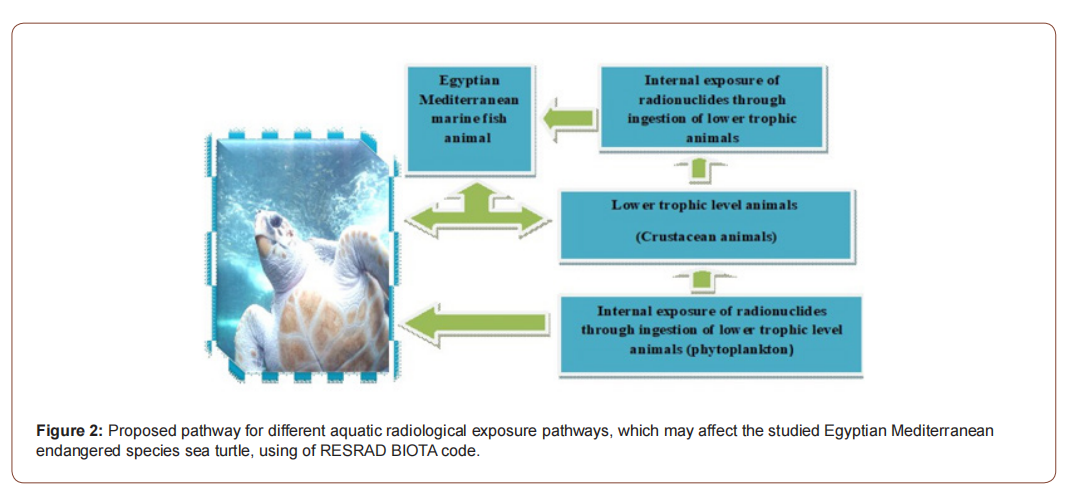
The study methodology used the RESRAD BIOTA, version 1.8, for evaluation the different radiological impacts of the marine green endanger turtle, which may be resulted from the exposure to different radionuclides (during the ingestion of water into marine turtle). The purpose of using RESRAD Biota 1.8 code in the study is to determine the Biota Concentration Guides, or BCGs, The Biota Concentration Guidelines BCGs in RESRAD-Biota is designed to be the maximum radioactivity concentration limit to guarantee the safety of biota. In Figure 2, authors suggested pathway diagram, which shows the different aquatic radiological exposure pathways for the studied Egyptian Mediterranean endangered species sea turtle, describing the different probability of transferring the different natural radionuclides through different feeding trophic marine organisms. This approach parallels methods currently used to protect the studied marine green turtle from residual levels of radionuclides in the environment (e.g., site-specific conditions can be considered in deriving allowable residual radionuclide concentration levels).
Using Water BCGs, Biv & DCFs as tools found in RESARD code, for the Evaluation of Radiological Impacts which may Affect the Green Marine Turtle
In this screening model, sediment presents both an internal andexternal dose hazard to the riparian animal. Determination of BCG is calculated by the following equation [16], the method used to derive the riparian animal BCGs for exposure to a single nuclide in contaminated sediment is:

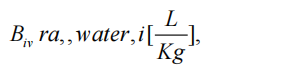
Where; BCG water, riparian animal, 3 [ ] Bq i m is the concentration of nuclide i in water, which based on the screening level assumptions, numerically equates to a dose rate DLaa (0.001Gy/ d-1) to the riparian animal; For the aquatic ecosystem, the external exposure can be calculated by using the external dose conversion factor (DCF) and media concentration, [16]. For internal exposure, the intake of radionuclides through the Egyptian marine turtle is taken into account and can be calculated by the use of internal dose conversion factor DCF and bioaccumulation factor value (Biv) to estimate activity concentration in organism tissue where the internal dose factor, [16,17], CF for area or organism residence time for the riparian organism. This r (dimensionless) is the correction factor correction factor is set at a default of 1; and 365.25 (days per year) is a conversion factor; and 𝐷𝐿𝑎𝑎 (0.01 Gy d-1) is defined as the dose limit for aquatic animals. Other parameters were calculated such as; Bioaccumulation Value (BIV) and internal tissue activity concentration in all the selected Egyptian marine turtle. The suggested studied pathways for the different risks exposures facing the Egyptian Mediterranean sea turtles are illustrated at Figure 1, as following; where bioaccumulation value, defined with Biv; Bioaccumulation factor being defined as the equilibrium ration of the contaminate concentration in the fresh weight of biota (green turtle) relative to the contaminate concentration in an environmental medium resulting from the uptake of contaminate from one or more routs exposure. This ratio is typically described through a bioaccumulation factor (Biv), where Bivs are used to estimate the extent of internal contamination (and by extension, the dose), and external exposure is assessed with a semi-infinite source term, USDOE, 2013.
Using Technical Standard in RESRAD-BIOTA Code
Table 1:Adsorbed dose rate criteria for different Aquatic, riparian and terrestrial animal with terrestrial plants [Arias. A, et al, 2016].

The study used a technical standard DOE order 458.1 showing the biota dose rate criteria below within a graded approach to demonstrate that populations of plants and animals are adequately protected from the ionizing radiation, Table 1. Showed the recommended absorbed dose to aquatic and riparian animals and terrestrial plants and animals from exposure to radiation or radioactive to the aquatic or terrestrial environment [13,16].
Results
Study the Radiological Impacts of Marine Water Radionuclides on the Egyptian Green Marine Turtle
Table 2 and Figure 3, showed that the highest radioactivity concentration in the selected water samples of different sites in Matrouh and Sallum sites was observed in K-40 with average mean concentration value of 8.34 Bq/L with Max concentration of 29 Bq/L showed in Site (7), while its Min Concentration value was 2.4Bq/L being found in Site (3). It was observed that the K-40 values were below the Egyptian average range, which was (9-650) Bq/ kg and also below the world average range, which was 420 Bq/kg. It was reported that the radiochemical reactions of 238U, 232Th and 40K, through sea water affected with different parameters such pH and alkalinity of seawater area, where the adsorption by clay minerals, has a vital role in the understanding of the behaviour of these radioisotopes and in the analysis of their concentration levels present in water [13]. The concentrations of most of the measured radionuclides are low as been showed in Table 2, where the green turtle would have to expend impractical amounts of energy to concentrate them from the surrounding seawater. It was reported that U-series radionuclides, uranium is largely un-reactive with particles except in a view cases, U is not taken up by the tissue of living organisms to any great degree, but the results showed that small amounts of U are incorporated and retained in the skeletal materials, also incorporate uranium, with U/Ca nearly identical to that in seawater, furthermore these marine species accumulate U mainly from water rather than from food [13].
Table 2: Determination of the water radioactivity (Bq/L), for different natural radionuclides through different selected sampling sites.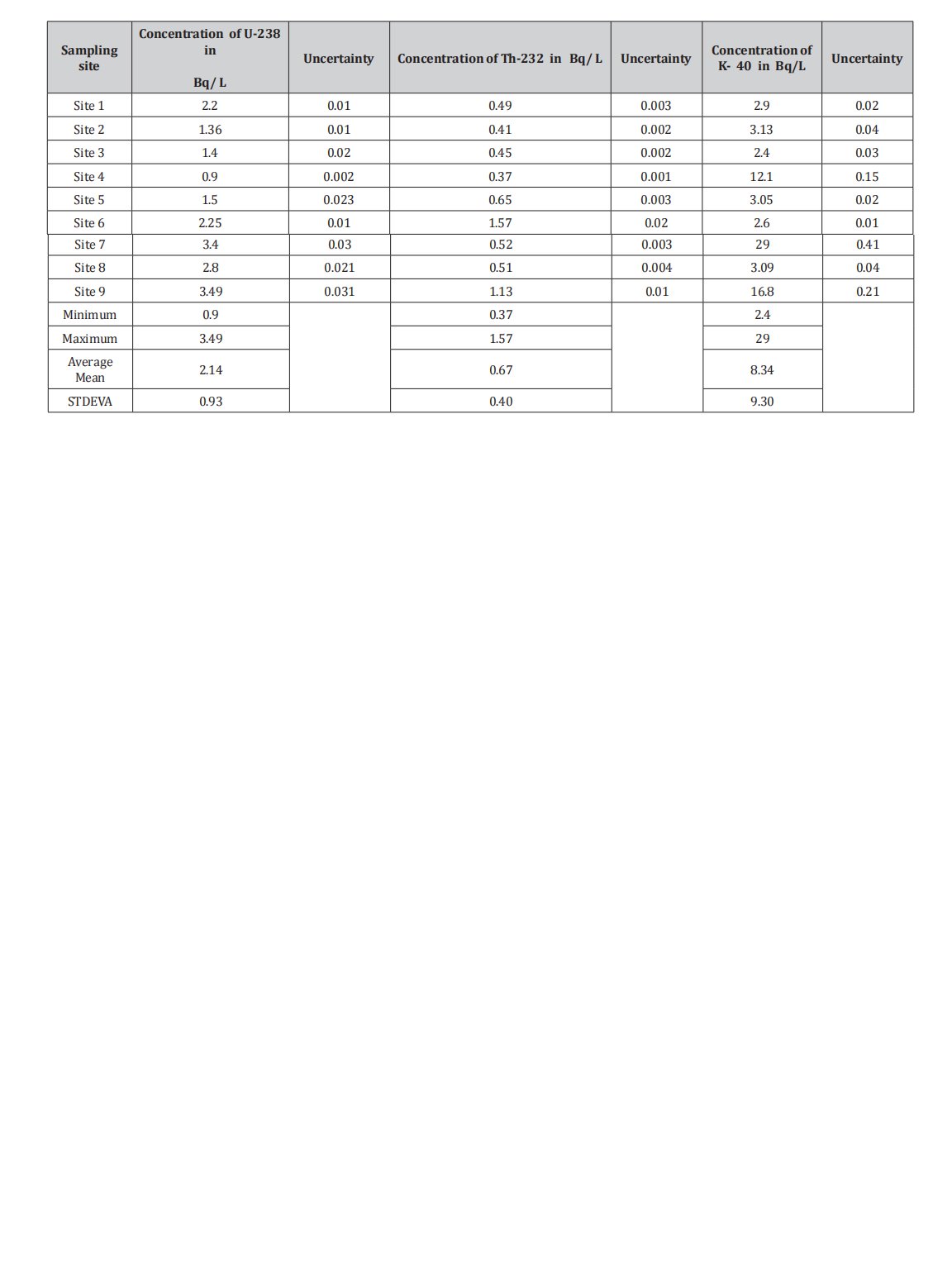
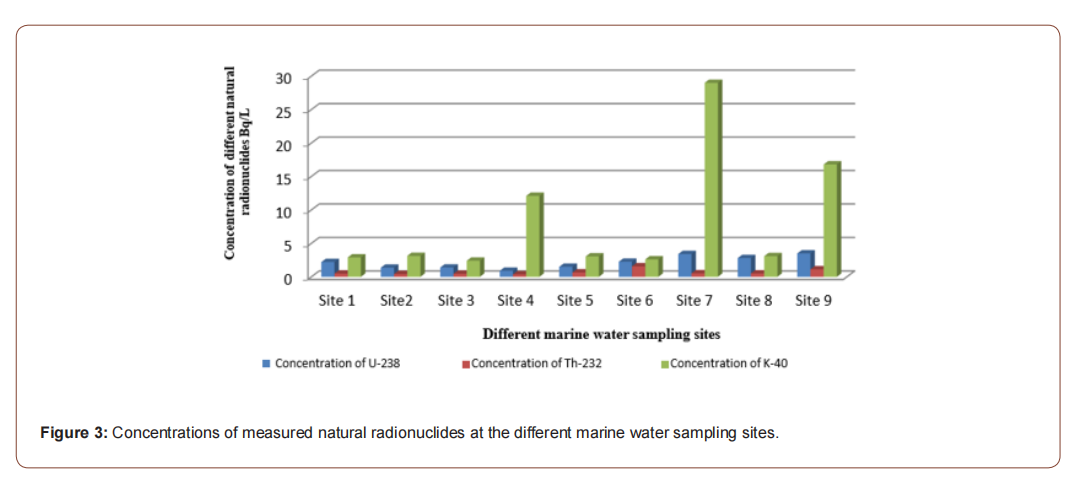
As the result of the speciation of uranium and its exclusion from biotic tissue, uranium concentration factors in marine organisms are very low, [18]. Table 2 and Figure 3 showed that the mean average activity value of Th-232 in the selected samples of different selected sites were found to be 0.67 Bq/L with max value of 1.57 Bq/L as showed in Site (7) with Minimum concentration value of 0.37 Bq/L as observed in Site (4) with STDV 0.40. These values were below the Egyptian average range for Th-232, which was (2-96) Bq/ kg and also below the world average range which was 45 Bq/kg. It was reported that the primary characteristics of thorium in the marine environment is showed due to, its high particle reactivity (the opposite of conservative uranium) unlike uranium which is dissolved during this process thorium is largely retained on particle surfaces. (UNEP, 2021). Table 2 and Figure 3 show that the average mean concentration value of U-238 in the different selected sites, was 2.14 Bq/l, which was detected at the coastal water samples with max value of 3.49 Bq/L in Site (9) with Minimum value of 0.9 Bq/L as showed in Site (4), these values were below the Egyptian average range for U-238, which was ranged from (0.2-3) Bq/k.g, and below the world average range which was 45 Bq/kg, where the marine sea turtles (chelonians), can bio-accumulate uranium radionuclides and do so sequentially over time where their scute keratin, acts as an inert reservoir of environmental information [16]. It was reported that the scute of marine turtle seems to be an appropriate tissue for long–term exposure and recognize bio-dilution and biomagnifications effects, as scute could act as a sequester of inorganic elements (Thorium, Uranium) and might have detoxifying mechanism linked to excretion process [19].
Determination of different Concentrations of the Marine Radionuclides inside the Egyptian Marine Turtle Tissues by using RESRAD BIOTA
Table 3 showed that the highest concentration of Th-232 inside the Egyptian marine turtle’s tissues was 7.12E-05 Bq/ kg in Site (6) while, the lowest tissue concentration value was showed in Site (4) with value 1.68E-05 Bq/kg, it was reported that thorium background in animal tissues were ranged from 0.9x 10⁻⁴ to 2.1 x 10⁻² Bq/kg, and 3.1 x 10⁻² to 1.4 x 10⁻¹ Bq/kg, in areas with high thorium concentrations in the soil. On the other side, Table 3 showed that the highest concentration of U-238 in the internal tissue of the marine Egyptian turtle was detected in Site (2) with value 3.13E- 03Bq/ kg, while its lowest tissue concentration value was found in Site (4) with value 4.48E-05 Bq/kg. It was observed that the decrease in the concentration radioactivity values of different radionuclides in the internal tissue of Egyptian red marine turtle due to the indirect of external exposure, which might be occurred in case of reptiles, especially the turtle shell which form a natural protection shield for any possible external radiation. On the other side Table 3 showed that that Potassium-40 (K-40) was not included in the, as it is not included in the original DOE Standard, because all living organisms, contain potassium. Therefore, potassium-40 data should be omitted from RESRADBIOTA [17].
Table 3:Determination of the radioactivity concentrations of different radionuclides in the Egyptian Marine turtle tissues by using RESRAD-BIOTA.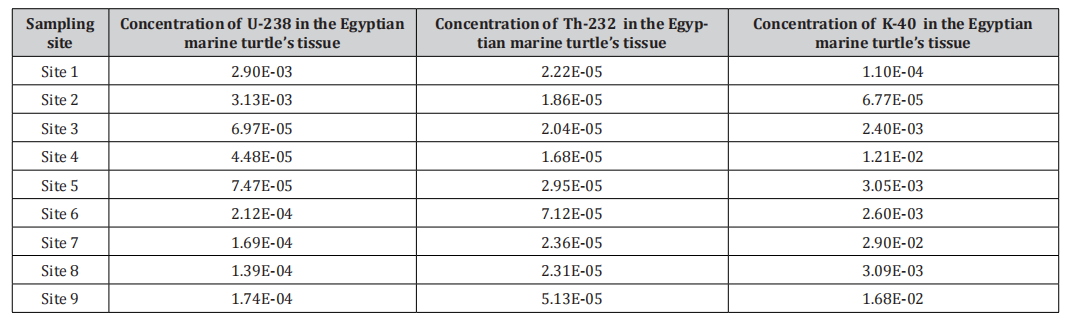
Determination of Dose Conversion Factor (DCF) in the Egyptian Marine Turtle by using RESRAD- BIOTA
Table 4:Determination of dose conversion factor (DCF) in the Egyptian marine turtle by using RESRAD- BIOTA.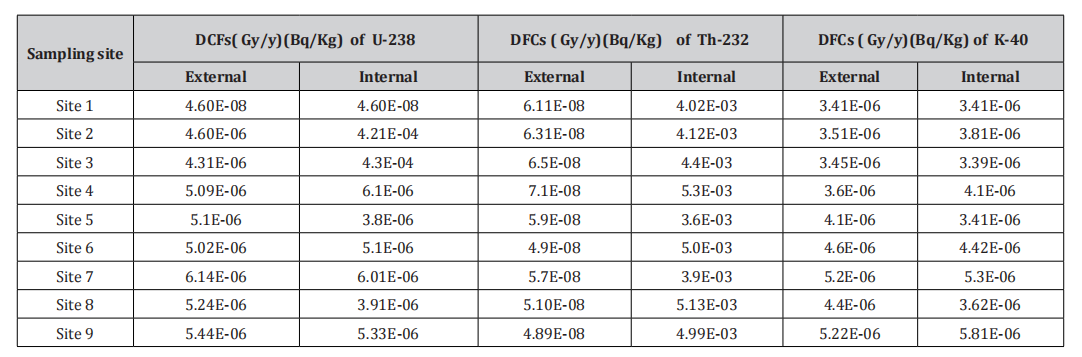
For the aquatic ecosystem, the external exposure can be calculated by using the external dose conversion factor (DCF) and media concentration (Table 4).
Determination of Bioaccumulation Factor (Bvi) in the Egyptian Marine Turtle by using RESRAD- BIOTA
In case for internal exposure, the intake of radionuclides through the Egyptian marine turtle could be calculated by using of the bioaccumulation factor value (Bvi) in order to estimate the radioactivity concentration in marine turtle’s tissue. Table 5 that the highest Bioaccumulation factor Bvi value was observed in U-238 with 5.60E-02 at site 4, while the lowest bioaccumulation factor Bvi value was indicated in Th-232 with 1.60E-03 at site 6 , this indicated that the high tendency of green marine turtle to the bioaccumulation of U-238 more than Th-232, this may be due the increasing of U- 232 at feeding source such as algae and sea grass than Th-232. On the other hand, marine turtles are reptiles defined as cold blooded animal, which are less sensitive for ionizing radiation, besides their shell which is working as protective shield against external radiation [17].
Determination of Biota Concentration Guides (BCGs) in the Egyptian marine turtle by using RESRAD- BIOTA
Table 6, showed that the using of Biota Concentration Guides (BCG), parameter was used to produce the applicable dose from radionuclides in the organism (internal dose), plus the external dose components from radionuclides in the environment (external dose) the total sum of fractions shall not exceed 1.0. If the sum is >1.0, further investigation is required (e.g. initiating site-specific screening or analysis) [20-22]. Table 6 showed that the highest concentration guide BCG value was showed in Th-232 with value 7.84E-07 at site 6, while the lowest concentration guide BCG value was showed in U-238 with value 5.99E-08 at site 4. On the other hand, Table 7 showed that all the calculated BCG values for both Th232 and U-238 for all the studied sites are less than the recommended BCG Guides [17]. Results indicate that there were no radiological risks which may affect the Egyptian marine green turtle at these studies sites.
Table 5: Determination of the bioaccumulation factor (Bvi) in the Egyptian marine turtle by using RESRAD- BIOTA.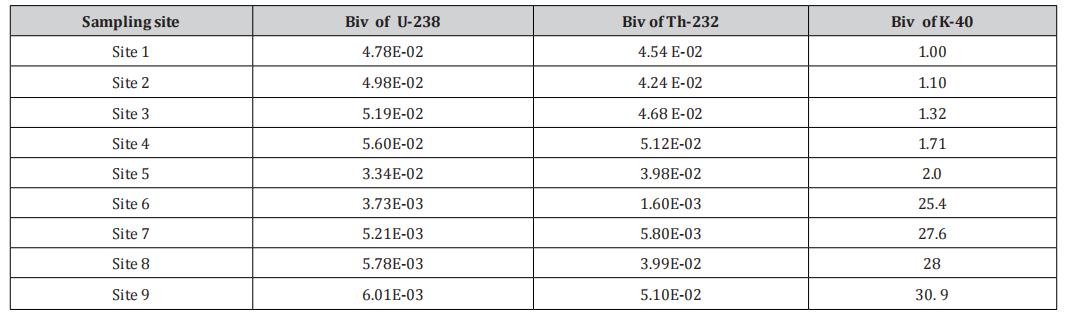
Table 6: Determination of Biota Concentration Guide (BCG) Bq/m3 in the Egyptian marine turtle through different collected sites by using RESRADBIOTA.
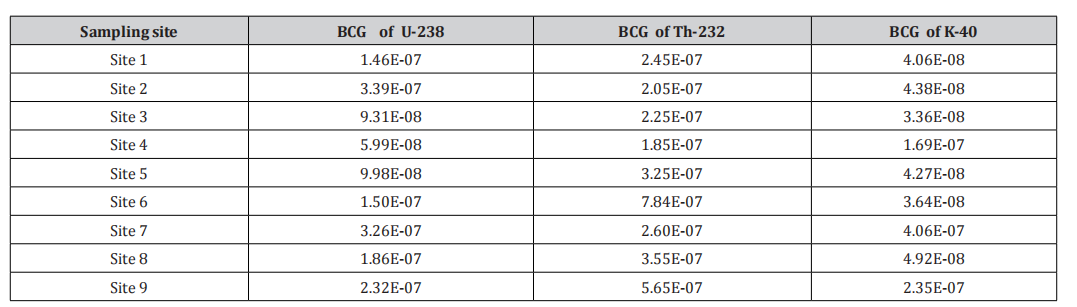
Table 7: Recommended Biota Concentration Guides for Aquatic Animals.

Conclusion
Turtles are useful marine animals, which should be used in tracing nuclear activities because of the specific characteristics of how their shells grow. There are many problems which threat these marine animals such as, ocean pollution (chemical & radiation), entanglement in fishing gear, consumption and illegal trade of eggs, meat, and shells and global climate change. Study results showed that the highest concentration of Th-232 was detected in Site (6) in Bq/ kg, while the lowest value was showed in Site (4), on the other hand, the highest activity concentration of U-238 in the internal tissue of Egyptian marine turtle was detected in Site (2) Bq/ kg, while its lowest concentration value was found in Site (4). The study showed that the highest external Dose Concentration Factor (DCF) value was showed in case of U- 238 (Gy/y)(Bq/Kg) at site 3, while the lowest external DCF value was showed in case of Th-232 (Gy/y)(Bq/Kg) at site 6 , on the other hand, the highest internal DCF value was showed in Th-232 (Gy/y)(Bq/Kg) at site 3, while the lowest internal DCF value was showed in U-238 (Gy/y)(Bq/Kg)at site (2). All the internal and external DCF data were below the Derived Concentration Technical Standard limits which was <1 rad/ day (10 mGy/d) in case of aquatic animal.
Study results show that all the calculated BCG values for both Th232 and U-238 for all the studied sites are less than the recommended BCG Guides which indicated that there are no radiological risks which may affect the Egyptian marine green turtle at the selected studies sites. The study results show that the uranium mean average values were below the Egyptian average range for U-238, which was ranged from (0.2-3) Bq/k.g, and below the world average range which was 45 Bq/kg, where the marine sea turtles (chelonians), can bio-accumulate uranium radionuclides and do so sequentially over time where their scute keratin, acts as an inert reservoir of environmental information. The study will recommend the building of new aquarium region for conserving the different aquatic living organisms, found at Ras El-hekma region, including various fish species, coral reefs, and other invertebrates, and in special case the green turtles, using suitable ecological methods for feeding it, beside other specific examples include reef sharks, which are commonly seen on reefs in the region.
Data Availability Statement
No data availability was found.
References
- Alves D, Amorim MCP, Fonseca PJ (2016) Boat Noise Reduces Acoustic Active Space in the Lusitanian Toadfish Halobatrachus didactylus. Proceedings of Meetings on Acoustic 27(1): 010033.
- Ahmed Omar, AF Tawfic (2020) Analysis of natural radionuclides and 137Cs using HPGe spectrometer and radiological hazards assessment for Al-Nigella site. Egypt. International Journal OF Environmental Analytical Chemistry 102(2): 575-588.
- Alloy M, Baxter D, Stieglitz J, Mager E, Hoenig R, et al. (2016) Ultraviolet Radiation Enhances the Toxicity of Deepwater Horizon Oil to Mahi-Mahi (Coryphaena hippurus) Embryos. Environmental Science & Technology 50: 2011-2017.
- Almeda R, Harvey TE, Connelly TL, Baca S, Buskey EJ (2016) Influence of UVB Radiation on the Lethal and Sublethal Toxicity of Dispersed Crude Oil to Planktonic Copepod Nauplii. Chemospher 152: 446-458.
- Alves L, Nunes M, Marchand P, Le Bizec B, Mendes S, et al. (2016) Blue Sharks (Prionace glauca) as Bioindicators of Pollution and Health in the Atlantic Ocean: Contamination Levels and Biochemical Stress Responses. Science of the Total Environment 563-564(12): 282-292.
- AndréM, Kaifu K, Solé M, van der Schaar M, Akamatsu T, et al. (2016) Contribution to the Understanding of Particle Motion Perception in Marine Invertebrates. Advances in experimental medicine and biology 875: 47-55.
- Araujo CVM, Cedeno-Macias LA (2016) Heavy Metals in Yellowfin Tuna (Thunnus albacares) and Common Dolphin fish (Coryphaena hippurus) Landed on the Ecuadorian Coast. Science of the Total Environment 541: 149-154.
- Arias AH, Panebianco MV, Net S, Dumoulin D, Souissi S, et al. (2016) Franciscana Dolphins as PCBs Marine Biomonitors in Argentina, South-West Atlantic Ocean. Journal of the Marine Biological Association of the United Kingdom 96: 979-992.
- Ayer N, Martin S, Dwyer RL, Gace L, Laurin L (2016) Environmental Performance of Copper-Alloy Net-Pens: Life Cycle Assessment of Atlantic Salmon Grow-out in Copper-Alloy and Nylon Net-Pens. Aquaculture 453: 93-103.
- Bakir A, O'Connor IA, Rowland SJ, Hendriks AJ, Thompson RC (2016) Relative Importance of Microplastics as a Pathway for the Transfer of Hydrophobic Organic Chemicals to Marine Life. Environmental Pollution 219: 56-65.
- Araujo CVM, Cedeno-Macias LA, Vera-Vera VC, Salvatierra D, Rodriguez ENV, et al. (2016) Predicting the Effects of Copper on Local Population Decline of 2 Marine Organisms, Cobia Fish and White leg Shrimp, Based on Avoidance Response. Environmental Toxicology and Chemistry 35(2): 405-410.
- Balassone G, Aiello G, Barra D, Cappelletti P, De Bonis A, et al. (2016) Effects of Anthropogenic Activities in a Mediterranean Coastland: The Case Study of the Falerno-Domitio Littoral in Campania, Tyrrhenian Sea (Southern Italy). Marine Pollution Bulletin 112: 271-290.
- El-Sadek, Mancini, Hanafy M, Girondot M (2013) Green Turtle Nesting Activities on Zabargad Island, A Major Bookery in the Southern Egyptian Red Sea. Report of a research project funded by Hurghada Environmental Protection and Conservation Association (HEPCA), H urghada Egypt 13-56.
- Mathew P Johansen, David Peter Child, Michael Hotchkis, Andrea Johansen, Sangeeth Thiruvoth (2020) Radionuclides in sea turtles at the Montebello Islands former nuclear test sites: Current and historical dose rates for adults and embryos. Marine Pollution Bulletin 158(2): 111390.
- Michael A Kipp, Haoyu Li, Michael J Ellewood, Seth G John, Rob Middag, et al. (2022) 238U, 235Uand 234U in Seawater and deep-sea corals: A high- Precision reappraisal. Geochimica et Cosmochimica Acta 336 (1): 231-248.
- Mohamed Nada, Paolo Casale (2011) Sea Turtle by catch and consumption in Egypt threatens Mediterranean turtle populations. Cambridge University Report 45(1): 143-149.
- USDOE (2011) Derived Concentration Technical Standard, DOE-STD-1196-2011. Energy. Gov.2011.
- Gillian M Stewart, Scott W Fowler, Nicholas S Fisher (2008) The bioaccumulation of U-Th Series Radionuclides in Marine Organisms, Radioactivity in the Environment. Elsevier Ltd 13: 269-305.
- Maribel E Mondragon, Octavio Perez Luzardo, Luis Alberto Henriquez, Angel Rodriguez, Manuel zumbado, et al. (2023) Trophic behavior of inorganic elements in nesting sea turtles (chelonian mydas, Eretmochelys imbricate, and Caretta caretta) in Quintana Roo: Bio-magnification and bio-dilution effect in blood and scute tissues. Marine pollution bulletin 187: 114582.
- Amato DW, Bishop JM, Glenn CR, Dulai H, Smith CM (2016) Impact of Submarine Groundwater Discharge on Marine Water Quality and Reef Biota of Maui. PlOS J 11(11): e0165825.
- SPA/RAC-UNEP/MAP (2021) Marine Turtle Research and Conservation in Libya: A contribution to safeguarding Mediterranean Biodiversity. Report by Abdulmaula Hamza. Ed. SPA/RAC, Tunis 2021: 1-77.
- (2013) DOE. ORDER 458.1Radiation Protection of the Public and the Environment. Administrative Change.
-

This work is licensed under a Creative Commons Attribution-NonCommercial 4.0 International License.




