




 Review Article
Brine Valorization – Tapping the Ocean for Minerals
Received Date:May 16, 2026; Published Date:May 20, 2026
Abstract
Desalination brine, traditionally treated as waste, is increasingly recognized as a valuable resource for mineral recovery and environmental protection. Brine valorization (BV) transforms saline effluent into profitable mineral products such as high-purity sodium chloride, magnesium hydroxide, calcium carbonate, and lithium chloride by integrating advanced membrane concentration, crystallization, and electrochemical processes. This paper presents the key paradigm shifts in salt separation technology-system integration, selective membranes, membrane-based crystallization, and green chemical generation - that are transforming BV into a viable alternative for beneficial use of brine. These technological changes not only enable fiscally and environmentally sustainable desalination but also open the opportunity to tap to the ocean as an alternative source for commercially viable minerals. Integrated BV systems can recover over 85 % of water and 90 % of minerals contained in the source seawater, reducing discharge and improving economics. Supported by recent industrial data [1-3], BV offers a circular economy path to desalination.
Keywords:Brine valorization; ocean; crystallization; minerals
Introduction
Brine valorization plants are the next step in the evolution of desalination technology which opens a new horizon for wider use of desalination as a baseline source of drought-proof and environmentally and fiscally sustainable water supply [1-3]. Over the past decade, the desalination industry has developed a number of brine concentration and mineral crystallization and extraction technologies which enable the generation of commercially valuable products from brine [4-6]. Usually, valorizing minerals from seawater is a more environmentally friendly enterprise than terrestrial mining [7]. Moreover, brine mining does not require fresh water for mineral extraction, nor does it create contaminated water or waste materials for disposal, thereby combining both environmental and fiscal sustainability of mineral recovery [5]. Compared to terrestrial mining, brine mining not only yields minerals but also produces fresh water comparable in volume to the volume of the desalination plant that generated the brine.
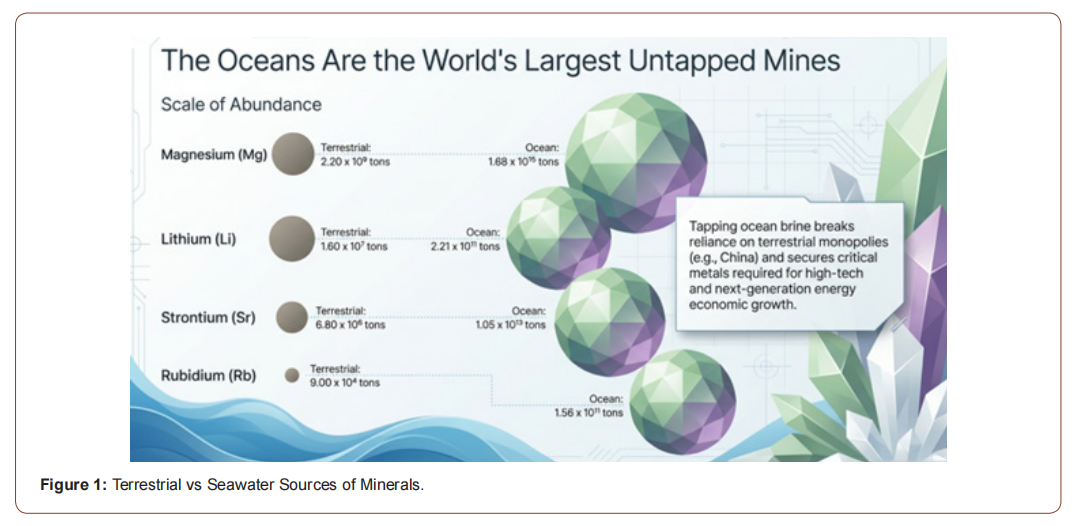
Brine valorization (BV) is the cost-effective extraction of minerals and metals from desalination plant brine and production of mineral commodities of commercial value competitive with terrestrial mining [3,8]. As shown in Figure 1, the ocean brine contains valuable minerals at amounts that typically exceed the available terrestrial sources of the same minerals by one or more orders of magnitude [9].
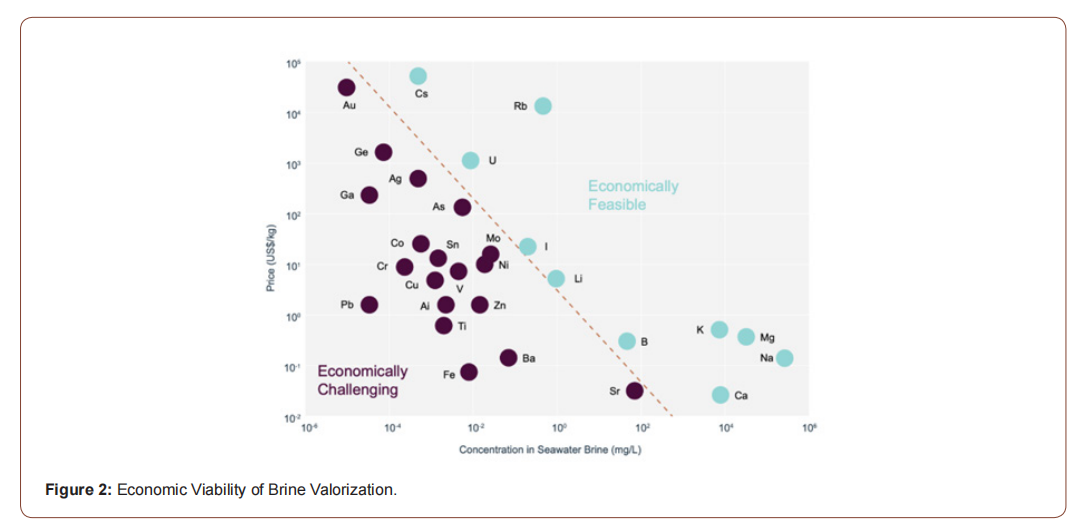
The desalination industry has come to a crossroads where the integration of seawater desalination and brine valorization has become viable for a number of minerals (Figure 2) because of the affordable and easy to implement technologies for membrane separation and mineral crystallization developed by the salt separation industry, as well as because of the significant increase in the demand and value of minerals and metals due to their limited availability from terrestrial sources as well as geopolitical constraints limiting the main sources of many of these minerals to very few countries worldwide [10-13].
While conventional seawater desalination plants produce only one commodity of commercial value---drinking water---the BV plants are designed to yield both drinking water and a number of commercially valuable minerals such as sodium chloride (NaCl); magnesium hydroxide (Mg(OH)₂); calcium carbonate (CaCO₃); as well as potassium (K⁺), magnesium (Mg²⁺), lithium (Li⁺) and rubidium (Rb⁺) chlorides [14-16]. In addition, BV plants can produce other minerals of high commercial value in salt or metal form [17,18].
BV plants may be constructed adjacent to existing SWRO facilities or as regional hub plants processing brine from multiple desalination sources. A shared regional BV facility within 10 to15 miles of major mineral users can reduce project cost by 10- -15 % and simplify supply logistics [31]. Commercial operation independent from the desalination project is possible due to the stand-alone revenue generated by minerals.
Brine Valorization System --- Key Components
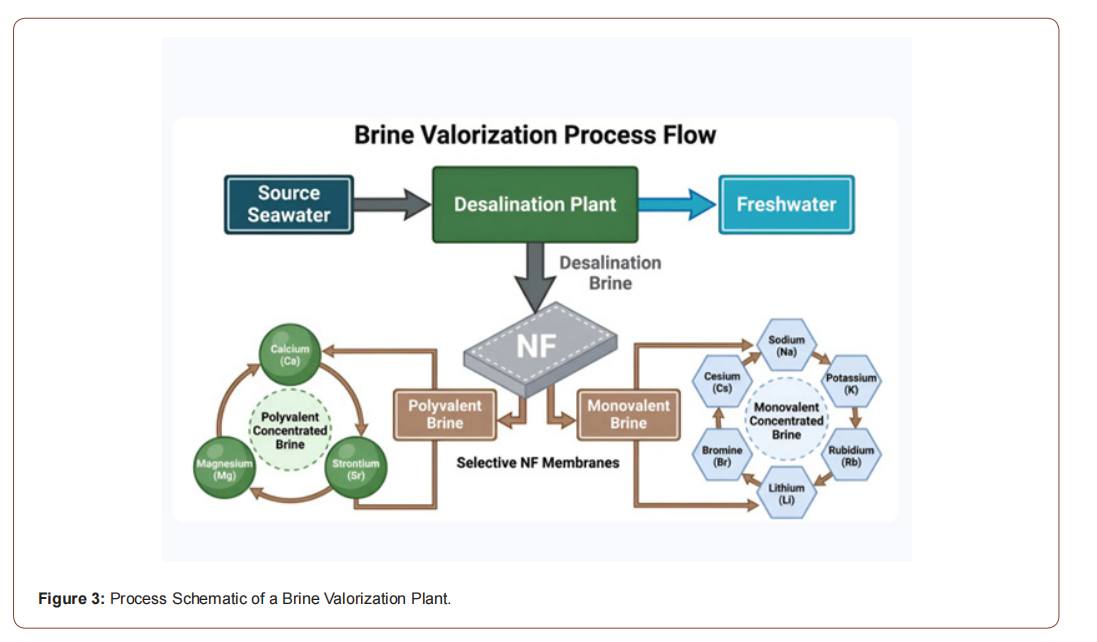
The process schematic of a BV plant shown in Figure 3 illustrates a typical configuration of brine valorization facilities- --it includes a membrane nanofiltration (NF) system for dividing desalination plant brine into two streams: (1) NF permeate (primarily monovalent salts NaCl, LiCl, KCl, RbCl) and (2) NF reject (mostly polyvalent Mg and Ca salts) [12,14,19].
Monovalent Stream
Monovalent NF permeate brine is concentrated from its original salinity (68,000-72,000 mg/L) up to 220,000-280,000 mg/L using multi-stage osmotically assisted reverse osmosis (OARO) [20,21] or thermal evaporation. At this high concentration, the NaCl-rich brine is crystallized into high-purity products (> 99.5 % NaCl) by either thermal or membrane crystallization [13,22]. The crystallizer extracts NaCl while producing a side-stream containing concentrated monovalent micro-minerals---Li, K, Rb, Br, U, Cs---10 to 20 times higher than in seawater. These can be recovered by ion exchange, electrodialysis, or other selective processes [15,18,23]. In addition, the membrane concentration and crystallization processes yield fresh water of volume comparable to that of the main desalination process. The additional fresh water can be recovered by either returning the permeate from the OARO system to the feed of the SWRO system of the desalination plant from which the brine originated, or by processing it through a separate RO system integrated within the BV plant. The crystallization process also yields fresh water – either as a condensate from the thermal crystallizer or as a permeate from the system reconcentrating the draw solution of the membrane crystallizer.
Polyvalent Stream
The polyvalent NF reject is rich in Mg²⁺ and Ca²⁺ salts and undergoes sequential precipitation to produce first Mg(OH)₂ and then CaCO₃ in series clarifiers [24,25]. Mg²⁺ is removed by adding NaOH to pH 10.5 (≈ 98 % recovery), then Ca²⁺ is precipitated by Na₂CO₃ and pH adjustment (≈ 96 % recovery) [24,25]. The Mg(OH)₂ product can be calcined to MgO and then electrolyzed to metal Mg, with production costs of 1 000--1 200 US$/t and market price 4 000--12 000 US$/t [25-27]. Metallic Mg is vital for automotive and aerospace applications due to its high strength-to-weight ratio [26,27].
Residual NaCl and Na₂SO₄ are recovered from the overflow of the calcium carbonate clarifier by high-pressure nanofiltration with low energy input and high product purity [20,28]. Recovered NaCl from this overflow feeds a bipolar electrodialysis (BPED) unit that produces NaOH (used for Mg(OH)₂ precipitation and SWRO plant permeate adjustment, and HCl (for pH control and membrane cleaning when inlet seawater temperatures > 30 °C) [29,30]. This creates an internal chemical loop eliminating the need for use of commercially supplied NaOH and acid.
Paradigm Shifts in Brine Valorization Technology
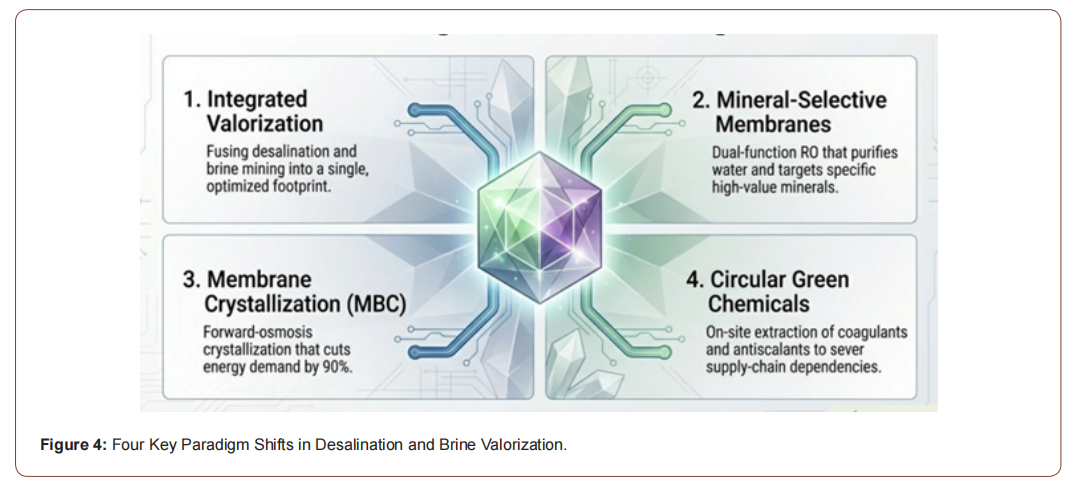
A state-of-the-art BV plant is increasingly commercially viable due to four key paradigm shifts in brine processing technology, illustrated in Figure 4 [3,14,32].
Paradigm Shift 1 --- Integrating Desalination and Brine Valorization Systems
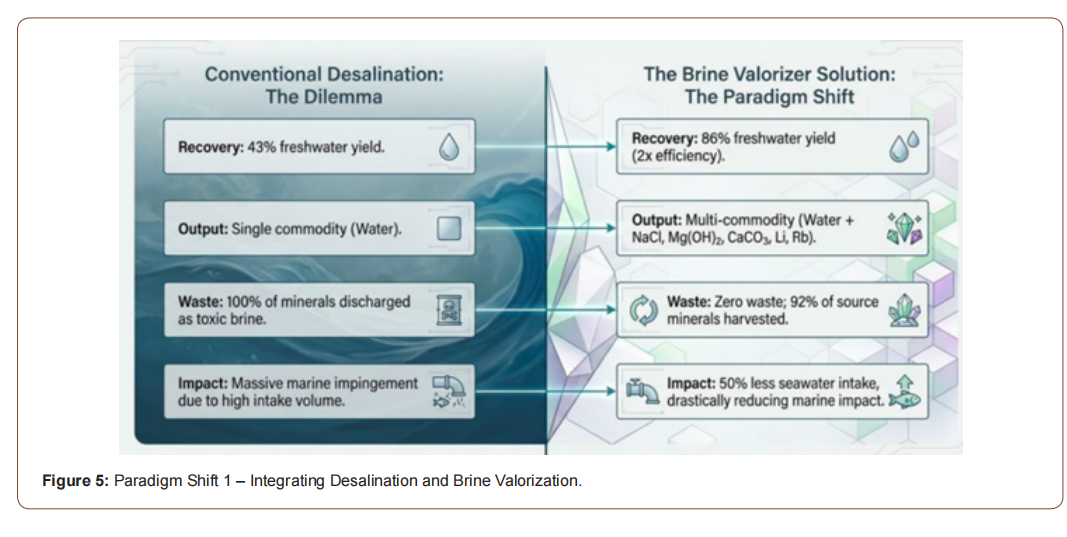
While conventional seawater desalination plants produce only fresh water and treat brine as waste discharged back to the ocean, Brine Valorization plants (Brine Valorizers) transform this brine into a profit-generating stream of minerals alongside additional desalinated water (Figure 5) [3,32-35].
Integrating desalination and brine valorization can convert about 86 % of intake seawater into fresh water and recover 92 % of its minerals [3,34]. Figure 6 illustrates this effect, using an example 100 000 m³/d SWRO plant. BV recovers ~ 1 million dry tons of NaCl of 99.6 % purity per year [35]. At a production cost of 25--35 US$/t NaCl versus market price 65--120 US$/t, the NaCl sales can generate ≈ 65 million US$/y in revenue---almost three times that from water sales (≈ 22 million US$/y at 0.65 US$/ m³) [35-37].
The example on Figure 6 illustrates the benefits from the implementation of BV plants vs conventional desalination facilities for an example seawater reverse osmosis (SWRO) desalination plant with freshwater production capacity of 100,000 m³/day. In this example, the brine from the 100,000 m³/day desalination plant which contains 1 million dry tons of sodium chloride (NaCl) per year, is recovered by the Brine Valorization system and converted into a commercially viable product of 99.6% pure sodium chloride.
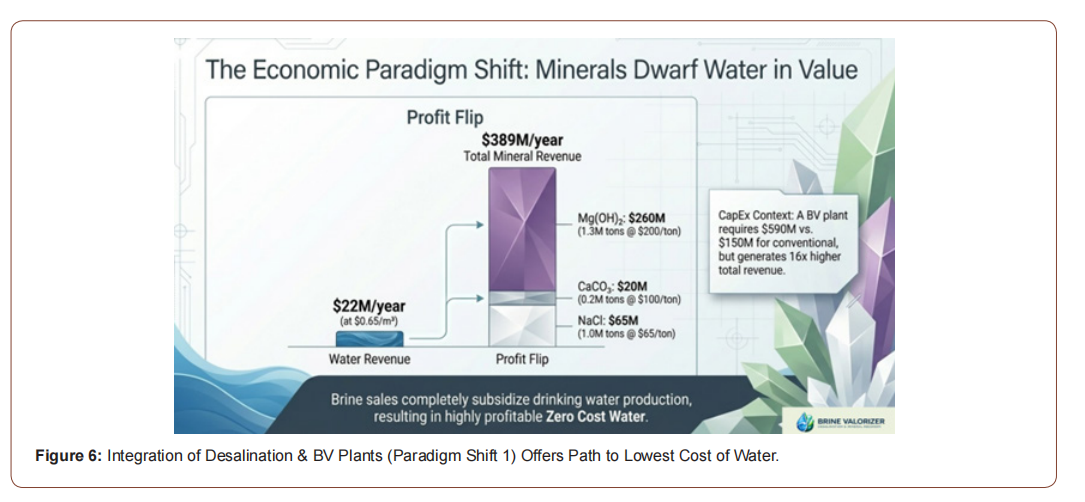
BV allows to produce high-purity sodium chloride at cost of 25 to 35 US$/dry ton of NaCl while the current market price of this salt is 65 to 120 US$/dry ton of NaCl. It should be noted that NaCl is usually 86% of the total amount of minerals in typical seawater brine, while in brackish brines the predominant minerals could be calcium and magnesium salts. High purity NaCl is widely used by the chlor-alkali industry. This industry ultimately produces liquid PVC, which is the second most important product of the petrochemical industry besides oil. The two source materials needed to produce liquid PVC are oil and NaCl salt.
NaCl composes ≈ 86 % of the total mineral mass in seawater brine and acts as raw material for the chlor-alkali industry, a major source of PVC resins second only to oil in industrial importance [37]. Although BV capital cost is ~ 4× that of SWRO alone, the annual mineral revenue is > 16× greater, offsetting water production costs and producing profit [31,35]. With local markets for the recovered minerals, BV plants can subsidize drinking water costs and make desalinated water the cheapest and most sustainable freshwater source globally [35,55].
Paradigm Shift 2 --- Selective Seawater Reverse Osmosis Membrane System
A significant technological advance that triggers this paradigm shift is the development of multi-functional SWRO membranes capable of simultaneously producing fresh water and selectively separating and concentrating salt mineral targeted for recovery (Figure 7) [12,38,39].
Traditional membranes allow only water to pass through the polyamide layer, but selective SWRO elements incorporate ionophores that transfer specific target ions from the feed side to the permeate side of the membranes and permit passage of the target mineral to the permeate. The molecular structure of the ionophores minimizes energy losses for water and energy transfer through the membrane separation layer thereby enhancing water flux and lowering energy for water production and mineral recovery [41].
After processing of the source seawater through a SWRO system equipped with selective membranes, the majority of the mineral which the membrane is designed to extract, is contained in the SWRO permeate, mixed with the desalinated water. A subsequent two-stage processing through a brackish RO (BWRO) membrane system separates the selected mineral from the SWRO membrane permeate into fresh water (BWRO permeate). The first stage of the BWRO System fully separates the mineral from the fresh water permeate and transfers over 90% of the selective mineral into the first-stage BWRO brine (Figure 7). The second stage of the BWRO system concentrates the brine to a mineral content of 99 % or more – over 20 times its concentration in seawater. The selected mineral that is now contained in the second stage BWRO brine is further concentrated by osmotically--assisted reverse osmosis (OARO) membrane system. Then, the concentrated mineral is crystalized into a high purity commercial product with a membrane or thermal crystallizer [39,40].
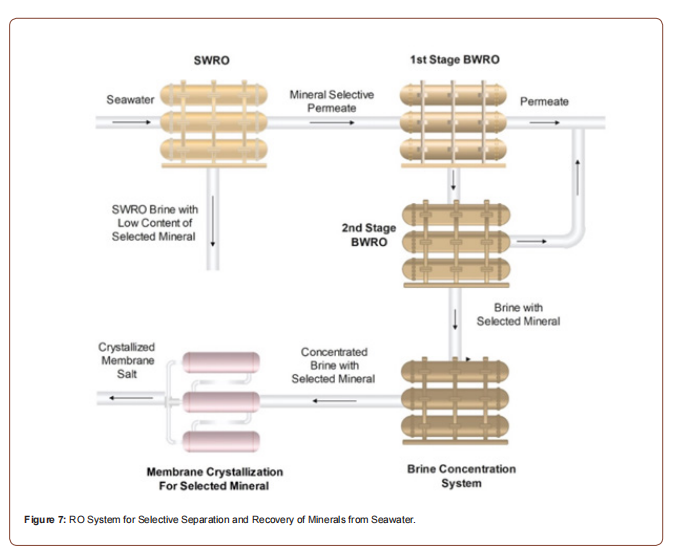
The mineral selective RO membranes are of standard 8-inch size, performance parameters (i.e., TDS salt rejection; and flux) and configuration, and can be installed directly in the standard pressure vessels of existing conventional SWRO systems widely used by the desalination industry at present – a feature that would facilitate their industry-wide adoption [38].
The selective RO elements operate within the same feed pressures, recovery rate, and flux as standard RO elements and therefore, mineral harvesting is completed at lower energy demand as compared to conventional brine mining systems. Use of these membranes allows to avoid the need for separation of monovalent and bivalent brine and costly chemical precipitation methods for harvesting magnesium and calcium minerals.
With the paradigm-changing selective membranes, a target mineral can be directly harvested from the source seawater at energy lower than the production of seawater alone. The main reason why is that the special selective molecular structures (referred to as ionophores) incorporated in the membrane separation layer in order to achieve mineral selectivity, also improve the overall water transport through the same membrane layer and to reduce the trans-membrane pressure needed to transfer the water molecules to the permeate side of the SWRO membranes.
The mineral-selective membranes open up the opportunity to harvest multiple valuable minerals from the source seawater by installing several different selective membranes in the different racks of the same SWRO system. For example, a SWRO system can have a number of RO Racks (A) equipped with lithium chloride (LiCl) selective membranes; a different number of RO Racks with potassium chloride (KCl) selective membranes (B), and another set of RO Racks equipped with magnesium chloride (MgCl₂) selective membranes (C), producing these brine salts simultaneously (Figure 8). Operators can adjust rack allocation to match commodity price fluctuations, giving the system short- and long-term market flexibility [42]. This transition from single-function to multifunction membranes enables BV plants to harvest multiple highvalue minerals simultaneously and adapt to the near and long-term changes of dynamic commodity market [12,38,42]. In addition, if the use and market demand for a particular mineral is reduced dramatically due to advances in material technology, then the selective membranes for recovery of this mineral can be easily replaced by these for production of another mineral of emerging demand and higher market prices.
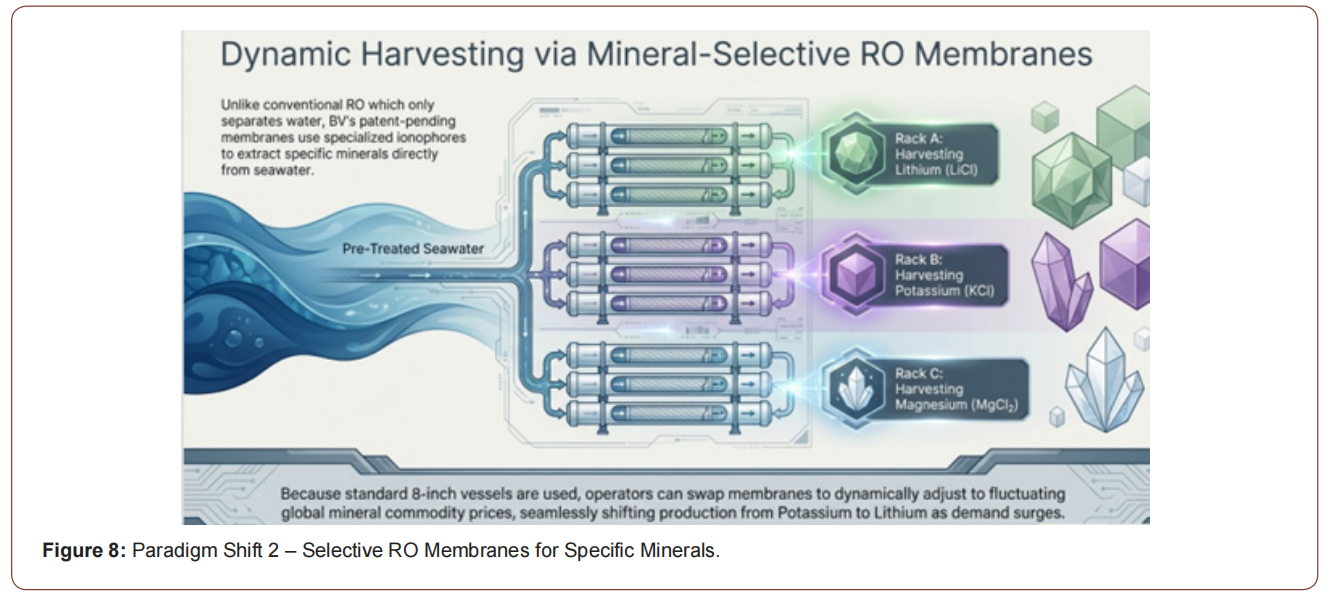
For example, if market demand/cost for lithium chloride increases and of potassium chloride decreases, more membrane racks can be equipped with lithium selective membranes (A) and less with potassium selective membranes (C), thereby adapting swiftly to both near term commodity market needs and conditions. If 10 years from now the industry demand for lithium is drastically reduced because its prime use in batteries is replaced by new material, then the number of RO racks for lithium harvesting could be reduced or the racks could be equipped with selective membranes for another high-value mineral.
Paradigm Shift 3 --- Membrane Mineral Crystallization System
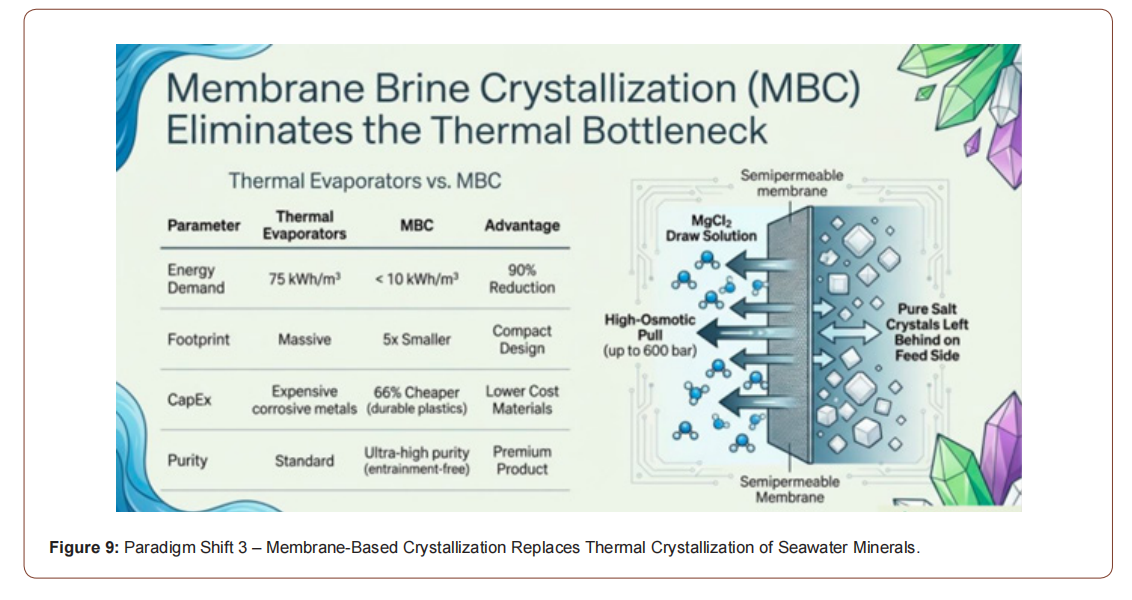
Membrane crystallization of salts in concentrated seawater brine --- shown in Figures 9&10 --- is a recent breakthrough that aims to replace energy-intensive thermal evaporation. Thermal crystallization consumes ≈ 75 kWh/ m³ of brine, whereas membrane crystallization uses only 10--15 kWh/m³ while producing salts of equal or better purity [22,43-45].
Membrane crystallization of minerals contained in the concentrated seawater brine is another recently developed paradigm changing technology. The brine mining system shown on Figure 7 applies membrane concentrator and membrane crystallizer to derive seawater minerals in crystal form. Such crystalized minerals have the same or better quality than these produced by state-of-the art thermal evaporation plants but at only 10% of the energy demand of thermal crystallizers.
The main reason why the development of membrane crystallizers to replace the existing thermal crystallizers is considered a very important breakthrough/paradigm shift in brine mining, is that 75% to 80% of the total energy used by BV plants with conventional thermal crystallizers is consumed for mineral crystallization. This energy contributes to approximately 50% to 70% of the total cost of mineral production. As a result, the extremely high energy use of thermal evaporator and crystallizer systems have made brine mining and zero liquid discharge costprohibitive and environmentally unsustainable for most projects. Reduction of the energy needed for crystallization dramatically improves the cost competitiveness of brine mining as compared to terrestrial mining of key minerals and allows brine mining to be completed at competitive cost to terrestrial mining of the same mineral.
In the state-of-the art brine valorization systems, novel osmotically assisted reverse osmosis (OARO) concentrator and forward osmosis (FO) driven membrane crystallizer are used instead of thermal evaporation-based brine mining technologies (including evaporators and crystallizers).
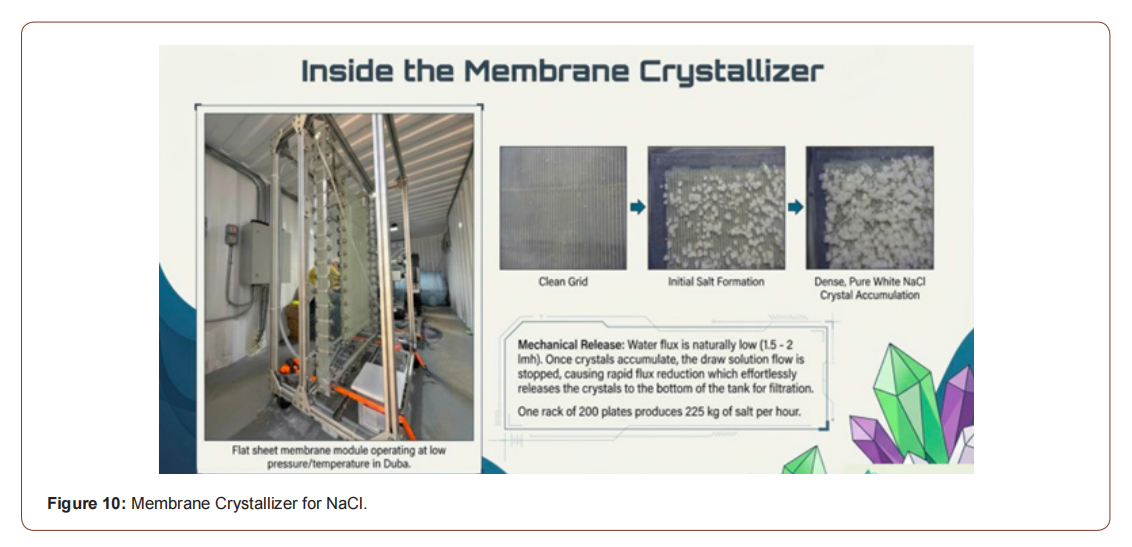
At present, brine minerals, such as sodium chloride, are crystalized by thermal evaporation which uses over 75 kWh/ m³ of crystalized brine. In the membrane crystallization system, minerals are selectively crystalized applying the natural process of forward osmosis at an order of magnitude lower energy demand. This process uses magnesium chloride as a draw solution to extract the water from the crystalized salt. This magnesium chloride is produced directly from seawater using the innovative magnesium chloride selective SWRO membranes presented in the previous section. Figure 10 depicts the actual membrane crystallizer tested at demonstration plant in the Middle East. This single flat sheet module has capacity to produce 40 kg of NaCl/day.
Membrane Brine Crystallization (MBC) is an innovative method for extracting salts from brine in solid form that leverages forward osmosis through semipermeable membranes, offering a low-energy alternative to traditional thermal crystallizers. In the Membrane Brine Crystallization (MBC) system, a flat-plate module with semipermeable membranes on both sides exposes feed brine to a draw solution with higher osmotic pressure (e.g., MgCl₂). Water diffuses through the membrane by forward osmosis, increasing the feed’s salt concentration until crystals form directly on the membrane surface [44]. When draw flow stops, osmosis reverses and the crystals detach, settling for collection (Figure 10). When the desired amount of crystals has accumulated, the flow of the second brine is stopped, causing a rapid dilution and flux reduction, which releases the salt crystals that then settle at the bottom of the tank. These crystals are removed through filtration.
Membrane crystallization is dependent on the second brine (draw solution) having a higher osmotic pressure than the first brine. This requires the salt species in the second brine to be highly soluble. As an example, when sodium chloride is crystallized in a membrane crystallizer, the osmotic pressure of the saturated NaCl is around 300 bar. A convenient salt to use as the osmotic draw solution (second brine) is MgCl₂. Solutions of MgCl₂ can be concentrated to osmotic strengths over 600 bars without crystallization.
A critical aspect of membrane crystallization is the reconcentration of the osmotic draw solution, which becomes diluted as water is extracted from the first (feed) solution. For MgCl₂ draw solutions, the most practical reconcentration method is evaporation, either through thermal evaporators or cooling towers. Given the high osmotic pressure of MgCl₂ solutions, pressure-driven membrane processes like reverse osmosis (RO) or osmotically assisted RO (OARO) may need to be used in combination with thermal evaporation to achieve high level of regeneration.
Cooling towers are an attractive option for providing the heat required for evaporation and reconcentration of the osmotic draw solution given the high solubility of MgCl₂, allowing it to circulate through the tower without scaling-up. Waste heat, such as from power generation, can be utilized for evaporation, reducing electrical energy requirements to less than 10 kWh per cubic meter of water evaporation.
The success of MBC hinges on the specialized development of semipermeable membranes. Unlike reverse osmosis (RO) membranes, which are pressure-driven, forward osmosis is a diffusion-driven process. MBC membranes consist of a thin, semipermeable plastic layer that allows water to pass while blocking salts. This layer is supported by a porous plastic substrate and a permeable fabric backing.
The current state-of-the-art membrane for MBC is a cellulosic membrane cast onto a thin, woven fabric screen. The cellulosic support layer and the salt-rejection layer are formed simultaneously, reducing diffusion resistance. The smooth surface of the saltrejection layer allows the salt crystals to easily release.
For salts like NaCl, which crystallize at high salinities, water flux through FO membranes is relatively low, ranging from 1.5 to 2 liters per square meter per hour (lmh). This results in crystal formation rates of approximately 0.75 kg per square meter per hour. Commercial-scale membrane plates are typically 1.5 meters tall, 0.5 meters wide, and 4 mm thick, arranged in racks spaced 1 cm apart. A single rack with 200 plates can produce around 225 kg of salt per hour.
The key benefits of the MBC over conventional thermal crystallization systems are: a) Smaller Footprint: MBC requires significantly less space than thermal crystallizers, potentially reducing the area needed by over 5 times [43]. b) Reduced Capital Expense: MBC is estimated to cost one-third of traditional thermal crystallizers due to its low-temperature, low-pressure operation, which allows the use of plastic materials instead of expensive corrosion-resistant metals [44]. c) Lower Operating Costs: MBC uses only 10 to 20% of the electrical energy required by thermal crystallizers, and membranes can last up to five years, reducing maintenance and replacement costs [45,46]. d) Enhanced Crystal Quality: MBC produces higher purity crystals compared to solar ponds and even thermal crystallizers due to the slower rate of crystal formation, which minimizes entrainment of impurities [46].
These significant benefits make MBC a key element in costcompetitive BV plants [43,45].
Paradigm Change 4 --- Green Chemicals
Current seawater desalination plants use a large number of chemicals for efficient steady-state performance – coagulant for pretreatment of the source seawater; antiscalant for reliable SWRO system performance; and post treatment minerals adding alkalinity and harness to stabilize the desalinated water and to prevent corrosion in the drinking water distribution system as well as disinfectant. Typically, the chemicals used in desalination plants at present are commercial products with high cost and have large carbon footprint associated with their manufacturing and delivery. As the cost of chemicals tends to increase in the future and is sensitive to logistics challenges, generating such chemicals at the desalination plant directly from brine has multiple benefits – both commercial and environmental (Figure 11).
Advances in BV technology have shifted the paradigm of purchasing chemicals needed for desalination plant operations from outside commercial sources to production of these “green” chemicals onsite (Figure 11) [47,48]. For example, the most commonly used pretreatment coagulant in desalination plants at present is ferric chloride. Recent research shows that this coagulant can be replaced by magnesium hydroxide, which can be produced from NF polyvalent brine as previously noted. The source of magnesium will be the intake seawater while the sodium hydroxide needed for the process will be generated using Bipolar ED from high purity NaCl extracted from the monovalent brine [48].
Antiscalant is the costliest chemical used at present at desalination plants. Research to date shows that membrane scaling can be prevented by balancing the content of magnesium and calcium in the source seawater. When the ratio of magnesium to calcium in the seawater is higher than 3, both of these metal ions serve as each other antiscalant by competing to form scaling minerals with the same negative ions - sulfates, hydroxides and carbonates – and neither of them forming scale. If the ratio of Mg:Ca drops below 3 (which for example in the Gulf and Red Sea happens naturally for 15 to 20% of the time), then additional Mg(OH)₂ can be added to the feed water thereby adjusting the ratio to more than 3 and preventing scaling - maintaining Mg:Ca > 3 naturally inhibits scaling [49].
At present, post-treatment of desalinated water is typically completed by applying calcium carbonate or calcium hydroxide for alkalinity and hardness addition. The magnesium hydroxide and calcium carbonate that can be produced using the BV process can also be used to provide both the needed alkalinity and hardness of the desalinated water. Adding magnesium hydroxide instead of calcium hydroxide or carbonate has significant health benefits in terms of diabetes and cardio-vascular health – which makes it very attractive post-treatment chemical [50]. Calcium carbonate generated from the polyvalent NF brine is also an excellent source of hardness addition. As a result, commercially purchased posttreatment chemicals can be replaced by green chemicals generated onsite.
At present, disinfection of the intake system by sodium hypochlorite generated from seawater is already a common practice. However, this disinfectant contains a large concentration of bromates and therefore, it cannot be used for final disinfection of the desalination plant permeate. To address this challenge an industry leader is currently developing new disinfection process and equipment which uses sodium chloride (NaCl) manufactured onsite from monovalent brine instead of sodium chlorite (NaClO2 ) to generate chlorine dioxide for final disinfection of the desalinated water.
Sodium hydroxide needed to precipitate calcium and magnesium minerals and to adjust pH of the source seawater can be produced from high purity sodium chloride using bipolar electrodialysis. This process also generates hydrochloric acid useful for pH adjustment for pretreatment of the source sweater.
Current SWRO plants use commercial chemicals for pretreatment, antiscaling, and post-treatment. BV technology allows production of these “green” chemicals onsite (Figure 11) [47,48].
Figure 11 --- Paradigm Shift 4 --- Generation of Desalination Plant Chemicals from Brine
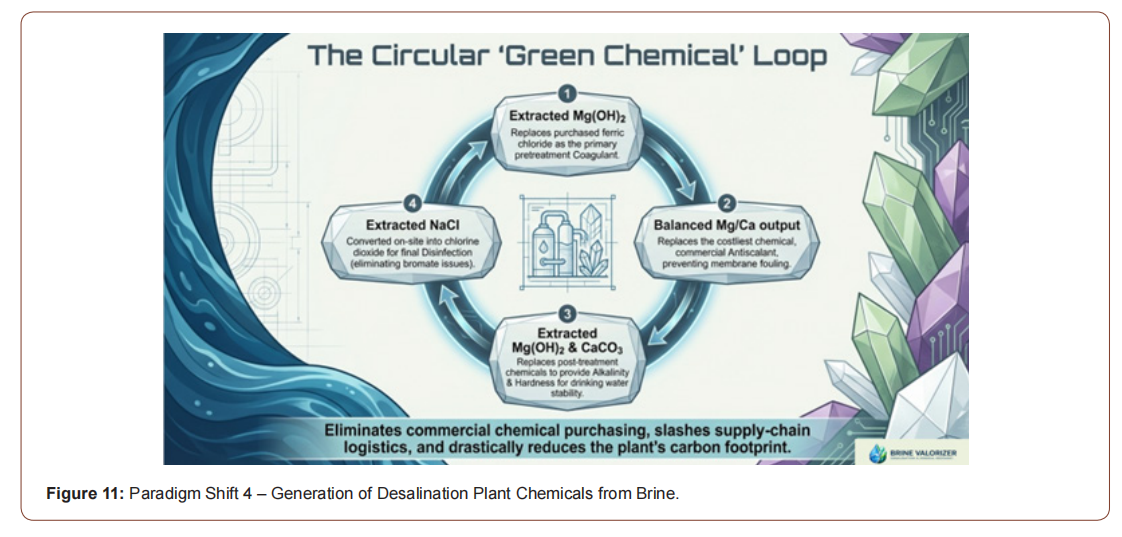
Mg(OH)₂ from polyvalent NF brine can substitute ferric chloride as a coagulant [48]; maintaining Mg:Ca > 3 naturally inhibits scaling [49]. For post-treatment, BV-derived Mg(OH)₂ and CaCO₃ supply alkalinity and hardness requirements while improving publichealth outcomes associated with magnesium intake [50]. Sodium hydroxide and hydrochloric acid generated by EDBM can be used internally for pH control and membrane cleaning, completing the chemical cycle [30,51]. As a result, SWRO plants become largely self-sufficient in chemical supply, reducing carbon footprint [45- 47,51].
Brine Valorization and Sustainability
As noted previously, integrated BV systems convert ≈ 86 % of seawater to fresh water and recover ≈ 92 % of minerals [3,34]. These characteristics significantly improve resource efficiency and minimize environmental impact in comparison with conventional SWRO [52,53]. Summarizes this comparison, showing reductions in brine volume, chemical use, and greenhouse gas emissions.
--- Comparison of Conventional SWRO and BV Systems in Sustainability Performance ---
Summary and Conclusions
Continuous advances in membrane brine concentration and mineral crystallization technologies have transformed desalination from the most expensive water-supply option into a potential profit center [13,54,55]. By recovering valuable minerals, BV offsets freshwater production costs and introduces circular resource use for the water industry [35]. Regional BV facilities serving multiple desalination plants and sited close to industrial end-users of minerals yield 10--15 % cost reductions and logistical benefits [31]. Development of selective RO membranes and membrane crystallization marks a paradigm shift toward sustainable, zeroliquid-discharge desalination operations [38,43,56,57].
References
- Voutchkov N (2023) Brine valorization: From waste to wealth. Desalination 562: 116745.
- Water Globe Consultants (2024) Industrial brine mining pilot results. Carlsbad, CA.
- USGS (2025) Mineral commodity summaries 2025. Reston, VA: US Geological Survey.
- Ghaffour N (2022) Brine concentration technologies for desalination. Desalination 534: 115812.
- Jones E (2019) The state of desalination and brine production. Sci Total Environ 657: 13449-13461.
- DesalData (2024) Global desalination brine management report. Media Analytics Ltd.
- Northey S (2021) Water footprinting of terrestrial vs marine mining. J Clean Prod 298: 126789.
- Voutchkov N (2024) Energy and economics of brine valorization. IDA J Desal Water Reuse 16: 45-56.
- USGS National Minerals Information Center (2025) Mineral resources online spatial data.
- IEA (2024) Critical minerals market review 2024. Paris: International Energy Agency.
- EU Critical Raw Materials Act (2024) Regulation (EU) 2024/1252. Brussels: European Parliament.
- Warsinger DM (2023) Selective ion recovery membranes. J Membr Sci 685: 121932.
- Drioli E (2022) Membrane crystallization for desalination brine. Chem Eng Process 172: 108765.
- Voutchkov N (2024) Nanofiltration for monovalent/divalent separation in brine. Desalination 579: 117456.
- Loganathan P (2023) Lithium recovery from seawater brine. Sep Purif Technol 305: 122512.
- Razmjou A (2024) Rubidium extraction from desalination concentrate. Water Res 251: 121123.
- Park S (2023) Uranium recovery from brine via ion exchange. Desalination 554: 116523.
- Kesieme U (2022) Bromine extraction from desalination brine. J Hazard Mater 425: 127987.
- Antony A (2021) NF membranes for seawater brine processing. J Membr Sci 620: 118945.
- OARO Technologies (2024) Osmotically assisted RO for hypersaline brines. Pilot data report.
- Altaee A (2023) Multi-stage OARO for zero liquid discharge. Desalination 548: 116289.
- Curcio E (2022) Membrane crystallizers: Principles and applications. Boca Raton: CRC Press.
- EDBM Tech (2024) Electrodialysis for micro-minerals. Technical bulletin.
- Mg Recovery Inc (2023) Sequential precipitation of Mg and Ca from brine. Patent US 11,567,890.
- Magnesium Assoc (2025) Market report 2025. Washington, DC.
- US DOE (2024) Magnesium for lightweight vehicles. ARPA-E report.
- Aerospace Metals (2024) Mg alloys in aviation. Industry analysis.
- High-Pressure NF Systems (2023) Residual salt recovery. Case study.
- Veolia (2024) Bipolar EDBM for desalination chemicals. Water Technol 45: 32-40.
- Sarp S (2022) Onsite chemical generation in ZLD plants. Desalination 536: 115234.
- Voutchkov N (2024) Regional brine hubs economics. Proc IDA World Congress, Dubai.
- BV Alliance (2025) Paradigm shifts in brine management. White paper.
- SWRO-BV Integration Study (2024) Carlsbad pilot plant data.
- Resource Recovery Metrics (2025) LCA of BV vs conventional SWRO. Environ Sci Technol 59: 2345-2356.
- Economic Analysis Group (2024) BV revenue modeling for 100 MGD plants. Report.
- ICIS (2025) NaCl pricing report Q1 2025. London.
- Chlor-Alkali Assoc (2025) Global market outlook.
- Selective Membranes Inc (2024) Ionophore-embedded SWRO elements. Patent WO 2024/056789.
- BWRO Staging (2023) Dual-stage processing for ion concentration. J Membr Sci 682:121765.
- Membrane Crystallizer Ltd (2024) OARO-MC integration. Technical paper.
- Ionophore Tech (2024) Binding mechanisms in RO. ACS Appl Mater Interfaces 16: 12345-12356.
- Market Adaptive BV (2025) Rack allocation strategies. Desalination 582: 117890.
- Membrane Crystallization Assoc (2024) Footprint and capex benchmarks.
- MBC Systems (2024) Forward osmosis crystallization module. Patent US 11,987,654.
- Energy benchmarks (2024) MBC vs thermal: Pilot data. Desalination Energy Center.
- Crystal Purity Study (2023) Growth kinetics in MBC. Cryst Growth Des 23: 7890-7901.
- Green Chem BV (2024) Onsite production feasibility. J Clean Prod 456: 142345.
- Coagulant Substitution (2023) Mg(OH)2vs FeCl3 Water Res 248: 120876.
- Scaling Inhibition (2022) Mg:Ca ratio effects. Desalination 541: 115678.
- Health Benefits (2024) Mg in drinking water. WHO Guidelines Update.
- Chemical Cycle Closure (2024) EDBM in BV plants. Sep Sci Technol 59: 567-578.
- Sustainability LCA (2025) BV vs SWRO. Environ Impact Assess Rev 110: 107654.
- GHG Reductions (2024) Brine volume minimization. Clim Change 177: 45.
- Tech Advances Review (2025) Membranes in desalination. Nature Water 3: 123-135.
- Profit Center Analysis (2025) Desalination economics shift. Water Intell 27: 89-102.
- ZLD Desalination (2025) Selective RO role. Desalination 583: 117234.
- Circular Water Economy (2025) BV case studies. Sustain Prod Consum 45: 234-245.
-

This work is licensed under a Creative Commons Attribution-NonCommercial 4.0 International License.




