




 Research Article
Posterior Urethral Distraction Defect Management
Audited in Underserved Sudanese Patients
Received Date: July 16, 2025; Published Date: August 07, 2025
Abstract
Background: Posterior pelvic fracture urethral distraction defect (PFUDD) is a significant urological challenge, often leading to disabling
complications. While various management strategies exist, suprapubic catheterization followed by delayed anastomotic urethroplasty remains the
cornerstone of treatment. However, surgical intervention for posterior urethral strictures presents inherent difficulties, including limited access,
restricted urethral length, extensive surrounding fibrosis, and the small caliber of the bulbar urethra, which is prone to ischemic injury. These factors
contribute to complications such as stricture recurrence, incontinence, and erectile dysfunction (ED). This study aims to describe the recurrence
rates and complications associated with PFUDD treated by delayed perineal anastomotic urethroplasty.
Patients and Methods: This retrospective, multicenter, hospital-based descriptive study reviewed the medical records of over 100 patients who
underwent delayed perineal urethroplasty for PFUDD between 2014 and 2021. Of these, 43 patients were successfully contacted and interviewed
via a structured telephone questionnaire.
Results: The total patients whom they underwent delayed perineal urethroplasty for PFUDD recorded were 100 patients. The mean age of the
patients was 30 +10 SD years (range: 10-54 years). Notably, 9 (21%) of the surgeries were performed for recurrent strictures following previous
urethroplasty. After catheter removal, 4 (9%) patients reported a weak urinary stream; one improved after direct visual internal urethrotomy
(DVIU), while the remaining three were scheduled for repeat urethroplasty. At one-year follow-up, 4 (10%) patients experienced a weak stream, all
of whom reported this immediately after catheter removal. By the second year of follow-up, 34 patients were available for assessment, with only one
(2.9%) developing a weak stream. Furthermore, 23, 5, and 4 patients reached their third, fourth, and fifth year of follow-up, respectively, all reporting
a good urinary stream. At one-year follow-up, 5 (12%) patients reported incontinence; 4 had mild stress urinary incontinence, and one was referred
for a continence procedure. Among 27 patients with satisfactory preoperative erectile function, 8 (30%) developed weak erections post-surgery.
Conclusion: Based on the findings of this study, the most common complications following delayed perineal anastomotic urethroplasty for
PFUDD, in descending order of frequency, are erectile dysfunction in 27%, stricture recurrence 8%, and incontinence 4%.
Introduction
Posterior pelvic fracture urethral distraction defect (PFUDD) represents a severe and complex urological injury resulting from pelvic trauma, most commonly high-energy motor vehicle accidents [1]. These injuries can lead to complete urethral disruption, resulting in lifelong complications such as recurrent stricture, urinary incontinence, and Erectile Dysfunction (ED), significantly impacting patients’ quality of life [2-4]. Effective management of PFUDD requires a comprehensive understanding of its pathophysiology, accurate diagnostic imaging, and meticulous surgical techniques.
Initial Management and Diagnostic Modalities
The immediate priority in patients with pelvic fracture and suspected urethral injury is stabilization of the patient and urinary drainage. Current consensus favors initial suprapubic cystostomy (SPC) placement to divert urine and allow for resolution of hematoma and inflammation, followed by delayed definitive reconstruction [5]. While primary urethral realignment (PR) has been explored, its benefits over delayed repair remain a subject of debate. Proponents of PR suggest it may reduce the need for subsequent complex surgery and potentially lead to a quicker return to spontaneous voiding [6,7]. However, studies have shown varying outcomes regarding stricture rates, incontinence, and ED following PR versus delayed urethroplasty, with some reporting increased rates of complications with primary realignment [6,8]. Therefore, delayed anastomotic urethroplasty after 3 months is often considered the standard of care in high-volume centers [5].
Accurate preoperative assessment of the urethral defect is crucial for surgical planning. Retrograde urethrography (RUG) is the traditional imaging modality used to delineate the anterior urethra and the extent of the stricture [1,9]. However, its ability to accurately visualize the proximal extent of the distraction defect and the prostate apex can be limited. Modern cross-sectional imaging, such as magnetic resonance imaging (MRI) and sonourethrography, offer superior soft tissue resolution and can provide more detailed information regarding stricture length, surrounding fibrosis, and the relationship of the prostatic apex to the pubic symphysis [1,10]. Despite these advancements, the precise role of these newer imaging techniques in predicting the exact surgical maneuvers required for a tension-free anastomosis remains somewhat undefined [2,9].
Surgical Management: Delayed Perineal Anastomotic Urethroplasty
Delayed perineal anastomotic urethroplasty is the gold standard for PFUDD repair, aiming to achieve a wide, tension-free, mucosa-to-mucosa anastomosis [11]. The success rates for primary delayed anastomotic urethroplasty are reported to be high, ranging from 77% to 95% [4]. The surgical approach typically involves a progressive perineal technique, which includes several maneuvers to bridge the urethral gap:
a) Complete mobilization of the bulbar urethra: This is the
initial and often most effective step, allowing for significant
lengthening of the anterior urethra [11,12].
b) Crural separation: Separation of the corpora cavernosa in
the midline creates additional space, reducing the distance to
the prostatic apex [11,12].
c) Inferior pubectomy: A wedge resection of the inferior
pubic bone can further straighten the urethral course and
facilitate tension-free anastomosis, particularly in more
extended defects [11,12]. The incidence of inferior pubectomy
varies, influenced by factors such as injury mechanism and
geographic location [5].
d) Supracrural rerouting: In cases of extremely long defects,
the urethra may be rerouted Supracrural [11].
For highly complex cases, such as those with associated bladder neck abnormalities, periurethral cavities, or extensive bony abnormalities, an abdomino-perineal approach with transpubic anastomosis may be necessary [4,11]. The primary goal of all these maneuvers is complete excision of the fibrotic scar tissue and creation of a healthy, tension-free anastomosis [11].
Complications and Outcomes
Despite high success rates with modern surgical techniques, PFUDD repair is associated with a range of potential complications. The most commonly reported complications include stricture recurrence, urinary incontinence, and erectile dysfunction [2,3].
Stricture Recurrence: While anastomotic urethroplasty boasts high success rates, restenosis remains a concern, occurring in a minority of cases, often amenable to redo urethroplasty [2]. Factors contributing to recurrence include inadequate scar excision, tension at the anastomosis, and poor vascularity [11].
Urinary Incontinence: Postoperative incontinence can range from mild stress urinary incontinence to severe continuous leakage [3]. The integrity of the bladder neck and external urethral sphincter are crucial for continence, and injury to these structures during the initial trauma or subsequent surgery can predispose to incontinence [5,13].
Erectile Dysfunction (ED): ED is a frequent and often distressing complication, with reported rates varying widely. The trauma itself can damage the neurovascular bundles responsible for erection, and surgical dissection in the pelvic region can exacerbate this injury [1,3]. Studies have indicated that a significant percentage of patients who were potent preoperatively may develop ED after surgery [3].
Long-term follow-up is essential to monitor for complications and assess functional outcomes. Patient-reported outcomes and quality of life are increasingly recognized as critical measures of success [4,14]. While anatomical restoration is paramount, the ultimate goal is to restore normal voiding, achieve continence, and preserve sexual function, thereby improving the overall quality of life for these patients.
General algorithm
To meticulously assess the comprehensive outcomes of
posterior urethral distraction defect management within the
Sudanese patient population. Specific Objectives:
a) To delineate the efficacy and associated complications
of trans-perineal end-to-end anastomotic urethroplasty in
Sudanese patients suffering from posterior urethral strictures
secondary to pelvic fracture.
b) To critically evaluate the incidence and characteristics of
recurrent urethral strictures following surgical intervention.
c) To precisely ascertain the prevalence and grading of
postoperative urinary incontinence.
d) To rigorously determine the incidence and nature of
erectile dysfunction arising after surgical management.
Based on the meticulous assessment of outcomes in Sudanese patients undergoing management for posterior urethral distraction defects, the following conclusions are drawn:
Patients and methods
This study employed a retrospective multicenter hospitalbased descriptive design to assess the comprehensive outcomes of posterior urethral distraction defect (PFUDD) management in Sudanese patients. The investigation spanned an eight-year period, covering cases from 2014 to 2021.
Study Population and Sampling
The study population comprised male patients who underwent trans-perineal bulbo-prostatic anastomotic urethroplasty for posterior urethral injury, with all strictures etiologically linked to pelvic fractures. A full coverage sampling approach was utilized, including all eligible patients treated within the defined timeframe at the participating centers.
Inclusion Criteria:
a) Male patients who underwent trans-perineal bulboprostatic
anastomotic urethroplasty.
b) Etiology of urethral stricture exclusively due to pelvic
fracture.
Exclusion Criteria:
a) Patients with urethral-rectal fistulas.
b) Patients with concurrent bladder neck injuries. Patients
with iatrogenic false passages.
c) Patients who were treated using a combined abdominalperineal
surgical approach, as this method is associated with a
distinct set of complications not within the scope of this study.
d) Medical records of over 100 eligible patients who
underwent delayed perineal urethroplasty for PFUDD
were initially reviewed. From this cohort, 43 patients were
successfully contacted and interviewed via a structured
telephone questionnaire to gather detailed follow-up data.
Preoperative Evaluation
Prior to surgical intervention, all patients underwent a comprehensive preoperative evaluation. This included a detailed clinical history, thorough physical examination, and urine culture to rule out infection. Anatomical assessment of the urethral distraction defect was performed using a combination of retrograde urethrography and voiding cystourethrography. These imaging modalities were specifically utilized to accurately measure the length of the distraction defects.
Surgical Procedure
All included patients underwent perineal excision and primary
anastomotic urethroplasty after providing written informed
consent. Patients were positioned in the lithotomy position for
the procedure. A stepwise approach to urethral mobilization was
consistently applied:
a) Complete mobilization of the bulbar urethra.
b) Separation of the cavernous bodies.
c) Inferior pubectomy was performed in cases with a
urethral defect length of 3 cm or more. This involved the removal
of bone tissue from the inferior aspect of the pubis to ensure a
tension-free bulbo-prostatic urethral re-anastomosis.
The distal urethra was then carefully inserted through the incised cavernosal septum. The urethral stumps were meticulously anastomosed using **6- 8 interrupted sutures of 4/0 Vicryl. A 16- 18 French silicone Foley catheter was subsequently placed in the urethra. To prevent dead space formation, the defect created by the excised pubic synchondrosis was filled with the bulbocavernosus muscle or surrounding adipose tissue. The suprapubic ostomy, placed during initial management, was retained. Surgical drains were not routinely placed; if used, they were removed from 2-3 days post- surgery.
Postoperative Management and Follow-up
Patients were typically discharged from the hospital 7 days post-surgery. Urethral catheters were removed 3 to 4 weeks after the operation. A cystourethrography** was performed 1 week following catheter removal to assess anastomotic patency. The suprapubic catheter was removed only after the patient consistently voided smoothly for 2-3 consecutive days. Surgical success was defined as the patient being free of stricture-related obstruction and not requiring any further intervention (e.g., dilatation, repeat urethroplasty, or self-catheterization). Surgical failure was defined as persistent stricture, development of recurrent stenosis necessitating repeated urethral dilatation or other definitive therapy, or the requirement for self-catheterization.
Data Collection and Analysis
Data pertinent to the objectives, including details on recurrence of stricture, urinary incontinence, and erectile dysfunction, were primarily collected through structured telephone interviews with the accessible patient cohort. Detailed data analysis was conducted to evaluate the incidence and characteristics of these outcomes, directly addressing the specific objectives of the study.
Results
Out of more than 100 cases underwent urethroplasty for posterior urethral distraction defect only 43 were enrolled in this study as they had complete records. Mean patient (age) 30 +10 (10-54) years (Figure 1). The surgery was performed in 4 different hospitals. Only 5 patients (12%) have been subjected to surgery for their pelvic fracture (Figure 2), around 44% of patient were operated on for their PUDD within 6-12 months of trauma or previous intervention (Figure 3). And 9 patients (21%) have a redo surgery for recurrent strictures after previous failed urethroplasty (Table 1). blood transfusion was needed in12 patients (27%) (Table 2). The mean hospital stay was less than7days and 7 % of patients developed SSI.
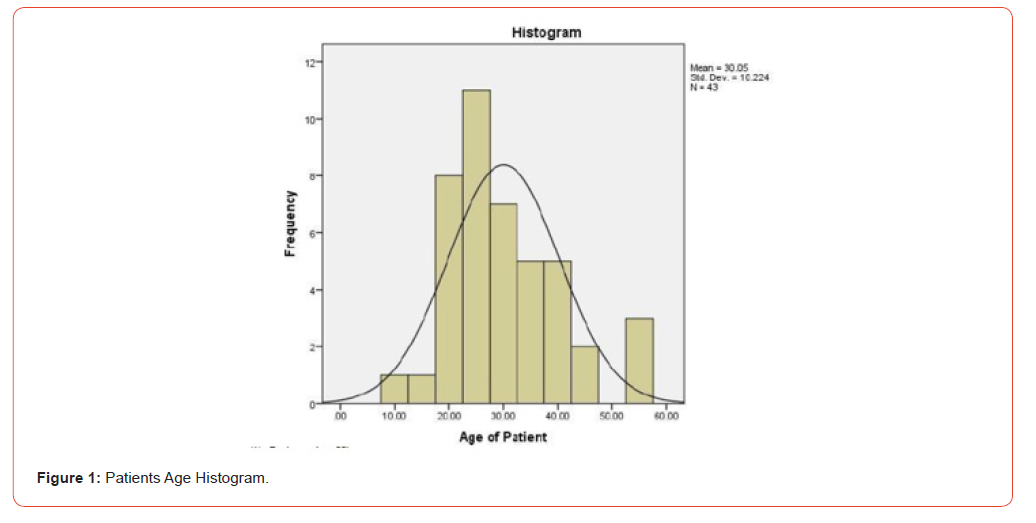
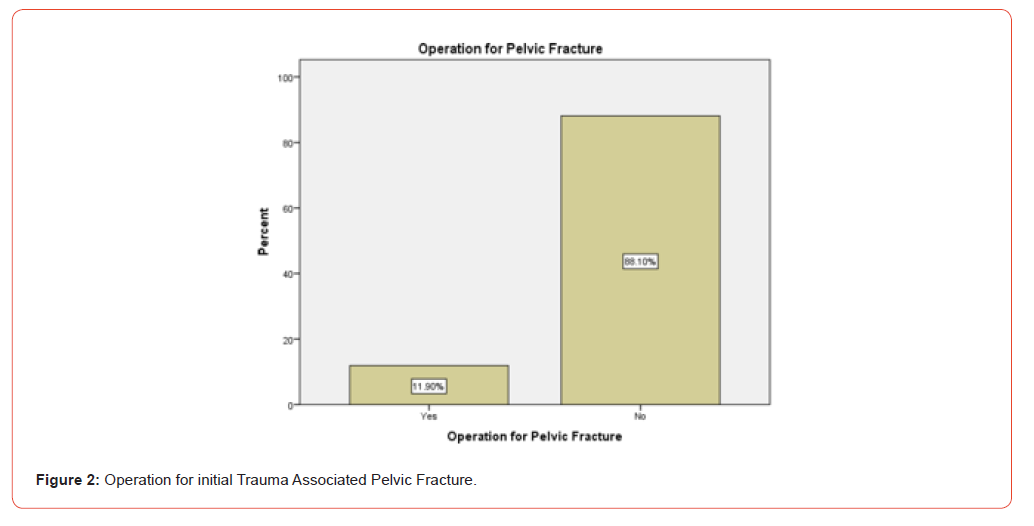
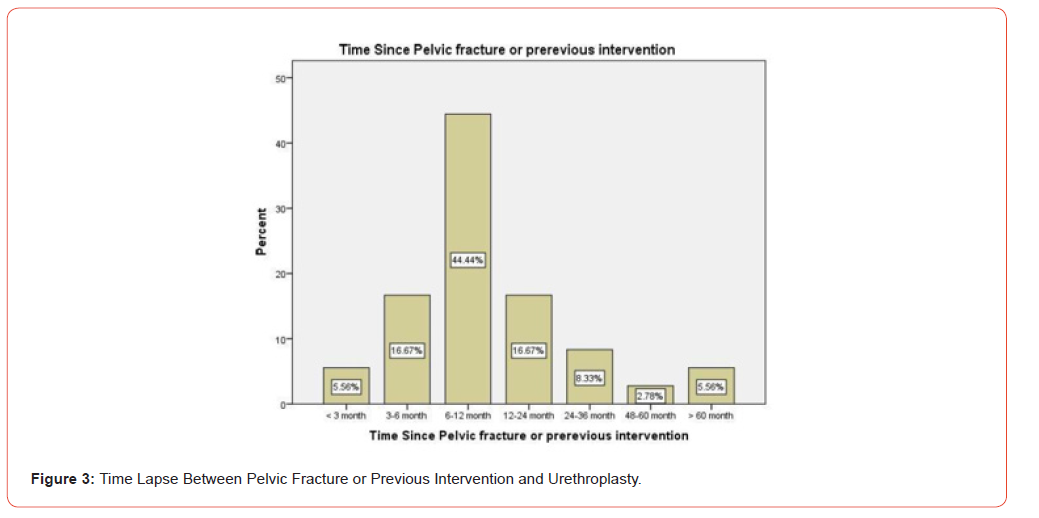
Table 1: Socio-demographic characteristics of the administrative staff.

Table 2: Blood Transfusion requirement.
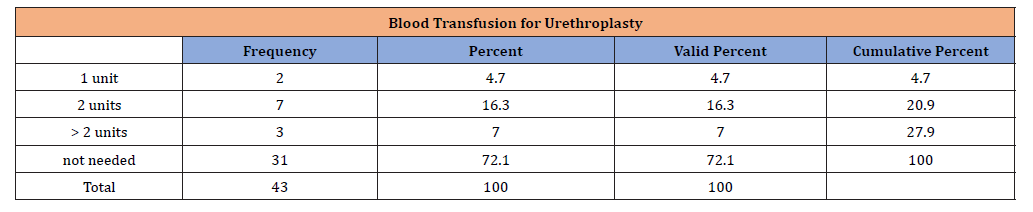
Table 3:Post Operative Hospital Stay
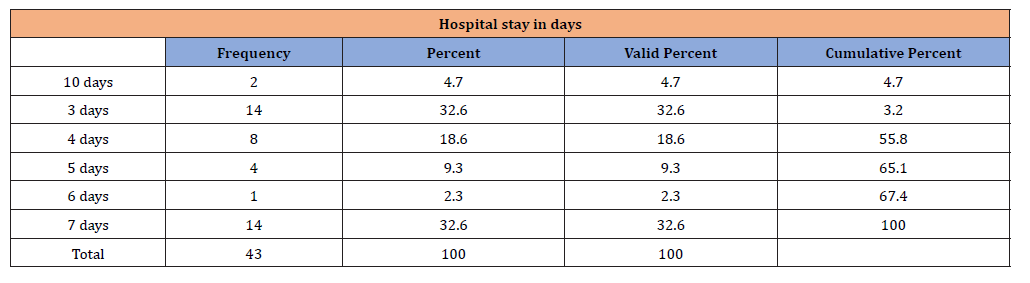
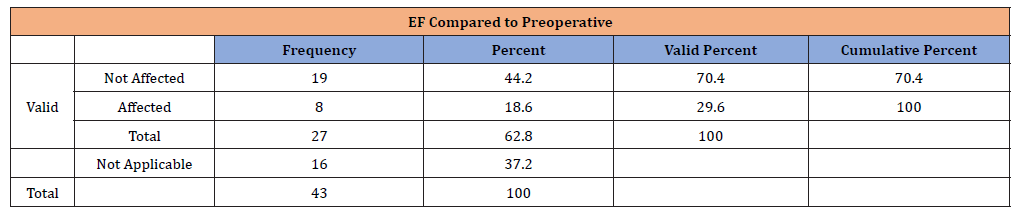
After catheter removal only 4 (9%) of patients have voiding difficulties denoting primary failed procedures that confirmed by urethrography and urethroscopy; one underwent DVIU and improved while, the remaining three patients were planned for another urethroplasty (Table 3 & Table 4). After one year of follow up 4 (10%) patients have failed procedure, all of them reported immediately after catheter removal and 4 patients did not included because they did not reached one year of follow up (Table 5). 34 patients reached the 2nd year of follow up; one them (2.9%) developed weak stream. 23, 5, and 4 patients reached 3rd, 4th and 5th year of follow up; respectively all of them have good stream (Table 6) Five patients (12%) remained incontinent after one year of follow up. 4 have mild stress urinary incontinence and one needed surgical intervention for management of his incontinence (Table 7). Before surgery, out of 39 patients, 12 (31%) have weak erectile function. Of the remaining 27 patients who have satisfactory erectile function 8 (30%) developed weak erection after surgery (Table 8). There is significant correlation between urinary stream status after one year and age, operation for pelvic fracture, history of transfusion for fracture and SSI, p- value 0.034, 0.044, 0.040and 0.034 respectively. But no significant correlation could be demonstrated between urinary stream status after one year and time since fracture, preoperative erectile function, post operative drippling and transfusion for urethroplasty, p- value 0.113, 0.179.0.418 and 0.085 respectively.
Table 4:Urinary Stream Outcome Immediately After Catheter Removal.

Table 5:Urinary Stream Outcome After One Year.
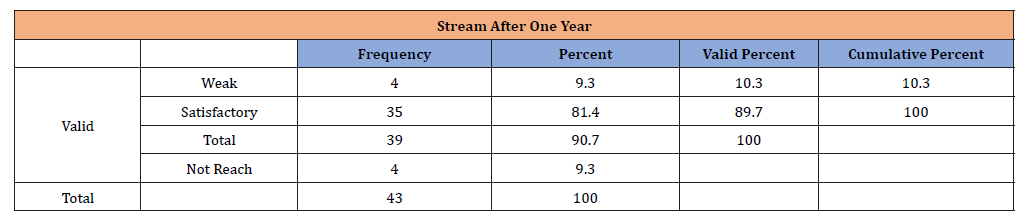
Table 6:Urinary Stream Outcome After Two, Three, Four and Five Years.

Table 7:Post Operative Urinary Incontinence.

Table 8:Erectile function Before and After surgery
Discussion
Study Design and Patient Characteristics
The study’s initial exclusion of a significant number of cases (only 43 enrolled out of >100 due to “complete records”) suggests a retrospective design. While common in surgical outcome studies, this introduces a substantial risk of selection bias, as patients with incomplete data might differ systematically from those with complete records, potentially skewing the observed outcomes [16]. The mean patient age of 30±10 years (range 10-54) is consistent with the typical demographic of PUDD, which often results from pelvic trauma in younger, active males [17].
The involvement of four different hospitals raises concerns regarding potential heterogeneity in surgical techniques, postoperative care protocols, and surgeon experience, which can significantly influence outcomes in complex reconstructive procedures like urethroplasty [18]. The finding that only 12% of patients had prior pelvic fracture surgery is notable, as PUDD is frequently associated with such injuries. This might indicate a cohort with a diverse etiology of urethral injury or perhaps a selection bias towards less complex cases, though further detail on injury mechanisms is lacking. The timing of intervention, with 44% of patients undergoing surgery within 6-12 months of trauma, aligns with the general principle of allowing initial healing and inflammation to subside before definitive urethroplasty [19]. The 21% rate of redo surgeries for recurrent strictures highlights the challenging nature of PUDD management and the common occurrence of recurrence even after initial urethroplasty [20]. The 27% blood transfusion rate and 7% SSI rate are within the reported ranges for major urological surgeries, though detailed definitions of SSI and transfusion triggers are not provided, limiting direct comparison [21].
Outcomes Evaluation
Voiding Function and Stricture Recurrence
The immediate post-catheter removal voiding difficulties in 9% of patients, confirmed as primary failures, is a crucial early indicator. The one-year failure rate of 10% is commendable and compares favorably with reported success rates for bulbo-prostatic anastomosis, which typically range from 70-90% in various series [22,23]. The long-term follow-up data, extending up to 5 years for a subset of patients, is a strength. The observation that only one patient (2.9%) developed a weak stream by the second year, with good streams maintained in patients followed up to 5 years, suggests durable results in the successful cohort. However, the decreasing number of patients reaching longer follow-up points (34 at 2 years, 23 at 3 years, 5 at 4 years, 4 at 5 years) introduces a significant limitation. The small sample size at later time points makes these long-term success rates less generalizable and susceptible to chance findings. It is also important to clarify if “good stream” was objectively measured (e.g., uroflowmetry) or subjectively reported, as subjective assessments can be less reliable.
Continence
Post-operative incontinence, affecting 12% of patients at one year, is a recognized complication of posterior urethral repair, particularly in cases involving extensive dissection or prior injury to sphincter mechanisms [24]. The breakdown into mild Stress Urinary Incontinence (SUI) and one patient requiring surgical intervention provides valuable insight. This rate is within the expected range, as SUI can occur in 5-20% of patients after PUDD repair, depending on the severity of the initial injury and surgical technique [25].
Erectile Function
The study’s assessment of erectile function is important. A preoperative weak erectile function in 31% of patients is consistent with the known association between pelvic trauma causing PUDD and concurrent neurovascular injury leading to erectile dysfunction (ED) [26]. The development of new or worsened weak erection in 30% of patients with pre-operative satisfactory function highlights that urethroplasty, despite being reconstructive, can further impact erectile nerves or blood supply. This rate is also within the reported range for ED after PUDD repair, which can vary widely (e.g., 20- 50%) depending on the definition and assessment methods [27]. The study does not specify the method of ED assessment (e.g., validated questionnaires like IIEF-5), which is a limitation.
Correlational Analysis
The identified significant correlations between one-year urinary stream status and age, operation for pelvic fracture, history of transfusion for fracture, and SSI are clinically plausible. Older age and more complex initial injuries (indicated by pelvic fracture surgery and transfusion for fracture) are often associated with poorer outcomes due to tissue quality, comorbidities, and extent of initial trauma [28]. Surgical site infections are known to impair wound healing and can contribute to stricture recurrence [29]. Conversely, the lack of significant correlation with time since fracture, pre-operative erectile function, post- operative dribbling, and transfusion for urethroplasty is also informative. The absence of correlation with time since fracture suggests that within the studied range, the timing of delayed repair may not be a primary determinant of stricture recurrence, provided the initial inflammation has resolved. The independence from pre- operative ED implies that the factors influencing stricture recurrence are distinct from those affecting erectile function. The non-correlation with post-operative dribbling (likely signifying mild SUI or terminal dribbling) further suggests that minor continence issues do not necessarily predict stricture recurrence.
Conclusion
This study provides valuable preliminary data on the management of posterior urethral distraction defects in a Sudanese patient population. The reported one-year success rate for voiding function is encouraging and aligns with international benchmarks. The long-term follow-up, though limited by sample size, suggests durable
outcomes in a subset of patients. The observed rates of incontinence and erectile dysfunction are consistent with known complications of PUDD and its repair. The correlational analysis offers insights into factors influencing stricture recurrence. However, the retrospective design, potential for selection bias, and small long-term cohort necessitate cautious interpretation of the findings. Future prospective studies with larger cohorts, standardized surgical techniques, objective outcome measures, and detailed reporting of patient and stricture characteristics are needed to confirm these findings and further optimize the management of PUDD in this region.
Limitations
Retrospective Design and Selection Bias: The primary
limitation is the retrospective nature and the exclusion of over half
the initial cohort due to incomplete records, which can introduce
significant bias and limit the generalizability of findings.
Small Sample Size for Long-term Data: The dwindling
number of patients at later follow-up points weakens the statistical
power and reliability of long-term success rates.
Subjectivity of Outcomes: While not explicitly stated, terms
like “good stream” and “weak erectile function” may rely on
subjective patient reporting rather than objective measures (e.g.,
uroflowmetry, validated ED questionnaires), which can introduce
variability.
No Control Group: The study lacks a comparator group,
making it difficult to definitively attribute outcomes solely to the
intervention or compare its efficacy against alternative treatments.
References
- Morey AF, McAninch JW (1997) Reconstruction of posterior urethral disruption injuries: outcome analysis in 82 patients. J Urol 157(2):506-510.
- Sharma V, Kumar S, Kumar A, Kumar M (2011) Current concepts in the management of pelvic fracture urethral distraction defects. Indian J Urol 27(3):385-391.
- Joshi P, Kulkarni S, Morey AF (2019) Controversies in the management of pelvic fracture urethral distraction defects. Turk J Urol 45(1): 1-6.
- Saini DK, Janak Sinha R, Kumar Sokhal A, Singh V (2019) Analysis of anastomotic urethroplasty for pelvic fracture urethral distraction defect: Decadal experience from a high-volume tertiary care center. Urol Ann 11(1):77-82.
- Dixon AN, Webb JC, Wenzel JL, Wolf JS, Osterberg EC (2018) Current management of pelvic fracture urethral injuries: to realign or not?. Transl Androl Urol 7(4): 593-602.
- Mouraviev VB, Bullock TL, Santucci RA (2005) The treatment of posterior urethral disruption associated with pelvic fractures: comparative experience of early realignment versus delayed urethroplasty. J Urol 173(3): 873-876.
- Elliott SP, Barrett DM (2000) Primary realignment for pelvic fracture urethral injuries. J Urol 2000;164(6):1797-800.
- Barrett K, Braga LH, Farrokhyar F, TO Davies (2014) Primary realignment vs suprapubic cystostomy for the management of pelvic fracture-associated urethral injuries: a systematic review and meta-analysis. Urology 83(4): 924-929.
- Myers JB, McAninch JW. Management of posterior urethral disruption injuries. Nature Reviews Urology 6: 154–163.
- Koraitim MM (2009) Pelvic fracture urethral injuries: the personal experience of 35 years. Urology 73(6): 1227-1230.
- Webster GD, Peterson AC, Webster JC (2007) Repair of pelvic fracture urethral disruption. Urol Clin North Am 34(4): 537-544.
- Kulkarni SB, Joshi P, Ramírez Pérez EA (2019) Surgical Reconstruction of Pelvic Fracture Urethral Injury. In: Martins FE, Horta M, Rourke K (Ed) Textbook of Male Genitourethral Reconstruction. Cham (CH): Springer; 2020. Chapter 21.
- Mundy AR, Andrich DE (2011) Urethral strictures. BJU Int 107(1): 6-26.
- Singh V, Sinha RJ, Ranjan N (2015) Quality of life after urethroplasty for urethral stricture. Indian J Urol 31(2): 120-124.
- Lumen N, Oosterlinck W, Hoebeke P (2020) Recent advances in treatment of urethral stricture disease in men. F1000Res 9: 330.
- Vandenbroucke JP, von Elm E, Altman DG, Gøtzsche PC, Mulrow LC, et al. (2007) Strengthening the Reporting of Observational Studies in Epidemiology (STROBE): explanation and elaboration.
Int J Surg 12(12): 1500-24. - Lumen N, Kuehhas FE, D'Hondt F, Ost D, Hoebeke P, et al. (2011) Urethral stricture disease in young men: aetiology and management. BJU Int 108(11): 1733-1740.
- Palminteri E, Berdondini E, Verze P, De Nunzio C, Falsaperla M, et al. (2013) Contemporary urethral stricture management: a critical review of current evidence. Eur Urol 64(6): 957-967.
- Koraitim MM (2004) Pelvic fracture urethral injuries: evaluation of a new classification system. J Urol 171(4): 1219-1222.
- Bratzler DW, Dellinger EP, Olsen TM, Perl TM, Auwaerter RE, et al. (2013) Clinical practice guidelines for antimicrobial prophylaxis in surgery. Am J Health Syst Pharm 70(3):195-283.
- Webster GD, MacDiarmid SA, Coleman JW (1996) Posterior urethral reconstruction: a contemporary series. J Urol 156(2 Pt 2): 550-553.
- Morey AF, McAninch JW (1997) Reconstruction of posterior urethral disruption strictures: long-term results in 114 patients. J Urol 157(4): 1231-1236.
- Stefan Tritschler, Alexander Roosen, Claudius Füllhase, Christian G Stief, Herbert Rübben (2013) Urethral stricture disease: etiology, evaluation, and management. German Medical Association Int 110(13): 220-226.
- Flynn BJ, Webster GD Management of the pelvic fracture patient with urethral injury. Urol Clin North Am 33(4): 533-541.
- Mundy AR (2006) Management of posterior urethral strictures. BJU Int 97(1): 10-21.
- Koraitim MM (2006) Assessment of erectile function after posterior urethroplasty. Urology 67(3): 576-578.
- Santucci RA, Joyce GF, Wise M (2007) Male urethral stricture disease. J Urol 177(6): 1703-1714.
- Hampson SJ, Woodhouse CR (2006) Male urethral strictures and their management.
Nat Rev Urol 11(1): 43-50.
-

This work is licensed under a Creative Commons Attribution-NonCommercial 4.0 International License.




