



 Research Article
The Role of Nutrition in Children with Cystic Fibrosis: Managing the Impact of CFTR Modulator Therapies on Metabolism and Long-Term Health
11Iğdır State Hospital Internal Medicine Clinic, Turkey
22Department of Gastroenterology, Manisa Celal Bayar University Faculty of Medicine, Turkey
Received Date:October 30, 2025; Published Date:November 10, 2025
Abstract
Aim: Ulcerative colitis; It is an inflammatory disease of the colon that is common all over the world. Malnutrition may be seen in patients with
ulcerative colitis due to inadequate food intake, increased intestinal loss, decreased anabolism and protein synthesis, increased calorie need and
drugs used in treatment. It is thought that the disease is more severe in patients with malnutrition and that these patients are more resistant to
treatment. According to the results of our study, we think that eliminating malnutrition in patients and treating it accordingly will contribute to the
prognosis of the disease.
Method: The study is a retrospective and cross-sectional study and includes 140 patients diagnosed with Ulcerative Colitis who applied to Celal
Bayar University Hafsa Sultan Hospital Gastroenterology Polyclinic between 2017-2024. Malnutrition status of the patients was determined by the
MUST scale and disease severity was determined by the MAYO score.
Results: When the results regarding the MUST scale are examined; It was determined that 101 people (72.1%) were in the low-risk group, 27
people (19.3%) were in the medium risk group and 12 people (8.6%) were in the high-risk group. When the groups were compared according to
the MUST scale and MAYO scoring, a statistically significant connection was detected (χ2=16.940; p<0.001). According to this connection, it was
determined that 39 people (38.6%) in the low MUST group were in the MAYO mild severe group, and 30 people (76.9%) in the MUST medium/high
risk group were in the MAYO medium/severe risk group. It has been determined that those in the medium/high risk MUST class have very high
rates of MAYO medium/severe severity. This shows that the severity of malnutrition and the severity of the disease are proportional to each other.
Keywords:Ulcerative colitis; Malnutrition; MAYO scoring; MUST scale
Introduction
Ulcerative Colitis (UC) is a lifelong chronic inflammatory disease characterized by attacks and remissions in which continuous mucosal ulcerations may involve the entire colon, including the rectum. Symptoms of the disease range from mild symptoms to life-threatening symptoms [1]. The incidence and prevalence of ulcerative colitis vary according to age, gender, ethnic characteristics, geographical location, and socioeconomic status. The prevalence is approximately 21-246/100.000 [2]. The incidence in Turkey is 4.5/100,000 [3]. UC is most observed between the ages of 15-30 years. The second peak occurs around the age of 60-70 years. The incidence of the disease is equal in men and women [4].
The etiopathogenesis of Inflammatory Bowel Diseases (IBD), including ulcerative colitis, has not been fully explained. However, it is accepted that damage to the intestinal wall in UC occurs because of inflammation caused by triggering factors in genetically susceptible individuals. It is thought that genetic predisposition, bacterial antigens and mucosal immune response disorder are the major factors affecting intestinal inflammation [5,6].
UC is characterized by periods of remission and activation. The most common symptoms are diarrhoea, bloody and mucous stools, tenesmus and abdominal pain. In severe cases, fever and weight loss are added to the clinical picture. Intestinal involvement in UC starts from the rectum and extends to the proximal colon. The characteristic feature of this inflammatory involvement is that it progresses without leaving intact tissue in between. Involvement of the rectum is always present in all patients. In addition to rectal involvement, proctitis is observed in approximately 40% of patients, distal colitis in 30% and pancolitis in 30% [7]. Determining the severity of disease activity is important in predicting disease prognosis and deciding on treatment in UC patients. The severity of disease activity can be objectively measured using the Mayo clinical disease activity index. Mayo clinical activity index was used in this study. The scoring table according to the Mayo clinical activity index is shown in Table 1.
Malnutrition and Ulcerative Colitis Relationship
Malnutrition is a picture that develops due to inadequate and unbalanced nutrition, in which protein, energy, vitamin and trace elements deficiency is seen, increases the risk of morbidity and mortality, but can be corrected with appropriate nutritional support.
The European Society of Parenteral and Enteral Nutrition (ESPEN) and the British Association for Parenteral and Enteral Nutrition (BAPEN) developed MUST (Malnutrition Universal Screening Tool) as a screening method to detect the risk of malnutrition development in all healthcare settings using evidencebased criteria [8]. Body mass index (BMI) according to the MUST scale, unintentional weight loss in the last 3-6 months and the presence of any acute medical condition with inadequate food intake calculated for 5 days or longer are questioned. Accordingly, those with a total score of 0 points are considered low risk for malnutrition, those with a score of 1 point are considered medium risk, and those with a score of 2 points or more are considered high risk.
Nutritional deficiency is frequently encountered in patients with UC [9-13]. The factors responsible for nutritional deficiency are thought to include decreased nutrient intake due to symptoms such as abdominal pain, anorexia, nausea and restrictive diet, increased nutrients lost from the gastrointestinal tract due to symptoms such as diarrhea and vomiting, increased basal oxidative metabolism, infectious complications, side effects related to the drugs used and drug-nutrient interactions. In addition, affections in the sense of taste due to pro-inflammatory cytokines seen in vitamin and mineral deficiencies and pro-inflammatory cytokines with anorexic effect are also among the causes of nutritional deficiencies seen in UIC patients. In addition to all these, factors such as decreased absorption surface in the gastrointestinal system, intestinal resection, enteric fistulas, bacterial overgrowth, decreased fat absorption due to ileal involvement or resection cause malnutrition by decreasing absorption. According to the European nutrition guideline published by ESPEN, it is recommended that patients with UC should be regularly screened for nutritional status and malnutrition during diagnosis and treatment follow-up [14]. Our study, we investigated the effect of malnutrition on ulcerative colitis
Materials and Methods
The study is a retrospective and cross-sectional study and consists of 140 patients diagnosed with Ulcerative Colitis who applied to Celal Bayar University Hafsa Sultan Hospital Gastroenterology Outpatient Clinic between 2017 and 2023, received outpatient treatment and met the inclusion criteria. A questionnaire consisting of 16 questions was administered to the patients. Malnutrition screening was performed with the ESPEN-approved MUST scale. Body mass index was calculated as anthropomopetric measurements and triceps skinfold thickness was measured with Skinfold Caliper and noted. Ulcerative colitis severity was calculated with the Mayo score. Pregnant patients, patients with malignancy, patients aged 70 years and older and inpatients were excluded.
Statistical Analysis
Statistical analyses were performed using the SPSS (IBM SPSS Statistics 27) package program. Frequency tables and descriptive statistics were used to interpret the findings. Parametric methods were used for measurement values suitable for normal distribution. In accordance with parametric methods, “Independent Sample-t” test (t-table value) was used to compare the measurement values of two independent groups. Nonparametric methods were used for measurement values that were not suitable for normal distribution. In accordance with nonparametric methods, “Mann-Whitney U” test (Z-table value) method was used to compare the measurement values of two independent groups. “Pearson-χ2” cross-tabulations were used to examine the relationship between two qualitative variables. “Spearman” correlation coefficient was used to examine the relationship between two quantitative variables that do not have normal distribution.
Findings
The mean age of the patients was 44.35±12.95 (years). 38 people (27.2%) were in the <35 years age group. 73 people (52.1%) were male, 86 people (61.4%) were non-smokers and 62 people (44.3%) had <5 years of diagnosis. 86 people (61.4%) did not have chronic diseases, 20 people (14.3%) had other types of diseases, 110 people (78.6%) thought that nutrition affected the treatment, 71 people (50.7%) did not diet and 103 people (73.6%) did not consult a dietician.
64 (45.7%) had no extraintestinal involvement in their disease, 133 (95.0%) had not undergone an operation, 108 (77.1%) did not use probiotics and 87 (62.1%) did not think probiotics were beneficial. 130 (92.9%) did not use supplements, 121 (86.4%) did not use biological agents in treatment, 92 (65.7%) had no hospitalization due to exacerbation and 70 (50.0%) had symptoms.
Table 1:MAYO clinical activity index.
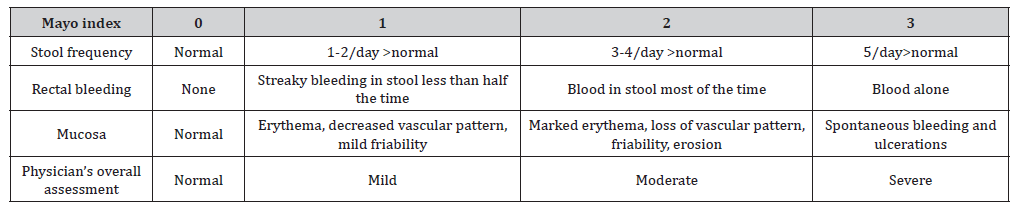
*Clinical remission if ≤2, 3-5 Mild activity, 6-10 Moderate activity, 11-12 Severe activity
Table 2:Distribution of general findings related to the study.
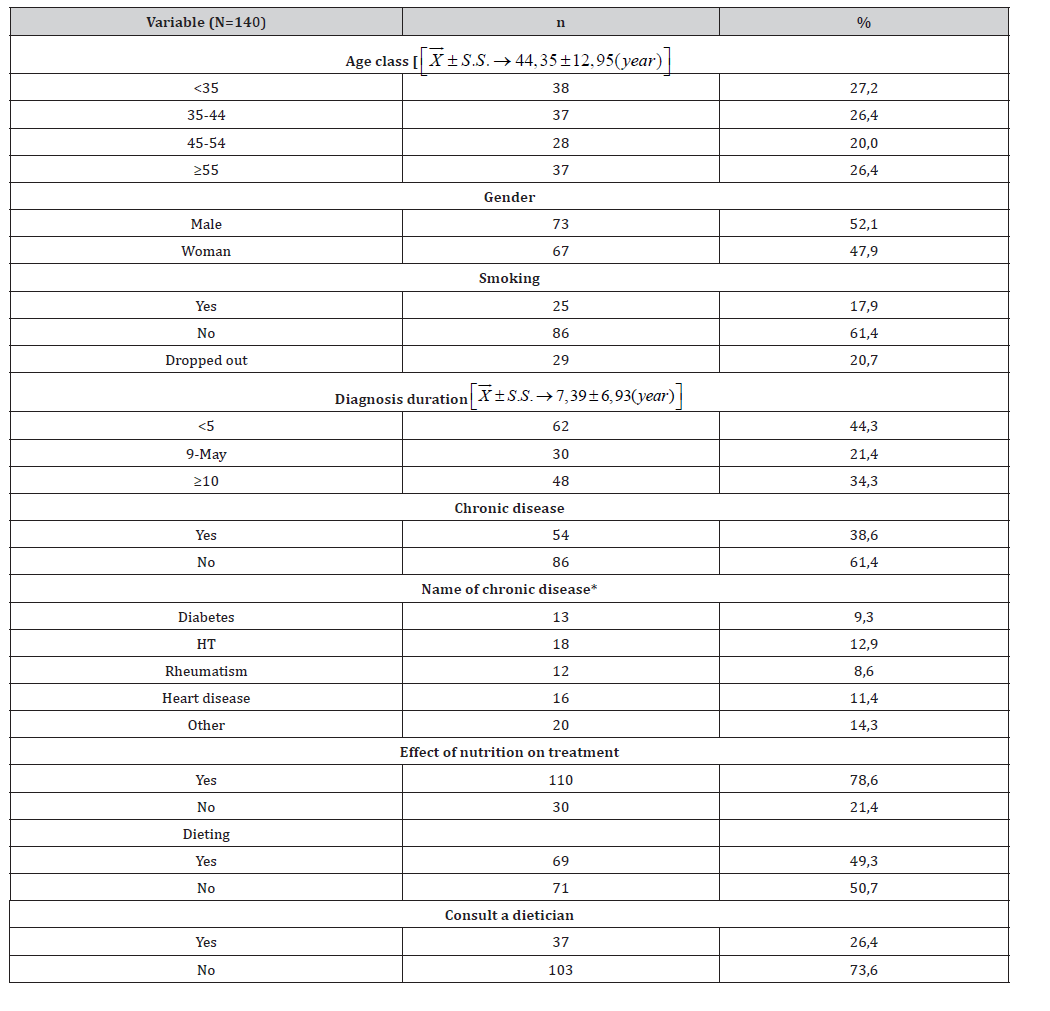
* More than one answer was given to the question, and percentages are given on a row basis according to the total number of samples.
Table 3:Distribution of general findings related to the study.
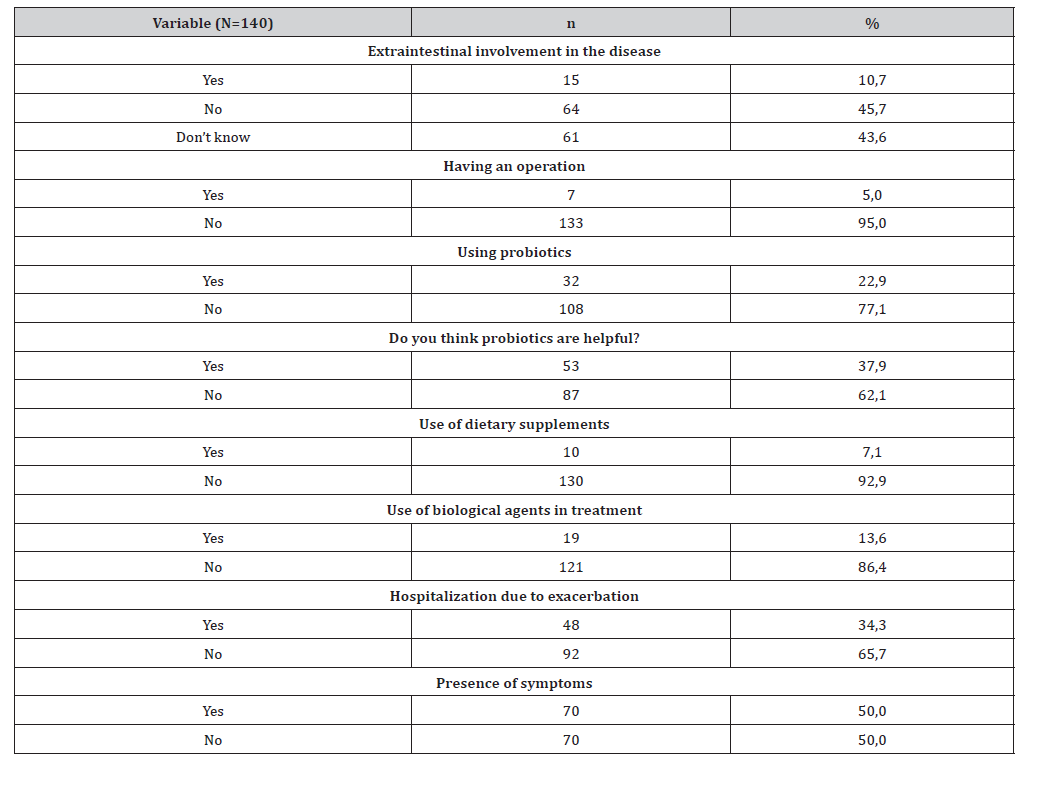
Table 4:Logistic Regression model based on MAYO moderate/severe severity status

Table 5:Distribution of findings regarding the MUST scale.
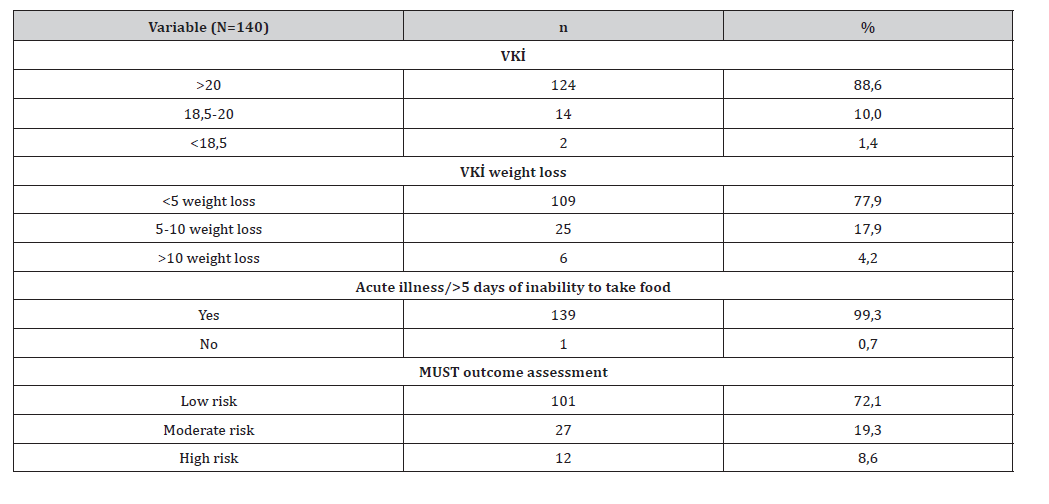
Table 6:Examining the relationships between MUST categories and MAYO categories.
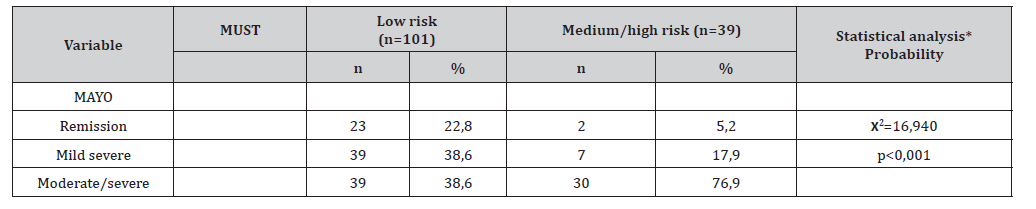
* “Pearson-χ2” cross tabulations were used to examine the relationship between two qualitative variables.
As a result of the logistic regression analysis using the vitamin D level value, which was significant in the univariate analysis that would affect the moderate/severe severity status of MAYO, it was determined that the vitamin D parameter was an important parameter affecting the moderate/severe severity status (p<0.05). When vitamin D increases by 1 unit, the risk of moderate/severe severity will decrease by 6.8% (OR=0.932).
When the results of the MUST scale were analyzed, it was determined that 101 (72.1%) people were in the low-risk group, 27 (19.3%) in the moderate risk group and 12 (8.6%) in the high-risk group. “Binary Logistic Regression” analysis was used to determine the factors affecting MUST moderate/high risk and MAYO moderate/severe severity.
According to the statistical results obtained in the study, there is a statistically significant relationship between MUST categories and MAYO categories (χ2=16.940; p<0.001). It was determined that 39 people (38.6%) in the MUST low group were in the MAYO mild severity group, while 30 people (76.9%) in the MUST moderate/ high risk group were in the MAYO moderate/severe risk group. It was determined that those in the medium/high risk MUST class had a very high rate of MAYO moderate/severe severity.
Discussion
In our study, MUST was used as a marker of malnutrition and MAYO scale was used as a marker of disease severity. By revealing the statistical relationship between the two scales, it was aimed to show that eliminating malnutrition can contribute to the remission of UC disease, thus reducing the need for hospitalization and increasing the comfort of life. When the results obtained in this direction were analyzed, a statistically significant relationship was found between MUST categories and MAYO categories. It was determined that 39 people (38.6%) in the low MUST score group had disease in mild severity according to the MAYO score, while 30 people (76.9%) in the medium/high risk group according to the MUST score had the disease in moderate/severe severity according to the MAYO score. Similarly, it was determined that a very high proportion of those in the medium/high risk MUST group had the disease in moderate/severe severity according to the MAYO score.
In literature, there are studies supporting our study [15,16]. In a study in which Cabre et al. examined nutrition in inflammatory bowel diseases, they found that the severity of malnutrition and the severity of ulcerative colitis were proportional to each other [15]. Lanfranchi et al. showed in their study that inflammatory bowel diseases and malnutrition were related to each other [13]. In a study conducted by Casanova et al., the factors most affecting malnutrition in ulcerative colitis patients were found to be clinical activity, previous abdominal surgery and dietary restriction during the attack [17]. Another parameter we examined in our study was vitamin D level in patients with UIC. Today, there are studies showing that vitamin D is associated with most diseases and that vitamin D has an important role in the etiology and treatment of diseases. In a study conducted by Andersen et al., it was reported that vitamin D was involved in the development of immunity by increasing antimicrobial products in the intestinal canal and this mechanism was found to be one of the dietary factors that are effective in the emergence of inflammatory bowel diseases in vitamin D deficiency [18]. In a study conducted by Ananthakrishnan et al. in 2013 with 3217 inflammatory bowel disease patients (45% UC), it was found that UC patients with vitamin D levels lower than 20 ng/m had a higher risk of surgery and hospitalization than patients with vitamin D levels ≥30ng/ml [19].
According to the results we obtained in our study, a statistically significant difference was found when we evaluated the vitamin D levels of the patients according to the MAYO disease activity index. Accordingly, vitamin D levels of patients with moderate/ severe severity were found to be significantly lower than those with remission. According to the results obtained in the logistic regression analysis, it was determined that vitamin D level was an important parameter affecting the moderate/severe disease status and it was seen that 1 unit increase in vitamin D level decreased the risk of moderate/severe severity by 6.8%. In the study conducted by Dolat Shahi et al., it was found that there was a negative correlation between UIC disease activation and vitamin D level in line with our study [20].
Declarations
This article has not received financial support from any institution or individual.
Conflicts of Interest
The author declares that they have no conflicts of interest
Ethical Approval and Consent to Participate
Consent to participate was obtained from the patients and ethical approval was obtained from the institution.
Consent to Publication
Informed consent was obtained from the relevant participants for the images we used in the publication.
Availability of Data and Materials
Not applicable.
Funding
Not applicable
Copyright
Tahir Buran 2025.
References
- Sajadinejad MS, K Asgari, H Molavi (2012) Psychological Issues in Inflammatory Bowel Disease: An Overview. Gastroenterol Res Pract.
- Kappelman MD, SL Rifas-Shiman, CQ Porter (2008) Direct health care costs of Crohn's disease and ulcerative colitis in US children and adults. Gastroenterology 135(6): 1907-1913.
- Tezel A, G Dokmeci, M Eskiocak (2003) Epidemiological features of ulcerative colitis in Trakya, Turkey. J Int Med Res 31(2): 141-148.
- Scott MM, Ekbom A (2002) Epidemiology of inflammatory bowel disease. Current Opinion in Gastroenterology 18: 416-420.
- Sands BE (2006) Crohn’s disease. In: Feldman M (ed). Sleisenger & Fordtran's gastrointestinal and liver disease. 8th edition. Boston: Saunders pp. 2459-2498.
- Lukas M, Bortlik M, Maratka Z (2006) What is the origin of ulcerative colitis? Still more questions than answers. Postgrad Med J 82: 620-625.
- D'Haens, G., K. Geboes, M. Peeters, et al. (1997) Patchy cecal inflammation associated with distal ulcerative colitis: a prospective endoscopic study." American Journal of Gastroenterology 92(8): 1275-1279.
- Sandhu A, Mosli M, Yan B, et al. (2016) Self-screening for malnutrition risk in outpatient inflammatory bowel disease patients using the Malnutrition Universal Screening Tool (MUST), J Parenteral and Enteral Nutrition 40(4): 507–510.
- Valentini L, Schaper L, Buning C, et al. (2008) Malnutrition and impaired muscle strength in patients with Crohn’s disease and ulcerative colitis in remission. Nutrition 24(7-8): 694-702.
- Bryant R V., Trott MJ, Bartholomeusz FD., et al. (2013) Systematic review: Body composition in adults with inflammatory bowel disease. Aliment Pharmacol Ther 38(3): 213-225.
- Massironi S, Viganò C, Palermo A, Pirola L, Mulinacci G, et al. (2023) Inflammation and malnutrition in inflammatory bowel disease. Lancet Gastroenterol Hepatol (6): 579-590.
- Russell LA, Balart MT, Serrano P, Armstrong D, Pinto-Sanchez MI (2022) The complexities of approaching nutrition in inflammatory bowel disease: current recommendations and future directions. Nutr Rev 80(2): 215-229.
- Viganò C, Palermo A, Mulinacci G, Pirola L, Losco A, et al. (2024) Prevalence of Disease-Related Malnutrition and Micronutrients Deficit in Patients with Inflammatory Bowel Disease: A Multicentric Cross-Sectional Study by the GSMII (Inflammatory Bowel Disease Study Group). Inflamm Bowel Dis 30(7): 1112-1120.
- Forbes A, Escher J, Hébuterne X, et al. (2017) ESPEN guideline: Clinical nutrition in inflammatory bowel disease. Clin Nutr 36(2): 321-347.
- Cabre E, Gassull MA (2001) Nutrition in inflammatory bowel disease: impact on disease and therapy. Curr Opin Gastroenterol 17(4): 342-349.
- Lanfranchi GA, Brignola C, Campieri M, et al. (1984) Assessment of nutritional status in Crohn's disease in remission or low activity. Hepatogastroenterology 31(3): 129-132.
- Casanova MJ, Chaparro M, Molina B, et al. (2017) Prevalence of Malnutrition and Nutritional Characteristics of Patients with Inflammatory Bowel Disease. J Crohns Colitis 11(12): 1430-1439.
- Andersen V, Olsen A, Carbonnel F, et al (2012). Diet and risk of inflammatory bowel disease. Digestive and Liver Disease. 44(3): 185-194.
- Ananthakrishnan AN, Cagan A, Gainer VS, et al. (2013) Normalization of plasma 25- hydroxy vitamin D is associated with reduced risk of surgery in Crohn‟s disease. Inflamm Bowel Dis 19(9): 1921–1927.
- Dolatshahi S, Pishgar E, Jamali R (2016) Does serum 25 hydroxy vitamin D level predict disease activity in ulcerative colitis patients? Acta Clin Belg 71(1): 46-50.
-

This work is licensed under a Creative Commons Attribution-NonCommercial 4.0 International License.


 a Creative Commons Attribution 4.0 International License. Based on a work at www.irispublishers.com.
Best viewed in

 | Above IE 9.0 version | Privacy Policy