


 Research Article
Coexistence of Agrobacterium tumefaciens and Rhizobium etli in Soil and Inside the Roots of Phaseolus vulgaris
Received Date:September 05, 2025; Published Date:October 14, 2025
Abstract
In the nodules induced by Rhizobium in legumes there is evidence that it is not the only genus that invades the roots of these plants as a
consequence of the absence of mineral nitrogen and water stress, which forces the legume to establish symbiosis with Rhizobium. However, from
the infection to the formation of the nodule, other genera are involved, although it is not clear what role they play in the symbiosis. The objectives
of this work were:
a) to demonstrate that the existence in the soil, of beneficial endophytes, such as R. etli and phytopathogens such as A. tumefaciens, are able to
compete for the formation of nodules or galls.
b) That R. etli and A. tumefaciens by competition will determine that P. vulgaris will have N2 fixation nodules, with healthy growth or P. vulgaris
shown chlorotic plant due to damage galls. For this, soil was inoculated in P. vulgaris, the effect of the formation of nodules or galls, was measured
by phenology, the nodule or gall formers were isolated and inoculated in P. vulgaris, including total nitrogen and phenology: leaf color, plant height,
number and color of nodules were measured.
All isolates were identified by biochemicals traits, and some molecular test as well presence of DNA plasmid.
The results demonstrated that the beneficial R. etli strains contained the Inf+ and Nif+ plasmids, but A. tumefaciens a Ti plasmid, since both are
genetically close relatives. These results show the promiscuity of A. tumefaciens with R. etli upon isolation, that reduces the possibility of isolating,
R. etli and facilitates the recovery of A. tumefaciens. It is concluded that in the same nodule, there is also competition, and the dominant one will
determine what relationship it will have with P. vulgaris as a symbiotic or parasitic relationship according to environmental conditions.
Keywords:Soil; Nitrogen; Competition; Endophytes; Symbiosis; Parasitism; Positive Ecological Interactions
Introduction
Phaseolus vulgaris or common bean is a legume, that depends on the availability of inorganic nitrogen compounds as enough water in the soil solution to establish a symbiotic relationship with Rhizobium etli [1-6] or be invaded by Agrobacterium tumefaciens, that makes it sick with tumors or galls [7,8]. Both genus and bacterial species, share a common genetic origin, with plasmids related to biological nitrogen fixation (Nif+) by R. etli [9] and/or galls that, with some damage mechanisms compromise plant health [10] can live in the soil and even within the nodules or galls [11- 14]. R. etli, by invading and penetrating the root hairs, to induce the formation of a root hypertrophy or nodule that allows to R. etli to fix N2 [15,16]. This ability depends on plasmids for nodulation (Nod+), as well as the biological nitrogen fixation (Nif+) [2,4]. Both infection and nodulation, allow the same nodule to be invaded, by more than one endophytic genus and species [5,6].
Thus, it is possible that A. tumefaciens a plant pathogen coexists with R. etli [7,8]. The ability to compete of R. etli against other endophytic bacteria, as well as A. tumefaciens will depend on that, will make the nodule beneficial for P. vulgaris, or whether it will become a gall and cause plant disease [8,11,12]. Today is well known that in all type’s soils both A. tumefaciens and R. etli as like other microbial types as actinomycetes as Micromonospora sp [15,17-19] in that sense, according its genetic ability to compete for invading any root system of the specific legume could be a positive or negative ecological interaction among endophytic microorganisms will be success [1,3,5-9]. The objectives of this work were:
a) To demonstrate that the existence in the soil of beneficial
endophytes such as R. etli and phytopathogens such as A.
tumefaciens are able to compete for the formation of nodules
or galls,
b) That R. etli and A. tumefaciens by competition will determine
that P. vulgaris will have N2 fixation nodules with healthy
growth or P. vulgaris shown chlorotic plant due to damage
galls.
Material and Methods
Agricultural soil samples: the soil sample comes from the “Ejido el Refugio” Municipio. from Cadereyta de Jiménez, N.L, México and stored in polyethylene bags at a temperature of 28 30ºC Analysis of the physicochemical properties of the soil. The pH, organic matter content, total nitrogen, electrical conductivity, and texture were measured according to established methods [13,14].
Isolation of A. tumefaciens and R. etli
From agricultural soil, decimal dilutions were made in 0.85% (NaCl) saline solution, of the soil that were used to inoculate the P. vulgaris var Bayo seedling in Leonard Jars that was sterilized at 12lº C, P. vulgaris used as absolute control (AC), was only irrigated with water current, P. vulgaris, used as relative control (RC), and fed White’s nutrient solution for plants with the following composition is: 3 molar solutions of NH4NO3, and 1 molar of K2 HPO4, KH2PO4, CaC12, MgSO47H2O, FeSO4 solutions were added lml/1000 of distilled water, the pH was adjusted to 7.0, which was boiled for 20 min. The P. vulgaris var Bayo seed in the jar was disinfected with 0.2% HgCl2 and rinsed 5-8 times with sterile distilled water. When P. vulgaris developed the first leaves, it was inoculated with the dilution of soil. 45 days later, when the galls or nodules appeared, they were selected according to the position, shape and color [14,17].
Isolations of Agrobacterium tumefaciens and Rhizobium etli from Galls and Nodules
The galls and/or nodules were disinfected with ethanol and then washed with sterile distilled water 8 times with 30% H2O2. Galls and nodules crushed in a sterile mortar with 0.85% saline solution, streaked on Congo red yeast extract agar with the following composition (g/L) K HPO4 0.5, MgSO4 7H2O2 0.2, NaCl 0.l, yeast extract l.0, mannitol, Congo Red 10ml, 10.0, agar 18.0 (YEMCR) distilled water 1000 ml, adjusted pH of 6. The Petri dishes were incubated at 30 °C/ 48 h and reseeded in YEMCRA. Isolates were carried out by monthly periodic reseeding in inclined YEMRCA, at a temperature of 15 °C [14,19].
Identification of Isolated Galls and Nodules
Infectivity and effectiveness micro and macroscopic morphology of the morphological and microscopic characteristics considered, there were: Gram and macroscopic size, shape, size, elevation and color of the colony and biochemical profile [1,3,5]. For ineffectiveness, P. vulgaris was inoculated and the following were evaluated: the number, shape, color and position of the nodule or nodules [6]. The effectiveness depends on foliage color, plant height and total nitrogen content based on the Kjeldahl method.
Biochemical Tests
Use of citrates as the sole carbon source, growth on glucose peptone agar, reaction in litmus milk or whey formation, Congo red absorption, resistance to 2% NaCl, hydrolysis of gelatin and casein, production of H2S in sulphite agar bismuth, and production of 3 Ketolactose [6,10].
Detection of plasmids of A. tumefaciens and R. etli
In Agrobacterium and Rhizobium isolates from the soil of Cadereyta, Jiménez, NL, México, specific plasmids for the formation of Ti tumors (galls) or root nodules were searched to confirm the negative (parasitism) or positive (symbiosis) action of infection (Inf+) and (Nif+) of biological fixation of molecular nitrogen (N2) in the roots of P. vulgaris var. Bayo according to what has been described in the literature [2,4,15,16].
Results and Discussion
Obtaining isolates of A. tumefacines and R. etli of P. vulgaris nodulated “Leonard Jar” inoculated with the soil sample from the “Ejido el Refugio” Municipality of Cadereyta Jiménez, NL, México 4 isolates were obtained, which were assigned the following codes: A. tumefaciens: At4, R. etli 8, Table No. 1 shows physicochemical properties of the agricultural soil used as a source of isolation of both: A. tumefaciens and R. etli, where the survival capacity of both pathogenic and beneficial endophytic bacteria was easy to isolated them, observed despite the properties of the soil: crumbly sandy texture, low content of organic matter, and mineral nitrogen, slightly alkaline pH, and saline [1,5,12].
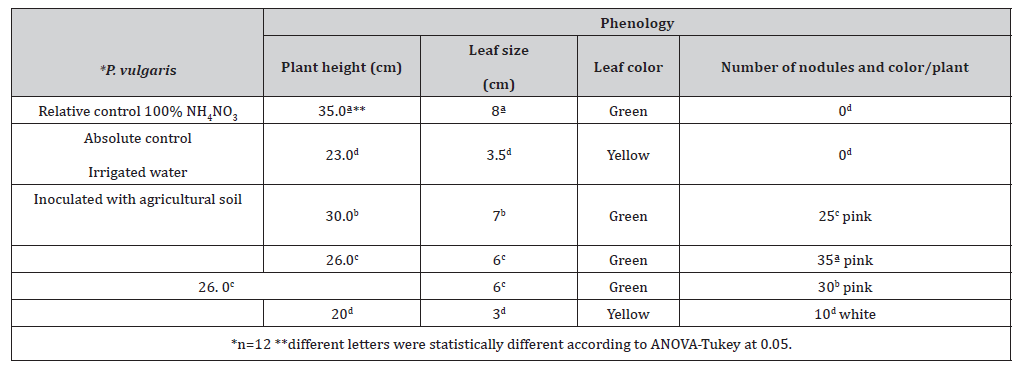
Table 2 shows the phenology and nodulation of P. vulgaris var Bayo inoculated with soil from Cadereyta, Jimenez, N. L. México, to demonstrate the existence of native R. etli, a genus and species common in soils of México as described in Table 1. In which the healthy growth of P. vulgaris fed with the mineral solution with 100% ammonium nitrate (NH4NO3) was evident with a plant height (PH) of 35 cm, leaves of 8 cm in diameter, green without nodules, compared to P. vulgaris with 30 cm of PH, green leaves with 7cm in diameter and with 25 red nodules, indicating the active presence of R. etli infective and effective and P. vulgaris with 26 cm of PH, with leaves of 6 dm in diameter with 25 red nodules indicating the presence of R. etli infective and effective [20] and 10 white ones that suppose the existence of A. tumefaciens [17-19]. That shows the survival and competition for the radical system of A. tumefaciens and R. etli in the soil [21,22].
Table 1: Physico and chemical soil* proprieties of agricultural soil Cadereyta de Jiménez, Nuevo León, México.
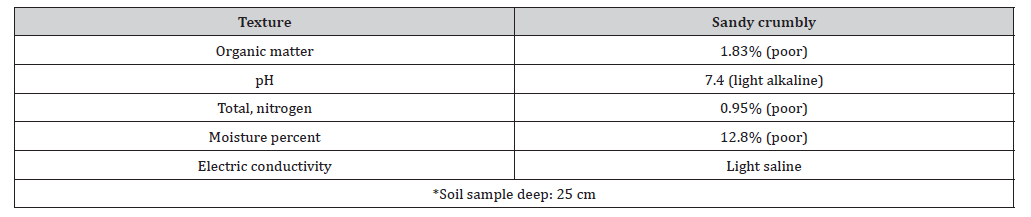
Table 2: Phenology of Phaseolus vulgaris var Bayo inoculated with agricultural soil from Cadereyta, Jiménez, N. L, México.
When Table 3 shows the percentage of protein in P. vulgaris inoculated with A. tumefaciens, with R. etli, with the 50% NH4NO3 dose in the mineral solution compared to uninoculated P. vulgaris fed with the 100% NH4NO3 dose and uninoculated P. vulgaris irrigated only with water in soil poor in mineral nitrogen. Where P. vulgaris with R. etli 8 registered 17.50% protein as a consequence of the formation of nodules that R. etli formed to fix N2 that favored the healthy growth of the plant compared to P. vulgaris fed with 100% NH4NO3 without inoculating that registered 19.95% protein, an amount equivalent to the need of the legume to be healthy, in evident difference with P. vulgaris with A. tumefaciens-9 with 14.70 % protein that shows a problem of nutritional deficiency: this experiment showed what the literature reports that both genera coexist in the soil, which can benefit or sicken the plant depending on the ability to survive in the soil and then compete for the radical infection of the legume to induce a positive or negative effect [22,23].
Table No. 4 show effect of R. etli of the P. vulgaris inoculated with the strains in relation to P. vulgaris used as a control with and without mineral nitrogen fertilizer as NH4NO3. A difference is observed between them because the one inoculated as the R. etli 8 strain achieved good size, green color of the foliage, and normal wet weight, although the nodules were few, they were large and pink, while in those inoculated with R. etli 9 and R. etli 10, the color of the foliage was yellowish and the nodules were abundant but small and white. When plasmids were extracted from the Agrobacterium isolate, the existence of the Ti plasmid that causes root galls in P. vulgaris was confirmed. Plasmids associated with Inf+ for root infection and Nif+ for biological N2 fixation were also confirmed (data not shown). Confirming that both genera A. tumefaciens and R. etli exist in the soil for a diseased or healthy P. vulgaris according to phenology, biomass and protein content [22-24]. These characteristics are of infectivity but ineffectiveness in fixing N2. since the presence of nodules is not a guarantee that plants can benefit from N2 gas provided by bacteria. Because the R. etli 8 strain was considered infective and effective, however, this strain can be effective in one host and achieve parasitism in others [21,25,26]. Therefore, it is not possible to conclude that a strain is effective or ineffective in absolute terms [27,28].
Table 3: Protein, percent in Phaseolus vulgaris var Bayo sown, in sterile soil inoculated with Rhizobium etli 8, and Agrobacterium tumefaciens-9 native strain from soil, Cadereyta, Jiménez, N, México.

Table 4: Phenology and fresh biomass of Phaseolus vulgaris var Bayo with native strains of Agrobacterium tumefaciens-9 and Rhizobium etli-8 from soil of Cadereyta, Jiménez, Nuevo León, México.
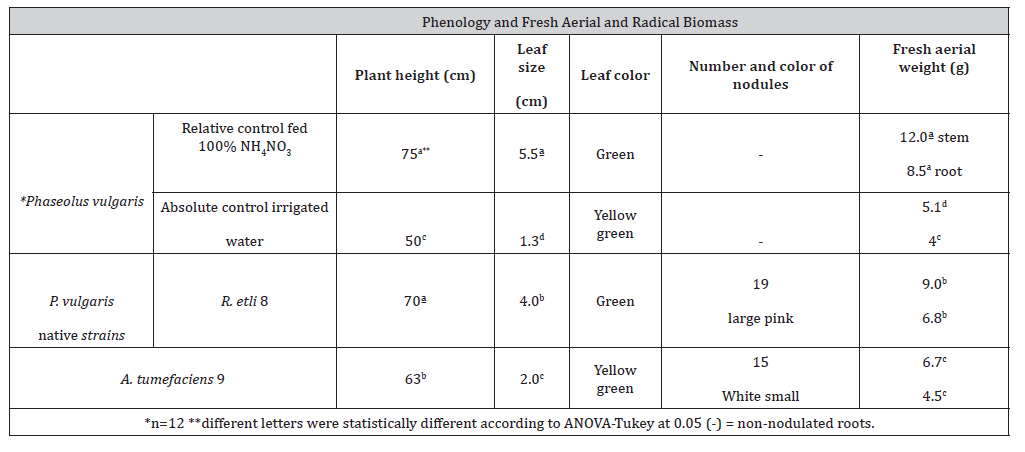
Table 5 shows the effect of A. tumefaciens 9 and R. etli 8 on the protein percentage of P. vulgaris fed with a mineral solution and 50% NH4NO3 of the recommended dose for the Bayo variety. It was observed that R. etli infected and formed nodules with the pigment leghemoglobin to protect the nitrogenase, that allowed it to fix N2 for healthy growth of P. vulgaris, with 17.0% protein, a percentage value with no statistical difference from the protein percentage in P. vulgaris not inoculated with R. etli, fed with the mineral solution and 100% NH4NO3 recommended for this variety of P. vulgaris 17.5%. In contrast to the protein percentage of P. vulgaris with A. tumefaciens, that by infecting and parasitizing the roots of P. vulgaris caused the lowest percentage of protein with 4.3%, even compared to P. vulgaris not inoculated with A. tumefaciens and R. etli sown in soil poor in mineral nitrogen, fed without any mineral solution only with water [27,28]. This result demonstrates the coexistence in the soil of both genera and endophytic species, that compete for the colonization of the P. vulgaris roots [1,2,29-31], to colonize and establish a symbiotic or parasitic relationship depending on that has the best response to the physicochemical conditions of the soil, especially the insufficient concentration of mineral nitrogen and soil moisture [5,6,11,13], that in the end will determine which will predominate in the P. vulgaris roots, justifying the selection of native Rhizobium isolates from the soil or red nodules with high leghemoglobin content [14,17,19,23,25].
Table 6 shows the biochemical profile of R. etli isolated from the soil of Cadereyta, Jiménez, N. L, México; poor in organic matter, mineral nitrogen, and restricted humidity that was isolated in P. vulgaris var Bayo which had a saccharolytic activity and not proteolytic activity in accordance with some biochemical tests such as the reaction in Litmus mil: acid, negative to hydrolyze casein and gelatin, inability to grow on glucose peptone agar, not producing H2S, and not absorbing Congo Red compared to a reference strain of R. etli that confirms that in that soil of Cadereyta, Jiménez, N. L. México this R. etli is native as indicated by the literature either to lactose production is a primary test to separate R. etli strains from A. tumefaciens since it is only positive for this species and for A. tumefaciens, placing the isolated strains within the first species as no galls were found or tumor in the plant since it is only a common inhabitant of the rhizosphere. Protein determination was used to evaluate the nitrogen contributed by R. etli and the infection by A. tumefaciens to the plant, because it is considered the best way to assess the effectiveness of a strain [8-10].
Table 5: Protein per cent in Phaseolus vulgaris var Bayo with Agrobacterium tumefaciens 9 and Rhizobium etli 8.

Table 6: Biochemical profile of Rhizobium etli 8 from nodules of Phaseolus vulgaris var Bayo.
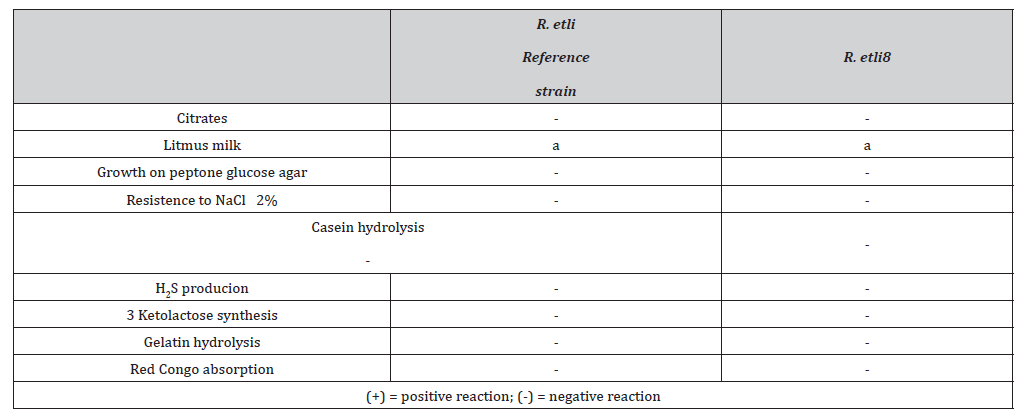
Table 7: Biochemical profile of Agrobacterium tumefaciens from galls of Phaseolus vulgaris.
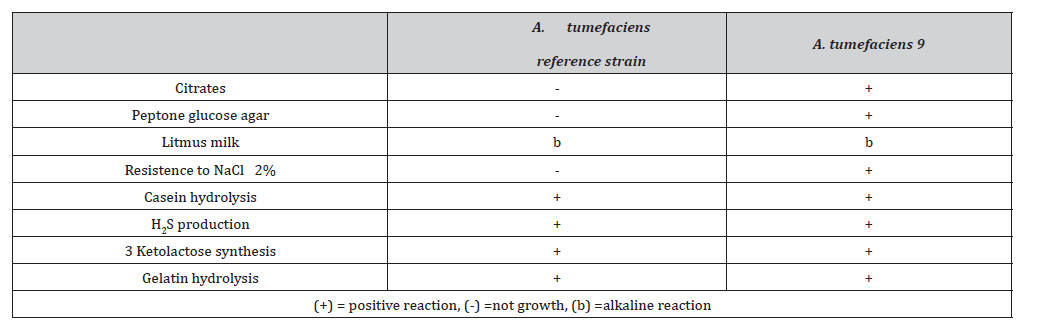
Table No. 7 shows the behavior of the strains isolated from the nodules in relation to a reference standard of R. etli. It is observed that strains At1, At2, At and At4 differ notably from the reference strain, while R etli 8, R.etli.9 and R. elti 10 coincide with the same, the above was corroborated by the Biuret reaction which is positive for R. etli and negative for A. tumefaciens inability to hydrolyze casein, gelatin, resistance to 2% NaCl and the non-production of H2 S, in Bismuth sulfite agar, which proves that the strains R. etli 8, R. etli 9 and R. etli are just one R. etli strain. These complementary data can be used to classify them in the genus because, as mentioned, some bacteria are incapable of infecting the roots of legumes, so this data was also used. Indicates the biochemical tests between the strains At1, At2, At4 and the reference strain A. tumefaciens where essentially to classify them in a genus the production of 3 Ketolactose, resistance to 2% NaCl, growth in glucose peptone agar and use of citrates as the only carbon source [1,10].
Conclusion
It was evident that a wide diversity of genera and species like A. tumefaciens and R. etli that are microorganisms that coexists in the soil, each with the genetic capacity to survive the physicochemical conditions of the soil. They can then detect the presence of substances derived from germination and roots and then establish positive or negative interactions with legumes such as P. vulgaris. This is the case with A. tumefaciens and R. etli, which share genetic characteristics that cause A. tumefaciens to parasitize P. vulgaris, although this does not cause its death. This is in contrast to R. etli, which, by responding to the lack of mineral nitrogen and low humidity, helps the plant cope with this type of stress and subsequently grow healthily. This supports the need for microbial selection through the use of plants, which allows for the differentiation between positive and negative interactions. As well as pink-red nodules were observed with R. etli and white galls of A. tumefaciens on the same plant coming from the same agricultural soil.
Acknowledgement
Al apoyo de la Facultad de Ciencias Biologicas Laboratorio de Microbiologia Industrial y Suelo, hoy Instituto de Biotecnología de la Universidad Autónoma de Nuevo León, Monterrey, México. To Project 2.7 (2025) supported by the Scientific Research Coordination-Universidad Michoacana de San Nicolás de Hidalgo, Morelia, Michoacán, México “Aislamiento y selección de microorganismos endófitos promotores del crecimiento vegetal para la agricultura y la biorremediación de los suelos. To Phytonutrimentos de México and BIONUTRA S.A de CV, Maravatío, Michoacán, México for helping us to publish the present research.
Conflicts of Interest
The authors declare that there is no type of conflict of interest in its planning, execution and writing with the institutions involved, as well as those that financially supported this research.
References
- Aguilar OM, Collavino MM, Mancini U (2022) Nodulation competitiveness and diversification of symbiosis genes in common beans from the American centers of domestication. Sci Rep 12: 4591.
- Andrews M, De Meyer S, James E K, Stepkowski T, Hodge S Simon, MF, et al. (2018) Horizontal transfer of symbiosis genes within and between rhizobial genera: occurrence and importance. Genes 9: 321.
- Andrews M, Andrews ME (2017) Specificity in legume-rhizobia symbioses. Int J Mol Sci 18: 705.
- Bañuelos-Vázquez LA, Torres Tejerizo G, Cervantes-De La Luz, L, Girard L, Romero D, et al. (2019) Conjugative transfer between Rhizobium etli endosymbionts inside the root nodule. Environ Microbiol 21(9): 3430–3441.
- Basile LA, Lepek VC (2021) Legume–Rhizobium dance: ¿An agricultural tool that could be improved? Microb Biotechnol 14(5): 1897-1917.
- Burghardt LT (2019) Evolving together, evolving apart: measuring the fitness of rhizobial bacteria in and out of symbiosis with leguminous plants. New Phytol 228(1): 28-34.
- De Meyer SE, De Beuf K, Vekeman B, Willems A (2015) A large diversity of non-rhizobial endophytes found in legume root nodules in Flanders (Belgium). Soil Biol Biochem 83: 1-11.
- De Lajudie PM, Andrews M, Ardley J, Eardly B, Jumas-Bilak E, et al. (2019) Minimal standards for the description of new genera and species of rhizobia and agrobacteria. Int J Syst Evol Microbiol 69(7): 1852–1863.
- DiCenzo GC, Zamani M, Milunovic B, Finan TM (2016) Genomic resources for identification of the minimal N2-fixing symbiotic genome. Environ Microbiol 18(8): 2534-2547.
- Doin de Moura GG, Remigi P Masson-Boivin C, Capela D (2020) Experimental evolution of legume symbionts: what have we learnt? Genes 11(3): 339.
- De Lajudie P, Young JPW (2019) International committee on systematics of prokaryotes subcommittee on the taxonomy of rhizobia and agrobacteria minutes of the meeting by video conference. Int J Syst Evol Microbiol 69: 1835-1840.
- Garrido-Oter R, Nakano RT, Dombrowski N, Ma KW, McHardy AC, et al. (2018) Modular traits of the Rhizobiales root microbiota and their evolutionary relationship with symbiotic rhizobia. Cell Host Microbe 24(1): 155–167.
- Goyal RK, Habtewold JZ (2023) Evaluation of Legume-Rhizobial symbiotic interactions beyond nitrogen fixation that help the host survival and diversification in hostile environments. Microorganisms 11(6): 1454-1431.
- Guo L, Li H, Cao X, Cao A, Huang M (2021) Effect of agricultural subsidies on the use of chemical fertilizer. Journal of Environmental Management 2299: 113621.
- Leite J, Fischer D, Rouws L F, Fernandes-Junior P I, Hofmann A, et al. (2017) Cowpea nodules harbor non-rhizobial bacterial communities that are shaped by soil type rather than plant genotype. Front Plant Sci 7: 2064.
- Efstathiadou E, Ntatsi G, Savvas D, Tampakaki AP (2021) Genetic characterization at the species and symbiovar level of indigenous rhizobial isolates nodulating Phaseolus vulgaris in Greece. Sci Rep 11(1): 8674.
- Eckhardt T (1978) A rapid method for the identification of plasmid desoxyribonucleic acid in bacteria. Plasmid 1(4): 584-588.
- Lu J, Yang F, Wang S, Ma H, Liang J, et al. (2017) Co-existence of rhizobia and diverse non-rhizobial bacteria in the rhizosphere and nodules of Dalbergia odorifera seedlings inoculated with Bradyrhizobium elkanii, Rhizobium multihospitium-like and Burkholderia pyrrocinia-like strains. Front Microbiol 8: 2255.
- Liu S, Jiao J, Tian CF (2023) Adaptive evolution of rhizobial symbiosis beyond horizontal gene transfer: From genome innovation to regulation reconstruction. Genes 14(2): 274.
- Martínez-Hidalgo P, Hirsch, A (2017) The nodule microbiome: nitrogen- fixing rhizobia do not live alone. Phytobiome 70–82.
- Mpai T, Jaiswal SK, Cupido CN, Dakora FD (2021) Ecological adaptation and phylogenetic analysis of microsymbionts nodulating Polhillia, Wiborgia and Wiborgiella species in the Cape fynbos South Africa. Sci Rep 11(1): 23614.
- Pankievicz VCS, Irving TB, Maia LGS, Ané JM (2019) ¿Are we there yet? The long walk towards the development of efficient symbiotic associations between nitrogen-fixing bacteria and non-leguminous crops. BMC Biol 17(1): 99.
- Peix A, Ramírez-Bahena M H, Velázquez E & Bedmar E J (2015) Bacterial association with legumes. Crit Rev Plant Sci 34: 3417–3442.
- Roy S, et al. (2020) Celebrating 20 years of genetic discoveries in legume nodulation and symbiotic nitrogen fixation. Plant Cell 32(1): 15-41.
- Tang M, Bouchez O, Cruveiller S, Masson-Boivin C, Capela D (2020) Modulation of quorum sensing as an adaptation to nodule cell infection during experimental evolution of legume symbionts. mBio 11(1): e03129-19.
- Tariq A, Ahmed A (2023) Bacterial symbiotic signaling in modulating plant-rhizobacterial interactions, in Symbiosis in Nature (IntechOpen).
- Van den Bergh B, Swings T, Fauvart M, Michiels J (2018) Experimental design, population dynamics, and diversity in microbial experimental evolution. Microbiol Mol Biol Rev 82(3): e00008-18.
- Van Velzen R, Doyle JJ, Geurts R (2019) A resurrected scenario: Single gain and massive loss of nitrogen-fixing nodulation. Trends Plant Sci 24(1): 49–57.
- Zhao R, Liu LX, Zhang YZ, Jiao J, Cui WJ, et al. (2018) Adaptive evolution of rhizobial symbiotic compatibility mediated by co-evolved insertion sequences. ISME J 12(1): 101–111.
- Younginger BS, Friesen ML (2019) Connecting signals and benefits through partner choice in plant-microbe interactions. FEMS Microbiol Lett 366(18): fnz217.
- Wang ET, Chen WF, Tian CF, Young JPW, Chen WX (2019) Ecology and Evolution of Rhizobia, Principles and Applications.
-

This work is licensed under a Creative Commons Attribution-NonCommercial 4.0 International License.