


 Research Article
Calmodulin (CaM) Protein in Finger millet - An in Silico Analysis for Mining Biopeptides
Received Date:November 19, 2025; Published Date:December 04, 2025
Abstract
Finger millet (Eleusine coracana L. Gaertn), known as Ragi in India, is a nutritious grain originating from the Ethiopian and Ugandan highlands. It is packed with essential nutrients such as polyphenols, calcium, dietary fiber, phenolic acids, minerals, and sulfur-containing amino acids, offering numerous health benefits including antioxidant, antibacterial, anti-tumorigenic, anti-diabetic, and ulcerative properties, surpassing the calcium content of staple crops like rice and wheat by over ten-fold. The molecular mechanism of Calcium build-up involves the coordinated action of various proteins, including Calcium channels, pumps, and regulatory proteins like Calmodulin (CaM). Calmodulin, a highly conserved protein found in all eukaryotes, serves as a crucial mediator in detecting Calcium levels and transmitting signals to numerous Calcium-sensitive enzymes, ion channels, and other proteins, playing a vital role in cellular signaling and regulation. In this study, Three distinct sequences of the CaM protein from Finger millet were employed for in silico proteolysis and the release of diverse bioactive peptides utilizing three plant proteases, ficin, papain, and stem bromelain.
Totally 17 biological activities were identified from these proteins. The results showed that CaM protein is a possible source of peptides with angiotensin-I converting enzyme (ACE) inhibitory and dipeptidyl peptidase-IV (DPP-IV) activities. Additionally, unique promising bioactive peptides have been screened using Peptide Ranker. The physical characteristics of proteins, peptide scores, toxicity, allergenicity aggregation, water solubility, and drug likelihood are also studied using a variety of bioinformatics approaches. The current research implies that Finger millet protein can be a good source of bioactive peptides for the synthesis of high-quality and large amounts, and that the in silico method can be used to research and produce functional peptides.
Keywords:Biopeptides; Finger millet; Calmodulin; CaM; Bioactivity
Background
Finger millet (Eleusine coracana L Gaertn.), commonly called Ragi in India, originated in East Africa (Ethiopian and Ugandan highlands). In India, it constitutes around 85% of the total production, with a yield of 1661 kg per ha from a cultivation area of 1.19 million hectares (Yatisha et al, 2020). In South Karnataka, finger millet is the main staple food eaten by the majority of the population. Finger millet offers many nutritional advantages over rice, including having thirty times more calcium (Millet Network of India-Deccan Development Society-FIAN, 2009). Finger millet is the fourth most produced millet in the world, behind sorghum (Sorghum bicolour), pearl millet (Cenchrus americanus, also known as Pennisetum glaucum), and foxtail millet [1,2].
Finger millet is rich in polyphenols such as Calcium, dietary fibre, phenolic acids, minerals and sulphur-containing amino acids. The nutritional composition of finger millet reports 0.38% of Calcium, 18% of dietary fibre and 0.3 to 3% of phenolic compounds [3]. Calcium content in finger millet is high at 317.1- 398.0mg in 100g [4,5] more than ten-fold higher in comparison with staple crops such as rice and wheat. The molecular mechanism of Calcium build-up includes the action of several proteins, such as Calcium channels, Calcium pumps and Ca+/H+ antiporters, and different regulatory and sensor proteins like Calmodulin [6-8]. The most universally conserved protein in eukaryotes is calmodulin (CaM). The Calcium-binding protein CaM is ubiquitous and mediates the control of Ca2+. It performs the function of an intermediary protein, detecting the Calcium level and transmitting signals to a variety of Calcium-sensitive enzymes, ion channels, and other proteins [9].
CaM proteins are tiny (16 kDa) acidic proteins having 148 amino acids in length, two globular domains that each contain two EF-hands, and a flexible-helical linker connecting them [9]. The four EF-hands in the structure of CaM are a three-dimensional molecular structure which is saturated with Ca2+/ ions (4Ca2+/; [10]. Bioactive peptides are the short portion of proteins composed of two or more proteinogenic amino acid residues, joined together by peptide bonds, and are typically derived from the enzymatic hydrolysis of proteins. These peptides are inactive within the primary protein structure and must be cleaved intact to exert their function (Udenigwe, 2014). Bioactive peptides derived from food have various biological activities such as angiotensin- I-converting enzyme (ACE) inhibitor, dipeptidyl peptidase-IV(DPP-IV) inhibitor, antithrombotic, antioxidative, immunostimulating, stimulating, etc [11]. The traditional approaches, such as in vitro/in vivo enzymolysis, are difficult to use for the identification of novel biopeptides from food since they need a lot of time and labour and are expensive for large-scale production.
In the present study, the method is used to examine the bioactive peptides that are present in protein sequences of CaM protein. The different types of proteases (Papin, Ficin and Bromelain) are used to liberate bioactive peptide sequences. The bioactivity of predicted biopeptides were observed. This can be used for preliminary bioactive peptide mining for in-silico prediction of biological activities of any protein sequence and investigation of the release of bioactive peptides using specific proteases. The present work lays a foundation for further research on finger millet peptides.
Material and Methods
Selection of protein sequences and enzymes for proteolysis
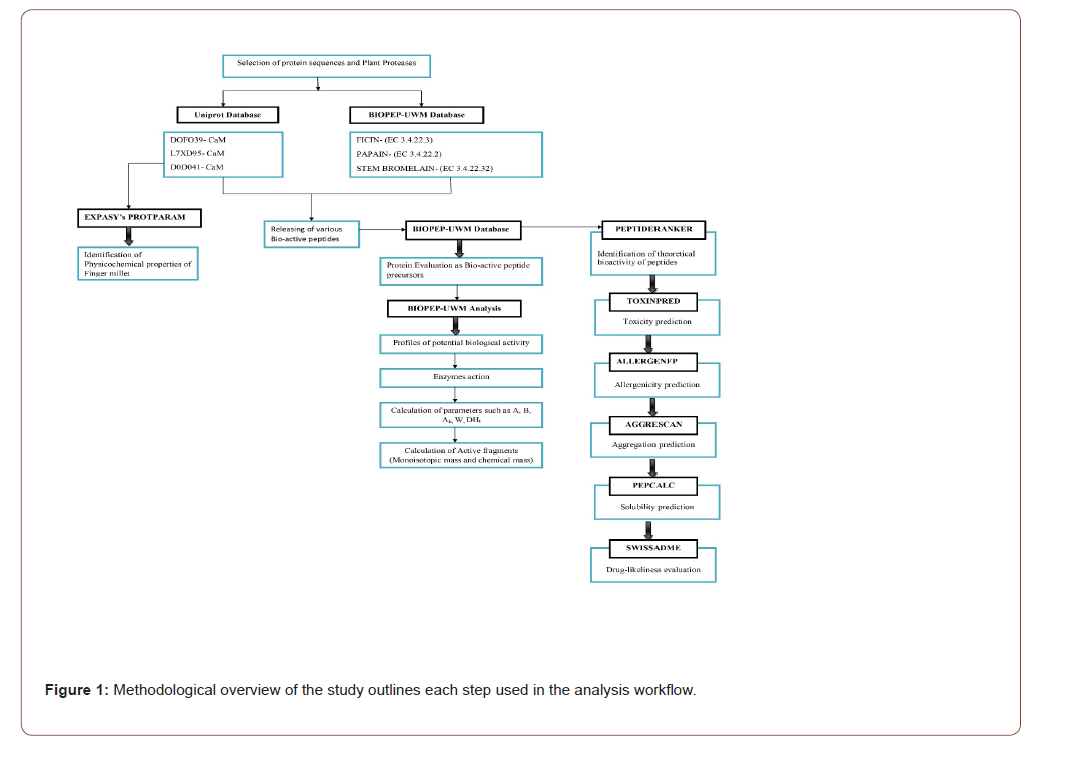
The overview of methodology was mentioned in Figure 1. In this study three primary and unique sequences of CaM from finger millet protein of Accession number D0F039, D0F041, and L7XD95 were retrieved from UniProt (https://www.uniprot.org/) database for in-silico analysis (Table 1). Three plant proteases namely ficin (EC 3.4.22.3), papain ((EC 3.4.22.2), and stem bromelain (EC 3.4.22.32) from BIOPEP_UWM database (https://biochemia.uwm.edu.pl/) [12] were utilized for in silico proteolysis and releasing of various biologically active peptides. The physicochemical properties such as molecular weight, theoretical isoelectric point (pI), the total number of negatively charged (Asp+Glu) and positively charged (Arg+Lys) residues, amino acid and atomic composition, extinction coefficient, estimated half-life, Grand average of hydropathicity (GRAVY), instability and aliphatic index of all the CaM sequences of Finger millet protein have been identified using ProtParam (https://web.expasy.org/protparam/).
Table 1: Calmodulin sequences of finger millet protein.

Evaluation of Finger millet protein as bioactive peptides precursor through BIOPEP database
The ‘Profiles of potential biological activity’ tool from the BIOPEP-UWM database [12] to extract profiles for finger millet proteins, aiming to predict the location and bioactive fragment type within protein sequences, thus identifying them as bioactive peptide precursors as explained previously [13] (Figure 1). Briefly, The parameter called the frequency of peptide occurrence in a protein (A) has been taken and calculated based on the equation:
A = aN (1)
The number of peptides (denoted as ‘a’) in protein sequences and the total number of amino acid residues (denoted as ‘N’) present in those sequences were used to estimate the overall frequency of all bioactive peptides found in the protein (ΣA), considering all the proteases utilized. Additionally, parameter ‘B’ was employed to estimate the protein’s potential to possess specific biological activity using the below equation.

Where, ai represents the number of occurrences of the ith bioactive property of interest in the protein sequence. IC50i corresponds to the concentration of the ith bioactive property, representing its half maximal activity in micromoles per liter. ‘k’ denotes the number of distinct fragments that possess the bioactive property of interest. ‘N’ represents the total number of amino acid residues present in the protein sequences. Furthermore, using this data, the total frequency of all occurrences of bioactive peptides in the protein was calculated (ΣB) for all the proteases utilized. Additionally, the combined sum of the monoisotopic and chemical mass of all three plant proteases was computed for the bioactive peptides released from the CaM sequences of the finger millet protein.
In silico proteolysis and screening of protein sequences
In the process of in-silico proteolysis, the BIOPEP-UWM database was employed, and three plant proteases, namely ficin, papain, and stem bromelain, were individually used to release various bioactive peptides from each finger millet protein sequence. To ascertain the frequency (AE) and relative frequency (W) of peptides released by specific proteases, the following formulas were utilized:
AE = d N (3)
Where ‘d’ represents the number of peptides released from the protein sequences by a specific protease, and ‘N’ denotes the total number of amino acid residues present in the protein sequences.
W = AE A (4)
Furthermore, calculations were performed for the parameters BE and V. The theoretical degree of hydrolysis (DHt), which can be determined using the formula, is commonly utilized to estimate the percentage degree of hydrolysis of in silico digestion of peptides.
DHt = d/D×100 (5)
where, ‘d’ is the number of hydrolyzed peptide bonds and ‘D’ is the total number of peptide bonds in the primary sequence of the protein.
Calculation of Theoretical Bioactivity of peptide
Peptides that consisted of only three amino acids were selected to calculate the theoretical bioactivity using PeptideRanker (http:// distilldeep.ucd.ie/PeptideRanker/). The rankings were assessed based on a score that ranged from 0 to 1, where a score of 0 indicated the poorest bioactivity, and a score of 1 represented the best bioactivity [14].
Toxicity and allergenicity prediction of potential tripeptides
Following the in silico hydrolysis, bioactive peptides were identified based on their unique bioactivities. Among these peptides, those with a Peptide Ranker score above 0.5 were subjected to toxicity assessment using Toxin Pred [15], while their allergenicity was evaluated using Allergen FP [16].the DNA lesions and increase the chances of mutation [31-32].
Prediction of Aggregation and water solubility of potential tripeptides
The term “aggregation” poses a significant limitation on the medicinal and biotechnological applications of proteins and peptides, making it a commonly used concept [17]. To predict protein or peptide aggregation, researchers often use AGGRESCAN, an online software tool (http://bioinf.uab.es/aggrescan/). Additionally, the water solubility of peptides significantly impacts their absorption, distribution, and elimination from the body. This solubility can be calculated using the online server Innovagen (http://www.innovagen.com/proteomics-tools), which utilizes the PepCalc tool (http://pepcalc.com/).
In Silico evaluation of Drug-Likeness
The drug-likeness of compounds was evaluated in silico using the SwissADME tool (http://www.swissadme.ch/). This tool primarily utilizes the ADME (absorption, distribution, metabolism, and excretion) features of a chemical to estimate and indicate the pharmacokinetics of medications [18].
Results
Selection of proteins and enzymes
With the utilization of Uniprot unique full-length sequences of CaM from finger millet protein were selected. Ficin (EC 3.4.22.3), Papain (EC 3.4.22.2) and Stem Bromelain (EC 3.4.22.32), the three plant proteases used for in silico proteolysis were selected from the BIOPEP-UWM database.
Physicochemical properties of CaM sequence of finger millet protein
Using the online tool ExPASy’s Protparam, the physicochemical properties of all the CaM sequences of finger millet protein were calculated. The parameters such as theoretical PI, instability index, aliphatic index and GRAVY value were calculated. The theoretical PI was found to be less than 7 (i.e., acidic protein). The value of the instability index was found to be less than 40 and the value of the aliphatic index was found to be more than 75 (except L7XD95). GRAVY value lies between -2 and +2 which suggests that the protein sequences are hydrophobic and rated positive (Table 2).
Table 2: Physicochemical properties of CaM sequences of finger millet.

The potential of CaM sequences of finger millet protein as bioactive precursors
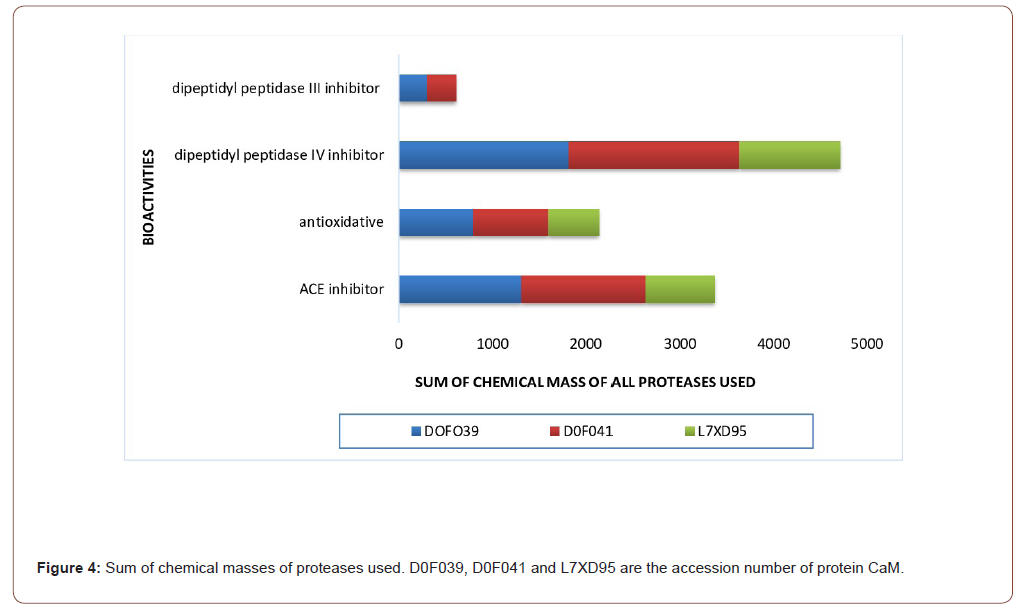
To investigate the potential of finger millet CaM protein sequences as bioactive precursors, sequences of CaM from finger millet protein were taken and evaluated by the “Profiles of potential biological activity” tool available in the BIOPEP database. Based on the information present in the BIOPEP database, 17 known bioactivities were found in finger millet protein. Among them, ACE inhibitor, alpha-glucosidase inhibitor, antioxidative, antithrombotic, CaMPDE inhibitor, dipeptidyl peptidase III inhibitor, dipeptidyl peptidase IV inhibitor, hypolipidemic, hypotensive, immunostimulating, neuropeptide, regulating, rennin inhibitor and stimulating activities were presented in all CaM sequences after analyzing them. Dipeptidyl peptidase IV inhibitors that had been digested by all three plant proteases had the highest frequency of bioactive peptides i.e., ΣA= 0.8789, followed by ACE inhibitor with ΣA=0.6777. The value of ΣB was found to be higher in ACE inhibitor (Table 3). For all of the CaM sequences of the finger millet protein, the estimated sum of monoisotopic mass was discovered to be highest in DPP-IV inhibitors digested with stem bromelain. Interestingly, the sum of chemical mass for all of the sequences taken also yielded identical values.
Table 3: Physicochemical properties of CaM sequences of finger millet.

In silico proteolysis and screening of finger millet protein
Bioactive peptides from food can be hydrolyzed enzymatically (using proteolytic enzymes from either plants or microbes), hydrolyzed using digestive enzymes (simulating gastrointestinal digestion), or fermented using starter cultures [19]. In this study, CaM sequences of finger millet protein were applied with three plant proteases namely ficin, papain and stem bromelain using the tool “Enzyme(s) action” that is present in the BIOPEP database. In degree of hydrolysis, the hydrolytes between 17.9191% and 28.6994 were obtained by in silico proteolysis. For all CaM sequences of finger millet protein, stem bromelain produced the highest percentage of DHts out of the three proteases used (Table 4).
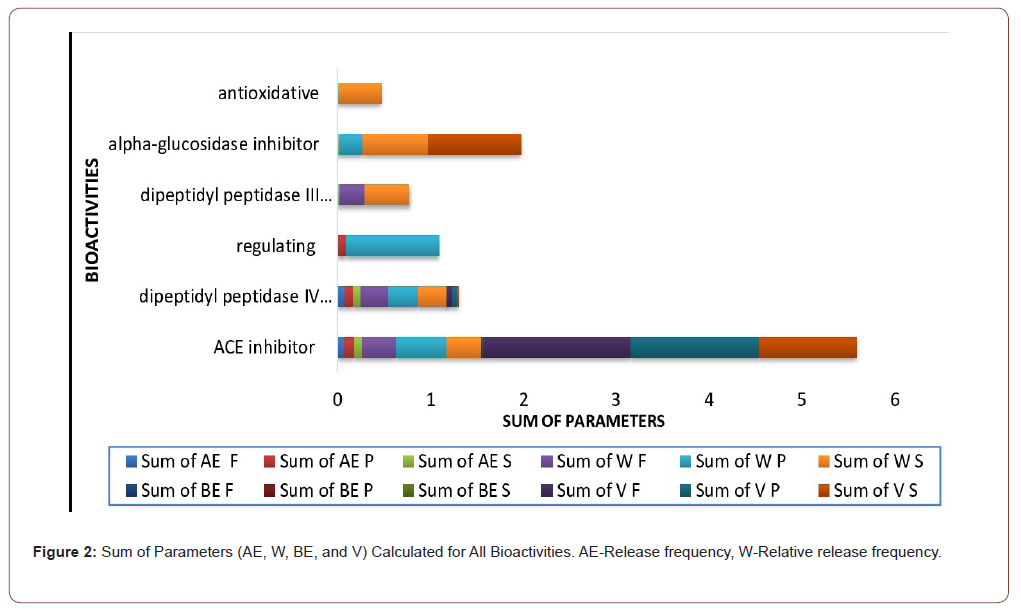
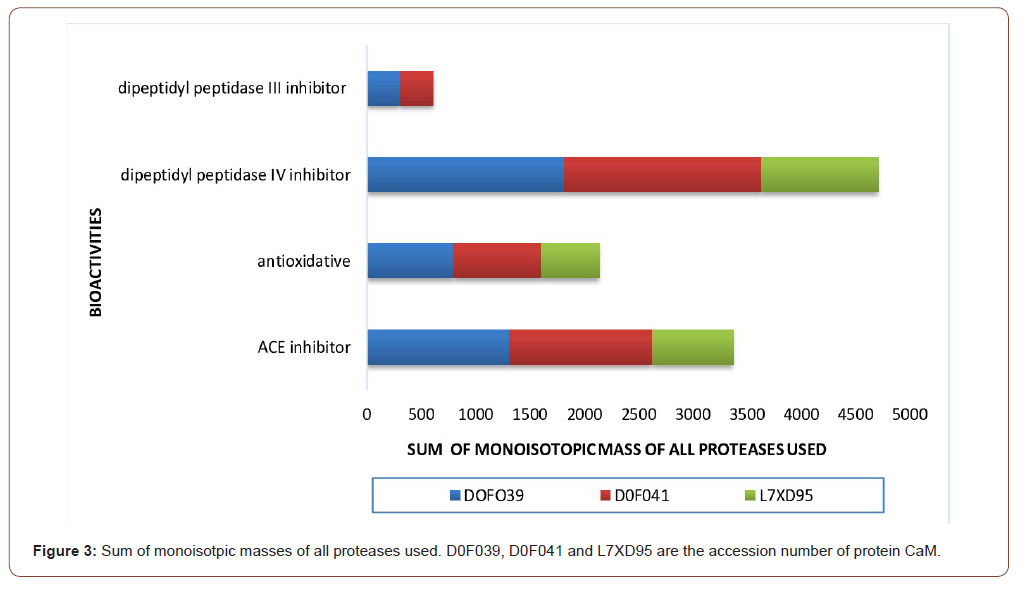
Table 4: Degree of Hydrolysis obtained by in silico proteolysis.

The parameters such as Frequency (AE), Relative Frequency (W), BE and V of all the three protein sequences were calculated. The value of release frequency and relative frequency was found to be higher in ACE inhibitor peptides released from papain protease (Figure 2). Tripeptides that were released from in silico proteolysis of CaM sequence of finger millet were further analyzed to identify the theoretical bioactive peptides having specific effect, which are ranked according to their scores of best or poor bioactivity (Table 4). The sum of monoisotopic masses (Figure 3) and chemical masses (Figure 4) of peptides were calculated using BIOPEP- database to describe the mass of the isotopic peak whose elemental composition comprises the most abundant isotope of the constituent element and chemical composition of the peptides
In silico toxicity and allergenicity prediction of potential tripeptide released from CaM sequences of finger millet protein.
Table 5: Calculation of theoretical bioactivity of peptides using PeptideRanker.

Table 6:Toxicity and Allergenicity prediction of tripeptides.

Tripeptides with higher rank from peptide Ranker were taken for the in silico prediction of toxicity and allergenicity. In this study, the tripeptides with a threshold score of 0.5 were mainly focused on. The total tripeptides were DEE, EEE, EAE, RHV, VKV, LKA, FDK, and AEL. Among them, FDK was the only tripeptide that has a threshold score of 0.587892 with no previously described bioactivity based on literature and the BIOPEP database (Table 5). Peptide FDK was subjected to in silico prediction of toxicity and allergenicity prediction. The result has shown that the tripeptide taken for analysis has no toxic effect and it is probably no allergen that can be used for further studies. The tripeptide taken for analysis was considered a promising ACE inhibitor (Table 6).
Prediction of potential water solubility and aggregation of released finger millet tripeptide
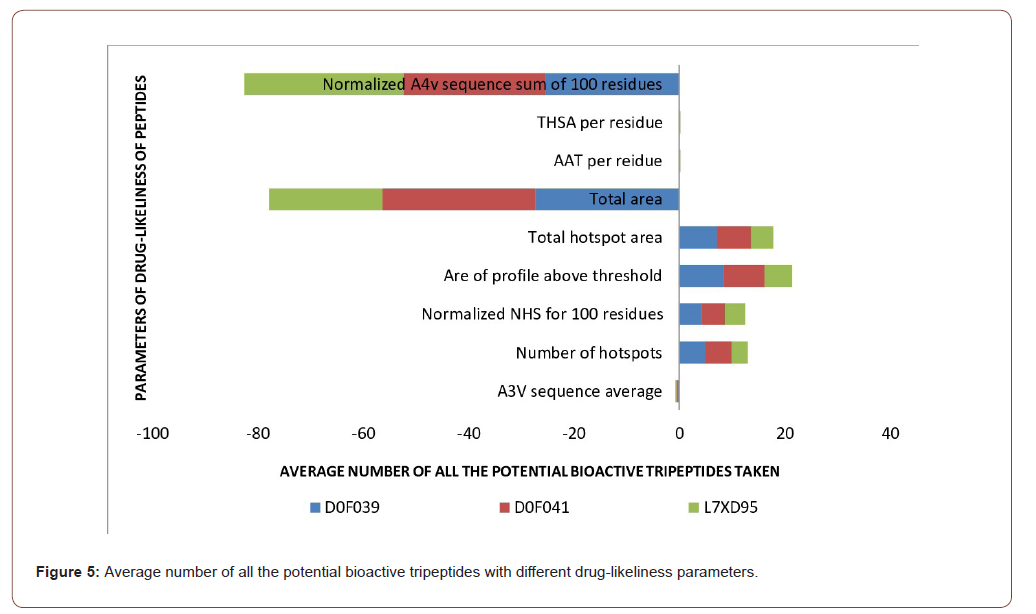
The universal features of proteins and peptides are solubility and aggregation, which typically restrict their use in medicine and biotechnology. In this study, in silico methods of prediction of solubility and aggregation were applied. The water solubility of the potential peptide was predicted using Innovgen’s peptide solubility calculator. For the prediction of aggregation of peptides, AGGRESCAN was used. The result shows that the selected tripeptide has good water solubility because of the presence of a large number of hydrophobic residues (Figure 5).
In silico evaluation of drug-likeliness of peptides
The tool Swiss ADME has been used in silico drug-likeness evaluation, which primarily employs the properties of ADME (absorption, distribution, metabolism, and excretion) of a chemical to estimate and identify the pharmacokinetics of a drug. The druglikeness of the tripeptide was predicted and evaluated for ADME and pharmacokinetic properties. As a result it shows the peptide contains bioavailability of more that 40% which can be considered as bioavailable compound. The major target class found in the tripeptide is Family AG protein coupled receptor which mediates most cellular responses to hormone and neurotransmitters, as well as being responsible for vision and taste.
Discussion
The majority of research indicates that the bioactive peptides generated through in silico proteolysis differ significantly from those obtained through experimental enzymolysis (Nongonierma & FitzGerald, 2017). However, it is essential to consider the limitations of novel bioactive peptides identified through in silico methods. Previous studies suggested that the degree of hydrolysis, influenced by various variables such as protein structure characteristics, enzyme activity, temperature, pH, time of hydrolysis, and substrate-to-enzyme ratios, could potentially replace the products obtained from enzymatic hydrolysis [20]. In contrast to experimental enzymolysis, in silico proteolysis offers a more idealistic approach where the digestion is carried out at the cutting points of each enzyme and is considered complete. Additionally, in silico proteolysis utilizes up-to-date information from the BIOPEP database, which undergoes continuous updates, enhancing the accuracy and relevance of the results. Indeed, the analysis results are subject to change as new information becomes available.
The in silico proteolysis and subsequent release of different bioactive peptides from the calmodulin (CaM) sequence of finger millet were analyzed using various bioinformatics software, tools, and databases. To conduct this analysis, three distinct sequences of CaM from finger millet were retrieved from the UniProt database. For in silico analysis of bioactive peptides, ficin, papain, and stem bromelain were the three plant proteases predominantly utilized. It is important to note that a lower isoelectric point (PI) value indicates that the protein sequences are acidic in nature.
The obtained instability index, which was less than 40, indicates that the protein sequences are stable and suitable for further evaluation through wet lab experiments to assess their stability. Additionally, the aliphatic index of the CaM sequences was found to be high, suggesting that these sequences are thermostable proteins capable of resisting decay at elevated temperatures. The calculated GRAVY value for the CaM sequences of finger millet protein indicated a hydrophobic nature, with a positive rating. This indicates that the protein utilizes most of its polar amino acid residues to interact with seed proteins. The GRAVY value also suggests that the proteins are polar and more flexible, making them capable of binding with other proteins.
Various bioactivities found in finger millet proteins suggest their potential in different biological activities, particularly in reducing systolic blood pressure. Among these proteins, calmodulin (CaM) is a widely distributed calcium-binding protein present in various compartments of plant cells, such as the apoplast, cytosol, endoplasmic reticulum (ER), and nucleus. CaM plays a crucial role in binding and regulating a diverse array of protein targets (Rudd & Franklin, 2001). The identified peptides from Finger millet proteins primarily function as disease inhibitors, particularly in preventing disorders like hypertension. In the evaluation, all proteases examined the presence of ACE (angiotensin-converting enzyme) and DPP-IV (dipeptidyl peptidase-IV) inhibitors, which were found to be common bioactive peptides. ACE inhibitors increase the production of active hypertensive hormones and deactivate vasodilator peptides, thus effectively controlling blood pressure. As a result, ACE has been recognized as a potential target for antihypertensive medications [21].
On the other hand, DPP-IV inhibitors have therapeutic significance in the treatment of people with type 2 diabetes mellitus. DPP-IV is involved in the breakdown of incretins, which are important in regulating blood glucose levels, and inhibiting this enzyme helps in controlling blood glucose levels (Jeanneret, 2014). Over the past few decades, there has been extensive research on DPP-IV inhibitors derived from proteins found in food sources [22]. Additionally, for the production of ACE inhibitor hydrolysates, researchers have used various dietary proteins sourced from animals, plants, and marine organisms [23]. In our research, we discovered that the CaM sequences of finger millet protein contain substantial amounts of bioactive peptides with DPP-IV and ACE inhibitory properties. Utilizing the calculations provided by the BIOPEP-UWM database, we obtained valuable data regarding the location and characteristics of bioactive fragments within the protein sequences. This data serves as a basis for isolating and further investigating the bioactive peptides through wet lab experiments in future research.
To assess the likelihood of a protein possessing a specific biological activity, the frequency and relative frequency of peptide release by a particular protease, and to estimate the percent degree of hydrolysis during in silico digestion of peptides, several parameters such as A, B, AE, W, BE, V, and DHt were calculated. These calculations contribute to a comprehensive understanding of the potential bioactivity of the finger millet protein sequences and the bioactive peptides they may yield.
The differences observed in the values of DHt, the number of recognition sites on the proteases, and their catalytic specificities can all contribute to variations in the values of W for different proteases. These variations are due to the unique cleavage sites of each enzyme, which result in different enzymes having diverse capacities to release bioactive peptides from proteins [24]. In this study, it was observed that CaM protein treated with papain protease released a higher frequency index of DPP-IV inhibitor compared to ficin and stem bromelain protease. Additionally, the relative release frequency of DPP IV inhibitor bioactivity was also higher when treated with papain protease. This can be attributed to the fact that papain has more cutting sites compared to the other proteases. However, it is important to note that further research is still required to discover peptides with specific bioactivities that may not have been identified in this study. The peptides were screened and ranked based on their bioactivities, with higher scores indicating better bioactivities. It is essential to acknowledge that the grade given to these bioactive peptides may change when they undergo wet lab experiments, as they may exhibit additional biological roles.
The assessment of toxicity and allergenicity played a pivotal role in the in silico analysis of peptides’ bioactivities. Peptides that demonstrated non-toxicity were considered particularly valuable for further research, development, and pharmaceutical production. To be deemed non-toxic, peptides were required to have peptide scores greater than 0.6. Our findings indicated that plant proteases played a crucial role in releasing multifunctional peptides from finger millet proteins containing CaM sequences. Interestingly, papain protease was found to release a greater number of multifunctional peptides from finger millet proteins, which holds promise for future research endeavors.
The solubility and aggregation of proteins and peptides are universal features that often limit their applicability in medicinal and biotechnological fields. Therefore, in silico approaches were employed to predict solubility and aggregation. Peptide Solubility Calculator by Innovagen was used to predict potential peptides’ water solubility, while AGGRESCAN was utilized for predicting aggregation. These predictions play a significant role in understanding how peptides are absorbed, distributed, and eliminated from the body, making them invaluable in drug development. The variable degrees of solubility observed in finger millet peptides, whether they are lipid-soluble, water-soluble, or based on an emulsion, suggest their potential versatility in various systems. Additionally, in silico drug-likeness evaluation was conducted using the online program SwissADME, which primarily utilizes ADME features to estimate and indicate the pharmacokinetics properties of medications.
Conclusion
This study evaluated the release of bioactive peptides with three plant proteases: ficin, papain, and stem bromelain using insilico approach. Our research revealed that the finger millet protein contains several bioactive peptides with a variety of actions. The results of in silico proteolysis revealed that all three of the plant proteases used released ACE and DPP-IV inhibitory peptides more frequently than the others, indicating that the finger millet protein played a significant role in the production of peptides with dual functions as ACE and DPP-IV inhibitors. To research the practical applications of food-derived peptides as bioactive nutrients or health benefits against a variety of disorders, the gastrointestinal investigation is also necessary.
Author Contribution
GS and LDK involved in designing the analysis methodology. BS and SNH were involved in data analysis, interpretation and drafting the manuscript. SNH, GS and LDK were involved in reviewing the manuscript.
Conflict of Interest
The authors declare that there is no conflict of interest associated with the publication of this paper.
Acknowledgement
Authors sincerely acknowledge Vice Chancellor of The University of Trans-Disciplinary Health Sciences and Technology for the facility and opportunity to carry out the research. Authors acknowledge Rural India Supporting Trust (RIST).
References
- Upadhyaya H, Gowda C, Reddy VG (2007) Morphological diversity in finger millet germplasm introduced from Southern and Eastern Africa. J SAT Agri Res 3: 1-3.
- Maharajan T, Ceasar SA, Krishna TPA, Ignacimuthu S (2019) Phosphate supply influenced the growth, yield and expression of PHT1 family phosphate transporters in seven millets. Planta 250(5): 1433-1448.
- Devi PB, Vijayabharathi R, Sathyabama S, Malleshi NG, Priyadarisini VB (2014) Health benefits of finger millet (Eleusine coracana L.) polyphenols and dietary fiber: a review. Journal of Food Science and Technology 51(6): 1021-1040.
- Shobana S, Malleshi NG (2007) Preparation and functional properties of decorticated finger millet (Eleusine coracana). Journal of Food Engineering 79(2): 529–538.
- Chandrasekara A, Shahidi F (2010) Content of insoluble bound phenolics in millets and their contribution to antioxidant capacity. Journal of Agricultural and Food Chemistry 58(11): 6706–6714.
- Peiter E, Maathuis FJM, Mills LN, Knight H, Pelloux J, et al. (2005) The vacuolar Ca2+-activated channel TPC1 regulates germination and stomatal movement. Nature 434(7031): 404-408.
- Rikhvanov EG, Fedoseeva IV, Pyatrikas DV, Borovskii GB, Voinikov VK (2014) Role of mitochondria in the operation of calcium signaling system in heat-stressed plants. Russian Journal of Plant Physiology: A Comprehensive Russian Journal on Modern Phytophysiology, 61(2): 141–153.
- McAinsh MR, Pittman JK (2009) Shaping the calcium signature. The New Phytologist 181(2): 275–294.
- Babu YS, Sack JS, Greenhough TJ, Bugg CE, Means AR, et al. (1985) Three-dimensional structure of calmodulin. Nature 315(6014): 37-40.
- Zielinski RE (1998) Calmodulin and calmodulin-binding proteins in plants. Annual Review of Plant Physiology and Plant Molecular Biology 49(1): 697-725.
- Akbarian M, Khani A, Eghbalpour S, Uversky VN (2022) Bioactive Peptides: Synthesis, Sources, Applications, and Proposed Mechanisms of Action. Int J Mol Sci 23(3): 1445.
- Minkiewicz P, Iwaniak A, Darewicz M (2019) BIOPEP-UWM Database of Bioactive Peptides: Current Opportunities. International Journal of Molecular Sciences 20: 5978.
- Langyan S, Khan FN, Yadava P, Alhazmi A, Mahmoud SF, et al. (2021) In silico proteolysis and analysis of bioactive peptides from sequences of fatty acid desaturase 3 (FAD3) of flaxseed protein. Saudi Journal of Biological Sciences 28(10): 5480–5489.
- Mooney C, Haslam NJ, Pollastri G, Shields DC (2012) Towards the improved discovery and design of functional peptides: common features of diverse classes permit generalized prediction of bioactivity. PloS One 7(10): e45012.
- Gupta S, Kapoor P, Chaudhary K, Gautam A, Kumar R (2013) Open Source Drug Discovery Consortium, Raghava GPS (2013) in silico approach for predicting toxicity of peptides and proteins. PloS One 8(9): e73957.
- Dimitrov I, Naneva L, Doytchinova I, Bangov I (2014) AllergenFP: allergenicity prediction by descriptor fingerprints. Bioinformatics 30(6): 846–851.
- Knowles TPJ, Shu W, Devlin GL, Meehan S, Auer S, et al. (2007) Kinetics and thermodynamics of amyloid formation from direct measurements of fluctuations in fibril mass. Proceedings of the National Academy of Sciences of the United States of America 104(24): 10016–10021.
- Mbarik M, Poirier SJ, Doiron J, Selka A, Barnett DA, et al. (2019) Phenolic acid phenethylesters and their corresponding ketones: Inhibition of 5- lipoxygenase and stability in human blood and HepaRG cells. Pharmacol Res Perspect 7(5): e00524.
- Korhonen H, Pihlanto A (2006) Bioactive peptides: Production and functionality. International Dairy Journal 16(9): 945-960.
- Han R, Maycock J, Murray BS, Boesch C (2019) Identification of angiotensin converting enzyme and dipeptidyl peptidase-IV inhibitory peptides derived from oilseed proteins using two integrated bioinformatic approaches. Food Research International 115: 283-291.
- Miralles B, Amigo L, Recio I, (2018) Critical review and perspectives on food derived antihypertensive peptides. J Agric Food Chem 66 (36): 9384-9390.
- Lacroix IME, Li-Chan ECY (2012) Evaluation of the potential of dietary proteins as precursors of dipeptidyl peptidase (DPP)-IV inhibitors by an in silico Journal of Functional Foods 4(2): 403-422.
- Lee SY, Hur SJ (2017) Antihypertensive peptides from animal products, marine organisms, and plants. Food Chem 228: 506-517.
- Gomez HLR, Peralta JP, Tejano LA, Chang YW (2019) In Silico and In Vitro Assessment of Portuguese Oyster (Crassostrea angulata) Proteins as Precursor of Bioactive Peptides. Int J Mol Sci. 20(20): 5191.
-

This work is licensed under a Creative Commons Attribution-NonCommercial 4.0 International License.